Sighetu Marmatiei, often simply called Sighet, is a town where history and tradition intersect in profound ways. Located at the confluence of the Iza and Tisza rivers, it has long been a cultural crossroads for Romanians, Hungarians, Ukrainians, and Jewish communities. The town's architecture reflects this diverse heritage, with Austro-Hungarian style buildings lining the central streets. Today, it stands as the undisputed capital of Maramures, a region often described as Europe's last true peasant culture, where ancient farming techniques and woodcraft are still practiced daily.
While the town itself is small and easily walkable, its historical weight is immense. The Memorial of the Victims of Communism and of the Resistance is a must-visit, offering a harrowing but essential look into Romania's 20th-century history. Just a short walk away, the Elie Wiesel Memorial House honors the Nobel Peace Prize laureate who was born here, detailing the tragic history of the local Jewish community during WWII. Beyond the heavy history, Sighet is vibrant and welcoming, serving as the perfect basecamp for exploring the UNESCO-listed wooden churches of Maramures, the famous Merry Cemetery, and the rolling, haystack-dotted hills of the surrounding countryside.
Reasons to Visit
- Memorial of the Victims of Communism: One of the most important and moving museums in Eastern Europe, located in a former political prison.
- Gateway to Maramures: The perfect starting point to explore the UNESCO World Heritage wooden churches and traditional villages.
- Authentic Culture: Experience a region where traditional dress, woodcarving, and ancient agricultural practices are still part of daily life.
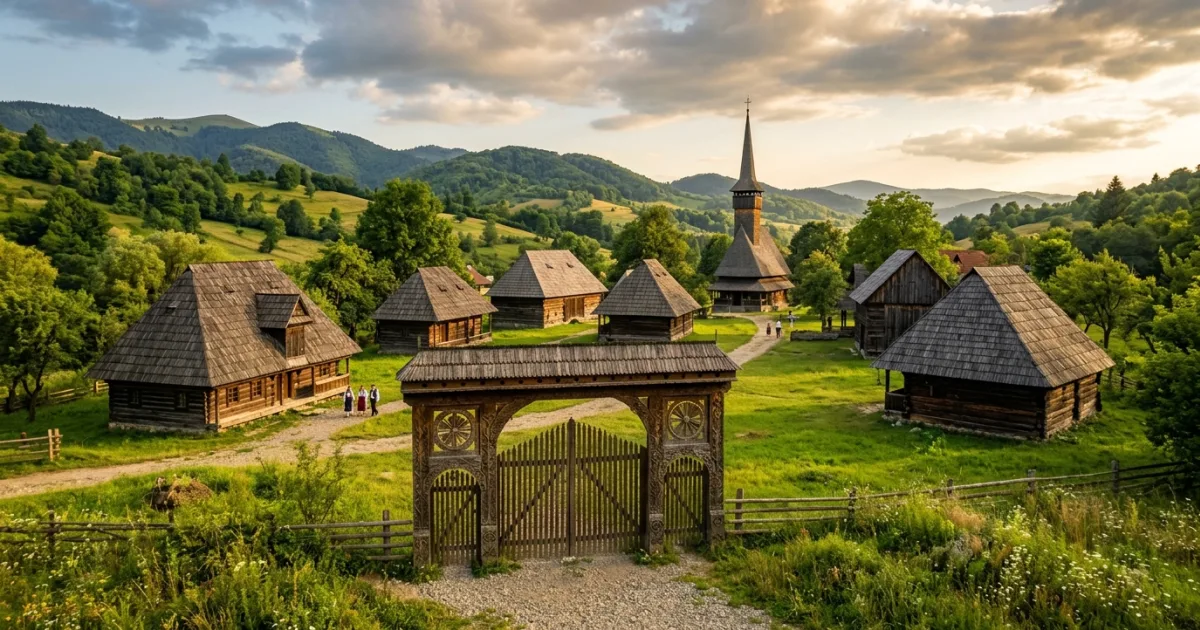
- Maramures Village Museum: An excellent open-air museum showcasing traditional wooden houses and gates from across the region.
- Proximity to the Merry Cemetery: Just a short drive away from the world-famous, brightly colored cemetery in Săpânța.
Things to Avoid
- Rushing your visit: Maramures is about slow travel; don't try to cram too many villages into a single day.
- Relying solely on credit cards: Many rural guesthouses, small museums, and artisans only accept cash.
- Disrespecting religious sites: When visiting the wooden churches or monasteries, ensure you are dressed modestly.
- Driving at night: Country roads are often unlit and shared with horse-drawn carts, pedestrians, and livestock.
Local Transportation Tips
Within Sighetu Marmatiei, the town center is compact and best explored on foot. Most major attractions, including the Communism Memorial and the Village Museum, are within walking distance of each other. To explore the surrounding Maramures region, renting a car is highly recommended, as it provides the flexibility to visit remote villages and wooden churches at your own pace. Alternatively, local buses and shared minivans (maxi-taxis) connect Sighet to nearby villages like Săpânța and Bârsana, though schedules can be infrequent. Taxis are available and affordable for short trips.
Travel Etiquette
- Greetings: A polite 'Bună ziua' (Good day) is expected when entering small shops or passing locals in rural areas.
- Photography: Always ask for permission before photographing locals, especially the elderly in traditional clothing.
- Church Etiquette: Maintain silence, dress modestly, and avoid taking photos during religious services.
- Hospitality: If invited into a local's home, it is customary to accept the offer of food or a shot of Horincă (local spirit); refusing can be seen as impolite.
Recommended Age Group
Sighetu Marmatiei offers a deeply cultural and historical experience that resonates differently across age groups.
- Babies (0-2 years): Neutral. While the town is peaceful, navigating cobblestones and rural terrain with a stroller can be challenging.
- Kids (3-12 years): Recommended. Children will enjoy the open-air Village Museum and the colorful Merry Cemetery nearby, though the heavy history of the prison museum is not suitable for them.
- Teens (13-19 years): Recommended. An excellent educational destination for teens to learn about 20th-century European history and traditional cultures.
- Adults (20-64 years): Recommended. Ideal for adults seeking cultural immersion, history, photography, and slow travel in the countryside.
- Seniors (65+ years): Recommended. The slow pace of life, rich heritage, and welcoming locals make it a wonderful destination, though some mobility is needed for uneven rural paths.
Accessibility Level: Medium
- Town Center: The central area of Sighetu Marmatiei is relatively flat and paved, making it accessible for wheelchair users.
- Museums: The Memorial of the Victims of Communism has made efforts to be accessible, with ramps on the ground floor, though upper floors in the historic building may lack elevator access.
- Village Museum: The open-air Maramures Village Museum features dirt and grass paths that can be uneven and difficult to navigate in a wheelchair, especially after rain.
- Public Transport: Local buses and maxi-taxis are generally not equipped with wheelchair ramps; private accessible transport should be arranged in advance.
Did You Know?
Sighetu Marmatiei is the birthplace of Elie Wiesel, the renowned writer, professor, political activist, Holocaust survivor, and Nobel laureate. The house where he was born and lived before being deported to Auschwitz in 1944 is now a museum dedicated to his life and the history of the Jewish community in Maramures.
Cool Statistics
- Population: Approximately 32,000 residents.
- Elevation: 274 meters (899 feet) above sea level.
- Border Town: The town is separated from Ukraine only by the Tisza River, with a historic wooden bridge connecting the two countries.
- Museum Cells: The Communism Memorial contains over 50 exhibition rooms, each housed in a former prison cell.






Buy a compatible power adapter for your trip