Low – budget‑friendly basics
Medium – moderate mid‑range costs
High – pricey lodging, dining & transport
Disclosure: This site contains affiliate links. We may earn a commission if you make a purchase, at no extra cost to you.
Low – budget‑friendly basics
Medium – moderate mid‑range costs
High – pricey lodging, dining & transport
5 shields = Excellent – very low crime or conflict.
4 shields = Safe – low risk, routine care.
3 shields = Relatively safe – use normal street smarts.
2 shields = Use caution – higher crime or periodic unrest.
1 shields = Avoid – active conflict or extreme danger.
Scores are derived from multi-year peace, homicide and security indices blended into a single 1-to-5 scale.
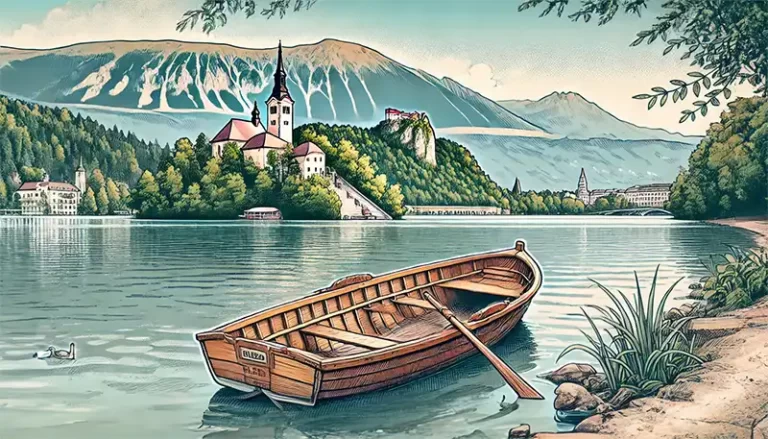
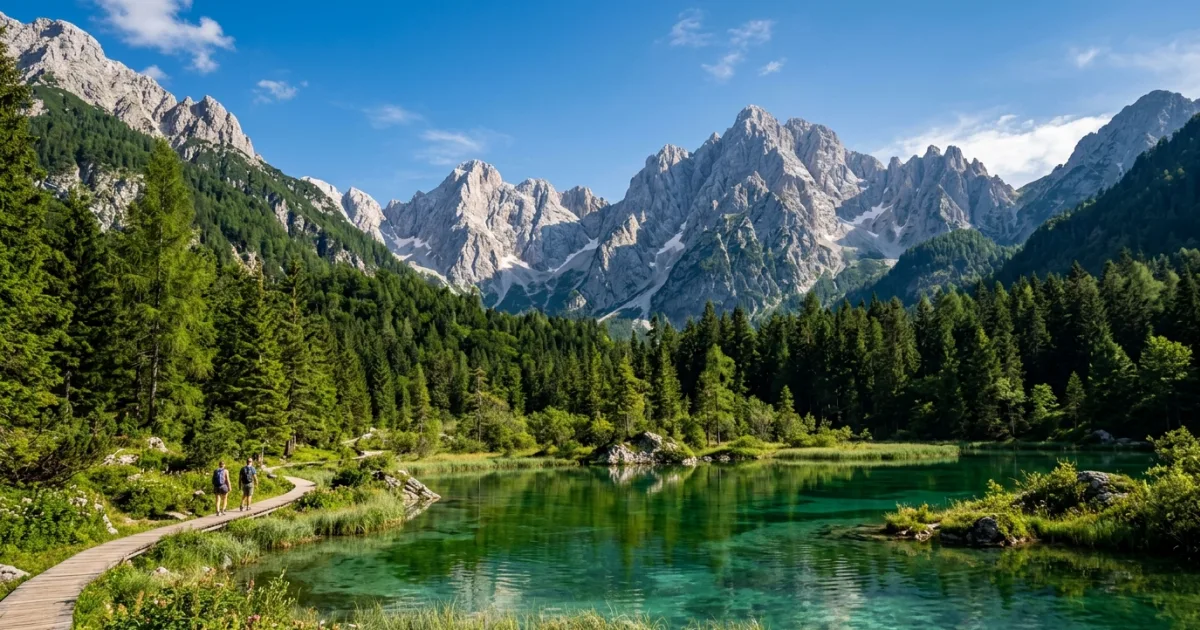
The Julian Alps offer a breathtaking alpine escape characterized by jagged limestone peaks, emerald-green rivers, and pristine glacial lakes. Located primarily in northwestern Slovenia within the Upper Carniola region, this mountainous haven is anchored by Triglav National Park, one of Europe's oldest national parks. Visitors are drawn to the area's dramatic scenery, which includes the iconic Lake Bled with its island church and the wilder, more serene Lake Bohinj. The region provides a perfect blend of untouched wilderness and accessible tourist infrastructure, making it an ideal destination for both hardcore adventurers and those seeking tranquil nature retreats. Beyond the stunning vistas, the Julian Alps are a playground for outdoor enthusiasts year-round. Summer months invite hikers, cyclists, and white-water rafters to explore the Soča Valley and the extensive network of alpine trails leading to Mount Triglav. In winter, the landscape transforms into a snowy wonderland, offering excellent skiing, snowboarding, and ice climbing opportunities in resorts like Kranjska Gora. The local culture is deeply intertwined with the alpine environment, reflected in the hearty mountain cuisine, traditional dairy farming, and a strong commitment to sustainable tourism practices that preserve the region's natural beauty.
The Julian Alps represent the southeasternmost extension of the great Alpine arc, offering a distinct character defined by sheer limestone walls, deep karst valleys, and a rich biodiversity. The region is deeply committed to sustainable tourism, holding numerous eco-certifications that ensure the preservation of its pristine environments. Triglav National Park, covering a significant portion of the area, is named after Mount Triglav, Slovenia's highest peak and a potent national symbol. The park is a sanctuary for wildlife, including chamois, ibex, and golden eagles, making it a paradise for nature lovers and photographers.
Culturally, the Julian Alps are steeped in tradition. The isolated valleys have preserved unique dialects, architecture, and customs. The region is also marked by its poignant history, particularly the Isonzo Front of World War I, which left behind a network of high-altitude trails and memorials now known as the Walk of Peace. Whether you are navigating the hairpin turns of the Vršič Pass, marveling at the turquoise waters of the Soča River, or simply enjoying a slice of Bled Cream Cake overlooking a glacial lake, the Julian Alps offer an unforgettable blend of natural wonder and cultural depth.
While renting a car offers the most flexibility for exploring remote valleys and mountain passes like Vršič, public transportation is highly efficient during the summer months. The region operates a network of seasonal shuttle buses that connect major hubs like Bled, Bohinj, Kranjska Gora, and the Soča Valley, specifically designed to reduce traffic in the national park. The Bohinj Railway is another spectacular way to travel, offering scenic train rides through mountain tunnels. For local exploration, renting an e-bike is an increasingly popular and eco-friendly option.
The Julian Alps offer diverse experiences suitable for almost all ages, from gentle lakeside walks to challenging alpine ascents.
Did you know that Mount Triglav, the highest peak in the Julian Alps at 2,864 meters, is so central to Slovenian identity that it is featured on the country's national flag and coat of arms? There is a popular saying that you aren't a true Slovenian until you have climbed Triglav at least once.

The best time to visit the Julian Alps depends entirely on your preferred activities. Summer (June to August) is peak season for hiking, cycling, and water sports, offering warm weather and fully accessible mountain huts. Winter (December to March) is ideal for skiing and snowshoeing. For a quieter experience with beautiful colors, consider the shoulder seasons.
| Month | °C | °F |
|---|---|---|
| Jan | -7 | 19 |
| Feb | -5 | 23 |
| Mar | -4 | 25 |
| Apr | -2 | 28 |
| May | 2 | 36 |
| Jun | 10 | 50 |
| Jul | 11 | 52 |
| Aug | 11 | 52 |
| Sep | 7 | 45 |
| Oct | 4 | 39 |
| Nov | -2 | 28 |
| Dec | -5 | 23 |
Remember to check the weather forecast a few days before the trip and before heading to the airport.
5 shields = Excellent – very low crime or conflict.
4 shields = Safe – low risk, routine care.
3 shields = Relatively safe – use normal street smarts.
2 shields = Use caution – higher crime or periodic unrest.
1 shields = Avoid – active conflict or extreme danger.
Scores are derived from multi-year peace, homicide and security indices blended into a single 1-to-5 scale.
The rating is based on multi-year peace, crime, and security indices. Before you go, always verify current conditions through official government travel advisories.
No internet needed • Includes local translations • Free for TravelingWiz readers

Low – budget‑friendly basics
Medium – moderate mid‑range costs
High – pricey lodging, dining & transport
Per person, per day – pocket cash for small purchases.
Full daily spend estimation (accommodation, food, transportation, attractions).
Travel Style | Euro (EUR) | ≈ USD ($) |
|---|---|---|
Budget | 60 | 69 |
Mid-range | 110 | 127 |
Comfort | 240 | 277 |
The Prices, Daily costs, and calculator results are estimates for planning purposes only. Actual costs may vary based on season, booking timing, personal spending habits, and currency fluctuations. TravelingWiz cannot be held responsible for discrepancies between these estimates and your final trip expenses.
Choose a ready-made itinerary, plan your own trip, and keep TravelingWiz by your side while you travel.
Get the TravelingWiz app →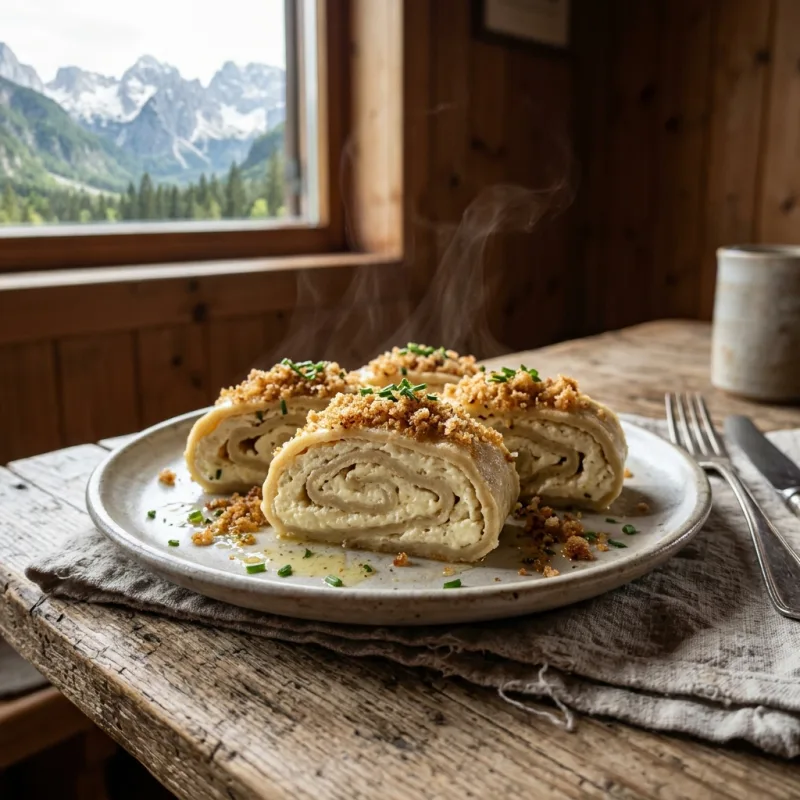
Discover cooking classes, tastings and local food tours
Logistics shouldn’t be the focus of your trip—the experience should. I’ve hand-vetted these essential partners to ensure your arrival, stay, and exploration are as smooth as an Athenian breeze.

Compare accommodation options and choose a stay that suits your plans and budget.
Connect with local guides for personalized help planning and exploring.
The “Engineer’s” rule: always have a backup. Secure your trip with a plan that covers every “what if” and unexpected change.
Don’t let paperwork slow you down. Get expert assistance with your application to ensure all your entry documents are in order.
Check out our related articles and blog posts to learn even more about the destination.
Share with your friends and family