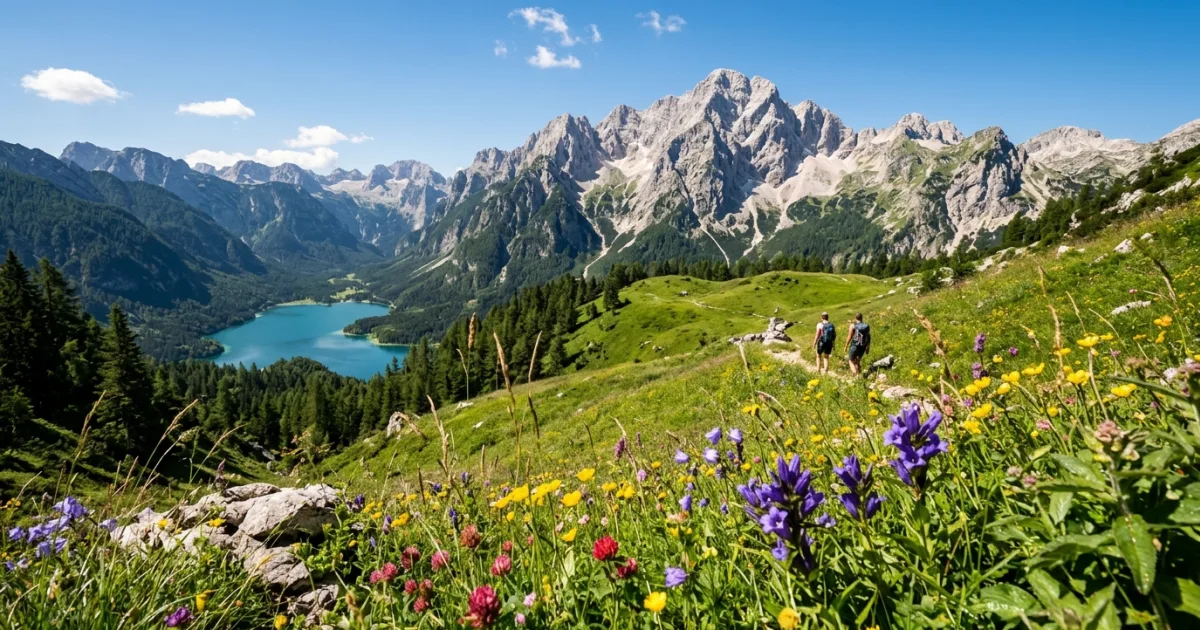
Triglav National Park stands as Slovenia's premier alpine sanctuary, encompassing rugged limestone peaks, ancient glacial amphitheaters, and subterranean karst formations. Established in its initial form in 1924, it protects distinct biogeographical zones ranging from Mediterranean-influenced valley floors to harsh alpine tundras. The park is named after Mount Triglav, a three-headed mountain that features prominently on the Slovenian national flag and serves as a proud symbol of the nation's identity.
Beyond its jagged summits, the park is celebrated for its pristine hydrological systems. The emerald Soča River flows along its western fringe, famed globally for kayaking, fly-fishing, and white-water rafting, while the serene waters of Lake Bohinj anchor the southern region with peaceful swimming and boating options. The park's well-maintained trail system allows hikers to wander through the Valley of the Triglav Lakes, marvel at the 78-meter Savica Waterfall, and cross the historic 50-hairpin Vršič Pass, making it an extraordinary year-round sanctuary for nature lovers.
Reasons to Visit
- Traverse dramatic limestone landscapes across hundreds of kilometers of well-signposted alpine hiking trails.
- Experience the turquoise waters and white-water rapids of the Soča River.
- Explore the Valley of the Triglav Lakes, featuring seven pristine high-elevation glacial bodies of water.
- Drive or cycle the iconic Vršič Pass, taking in panoramic vistas of the Julian Alps across 50 cobbled hairpin turns.
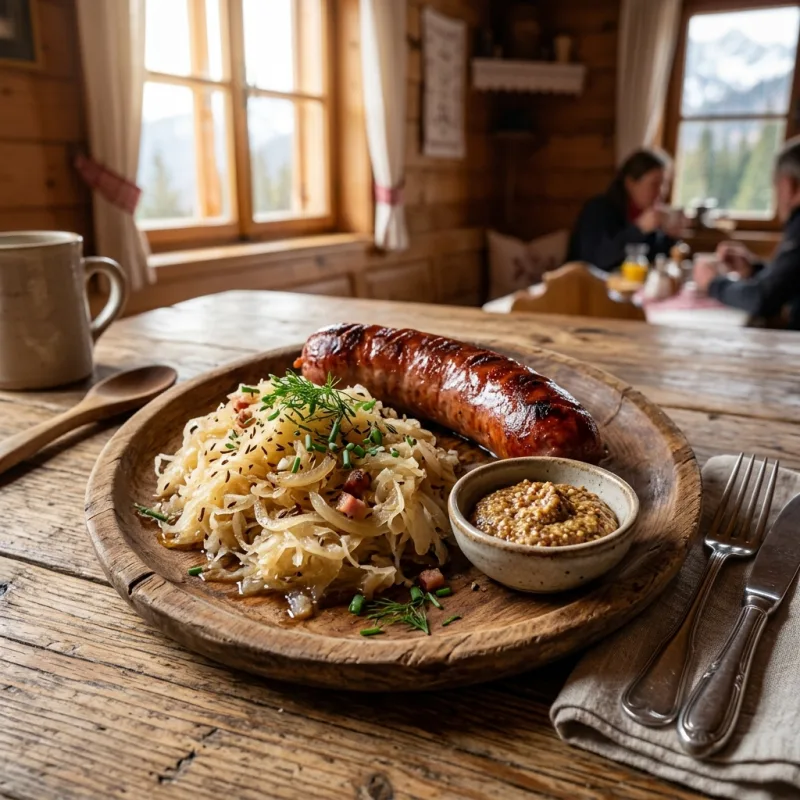
- Savor authentic alpine cheeses and traditional dishes at working mountain pastures and welcoming huts.
Things to Avoid
- Avoid wild camping or setting up tents outside of designated campsites, as rangers issue strict fines.
- Do not underestimate high-altitude mountain weather changes; never hike the high peaks without proper rain gear, warm layers, and a helmet.
- Avoid swimming in fragile high-elevation alpine lakes to protect delicate glacial aquatic ecosystems.
- Do not drive private vehicles into restricted alpine valleys; use the organized municipal shuttle buses instead.
Local Transportation Tips
Public transit options are well developed around the park during peak summer months. Regular bus lines connect Ljubljana to Bled, Bohinj, and Kranjska Gora. From these transit hubs, dedicated park shuttle services (including the Julian Alps bus network) transport hikers directly to key trailheads such as Pokljuka and the Vršič Pass. Renting a car offers the greatest freedom for circumnavigating the mountain range, while regional train services run along the historic Bohinj Railway connecting Jesenice to Nova Gorica.
Travel Etiquette
- Follow the 'Leave No Trace' principle strictly by packing out all waste, including organic food scraps.
- Keep domestic dogs on a leash at all times to prevent harassment of grazing livestock and native wildlife.
- Greet fellow hikers on the trail with a courteous 'Dober dan' (Good day) or 'Živijo' (Hello).
- Maintain quiet hours in mountain huts after 10:00 PM to respect sleeping hikers preparing for early-morning ascents.
Recommended Age Group
Triglav National Park caters to a broad spectrum of visitors, though high-alpine routes require careful planning depending on age and capability.
- Babies (0-2 years): Neutral. Valley paths around Lake Bohinj accommodate all-terrain strollers, but steep mountain trails are accessible only with sturdy baby carriers.
- Kids (3-12 years): Recommended. Gorge boardwalks, boat rides on Lake Bohinj, and low-gradient forest trails provide rewarding outdoor adventures for active children.
- Teens (13-19 years): Recommended. Thrilling activities such as canyoning, river rafting on the Soča, mountain biking, and via ferratas are ideally suited for teenagers.
- Adults (20-64 years): Recommended. Perfect terrain for multi-day hut-to-hut trekking, technical climbing, trail running, and scenic road trips.
- Seniors (65+ years): Recommended. Gentle valley walks, scenic drives over mountain passes, and cable car rides to viewpoints like Mount Vogel make it highly enjoyable for mature travelers.
Accessibility Level: Medium
- Visitor centers such as Dom Trenta and Infocenter Triglavska Roža Bled offer fully step-free, wheelchair-accessible exhibits.
- Lake Bohinj features paved, barrier-free walking paths along sections of the Ribčev Laz shoreline.
- The Vogel cable car provides wheelchair-accessible boarding, enabling panoramic alpine views without trekking.
- Most mountain trails, gorge boardwalks, and alpine huts feature steep steps, loose rocks, and unpaved terrain that are not wheelchair accessible.
Did You Know?
Slovenian folklore holds that the mythical Goldhorn (Zlatorog)—an immortal white chamois with golden horns—guards an immense treasure concealed within the high crags of Mount Triglav.
Cool Statistics
- Mount Triglav peaks at 2,864 meters (9,396 feet) above sea level, making it the highest mountain in Slovenia.
- The park covers 838 square kilometers, representing roughly 4% of Slovenia's entire landmass.
- Over 7,000 chamois, alpine ibex, red deer, and brown bears roam the protected park interior.






Buy a compatible power adapter for your trip