Disclosure: This site contains affiliate links. We may earn a commission if you make a purchase, at no extra cost to you.

>
>
>
>
Aragonese Pyrenees

Aragonese Pyrenees

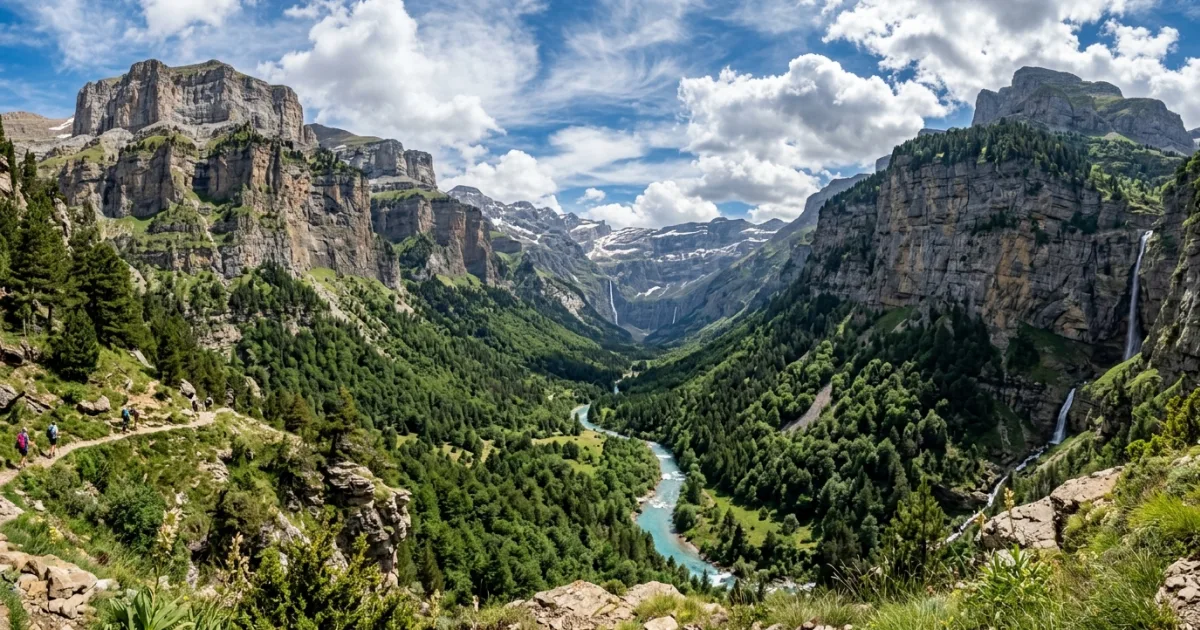
Panoramic view of limestone cliffs and alpine forest in Ordesa Valley, Aragonese Pyrenees

Aragonese Pyrenees Overview & Key Highlights

The Aragonese Pyrenees encompass the highest peaks and deepest glacial canyons of the entire Pyrenean mountain chain in northeastern Spain. Dominated by iconic massifs such as Monte Perdido, Aneto, and Posets, this alpine territory features dramatic vertical limestone gorges, dense beech and pine forests, and preserved Romanesque architecture across historic valleys like Benasque, Tena, and Ordesa. Visitors encounter a landscape shaped by ancient pastoral traditions, glacial lakes known locally as ibones, and vibrant mountain settlements built of native fieldstone and slate. Outdoor pursuits define travel here throughout the year, shifting seamlessly from world-class trekking, canyoning, and via ferratas in the warmer months to downhill skiing at Formigal-Panticosa and Cerler in winter. Beyond raw topography, the region preserves deep cultural heritage displayed in medieval walled towns like Aínsa and fortified mountain churches across the Serrablo route. Quiet valley roads link tranquil villages, offering an unhurried escape defined by authentic mountain gastronomy and protected dark sky reserves.

Aragonese Pyrenees Travel Guide: Logistics & In-Depth Tips

The Aragonese Pyrenees represent the geographical and ecological heart of the Pyrenean cordillera, spanning the northern boundary of the province of Huesca. Unlike the wetter Atlantic slopes to the west, this region enjoys an alpine climate balanced with Mediterranean sunshine, creating dramatic contrasts between snow-capped limestone summits and arid southern foothills. The territory is home to the Ordesa y Monte Perdido National Park, established in 1918 and recognized as a UNESCO World Heritage site for its extraordinary glacial geology and biodiversity.

Culturally, the valleys evolved in relative geographic isolation, fostering resilient architectural motifs such as truncated conical chimneys (espantabrujas), slate-roofed stone farmsteads, and fortified Romanesque churches. Modern travelers can explore ancient shepherd pathways, visit thermal spa towns like Panticosa, or navigate scenic mountain passes connecting pristine alpine valleys. With deep ecological preservation and warm local hospitality, the region provides an authentic alternative to Europe's more commercialized alpine corridors.

Reasons to Visit

  • Home to Monte Perdido and Aneto, the highest massifs and glacial systems in the Pyrenees.
  • Outstanding hiking through the sheer vertical canyon walls of the Ordesa and Añisclo gorges.
  • Impeccably preserved medieval mountain settlements including the walled village of Aínsa and stone-built Alquézar.
  • World-class winter sports across modern ski domains like Formigal-Panticosa and Cerler.
  • Exceptional dark skies officially recognized for low light pollution and stargazing quality.

Things to Avoid

  • Avoid attempting high-altitude routes above 2,000 meters in early spring without crampons and an ice axe due to hard-packed snowpack.
  • Do not rely on card payments in remote mountain refuges or tiny villages; carry cash reserves.
  • Avoid driving into Torla without checking park shuttle schedules during July and August.
  • Do not leave marked footpaths inside the national park, as strict conservation laws carry severe fines for off-trail disturbance.

Local Transportation Tips

A personal rental car is essential for comprehensive exploration of the Aragonese Pyrenees, as bus links between secondary valleys are infrequent. Major roads like the A-23 and N-260 are well maintained, though mountain passes feature winding switchbacks and occasional winter chain requirements. During peak summer, mandatory shuttle buses operate from Torla to the Pradera de Ordesa to limit vehicle emissions.

Travel Etiquette

  • Greet fellow hikers with a friendly '¡Hola!' or '¡Buenos días!' when passing on mountain trails.
  • Adhere to the strict 'Leave No Trace' mountain ethics; carry all garbage, including organic scraps, back down from alpine valleys.
  • Respect siesta hours in quiet villages, where shops and bakeries regularly close between 2:00 PM and 5:00 PM.
  • Dress respectfully when entering historic village chapels and rural Romanesque churches.

Recommended Age Group

The Aragonese Pyrenees provide engaging experiences across generational age brackets, though physical mountain terrain requires adequate mobility.

  • Babies (0-2 years): Neutral. Mountain passes and cobblestone village streets can be challenging with strollers, requiring ergonomic child carrier backpacks for easy movement.
  • Kids (3-12 years): Recommended. Children thrive on accessible canyon walks, gentle riverbeds, wildlife parks like Lacuniacha, and open-air alpine adventure circuits.
  • Teens (13-19 years): Recommended. An outdoor paradise offering thrilling activities including whitewater rafting, canyoning, via ferratas, and winter snowboarding.
  • Adults (20-64 years): Recommended. Superb multi-day trekking, technical mountaineering, historic touring, winery visits in nearby Somontano, and rustic gastronomy.
  • Seniors (65+ years): Recommended. Outstanding scenic drives, thermal hot spring spas at Panticosa, and flat panoramic walks along lower valley meadows.

Accessibility Level: Medium

  • Major national park visitor centers in Torla and Bielsa provide step-free access and sensory interpretive exhibits.
  • Specially adapted boardwalk trails exist at the Pradera de Ordesa, allowing wheelchair users to view beech forests and surrounding limestone cliffs.
  • Historic medieval villages feature steep, uneven cobblestone alleys that present significant mobility challenges for standard wheelchairs.
  • Accessible thermal pool hoists and facilities are maintained at the historic Balneario de Panticosa resort.

Did You Know?

The traditional conical chimneys found on historic stone houses in the Aragonese valleys are crowned with protruding stones known as 'espantabrujas' (witch-scarers), installed by medieval builders to prevent evil spirits and witches from descending into the hearth.

Cool Statistics

  • Aneto Peak stands as the highest mountain in the entire Pyrenean range at 3,404 meters (11,168 feet).
  • Ordesa y Monte Perdido was designated as one of Spain's first national parks in 1918.
  • The region boasts over 1,000 kilometers of marked GR long-distance hiking trails, including sections of the GR 11 trans-Pyrenean path.


Address:

Aragonese Pyrenees, Spain

Find Nearby Accommodations

Basic Info

address icon

COUNTRY & Region

Spain,
Europe

ACCESSIBILITY LEVEL​

Medium
Currency icon

LOCAL CURRENCY​

Euro (EUR)
Price level icon
Medium
Safety Level icon

SAFETY LEVEL

Duration icon

Recommended Duration

• 1-7 days
• More than a week

Electricity

electricity icon

Electricity

220-240V, 
50Hz
Plug Socket icon

Plug Type

• Type C (Round pin)
• Type F (Two round pins with earth clips)
Plug types
Click To View Plug Types
Aragonese Pyrenees is part of our
Coolcation collection

Activities To Do In Aragonese Pyrenees

Best Time To Visit Aragonese Pyrenees

The Aragonese Pyrenees present two distinct peak seasons depending on preferred mountain activities.

  • June to September: Prime conditions for high-altitude trekking, via ferratas, and exploring Ordesa y Monte Perdido National Park with clear passes and wild mountain flora.
  • December to March: The premier alpine ski season across major winter resorts such as Formigal, Panticosa, Astún, Candanchú, and Cerler.
  • October to November: Vibrant autumn foliage across the beech forests of Añisclo and Ordesa, accompanied by lower lodging rates and quiet trails.

Average Temperatures Per Month

Remember to check the weather forecast a few days before the trip and before heading to the airport.

Safety Level icon

Safety Level

Violent crime is practically nonexistent across the mountain valleys of Aragon. The primary risks involve mountain hazards, including sudden alpine thunderstorms, hypothermia, scree slips, and winter avalanches. Always check the official AEMET mountain weather forecast and European avalanche bulletin before setting out on trails. Carry an offline GPS navigation app, stay on marked sendero paths (GR and PR routes), and register your itinerary at your hotel or refuge when venturing above 2,500 meters.

The rating is based on multi-year peace, crime, and security indices. Before you go, always verify current conditions through official government travel advisories.

Emergency Numbers

Police: 112
Ambulance: 112

No internet needed • Includes local translations • Free for TravelingWiz readers

Spoken Languages

Spanish is universally spoken. Aragonese (an endangered Romance language) is preserved in select isolated northern valleys such as Hecho, Chistau, and Ansó.

Learn The Language

  • Hola: Hello
  • Buenos días: Good morning
  • Por favor: Please
  • Gracias: Thank you
  • ¿Dónde está el sendero?: Where is the hiking trail?
  • La cuenta, por favor: The bill, please
  • ¿Hay cobertura aquí?: Is there cell phone service here?
  • Adiós: Goodbye
Travel Booking Partner - TravelingWiz

Trip Cost & Budgeting for Aragonese Pyrenees, 2026

Everything you need to know about money while traveling
Is Aragonese Pyrenees expensive for tourists in 2026? While mountain getaway towns see seasonal demand, the region remains reasonably priced compared to major Spanish cities. Visitors can expect to pay around 2.20 EUR for a cappuccino, 3.00 EUR for a domestic pint of beer, and 16.00 EUR for a standard meal. With our Human Verified prices, budgeting for accommodation and transport is straightforward. Use the data table below to calculate your specific daily budget based on your travel style.
Currency icon

LOCAL CURRENCY​:

Euro (EUR)
Price level icon
Medium
Cards are accepted almost everywhere in town, but cash is recommended for small rural villages and mountain refuges.

Per person, per day – pocket cash for small purchases.

Local: 13
Euro (EUR)
≈ 54 USD

Full daily spend estimation (accommodation, food, transportation, attractions).

Travel Style
Euro (EUR)
≈ USD ($)
Budget
70
70
Mid-range
125
140
Comfort
280
280

The Prices, Daily costs, and calculator results are estimates for planning purposes only. Actual costs may vary based on season, booking timing, personal spending habits, and currency fluctuations. TravelingWiz cannot be held responsible for discrepancies between these estimates and your final trip expenses.

  • • Take advantage of the weekday menu del dia at mountain restaurants for a complete three-course lunch including wine at low cost.
  • • Book ski passes and national park shuttle buses online in advance to secure lower regional rates during peak seasons.
  • • Rent a car in larger transport hubs like Zaragoza or Huesca rather than smaller valley towns to find better rental deals.
  • • Stay in charming family-run casas rurales in secondary villages like Biescas or Broto rather than central resort hubs.

Pre-Order Tickets

Avoid disappointment when tickets sell out — and skip the long lines by booking online in advance. You’ll often save up to 20% too.
Save up to 20%

Travel Discounts & Coupons

Save on hotels, attractions, transport, and gear — find verified discounts for smarter travel spending.
Verified Coupons

What To Pack

  • Sturdy Gore-Tex hiking boots with vibram soles for rugged limestone trails
  • Layered alpine apparel including a lightweight merino wool base layer and packable fleece
  • Breathable waterproof hard-shell jacket for sudden mountain storms
  • Trekking poles to assist with steep glacial moraines and descents
  • High-SPF mineral sunscreen and UV-blocking sunglasses for high-altitude exposure
  • Reusable insulated water bottle and purification tablets for backcountry refill
  • Compact first-aid kit with blister prevention patches and tick removal tool
We couldn't find tips for Aragonese Pyrenees.
If you got any, please share

Recommended Itineraries for Traveling to Aragonese Pyrenees

We couldn't find itineraries for Aragonese Pyrenees.
you can contact us for custom trip plan

Food & Drink Highlights

Local Food Overview

Gastronomy in the Aragonese Pyrenees reflects its pastoral mountain roots, relying heavily on free-range livestock, wild mushrooms, river trout, and cured charcuterie. Traditional dishes are hearty and engineered to fuel strenuous outdoor labor, emphasizing slow-braised meats, wood-fired roasting, and artisanal mountain cheeses made from raw sheep and goat milk.
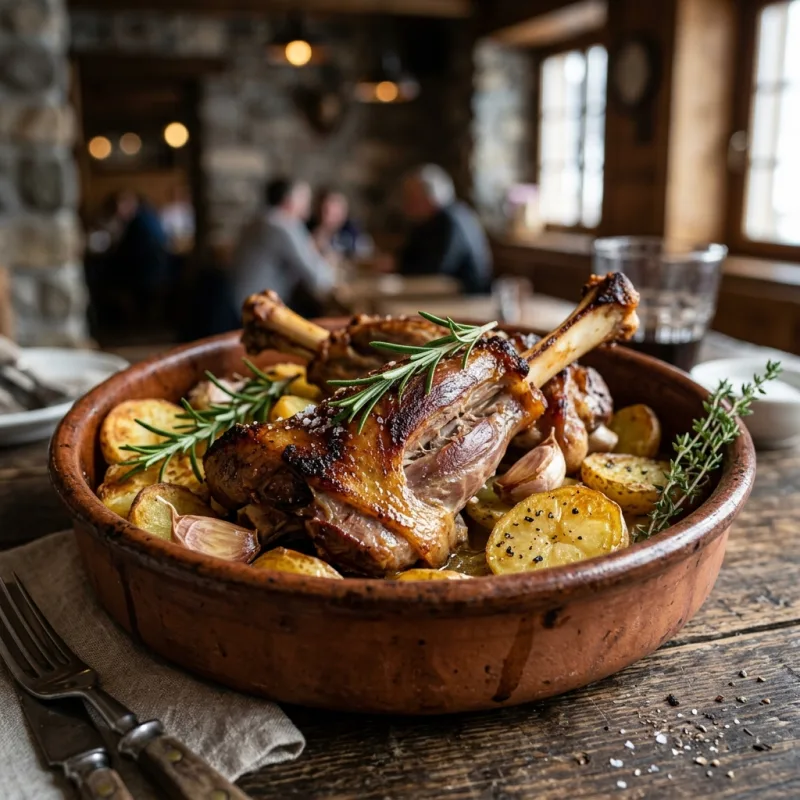
Roasted Ternasco de Aragón suckling lamb with potatoes in a clay baking dish

Must Try Dish

Ternasco de Aragón PGI - Tender young Pyrenean suckling lamb roasted slowly in wood-fired ovens with native potatoes, garlic, and mountain herbs. The meat yields a delicate texture with a crisp outer crust, serving as Aragon's defining culinary tradition.
Food Experiences Title Icon

Food
Experiences

Discover cooking classes, tastings and local food tours

No food experience found

Related Tour Guides

Mateo Ferri -tour guide
Mateo Ferri
Spain Expert
Ana Maria Galera Lopez - tour guide
Ana Maria Galera López
Spain Expert
Anabel Arco Sola - tour guide
Anabel Arco Sola
Spain Expert
Ana Maria Soler Machirant - tour guide
Ana Maria Soler Machirant
Spain Expert
Maya, the human travel expert at TravelingWiz, offering curated, non-AI expertise

Maya’s Final Checklist for Aragonese Pyrenees

Logistics shouldn’t be the focus of your trip—the experience should. I’ve hand-vetted these essential partners to ensure your arrival, stay, and exploration are as smooth as an Athenian breeze.

Where to Stay

From boutique hotels to local apartments—compare thousands of options and find the perfect stay in the best neighborhood.

Air Travel

Getting there should be seamless. Compare the best routes and prices across top airlines to start your journey on the right note.

Local Guides

Connect with experts who know the destination best. Get personalized advice and insider tips to help you plan your perfect trip.

Travel Protection

The “Engineer’s” rule: always have a backup. Secure your trip with a plan that covers every “what if” and unexpected change.

Car Rentals

Explore at your own pace with total freedom. Compare reliable rental options and find the right vehicle for your adventure.

Visa Services

Don’t let paperwork slow you down. Get expert assistance with your application to ensure all your entry documents are in order.

FAQs

Aínsa offers central access to Ordesa y Monte Perdido National Park and medieval charm, while Benasque is ideal for high-peak mountaineering near Aneto, and Jaca serves as the historic cultural hub with excellent ski access.
A car is strongly recommended. While regional buses connect major towns like Jaca and Sabiñánigo, reaching trailheads, remote valleys, and natural monuments requires private transport.
No, private vehicles are barred from driving up the main Ordesa Canyon during high season (typically Easter and late June through mid-October). Visitors must park in Torla and take the designated national park shuttle bus.

Your Insights Matter

TravelingWiz grows through the stories of our community. If you’ve recently explored ,Aragonese Pyrenees share your tips and stories to help us perfect our guides for the next traveler.

Related Articles

Check out our related articles and blog posts to learn even more about the destination.

No related articles found

Don’t Travel Alone

Share with your friends and family

Where should we send your offline card?

We hate spam just as much as you do

newsletter_consent *