Disclosure: This site contains affiliate links. We may earn a commission if you make a purchase, at no extra cost to you.

>
>
>
Basque Country

Basque Country

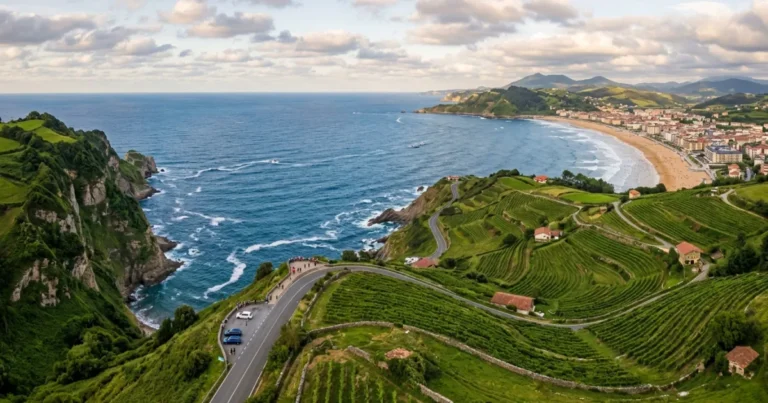
Dramatic coastal cliffs of the Basque Country at sunset

Basque Country Overview & Key Highlights

Basque Country, located in northern Spain along the Bay of Biscay, is an autonomous community renowned for its distinct culture, ancient language (Euskara), and dramatic landscapes. The region encompasses the provinces of Álava, Biscay, and Gipuzkoa, offering a diverse topography that ranges from rugged coastlines to lush, mountainous interiors. Visitors are drawn to its world-class culinary scene, which boasts a high concentration of Michelin-starred restaurants and vibrant pintxo bars in cities like San Sebastián and Bilbao. Beyond its gastronomy, the region is a hub for striking contemporary architecture, most notably the Guggenheim Museum in Bilbao, which catalyzed the city's urban revitalization. Outdoor enthusiasts can explore the coastal trails of the Flysch route in Zumaia or surf the renowned waves at Mundaka. Navigating the Basque Country is highly efficient via its modern public transportation network, making it an ideal destination for travelers seeking a blend of deep-rooted traditions and cutting-edge modernity.

Basque Country Travel Guide: Logistics & In-Depth Tips

The Basque Country, or Euskadi, is a fiercely proud region that feels distinctly different from the rest of Spain. Nestled between the Pyrenees mountains and the Bay of Biscay, it is a land defined by its dramatic contrasts. In Bilbao, you will find a city that has masterfully transitioned from a gritty industrial port to a beacon of modern art and architecture, anchored by Frank Gehry's shimmering titanium Guggenheim Museum. Just an hour away lies San Sebastián (Donostia), an elegant coastal resort town famous for its sweeping La Concha beach and an unparalleled culinary scene that draws food lovers from across the globe.

Beyond the urban centers, the Basque Country reveals a rugged, mystical interior and a spectacular coastline. The coastal drive from Zarautz to Zumaia showcases the incredible Flysch rock formations, while the Urdaibai Biosphere Reserve offers pristine wetlands and migratory bird watching. The region is also home to one of Europe's oldest and most mysterious cultures; the Basque language, Euskara, predates the Romans and has no known linguistic relatives. Whether you are hiking the green hills, surfing world-class waves at Mundaka, or indulging in a traditional cider house feast, the Basque Country offers a deeply authentic and enriching travel experience.

Reasons to Visit

  • Unrivaled Gastronomy: Experience everything from casual pintxo bar-hopping to dining at world-renowned Michelin-starred restaurants.
  • Striking Architecture: Marvel at the Guggenheim Museum in Bilbao and the Belle Époque elegance of San Sebastián.
  • Unique Culture: Immerse yourself in the ancient Basque heritage, language, and rural traditions.
  • Spectacular Coastlines: Surf the famous left-hand barrel at Mundaka or hike the dramatic cliffs of the Flysch route.
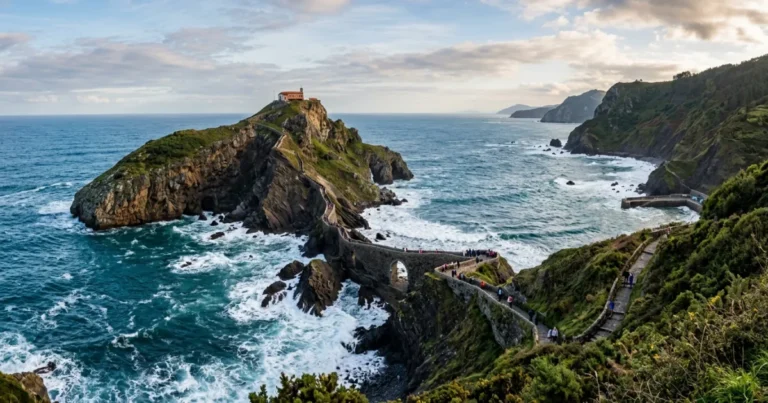
  • Set-Jetting: Visit San Juan de Gaztelugatxe, the breathtaking real-life filming location for Dragonstone in Game of Thrones.

Things to Avoid

  • Confusing Basque Country with the rest of Spain: The region has a distinct cultural and political identity; referring to it simply as 'Spain' can sometimes offend locals.
  • Eating too early: While slightly earlier than southern Spain, lunch is still typically around 2:00 PM and dinner after 8:30 PM.
  • Skipping the interior: Don't just stick to the coastal cities; the rural Basque highlands and traditional villages offer incredible charm.
  • Throwing napkins on the floor: While common in some traditional Spanish tapas bars, it is less acceptable in modern Basque pintxo establishments.

Local Transportation Tips

The Basque Country boasts an excellent and highly integrated public transportation system. The Euskotren is a narrow-gauge railway that provides scenic, leisurely routes connecting Bilbao, San Sebastián, and the French border. For faster transit between major cities, the regional bus networks (such as Alsa, Lurraldebus, and Bizkaibus) are efficient, frequent, and comfortable. Renting a car is highly recommended if you plan to explore the rugged coastline, remote mountain villages, or the Rioja Alavesa wine region, as it offers the flexibility to discover hidden gems at your own pace.

Travel Etiquette

  • Greetings: A handshake or two kisses on the cheeks (among friends and acquaintances) is the standard greeting.
  • Tipping: Tipping is not mandatory, but leaving small change or rounding up the bill is appreciated for good service in restaurants.
  • Pintxo Etiquette: Do not hoard pintxos on your plate. Take one or two at a time, keep your toothpicks to tally the bill, and pay when you are ready to leave.
  • Respect the Language: Showing an interest in Euskara by using basic greetings will earn you immense respect from the locals.

Recommended Age Group

The Basque Country offers diverse attractions that cater to travelers of all ages, from active adventurers to those seeking relaxed cultural immersion.

  • Babies (0-2 years): Neutral. While cities are stroller-friendly, the crowded pintxo bars and hilly coastal towns can be challenging to navigate with an infant.
  • Kids (3-12 years): Recommended. Children will love the expansive beaches, the interactive maritime museums, and the fun of picking out colorful pintxos.
  • Teens (13-19 years): Recommended. Excellent for teens interested in surfing, outdoor adventures, and exploring famous pop-culture filming locations.
  • Adults (20-64 years): Recommended. The perfect demographic for the region's focus on high-end gastronomy, wine tasting, and cultural exploration.
  • Seniors (65+ years): Recommended. The region offers excellent public transport, world-class museums, and scenic coastal walks that are easily accessible.

Accessibility Level: Medium

  • Major cities like Bilbao and San Sebastián are highly accessible, with flat promenades, ramped curbs, and elevators in public spaces.
  • The Guggenheim Museum and other major cultural institutions are fully wheelchair accessible.
  • Public transportation, including the Metro Bilbao and modern buses, are equipped with ramps and designated spaces for wheelchair users.
  • Rural areas, historic old towns with cobblestones, and steep coastal paths (like San Juan de Gaztelugatxe) present significant mobility challenges.

Did You Know?

The Basque language, Euskara, is a language isolate. This means it has no known genealogical relationship with any other language in the world, making it one of the oldest and most unique living languages in Europe.

Cool Statistics

  • San Sebastián has one of the highest numbers of Michelin stars per square meter in the world.
  • The Guggenheim Museum in Bilbao attracts over 1 million visitors annually, fundamentally transforming the city's economy.
  • The Basque Country has over 250 kilometers of stunning coastline along the Bay of Biscay.
  • San Juan de Gaztelugatxe features a winding stone staircase with exactly 241 steps leading up to the hermitage.


Address:

Basque Country, Spain

Find Nearby Accommodations

Basic Info

address icon

COUNTRY & Region

Spain,
Europe

ACCESSIBILITY LEVEL​

Medium
Currency icon

LOCAL CURRENCY​

Euro (EUR)
Price level icon
Medium
Safety Level icon

SAFETY LEVEL

Duration icon

Recommended Duration

• 1-7 days
• More than a week

Electricity

electricity icon

Electricity

220-240V, 
50Hz
Plug Socket icon

Plug Type

• Type C (Round pin)
• Type F (Two round pins with earth clips)
Plug types
Click To View Plug Types
Basque Country is part of our
Accessible Travel collection

Activities To Do In Basque Country

Best Time To Visit Basque Country

The best time to visit the Basque Country is from late spring to early autumn (May to September) when the weather is warmest and rainfall is at its lowest. Summer brings lively festivals, including Bilbao's Semana Grande in August and the San Sebastián International Film Festival in September.

  • High Season (June - August): Warmest weather, perfect for beaches and surfing, but expect higher prices and larger crowds.
  • Shoulder Season (May, September - October): Pleasant temperatures, fewer tourists, and excellent conditions for hiking and food tours.
  • Low Season (November - April): Cooler, wetter weather, but ideal for budget travelers and experiencing authentic local life without the crowds.

Average Temperatures Per Month

Remember to check the weather forecast a few days before the trip and before heading to the airport.

Safety Level icon

Safety Level

The Basque Country is very safe for travelers. Violent crime is extremely rare. The main concern is petty theft, such as pickpocketing, particularly in crowded tourist areas like San Sebastián's Parte Vieja (Old Town) or around the Guggenheim in Bilbao. Always keep an eye on your belongings at the beach and do not leave valuables visible in rental cars.

The rating is based on multi-year peace, crime, and security indices. Before you go, always verify current conditions through official government travel advisories.

Emergency Numbers

Police: 112
Ambulance: 112

No internet needed • Includes local translations • Free for TravelingWiz readers

Spoken Languages

Spanish is spoken by everyone, but Basque (Euskara) is the co-official language and is widely spoken, especially in rural areas and the province of Gipuzkoa. English is commonly understood in major tourist hubs and hotels.

Learn The Language

  • Kaixo (Hello)
  • Eskerrik asko (Thank you)
  • Mesedez (Please)
  • Agur (Goodbye)
  • Bai / Ez (Yes / No)
  • Non dago komuna? (Where is the bathroom?)
  • Garagardo bat, mesedez (A beer, please)
  • Zenbat balio du? (How much does it cost?)
Travel Booking Partner - TravelingWiz

Trip Cost & Budgeting for Basque Country, 2026

Everything you need to know about money while traveling
Is Basque Country expensive for tourists in 2026? While it is pricier than southern Spain, it remains highly reasonable compared to major European hubs. Based on our Human Verified prices, you can expect to pay around 2.10 EUR for a cappuccino, 3.00 EUR for a pint of domestic beer, and about 30.00 EUR for a standard main meal at a mid-range restaurant. Use the data table below to calculate your specific daily budget based on your travel style. With TravelingWiz's Human Verified data, a typical traveler should expect to spend around $200 USD per day for a mid-range trip in Basque Country. Click the Trip Cost Calculator button below the table to work out your personal budget for this trip.
Currency icon

LOCAL CURRENCY​:

Euro (EUR)
Price level icon
Medium
Credit cards are widely accepted across the Basque Country, though carrying some cash is useful for small pintxos bars.

Per person, per day – pocket cash for small purchases.

Local: 35
Euro (EUR)
≈ 40 USD

Full daily spend estimation (accommodation, food, transportation, attractions).

Travel Style
Euro (EUR)
≈ USD ($)
Budget
95
109
Mid-range
175
201
Comfort
390
449

The Prices, Daily costs, and calculator results are estimates for planning purposes only. Actual costs may vary based on season, booking timing, personal spending habits, and currency fluctuations. TravelingWiz cannot be held responsible for discrepancies between these estimates and your final trip expenses.

  • • Opt for the Menú del Día at lunchtime, which offers a three-course meal with wine for a fraction of the dinner price.
  • • When eating pintxos, limit yourself to one or two per bar and move on, as grazing heavily at a single spot can quickly add up.
  • • Use public transport networks like the Mugi card in Gipuzkoa or the Barik card in Bizkaia for heavily discounted bus and train fares.
  • • Visit during the shoulder seasons of late spring or early autumn to secure much cheaper accommodation rates.

Pre-Order Tickets

Avoid disappointment when tickets sell out — and skip the long lines by booking online in advance. You’ll often save up to 20% too.
Save up to 20%

Travel Discounts & Coupons

Save on hotels, attractions, transport, and gear — find verified discounts for smarter travel spending.
Verified Coupons

What To Pack

  • Comfortable walking shoes for navigating hilly coastal towns and cobblestone streets.
  • A lightweight rain jacket or umbrella, as the northern climate can be unpredictable and rainy even in summer.
  • Smart-casual evening wear for dining at high-end pintxo bars and Michelin-starred restaurants.
  • A daypack for coastal hikes or exploring the Urdaibai Biosphere Reserve.
  • A universal power adapter for Type C or F outlets.
We couldn't find tips for Basque Country.
If you got any, please share

Recommended Itineraries for Traveling to Basque Country

We couldn't find itineraries for Basque Country.
you can contact us for custom trip plan

Food & Drink Highlights

Local Food Overview

The Basque Country is a global culinary epicenter, boasting one of the highest concentrations of Michelin stars per capita in the world. The food culture is deeply rooted in seasonal, high-quality ingredients sourced from the Bay of Biscay and the lush interior. From casual pintxo bars lining the streets of San Sebastián to traditional cider houses (sagardotegiak) serving massive Txuleta steaks, dining here is a communal and revered experience.
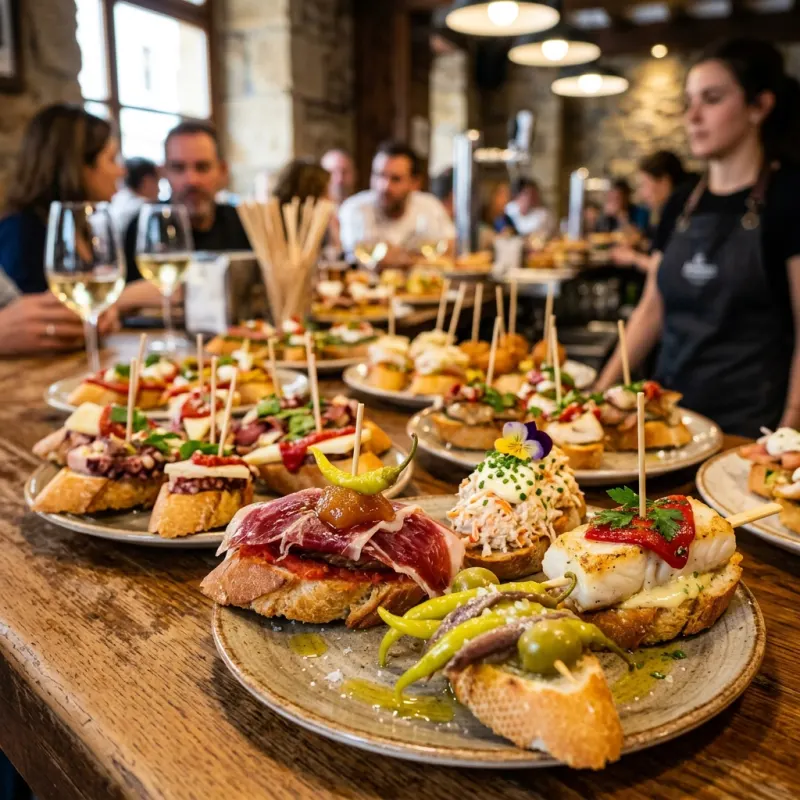
A colorful spread of traditional Basque pintxos on a wooden bar counter

Must Try Dish

Pintxos are quintessential Basque bite-sized appetizers typically served on a small slice of bread and pierced with a toothpick. Ranging from traditional combinations like the 'Gilda' (olive, anchovy, and guindilla pepper) to avant-garde miniature haute cuisine, they are a staple of the region's vibrant bar-hopping culture.
Food Experiences Title Icon

Food
Experiences

Discover cooking classes, tastings and local food tours

No food experience found

Related Tour Guides

Mateo Ferri -tour guide
Mateo Ferri
Spain Expert
Ana Maria Galera Lopez - tour guide
Ana Maria Galera López
Spain Expert
Anabel Arco Sola - tour guide
Anabel Arco Sola
Spain Expert
Ana Maria Soler Machirant - tour guide
Ana Maria Soler Machirant
Spain Expert
Maya, the human travel expert at TravelingWiz, offering curated, non-AI expertise

Maya’s Final Checklist for Basque Country

Logistics shouldn’t be the focus of your trip—the experience should. I’ve hand-vetted these essential partners to ensure your arrival, stay, and exploration are as smooth as an Athenian breeze.

Where to Stay

From boutique hotels to local apartments—compare thousands of options and find the perfect stay in the best neighborhood.

Air Travel

Getting there should be seamless. Compare the best routes and prices across top airlines to start your journey on the right note.

Local Guides

Connect with experts who know the destination best. Get personalized advice and insider tips to help you plan your perfect trip.

Travel Protection

The “Engineer’s” rule: always have a backup. Secure your trip with a plan that covers every “what if” and unexpected change.

Car Rentals

Explore at your own pace with total freedom. Compare reliable rental options and find the right vehicle for your adventure.

Visa Services

Don’t let paperwork slow you down. Get expert assistance with your application to ensure all your entry documents are in order.

FAQs

While tapas are often small portions of a larger dish served on a plate, pintxos are typically individual, bite-sized creations served on a piece of bread and skewered with a toothpick. You usually pay per toothpick at the end of your meal.
No, Spanish is spoken by everyone, and English is widely understood in tourist areas. However, learning a few words in Basque (Euskara) is highly appreciated by the locals.
Yes, there are frequent and comfortable buses (like Alsa or Pesa) that connect the two cities in about 1 hour and 15 minutes. There is also a scenic, albeit slower, Euskotren rail service.
Yes, the Basque Country is slightly more expensive than southern Spain, though it remains reasonable compared to major European hubs. You can stretch your money by choosing lunchtime daily menus and using regional transit passes. For exact cost breakdowns, current itemized prices, and daily estimates, please consult the Budget section on this page.
The best time for you to visit is from May to September, offering warm weather, lower rainfall, and lively coastal festivals. If you prefer fewer crowds and cheaper accommodation, consider the shoulder months of May, September, or October. Winters are cooler and rainier, but suit budget travelers seeking an authentic local atmosphere.
Yes, the Basque Country is very safe, with extremely low violent crime rates. The main concern for visitors is petty theft, such as pickpocketing, which occasionally occurs in heavily crowded tourist areas like San Sebastián’s Old Town. Keeping a close eye on your personal belongings in busy places is usually all the precaution you need.

Your Insights Matter

TravelingWiz grows through the stories of our community. If you’ve recently explored ,Basque Country share your tips and stories to help us perfect our guides for the next traveler.

Related Articles

Check out our related articles and blog posts to learn even more about the destination.

No related articles found

Don’t Travel Alone

Share with your friends and family

Where should we send your offline card?

We hate spam just as much as you do

newsletter_consent *