Disclosure: This site contains affiliate links. We may earn a commission if you make a purchase, at no extra cost to you.

>
>
>
>
Gipuzkoa
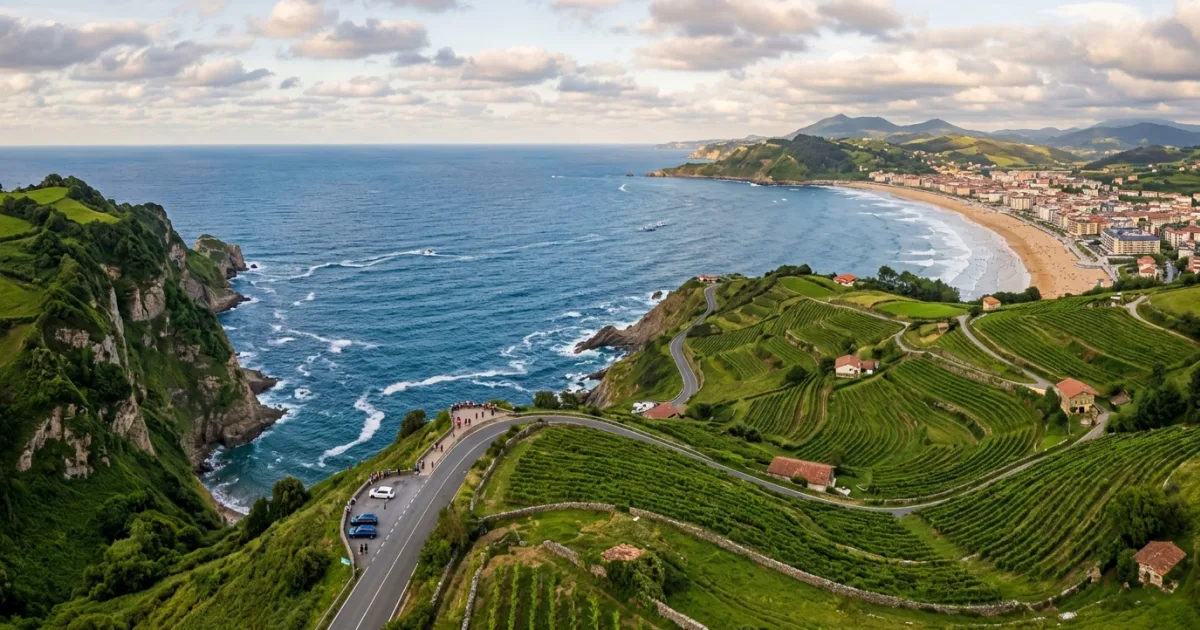
Panoramic coastal landscape of Gipuzkoa showing green cliffs, ocean waves, and hillside vineyards in Spain

Gipuzkoa Overview & Key Highlights

Gipuzkoa is the smallest yet most densely packed province in Spain, anchoring the northeastern corner of the Basque Country along the Bay of Biscay. Framed by rugged Pyrenean foothills and a jagged Atlantic coastline, the territory transitions seamlessly from the belle époque glamour of its capital, Donostia-San Sebastián, to pastoral valleys, working fishing ports like Getaria and Hondarribia, and dramatic geological formations like the Basque Coast Geopark. Its cultural fabric is profoundly rooted in Basque identity (Euskara), reflected in its maritime traditions, ancient cider houses, and an extraordinary density of Michelin-starred restaurants and bustling pintxo taverns. Travelers in Gipuzkoa experience a rare confluence of high gastronomy, outdoor adventure, and deep historical heritage. A well-connected regional transit network allows visitors to hike the coastal stages of the Camino del Norte, surf world-class breaks at Zarautz, and taste crisp Txakoli wine overlooking the ocean within a single day. The oceanic climate maintains lush green landscapes throughout the year, offering an atmospheric northern alternative to the arid plains of southern Spain, ideal for cultural explorers, serious food lovers, and road trippers alike.

Gipuzkoa Travel Guide: Logistics & In-Depth Tips

Gipuzkoa is geographically defined by the clash of limestone peaks and the Cantabrian Sea, establishing a diverse coastal province anchored by deep-rooted Basque identity. Its urban core, Donostia-San Sebastián, is celebrated for its sweeping La Concha promenade, ornate belle époque architecture, and a culinary reputation that draws travelers from across the globe. Just beyond the city limits, the coastline gives way to sheer coastal cliffs, rolling hills planted with Hondarrabi Zuri vines, and historic fishing harbors where maritime traditions continue unbroken.

Inland Gipuzkoa reveals a tranquil, pastoral atmosphere dominated by green river valleys, medieval market towns such as Tolosa, and protected natural parks like Aralar and Aizkorri-Aratz. The Basque language, Euskara, is spoken natively across town squares and family-run taverns, fostering an authentic cultural atmosphere. Whether traversing the coastal Flysch rock formations between Zumaia and Deba or sharing wood-fired steaks in traditional cider houses, Gipuzkoa provides an immersive blend of natural beauty and profound cultural heritage.

Reasons to Visit

  • World-class gastronomy ranging from neighborhood pintxo bars to three-star Michelin institutions.
  • The dramatic geological Flysch cliffs and beaches of the UNESCO Basque Coast Geopark.
  • Scenic coastal hiking along the historic Camino del Norte trail overlooking the Atlantic Ocean.
  • Charming, well-preserved historic maritime ports like Hondarribia, Getaria, and Pasai Donibane.
  • Authentic rural traditions, including centuries-old cider houses (sagardotegiak) and Idiazabal cheese making.

Things to Avoid

  • Avoid treating pintxo bars like sit-down dinner spots; the local custom is to enjoy one or two pintxos and a small drink before moving to another venue.
  • Do not rely entirely on sunny weather forecasts; the northern Atlantic climate brings sudden showers, so pack wet-weather gear even in summer.
  • Avoid assuming all Basque Country locations operate on typical Spanish dining hours; many smaller village kitchens close lunch service promptly by 3:30 PM.
  • Do not ignore beach safety flags, as Atlantic swells produce intense undercurrents along the open coast.

Local Transportation Tips

Gipuzkoa boasts an efficient, integrated public transit infrastructure. The regional Euskotren narrow-gauge rail network connects San Sebastián with coastal communities including Zarautz, Zumaia, and Deba, continuing on toward Bilbao. Complementing the rail lines, Lurraldebus operates an extensive regional bus network linking inland towns, mountain valleys, and rural villages. City transport within San Sebastián is managed by Dbus, a punctual municipal bus network. Purchasing an anonymous, reloadable Mugi Card at kiosks or stations ensures substantial fare reductions across all transit operators in the province.

Travel Etiquette

  • Greet shopkeepers and bartenders with a friendly 'Kaixo' (Basque for hello) or 'Buenos días'.
  • In traditional pintxo bars, place used paper napkins in the bins under the counter or directly on the bar floor only if you notice locals doing so, though contemporary spots prefer counter bins.
  • Do not touch counter pintxos with your bare fingers; always use the provided tongs or ask the staff for a plate.
  • Respect local political and cultural sensitivities by honoring the distinct Basque heritage and avoiding dismissive comparisons to standard Spanish customs.

Recommended Age Group

Gipuzkoa provides rewarding experiences across all generations, though specific terrains and travel tempos determine suitability.

  • Babies (0-2 years): Neutral. Paved coastal promenades in San Sebastián and Zarautz are stroller-friendly, though medieval cobblestone streets, packed pintxo taverns, and steep hillside trails require carrying infants in slings or backpacks.
  • Kids (3-12 years): Recommended. Safe sandy beaches, the San Sebastián Aquarium, funicular rides up Monte Igueldo with vintage amusements, and interactive maritime museums provide engaging family outings.
  • Teens (13-19 years): Recommended. Active teenagers will thrive on world-class surfing camps in Zarautz, coastal sea kayaking, cycling routes, and atmospheric urban wandering.
  • Adults (20-64 years): Recommended. Ideal for food lovers, wine enthusiasts, hikers, and cultural travelers seeking an exceptional blend of Michelin dining, cider culture, and dramatic coastal landscapes.
  • Seniors (65+ years): Recommended. Flat seaside walking boulevards, dependable public transit, comfortable boutique hotels, and rich historical heritage offer a relaxed, accessible travel experience.

Accessibility Level: Medium

  • San Sebastián features wide, barrier-free promenades along La Concha, Zurriola, and Ondarreta beaches with ramp access.
  • Euskotren trains and Lurraldebus regional fleets are generally equipped with low-floor entry and dedicated wheelchair bays.
  • Historic quarters like Parte Vieja in San Sebastián and the medieval core of Hondarribia have flat stone paving, though narrow doorways in older taverns can present tight turning radiuses.
  • Major cultural institutions like the San Telmo Museum, Cristóbal Balenciaga Museum, and Chillida Leku sculpture park offer full wheelchair accessibility and adapted facilities.

Did You Know?

The small coastal town of Getaria in Gipuzkoa was the birthplace of Juan Sebastián Elcano, the navigator who completed the very first circumnavigation of the Earth in 1522 aboard the Victoria after Ferdinand Magellan was killed in the Philippines. It is also the birthplace of legendary fashion designer Cristóbal Balenciaga, celebrated today by an eponymous museum overlooking the harbor.

Cool Statistics

  • Covering roughly 1,997 square kilometers, Gipuzkoa is the smallest province in all of Spain by land area.
  • Home to one of the highest concentrations of Michelin stars per capita anywhere in the world.
  • More than 50% of the local population speaks Euskara, one of Europe's oldest pre-Indo-European isolate languages.
  • Features over 86 kilometers of scenic coastline along the Bay of Biscay.

Address:

Gipuzkoa, Spain

Find Nearby Accommodations

Basic Info

address icon

COUNTRY & Region

Spain,
Europe

ACCESSIBILITY LEVEL​

Medium
Currency icon

LOCAL CURRENCY​

Euro (EUR)
Price level icon
High
Safety Level icon

SAFETY LEVEL

Duration icon

Recommended Duration

• 1-7 days
• More than a week

Electricity

electricity icon

Electricity

220-240V, 
50Hz
Plug Socket icon

Plug Type

• Type C (Round pin)
• Type F (Two round pins with earth clips)
Plug types
Click To View Plug Types
Gipuzkoa is part of our
Coolcation collection

Activities To Do In Gipuzkoa

Best Time To Visit Gipuzkoa

Gipuzkoa enjoys a temperate maritime climate characterized by mild winters, warm summers, and regular rainfall across all seasons.

  • May to June: Excellent for mild weather, lush spring landscapes, fewer crowds, and pleasant hiking conditions along the coast.
  • July to August: Prime beach and water sports weather with peak cultural festivals, though summer visitor numbers and accommodation rates reach their zenith.
  • September to October: The golden window for gastronomy and wine, featuring warm sea temperatures, the Txakoli harvest, and significantly quieter towns.
  • November to April: Cooler, rainier months ideal for experiencing traditional cider house season (Txotx) in Astigarraga and tranquil cultural touring.

Average Temperatures Per Month

Remember to check the weather forecast a few days before the trip and before heading to the airport.

Safety Level icon

Safety Level

Gipuzkoa is one of the safest regions in southern Europe with minimal violent crime. In busy tourist spots such as San Sebastián's Parte Vieja, keep an eye on belongings in crowded bars to prevent opportunistic pickpocketing. Coastal hikers should exercise caution near wet cliffs and heed beach flags due to strong Atlantic rip currents.

The rating is based on multi-year peace, crime, and security indices. Before you go, always verify current conditions through official government travel advisories.

Emergency Numbers

Police: 112
Ambulance: 112

No internet needed • Includes local translations • Free for TravelingWiz readers

Spoken Languages

Basque (Euskara), Spanish

Learn The Language

  • Kaixo — Hello
  • Eskerrik asko — Thank you
  • Mesedez — Please
  • Agur — Goodbye
  • Bai / Ez — Yes / No
  • Zenbat balio du? — How much does it cost?
  • Topa! — Cheers!
  • Non dago…? — Where is…?
Travel Booking Partner - TravelingWiz

Trip Cost & Budgeting for Gipuzkoa, 2026

Everything you need to know about money while traveling
Is Gipuzkoa expensive for tourists in 2026? Yes, Gipuzkoa is considered one of the pricier destinations in Spain due to popular hotspots like San Sebastián. Travelers can expect to pay around €2.00 for a coffee, €3.50 for a local beer, and €20.00 for a main meal. Our team relies on Human Verified prices to provide reliable cost estimates for your trip. Use the data table below to calculate your specific daily budget based on your travel style.
Currency icon

LOCAL CURRENCY​:

Euro (EUR)
Price level icon
High
Credit cards are accepted nearly everywhere, though small cash is useful for traditional pintxos bars.

Per person, per day – pocket cash for small purchases.

Local: 12
Euro (EUR)
≈ 38 USD

Full daily spend estimation (accommodation, food, transportation, attractions).

Travel Style
Euro (EUR)
≈ USD ($)
Budget
65
92
Mid-range
115
175
Comfort
250
370

The Prices, Daily costs, and calculator results are estimates for planning purposes only. Actual costs may vary based on season, booking timing, personal spending habits, and currency fluctuations. TravelingWiz cannot be held responsible for discrepancies between these estimates and your final trip expenses.

  • • Take advantage of lunchtime menu del día deals offering three courses with wine at affordable rates.
  • • Try pintxos hopping in local neighborhood bars away from San Sebastián's main tourist streets for better prices.
  • • Use the MUGI transit card for discounted public transportation across bus and train networks in Gipuzkoa.
  • • Explore free outdoor attractions like La Concha promenade and Mount Urgull to save on sightseeing costs.

Pre-Order Tickets

Avoid disappointment when tickets sell out — and skip the long lines by booking online in advance. You’ll often save up to 20% too.
Save up to 20%

Travel Discounts & Coupons

Save on hotels, attractions, transport, and gear — find verified discounts for smarter travel spending.
Verified Coupons

What To Pack

  • Waterproof, breathable jacket (chubasquero) for frequent Atlantic drizzle (sirimiri).
  • Sturdy walking shoes or trail runners with excellent grip for wet cobblestones and coastal cliff paths.
  • Layers including light wool or fleece sweaters, as coastal breezes drop temperatures quickly in the evening.
  • Swimwear and a quick-dry microfiber towel for spontaneous beach swims and surf sessions.
  • Type C/F electrical plug adapter and a portable power bank for long days traversing rail and bus networks.
  • A reusable water bottle to take advantage of clean, potable public mountain fountains.
We couldn't find tips for Gipuzkoa.
If you got any, please share

Recommended Itineraries for Traveling to Gipuzkoa

We couldn't find itineraries for Gipuzkoa.
you can contact us for custom trip plan

Food & Drink Highlights

Local Food Overview

Gastronomy in Gipuzkoa is an elemental expression of Basque geography, balancing fresh bounty from the Bay of Biscay with mountain produce. Dining centers on pintxos—intricately composed small bites served on bar counters—alongside wood-grilled whole fish like turbot (rodaballo) in coastal fishing hamlets like Getaria. The interior valleys are famous for Idiazabal smoked sheep's milk cheese, Tolosa black beans, and rustic sidrerías (cider houses) where txuleton (aged ribeye steaks) are carved alongside bottomless pours of tart Basque cider straight from the barrel.
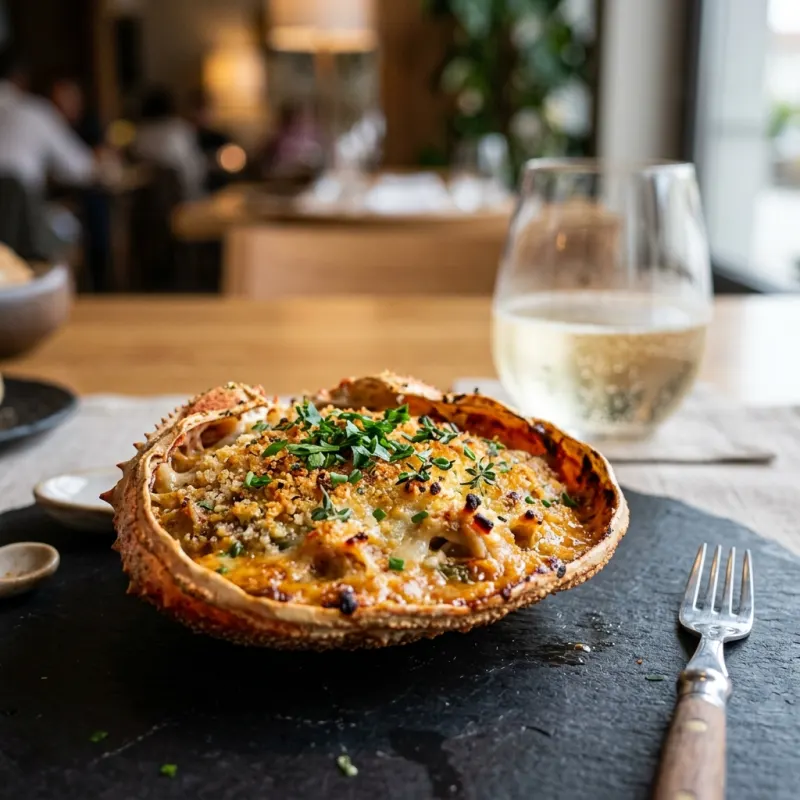
Txangurro a la Donostiarra baked spider crab dish in Basque Country

Must Try Dish

Txangurro a la Donostiarra - Shredded spider crab meat sautéed with onions, leeks, brandy, and ripe tomatoes, returned to its own shell and baked under a golden crust of breadcrumbs and butter.
Food Experiences Title Icon

Food
Experiences

Discover cooking classes, tastings and local food tours

No food experience found

Related Tour Guides

Mateo Ferri -tour guide
Mateo Ferri
Spain Expert
Ana Maria Galera Lopez - tour guide
Ana Maria Galera López
Spain Expert
Anabel Arco Sola - tour guide
Anabel Arco Sola
Spain Expert
Ana Maria Soler Machirant - tour guide
Ana Maria Soler Machirant
Spain Expert
Maya, the human travel expert at TravelingWiz, offering curated, non-AI expertise

Maya’s Final Checklist for Gipuzkoa

Logistics shouldn’t be the focus of your trip—the experience should. I’ve hand-vetted these essential partners to ensure your arrival, stay, and exploration are as smooth as an Athenian breeze.

Where to Stay

From boutique hotels to local apartments—compare thousands of options and find the perfect stay in the best neighborhood.

Air Travel

Getting there should be seamless. Compare the best routes and prices across top airlines to start your journey on the right note.

Local Guides

Connect with experts who know the destination best. Get personalized advice and insider tips to help you plan your perfect trip.

Travel Protection

The “Engineer’s” rule: always have a backup. Secure your trip with a plan that covers every “what if” and unexpected change.

Car Rentals

Explore at your own pace with total freedom. Compare reliable rental options and find the right vehicle for your adventure.

Visa Services

Don’t let paperwork slow you down. Get expert assistance with your application to ensure all your entry documents are in order.

FAQs

English is widely spoken in hotels, restaurants, and tourism establishments in San Sebastián and larger coastal towns. In rural interior villages, Spanish and Basque dominate, though locals are welcoming and helpful with basic gestures.
A car is not required for the main coastal hubs and San Sebastián, which are connected by frequent Lurraldebus lines and the Euskotren railway. However, renting a car provides far greater freedom to reach inland nature reserves, remote mountain valleys like Goierri, and hidden cider houses.
Take a plate from the counter staff, select cold pintxos directly, and order hot items (pintxos calientes) verbally from the bartender. Keep track of what you consume and pay your total tab when you are finished or prepare to move to the next venue.

Your Insights Matter

TravelingWiz grows through the stories of our community. If you’ve recently explored ,Gipuzkoa share your tips and stories to help us perfect our guides for the next traveler.

Related Articles

Check out our related articles and blog posts to learn even more about the destination.

No related articles found

Don’t Travel Alone

Share with your friends and family

Where should we send your offline card?

We hate spam just as much as you do

newsletter_consent *