Low – budget‑friendly basics
Medium – moderate mid‑range costs
High – pricey lodging, dining & transport
Disclosure: This site contains affiliate links. We may earn a commission if you make a purchase, at no extra cost to you.
Low – budget‑friendly basics
Medium – moderate mid‑range costs
High – pricey lodging, dining & transport
5 shields = Excellent – very low crime or conflict.
4 shields = Safe – low risk, routine care.
3 shields = Relatively safe – use normal street smarts.
2 shields = Use caution – higher crime or periodic unrest.
1 shields = Avoid – active conflict or extreme danger.
Scores are derived from multi-year peace, homicide and security indices blended into a single 1-to-5 scale.
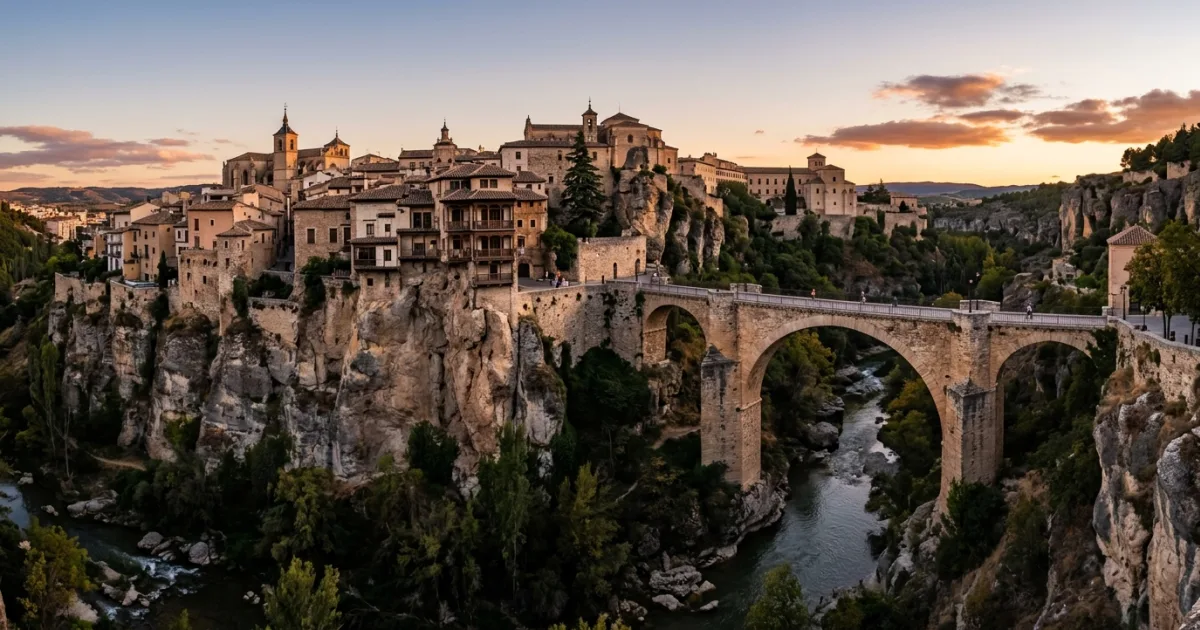
The Province of Cuenca sits in eastern-central Spain within the autonomous community of Castilla-La Mancha. Marked by jagged limestone karst formations, vast pine forests, and dramatic river gorges, the province bridges the high plains of La Mancha with the rugged Serranía de Cuenca mountains. Its provincial capital, Cuenca, contains a UNESCO World Heritage historic center famous for its 15th-century Casas Colgadas (Hanging Houses) perched daringly over the steep Huécar canyon. Beyond its architectural marvels, Cuenca province serves as an expansive haven for nature lovers and history enthusiasts. Visitors encounter geological wonders such as the labyrinthine rock fields of the Ciudad Encantada, Roman ruins at Segóbriga, and serene river valleys formed by the Júcar and Cabriel rivers. Traveling through this territory exposes visitors to centuries-old pastoral traditions, fortified hillside villages, hearty Castilian gastronomy, and some of the cleanest, lowest-light-pollution night skies in Western Europe.
The Province of Cuenca encompasses over 17,000 square kilometers across the eastern half of Castilla-La Mancha. It presents two distinct topographies: the undulating southern agricultural plains of La Mancha, known for vineyards and cereal fields, and the elevated, forested limestone plateau of the Serranía de Cuenca to the north and east. The provincial capital sits dramatically at the confluence of the Júcar and Huécar river gorges, where medieval masonry buildings cling to vertical cliff faces.
Historically, the area was populated by Celtic tribes before becoming a crucial Roman outpost, as evidenced by the preserved amphitheater, theater, and baths at Segóbriga. Under Islamic rule, the fortress of Kunka was erected, later captured by King Alfonso VIII in 1177. Today, Cuenca stands as an exceptional cultural crossroad where world-class modern abstract art museums coexist with Gothic ecclesiastical architecture and unspoiled natural reserves designated as Starlight Astronomical Destinations.
Public urban bus lines 1 and 2 operate frequently between the Cuenca Fernando Zóbel AVE rail station, the lower modern town, and the upper Plaza Mayor. For traversing the broader province, regional bus operators (such as Monbus and AISA) link key towns, but frequencies to natural parks can be limited. Renting a vehicle directly at the train station provides the greatest freedom to reach trailheads, archaeological sites, and mountain vantage points.
The Province of Cuenca caters well to curious explorers, though its steep topography warrants specific planning across different stages of life.
The Serranía de Cuenca contains one of the highest concentrations of European black pine and Scots pine forests in Western Europe, maintaining vast ecosystems that support Iberian ibex, griffon vultures, and wild boar.

Cuenca experiences a continental Mediterranean climate characterized by crisp winters and warm, dry summers. High-altitude zones in the mountains offer cool summer relief compared to southern Spain.
| Month | °C | °F |
|---|---|---|
| Jan | 4 | 39 |
| Feb | 7 | 45 |
| Mar | 9 | 48 |
| Apr | 12 | 54 |
| May | 17 | 63 |
| Jun | 21 | 70 |
| Jul | 26 | 79 |
| Aug | 25 | 77 |
| Sep | 19 | 66 |
| Oct | 15 | 59 |
| Nov | 9 | 48 |
| Dec | 6 | 43 |
Remember to check the weather forecast a few days before the trip and before heading to the airport.
5 shields = Excellent – very low crime or conflict.
4 shields = Safe – low risk, routine care.
3 shields = Relatively safe – use normal street smarts.
2 shields = Use caution – higher crime or periodic unrest.
1 shields = Avoid – active conflict or extreme danger.
Scores are derived from multi-year peace, homicide and security indices blended into a single 1-to-5 scale.
The rating is based on multi-year peace, crime, and security indices. Before you go, always verify current conditions through official government travel advisories.
No internet needed • Includes local translations • Free for TravelingWiz readers

Low – budget‑friendly basics
Medium – moderate mid‑range costs
High – pricey lodging, dining & transport
Per person, per day – pocket cash for small purchases.
Full daily spend estimation (accommodation, food, transportation, attractions).
Travel Style | Euro (EUR) | ≈ USD ($) |
|---|---|---|
Budget | 60 | 60 |
Mid-range | 110 | 115 |
Comfort | 240 | 230 |
The Prices, Daily costs, and calculator results are estimates for planning purposes only. Actual costs may vary based on season, booking timing, personal spending habits, and currency fluctuations. TravelingWiz cannot be held responsible for discrepancies between these estimates and your final trip expenses.
Choose a ready-made itinerary, plan your own trip, and keep TravelingWiz by your side while you travel.
Get the TravelingWiz app →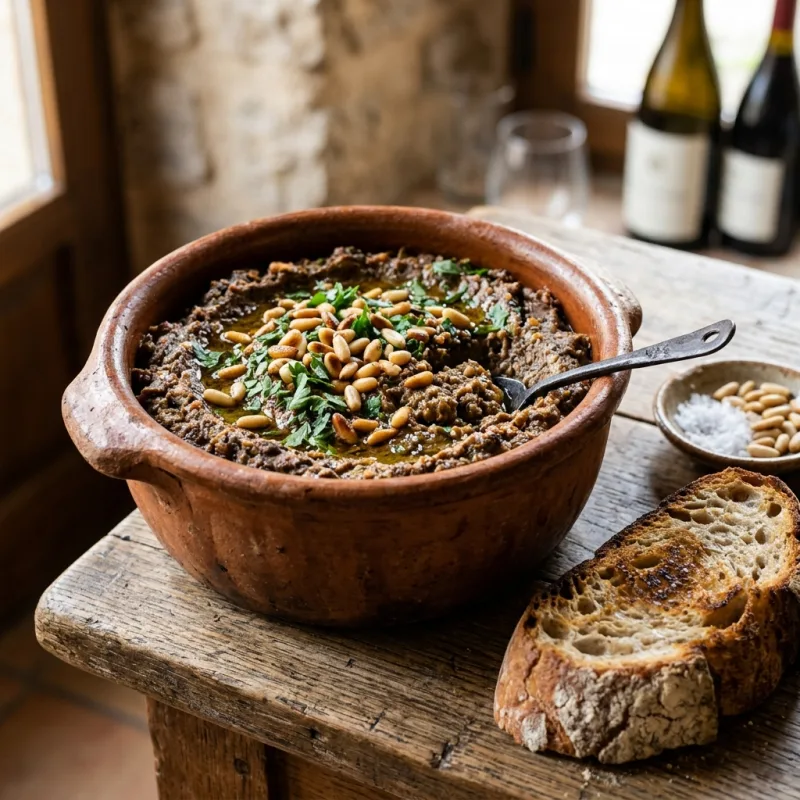
Discover cooking classes, tastings and local food tours
Logistics shouldn’t be the focus of your trip—the experience should. I’ve hand-vetted these essential partners to ensure your arrival, stay, and exploration are as smooth as an Athenian breeze.

Compare accommodation options and choose a stay that suits your plans and budget.
Connect with local guides for personalized help planning and exploring.
The “Engineer’s” rule: always have a backup. Secure your trip with a plan that covers every “what if” and unexpected change.
Don’t let paperwork slow you down. Get expert assistance with your application to ensure all your entry documents are in order.
Check out our related articles and blog posts to learn even more about the destination.
Share with your friends and family