La Latina stands as a testament to Madrid's rich history, with its street layout largely unchanged since medieval times. The neighborhood was originally the site of the city's Islamic fort and later became a bustling commercial hub. Today, it seamlessly blends its historical roots with a vibrant, modern energy. The area is characterized by its narrow, winding streets that suddenly open up into picturesque squares, such as Plaza de la Paja, which was once the main market square of Madrid during the 13th and 14th centuries.
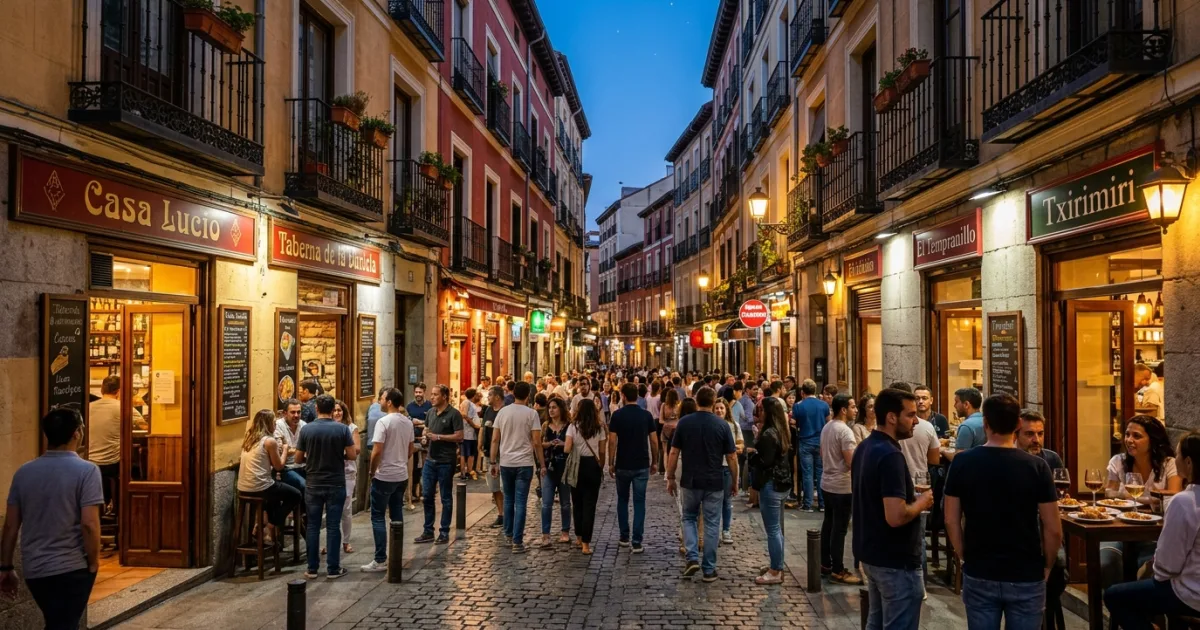
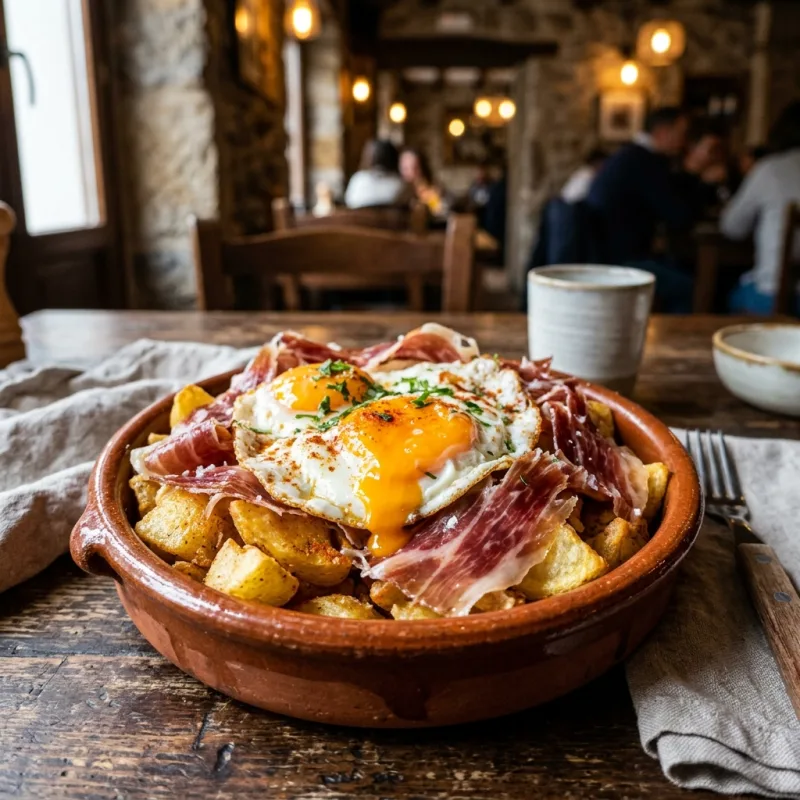
Culinary enthusiasts will find La Latina to be a paradise. The neighborhood is synonymous with 'tapear'—the act of going from bar to bar, enjoying small plates of food with drinks. Beyond the food, La Latina is home to significant cultural landmarks, including the Basilica of San Francisco el Grande, known for its massive dome and paintings by Goya. The neighborhood's bohemian spirit is most palpable on Sundays during the El Rastro market, where locals and tourists alike hunt for antiques, vintage clothing, and unique souvenirs amidst a lively, festive atmosphere.
Reasons to Visit
- Experience the ultimate Madrid tapas crawl along Cava Baja and Cava Alta.
- Shop for unique antiques and vintage goods at the famous El Rastro Sunday market.
- Admire the stunning architecture and Goya paintings at the Basilica of San Francisco el Grande.
- Soak in the local atmosphere at historic squares like Plaza de la Cebada and Plaza de la Paja.
- Enjoy the vibrant nightlife and bohemian vibe that characterizes this historic district.
Things to Avoid
- Avoid carrying valuables in easily accessible pockets, especially during the crowded El Rastro market.
- Don't expect to eat dinner early; most authentic tapas bars and restaurants don't get busy until after 9:00 PM.
- Avoid driving in La Latina, as the streets are narrow, often one-way, and parking is extremely limited.
- Try not to stick only to the main streets; the best hidden gems are often found in the quieter side alleys.
Local Transportation Tips
La Latina is highly walkable, and exploring on foot is the best way to experience its narrow streets and hidden squares. For longer distances, the neighborhood is well-served by Madrid's efficient public transportation system. The La Latina Metro station (Line 5) drops you right in the heart of the district. Additionally, several EMT bus lines run along the perimeter of the neighborhood, making it easy to connect to other parts of the city. Taxis and ride-sharing apps like Uber and Cabify are also readily available.
Travel Etiquette
- When ordering tapas, it is common to stand at the bar rather than sitting at a table.
- Tipping is not strictly required, but leaving small change or rounding up the bill is appreciated for good service.
- Greet shopkeepers and bar staff with a friendly 'Hola' when entering.
- Keep noise levels down if walking through residential streets late at night.
Recommended Age Group
La Latina offers a dynamic and culturally rich experience, though its appeal varies slightly depending on the age and interests of the traveler.
- Babies (0-2 years): Neutral. The cobblestone streets and crowded tapas bars can make navigating with a stroller challenging.
- Kids (3-12 years): Neutral. While the area is safe, the primary attractions are food and nightlife, which may not fully engage younger children.
- Teens (13-19 years): Recommended. The vibrant street life, eclectic El Rastro market, and lively atmosphere appeal to older kids and teenagers.
- Adults (20-64 years): Recommended. The neighborhood is perfect for adults looking to explore culinary scenes, historic sites, and vibrant nightlife.
- Seniors (65+ years): Recommended. The rich history and excellent dining options make it enjoyable, though some uneven streets require comfortable footwear.
Accessibility Level: Medium
- Many of the historic streets in La Latina are narrow, uneven, and paved with cobblestones, which can pose challenges for wheelchair users.
- While newer restaurants and public buildings comply with accessibility standards, some older, traditional taverns may have steps at the entrance and lack accessible restrooms.
- The La Latina Metro station has elevators, making it accessible for travelers with mobility issues.
- During the El Rastro market on Sundays, the streets become extremely crowded, making navigation difficult for those with mobility aids.
Did You Know?
La Latina is named after Beatriz Galindo, a 15th-century writer, humanist, and teacher to Queen Isabella I of Castile. She was so highly educated in Latin that she earned the nickname 'La Latina', which eventually became the name of the neighborhood where she founded a hospital and a convent.
Cool Statistics
- El Rastro, held in La Latina, is the largest open-air flea market in Spain, featuring over 3,000 stalls.
- The dome of the Basilica of San Francisco el Grande is 33 meters in diameter, making it one of the largest in the world.
- Cava Baja, a street just 300 meters long, is home to more than 50 bars and restaurants.
- The neighborhood's street layout dates back to the 9th century when Madrid was an Islamic citadel.









Buy a compatible power adapter for your trip