Malasaña's history is deeply woven into the fabric of Madrid. The neighborhood is named after Manuela Malasaña, a 15-year-old girl who became a heroine and martyr during the Dos de Mayo uprising against Napoleon's French troops in 1808. The central Plaza del Dos de Mayo commemorates this historic rebellion and remains a bustling gathering spot for locals today. Fast forward to the late 1970s and 1980s, Malasaña became the cradle of the Movida Madrileña, a hedonistic cultural wave of music, art, and freedom championed by figures like Pedro Almodóvar. This legacy of rebellion and creativity still pulses through the neighborhood's veins.
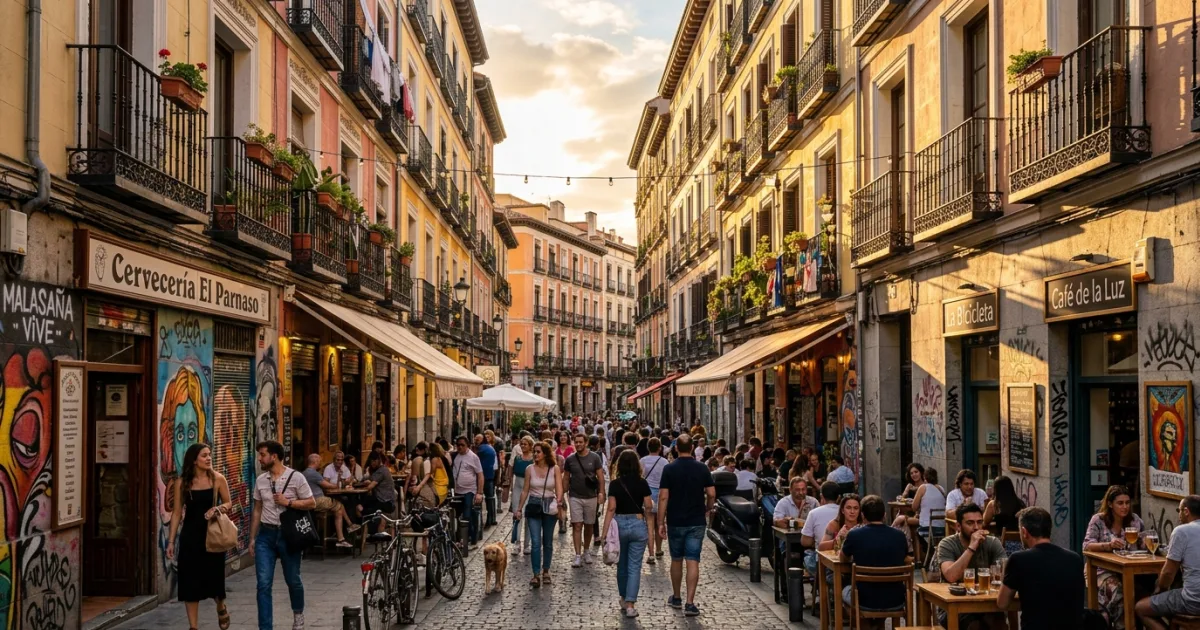
Today, Malasaña is often compared to London's Camden or New York's Williamsburg. It is a labyrinth of narrow streets where traditional Spanish life collides with modern hipster culture. Historic bakeries and century-old pharmacies sit alongside tattoo parlors, comic book stores, and zero-waste boutiques. The area is a paradise for urban explorers; every corner reveals striking street art, hidden courtyards, and independent galleries. Whether you are sipping a flat white in a minimalist cafe or enjoying a late-night concert in a legendary underground venue like El Penta or La Vía Láctea, Malasaña offers an immersive, authentic Madrid experience.
Reasons to Visit
- Vintage Shopping: Streets like Calle Velarde and Calle del Espíritu Santo are packed with some of the best retro clothing and second-hand stores in Europe.
- The Nightlife: From historic dive bars playing 80s Spanish pop to modern mixology lounges, the nightlife here is legendary and goes on until dawn.
- Street Art: The neighborhood is an open-air gallery, featuring vibrant murals, graffiti, and urban art that changes constantly.
- Cafe Culture: It boasts the highest concentration of specialty coffee shops and trendy brunch spots in Madrid.
- Historical Plazas: Plaza del Dos de Mayo and Plaza de San Ildefonso offer perfect spots for people-watching and soaking in the local atmosphere.
Things to Avoid
- Driving: The streets are incredibly narrow, parking is virtually non-existent, and much of the area is restricted to resident vehicles only.
- Early Dinners: Do not expect a vibrant atmosphere if you go out for dinner at 7 PM. Locals eat late; aim for 9 PM or 10 PM for the true experience.
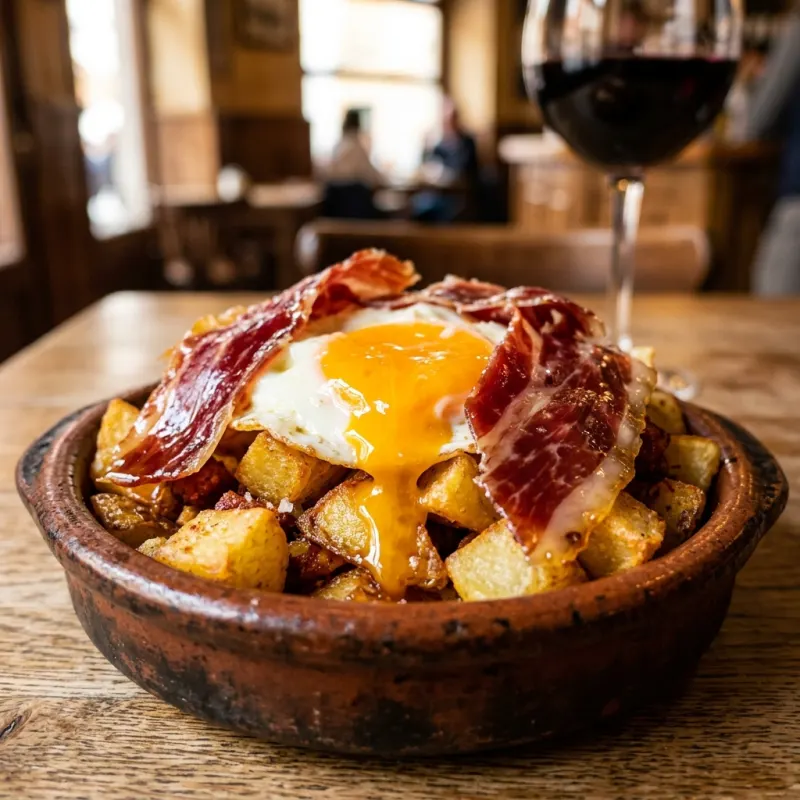
- Tourist Trap Paella: Avoid restaurants on the main thoroughfares displaying large, faded photos of paella. Stick to local taverns for authentic tapas.
- Street Noise: If booking accommodation, avoid exterior rooms on lower floors if you are a light sleeper, as the nightlife noise can be significant.
Local Transportation Tips
Malasaña is incredibly pedestrian-friendly, and walking is by far the best way to explore its narrow, winding streets. If you need to travel further afield, the neighborhood is exceptionally well-connected by the Madrid Metro system. The primary stations serving the area are Tribunal (Lines 1 and 10), Noviciado (Line 2), and San Bernardo (Lines 2 and 4). Public buses also run along the larger bordering streets like Calle de San Bernardo and Calle de Fuencarral. Taxis and ride-sharing apps like Uber and Cabify are readily available, though they may drop you at the edge of the neighborhood due to traffic restrictions on the smaller interior streets.
Travel Etiquette
- Greetings: When introduced to someone in a social setting, it is customary to give 'dos besos' (a light kiss on each cheek, starting with the right).
- Tipping: Tipping is not strictly required, but it is common to leave small change or round up the bill in cafes and bars. For a nice sit-down meal, 5-10% is appreciated.
- Pace of Life: Embrace the Spanish schedule. Lunch is typically between 2 PM and 4 PM, and dinner rarely starts before 9 PM.
- Bar Etiquette: In traditional tapas bars, it is normal for it to be loud and crowded. Do not be afraid to assertively (but politely) catch the bartender's eye to order.
Recommended Age Group
Malasaña's vibrant, fast-paced, and slightly edgy atmosphere makes it a fantastic destination for some, while presenting minor challenges for others.
- Babies (0-2 years): Neutral. While Spaniards are incredibly welcoming to infants, the narrow, often crowded sidewalks and lack of elevators in older buildings can make navigating with a stroller difficult.
- Kids (3-12 years): Neutral. There are a few playgrounds, notably in Plaza del Dos de Mayo, but the neighborhood's primary attractions (shopping, cafes, nightlife) are geared more toward older visitors.
- Teens (13-19 years): Recommended. Teens will love the trendy street art, the abundance of vintage clothing stores, comic book shops, and the overall cool, youthful vibe of the area.
- Adults (20-64 years): Recommended. This is the perfect demographic for Malasaña. Adults can fully appreciate the historic taverns, specialty coffee, boutique shopping, and world-class nightlife.
- Seniors (65+ years): Neutral. The area is highly walkable and rich in history, but the cobblestone streets, late-night noise, and lack of seating in traditional crowded tapas bars might be less comfortable for some older travelers.
Accessibility Level: Medium
- Many of the streets in Malasaña are narrow, and some feature traditional cobblestones, which can be bumpy for wheelchair users.
- While newer cafes, restaurants, and boutiques are required to be wheelchair accessible, many historic taverns and older shops have a step or two at the entrance and lack accessible restrooms.
- The Tribunal Metro station has elevators, making it a good accessible entry point into the neighborhood.
- Plaza del Dos de Mayo and Plaza de San Ildefonso are flat and paved, offering accessible spaces to relax and enjoy the atmosphere.
Did You Know?
Did you know that Malasaña was the absolute epicenter of the 'Movida Madrileña'? This post-dictatorship cultural renaissance in the 1980s birthed a new wave of Spanish punk, rock, and cinema. Legendary bars from that era, such as La Vía Láctea and El Penta, are still open today, playing the exact same music and retaining their original, gritty decor from over 40 years ago.
Cool Statistics
- Malasaña is home to over 100 independent vintage and second-hand boutiques.
- The neighborhood's namesake, Manuela Malasaña, was only 15 years old when she died defending the city in 1808.
- Plaza del Dos de Mayo features a monumental arch that is the actual preserved gateway of the Monteleón artillery barracks from the 1808 uprising.
- The area boasts one of the highest densities of bars and restaurants per square meter in all of Madrid.









Buy a compatible power adapter for your trip