Disclosure: This site contains affiliate links. We may earn a commission if you make a purchase, at no extra cost to you.
Merida, Spain

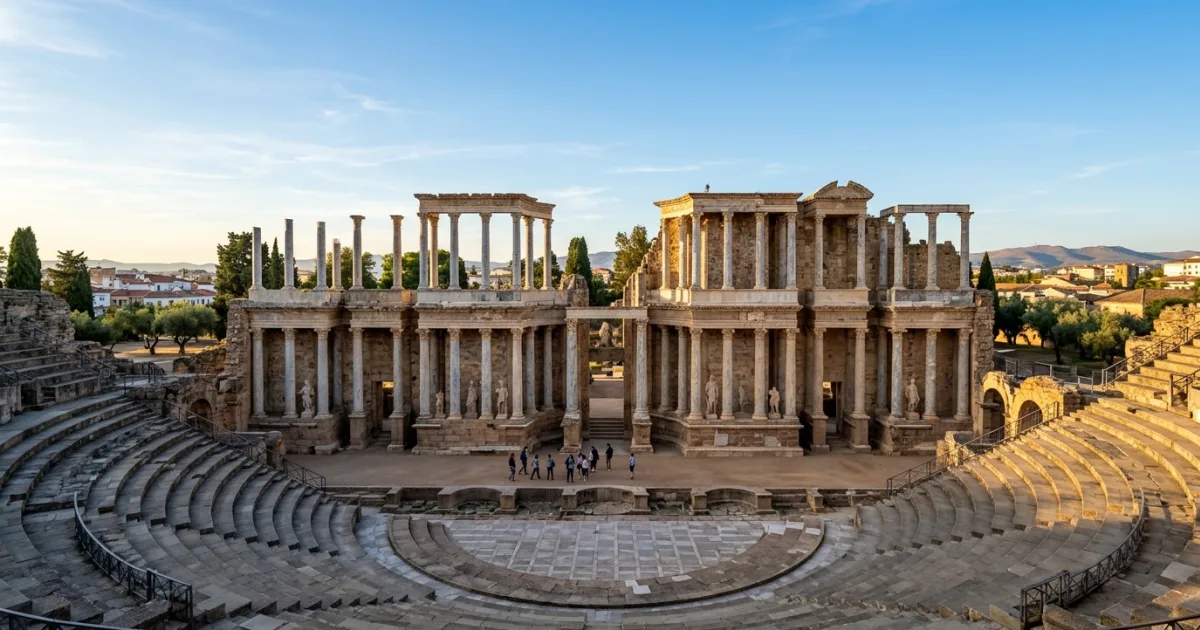
The ancient Roman Theatre of Merida Spain with Corinthian columns and stone seating under golden hour sunlight

Basic Info

COUNTRY & Region

Spain,
Europe

ACCESSIBILITY LEVEL​

  • High: Widely accessible with good facilities for disabilities.
  • Medium: Some accessible options, but limitations exist.
  • Low: Limited accessibility; many barriers for disabilities.
Medium

LOCAL CURRENCY​

Euro (EUR)

Price Level

Low – budget‑friendly basics

Medium – moderate mid‑range costs

High – pricey lodging, dining & transport

Medium

SAFETY LEVEL

5 shields = Excellent – very low crime or conflict.

4 shields = Safe – low risk, routine care.

3 shields = Relatively safe – use normal street smarts.

2 shields = Use caution – higher crime or periodic unrest.

1 shields = Avoid – active conflict or extreme danger.

Scores are derived from multi-year peace, homicide and security indices blended into a single 1-to-5 scale.

Recommended Duration

1-7 days, Full day

Merida, Spain Overview & Key Highlights

Mérida stands as Spain's premier living testament to the Roman Empire, established in 25 BC by Emperor Augustus as Augusta Emerita. Situated along the Guadiana River in Extremadura, this UNESCO World Heritage city contains one of the largest and best-preserved archaeological ensembles on the European continent. Visitors can step directly from modern urban thoroughfares into monumental Roman plazas, marveling at the towering granite colonnades of the Temple of Diana, the cavernous Roman Circus, and the iconic Roman Theatre, which continues to host classical open-air drama performances over two millennia after its inception. Beyond its monumental classical heritage, Mérida reveals an authentic, relaxed pace of western Spanish life devoid of overwhelming tourist crowds. The city's walkable historic core connects ancient Roman vestiges with the 9th-century Moorish Alcazaba fortress, leading down to idyllic riverbank parks flanking the massive 60-arch Roman Bridge. Traditional taverns throughout the center proudly highlight Extremadura's legendary gastronomic heritage, offering acorn-fed Iberian ham, rich sheep cheeses, and robust local wines in an environment that blends timeless history with genuine warmth.

Merida, Spain Travel Guide: Logistics & In-Depth Tips

Mérida, the capital of Extremadura, was founded in 25 BC by Roman Emperor Augustus under the name Colonia Augusta Emerita. Designated as a retirement settlement for veteran soldiers of the V Alaudae and X Gemina legions, the colony quickly became the political, cultural, and economic capital of the Roman province of Lusitania. Today, Mérida stands as an open-air museum, where soaring columns, grand arenas, and underground crypts coexist seamlessly with modern Spanish civic life.

Recognized as a UNESCO World Heritage site in 1993, the Archaeological Ensemble of Mérida encompasses an unmatched density of monuments. Highlights include the Roman Theatre, featuring its breathtaking two-tiered stage backdrop; the adjoining Amphitheatre, once home to gladiatorial battles; and the Temple of Diana, integrated into a Renaissance palace. Complementing these antiquity landmarks are the dramatic Islamic Alcazaba, constructed in 835 AD, and Rafael Moneo's acclaimed National Museum of Roman Art, making Mérida an essential cultural pilgrimage for heritage enthusiasts.

Reasons to Visit

  • World-Class Roman Architecture: Behold Spain's finest classical monuments, including the best-preserved Roman theater and monumental aqueducts in Europe.
  • UNESCO World Heritage Status: Wander across an immense archaeological network spanning temples, private villas, circuses, and fortresses.
  • Classical Theatre Festival: Experience live Greco-Roman drama performed on the authentic Roman stage during the summer festival.
  • Authentic Extremaduran Cuisine: Taste world-class jamón ibérico, Torta del Casar cheese, and regional wines at unpretentious local prices.
  • Stress-Free Exploration: Avoid the massive tourist crowds typical of coastal cities while enjoying a walkable, hospitable environment.

Things to Avoid

  • Midday Summer Sun: Avoid open archaeological sites between 13:00 and 17:00 from June to August, when temperatures frequently spike past 40°C.
  • Unsuitable Footwear: Avoid thin-soled flip-flops or high heels; navigating ancient flagstones, gravel pathways, and Roman steps requires solid support.
  • Single-Site Admissions: Avoid purchasing individual monument tickets; the Consortium combined pass offers vastly superior value across all primary sites.
  • Ignoring Siesta Hours: Avoid planning shopping or museum trips during the traditional afternoon siesta window when smaller shops close.

Local Transportation Tips

Mérida's central core is exceptionally pedestrian-friendly, with almost all archaeological monuments, hotels, and restaurants located within a 1.5-kilometer radius. For trips to outlying sites such as the Roman Circus or the Prosérpina reservoir, reliable local urban buses (Urbanos de Mérida) operate regularly across multiple lines. Taxis are stationed at the train station and Plaza de España, with regulated, inexpensive meter fares. For regional connections, Mérida's central railway station provides regular Renfe train routes to Madrid, Seville, Cáceres, and Badajoz.

Travel Etiquette

  • Dining Hours: Match local schedules; lunch typically runs from 14:00 to 16:00, while dinner rarely begins before 21:00.
  • Monument Respect: Never climb on fragile ancient Roman walls, touch historic marble sculptures, or remove stone fragments from archaeological grounds.
  • Tipping Practices: Leaving 5% to 10% in cash for good table service is appreciated but entirely discretionary.
  • Courteous Greetings: Offer a polite 'Buenos días' or 'Buenas tardes' when entering stores, cafés, or hotel lobbies.

Recommended Age Group

Mérida offers an enriching travel experience tailored primarily to those who appreciate outdoor historic exploration and cultural discoveries.

  • Babies (0-2 years): Neutral. Ancient cobblestone streets and rugged archaeological terrain can be difficult to navigate with traditional strollers, making a sturdy baby carrier essential.
  • Kids (3-12 years): Recommended. Children are fascinated by gladiator stories at the Roman Amphitheatre, running the grounds of the Roman Circus, and walking along castle battlements.
  • Teens (13-19 years): Recommended. High educational value, impressive monumental photography spots, and immersive storytelling bring classical ancient history alive.
  • Adults (20-64 years): Recommended. Ideal for architectural appreciation, fine dining, wine tasting, and relaxed evening strolls through illuminated historic plazas.
  • Seniors (65+ years): Recommended. The flat terrain along the river and compact city footprint make sightseeing accessible, provided visitors avoid midday summer heat and use paved paths.

Accessibility Level: Medium

  • The National Museum of Roman Art features elevators, accessible ramps, and broad corridors accommodating standard and motorized wheelchairs.
  • The Roman Theatre and Amphitheatre complex provides designated ramped wooden boardwalks leading to ground-level viewing areas of the orchestra and stage.
  • The historic city center has undergone extensive pedestrianization, offering smooth curb cuts and level promenades around Plaza de España.
  • Certain ancient stone pathways within archaeological zones contain irregular flagstones and gravel that may require assistance for manual wheelchair users.

Did You Know?

The Puente Romano (Roman Bridge) spanning the Guadiana River in Mérida is one of the longest surviving bridges from antiquity. Stretching nearly 800 meters across 60 stone arches, this engineering marvel supported regular vehicular and pedestrian traffic continuously for nearly two millennia until it was fully pedestrianized in 1991.

Cool Statistics

  • Over 2,040 Years: Continuous history since its founding by Emperor Augustus in 25 BC.
  • 792 Meters: Length of the ancient granite Roman Bridge across the Guadiana River.
  • 6,000 Spectators: Seating capacity of the Roman Theatre of Mérida when fully utilized in antiquity.
  • 30,000 Spectators: Historic capacity of Mérida's Roman Circus, one of the grandest in the entire Roman world.

Find Nearby Accommodations

Electricity

220-240V, 
50Hz

Plug Type

Type C (Round pin), Type F (Two round pins with earth clips)
Plug types
Click To View Plug Types
Merida, Spain is part of our
Accessible Travel collection

Activities To Do In Merida, Spain

Best Time To Visit Merida, Spain

Mérida experiences an inland Mediterranean climate characterized by scorching summers and mild, crisp winters. Spring and autumn provide the optimal meteorological conditions for unhurried walking exploration of open-air archaeological complexes.

  • March to May: Ideal visiting conditions with daytime temperatures ranging from 18°C to 25°C, lush green countryside, and minimal rainfall.
  • July and August: Extremely hot with temperatures often exceeding 38°C to 40°C; visit early morning or late evening, especially to attend the prestigious International Classical Theatre Festival held in the Roman Theatre.
  • September to November: Superb autumn weather with pleasant cooling temperatures, vibrant cultural events, and comfortable sightseeing conditions.
  • December to February: Crisp and quiet winter period featuring cool days around 12°C to 15°C and peaceful access to archaeological sites.

Average Temperatures Per Month

Average monthly temperaturesMonthly source values, with Celsius and Fahrenheit equivalents in the following data table.0°32°9°48°18°64°26°79°35°95°JanJan: 8°C / 46°FFebFeb: 11°C / 52°FMarMar: 13°C / 55°FAprApr: 16°C / 61°FMayMay: 20°C / 68°FJunJun: 24°C / 75°FJulJul: 29°C / 84°FAugAug: 28°C / 82°FSepSep: 23°C / 73°FOctOct: 19°C / 66°FNovNov: 13°C / 55°FDecDec: 10°C / 50°F
View temperature data
Average monthly temperatures
Month°C°F
Jan846
Feb1152
Mar1355
Apr1661
May2068
Jun2475
Jul2984
Aug2882
Sep2373
Oct1966
Nov1355
Dec1050

Remember to check the weather forecast a few days before the trip and before heading to the airport.

Safety Level

5 shields = Excellent – very low crime or conflict.

4 shields = Safe – low risk, routine care.

3 shields = Relatively safe – use normal street smarts.

2 shields = Use caution – higher crime or periodic unrest.

1 shields = Avoid – active conflict or extreme danger.

Scores are derived from multi-year peace, homicide and security indices blended into a single 1-to-5 scale.

Mérida is one of the safest cities in Spain, maintaining low rates of violent crime and a peaceful, family-oriented atmosphere. Standard urban awareness is sufficient when navigating crowded public plazas or during major festive events. The primary hazard during the summer months is extreme heat and dehydration; always carry water and seek shade between 13:00 and 17:00.

The rating is based on multi-year peace, crime, and security indices. Before you go, always verify current conditions through official government travel advisories.

Emergency Numbers

Police: 112
Ambulance: 112

No internet needed • Includes local translations • Free for TravelingWiz readers

Spoken Languages

Spanish (Castilian)
Travel Booking Partner - TravelingWiz

Learn The Language

  • Hola: Hello
  • Por favor: Please
  • Gracias: Thank you
  • ¿Cuánto cuesta?: How much does it cost?
  • ¿Dónde está el teatro romano?: Where is the Roman theatre?
  • La cuenta, por favor: The bill, please
  • Una caña, por favor: A small draught beer, please
  • Adiós: Goodbye

Trip Cost & Budgeting for Merida, Spain, 2026

Everything you need to know about money while traveling
Is Merida, Spain expensive for tourists in 2026? No, Merida remains an affordable Spanish destination for travelers exploring Roman ruins and Extremaduran culture. Based on Human Verified prices, you can expect to pay around 1.80 EUR for a morning coffee, 2.20 EUR for a local draught beer, and 14 EUR for a solid mid-range restaurant meal or menu del dia. Use the data table below to calculate your specific daily budget based on your travel style.

LOCAL CURRENCY​:

Euro (EUR)

Price Level:

Low – budget‑friendly basics

Medium – moderate mid‑range costs

High – pricey lodging, dining & transport

Medium

Cards Vs. Cash

Credit cards are widely accepted across Merida, though carrying small cash is helpful for tiny tapas bars.

How Much Cash to Carry (on you)

Per person, per day – pocket cash for small purchases.

Local: 11
Euro (EUR)
≈ 55 USD

Average Daily Costs (per person)

Full daily spend estimation (accommodation, food, transportation, attractions).

Travel Style
Euro (EUR)
≈ USD ($)
Budget
60
60
Mid-range
110
115
Comfort
240
240
Note

The Prices, Daily costs, and calculator results are estimates for planning purposes only. Actual costs may vary based on season, booking timing, personal spending habits, and currency fluctuations. TravelingWiz cannot be held responsible for discrepancies between these estimates and your final trip expenses.

Best Value Tips

  • • Buy the combined tourist ticket to access all major Roman archaeological sites at a single discounted price.
  • • Take advantage of the lunch menu del dia, which offers three courses including bread and a beverage for a fixed price.
  • • Explore the compact historic center on foot to eliminate daily public transport expenses.
  • • Visit local neighborhood tapas bars where small complimentary bites are often served alongside affordable drinks.

Tours & Tickets

Explore tours, attractions, and ticket options to plan your visit.
Plan ahead

Travel Offers & Coupons

Browse travel offers and coupons from our affiliate partners.
Affiliate partner offers

What To Pack

  • Sturdy walking shoes with non-slip soles for navigating uneven Roman flagstones and cobblestones
  • Wide-brimmed sun hat, polarized sunglasses, and broad-spectrum sunscreen for intense Iberian sunshine
  • Refillable insulated water bottle to maintain hydration during extensive outdoor site visits
  • Light, breathable natural fiber clothing for warm daytime excursions, plus a medium layer for brisk evening temperatures
  • Compact universal power adapter compatible with European Type C and F sockets
  • Lightweight daypack to secure personal belongings, camera equipment, and site passes
Only the good stuff!
Browse recommended travel gear
Check out our free packing list tool

Recommended Itineraries for Traveling to Merida, Spain

Take your itinerary with you

Choose a ready-made itinerary, plan your own trip, and keep TravelingWiz by your side while you travel.

Get the TravelingWiz app

Food & Drink Highlights

Local Food Overview

Gastronomy in Mérida is deeply rooted in the agricultural bounty of Extremadura, universally recognized for its pasture-raised Iberian pork, artisanal sheep cheeses, and sun-ripened olive oils. Traditional cooking relies on robust, comforting flavors with staples like pimentón de la Vera (smoked paprika) and wild game. Dining culture centers around lively taperías where plates of Jamón Ibérico de Bellota are carved fresh and served alongside regional Torta del Casar cheese and crisp Guadiana basin wines.

Must Try Dish

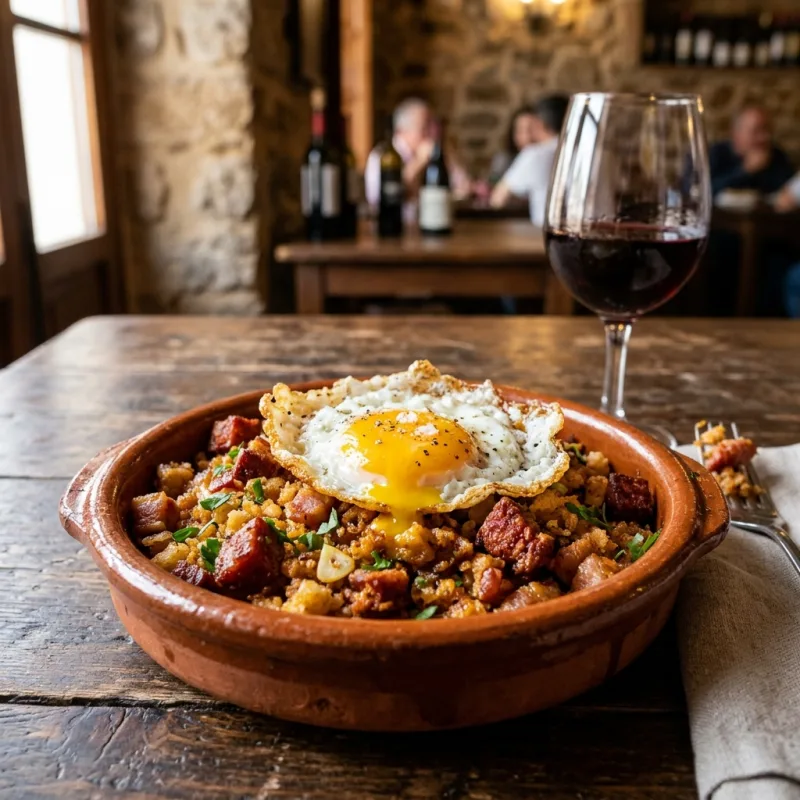
Migas Extremeñas - Sautéed breadcrumbs seasoned with sweet paprika and garlic, tossed with crispy pancetta, chorizo, and crowned with a fried egg. This humble shepherd's staple represents the definitive comfort food of Extremadura, balancing savory textures and smoky undertones.
Authentic Migas Extremeñas served in a clay bowl with chorizo, pancetta, and a fried egg

Maya’s Final Checklist for Merida, Spain

Logistics shouldn’t be the focus of your trip—the experience should. I’ve hand-vetted these essential partners to ensure your arrival, stay, and exploration are as smooth as an Athenian breeze.

Maya, the human travel expert at TravelingWiz, offering curated, non-AI expertise

Where to Stay

Compare accommodation options and choose a stay that suits your plans and budget.

Air Travel

Compare flight options and find a route that fits your plans.

Local Guides

Connect with local guides for personalized help planning and exploring.

Travel Protection

The “Engineer’s” rule: always have a backup. Secure your trip with a plan that covers every “what if” and unexpected change.

Car Rentals

Compare rental options and choose a car that suits your trip.

Visa Information

Don’t let paperwork slow you down. Get expert assistance with your application to ensure all your entry documents are in order.

FAQs

A stay of two full days is recommended to comfortably explore the major Roman ruins, the National Museum of Roman Art, the Moorish Alcazaba, and the historic downtown plazas without rushing.
Yes, every summer during July and August, the International Classical Theatre Festival takes place inside the original 2,000-year-old Roman Theatre, staging ancient Greco-Roman plays under the night sky.
Yes, Mérida is a compact, pedestrian-friendly city where virtually all key archaeological monuments and accommodations are located within a 15- to 20-minute walk of each other.

Your Insights Matter

TravelingWiz grows through the stories of our community. If you’ve recently explored ,Merida, Spain share your tips and stories to help us perfect our guides for the next traveler.

Where should we send your offline card?

We hate spam just as much as you do

newsletter_consent *