Disclosure: This site contains affiliate links. We may earn a commission if you make a purchase, at no extra cost to you.
Cabo de Palos

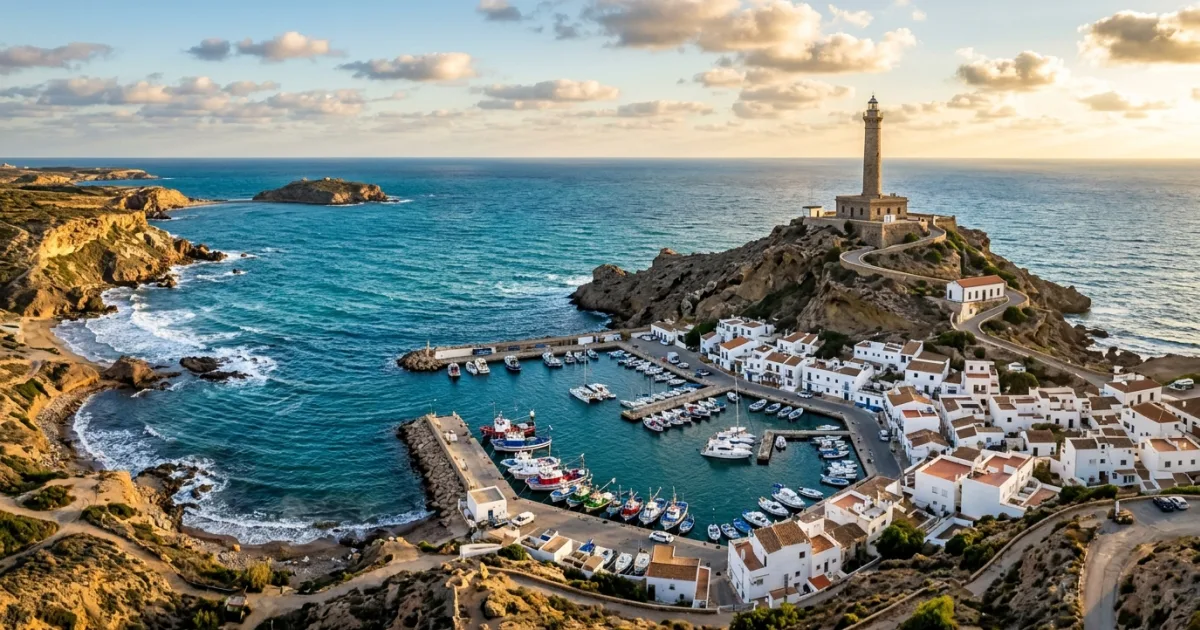
Panoramic view of the historic Cabo de Palos lighthouse on rocky cliffs above the Mediterranean Sea in Spain

Basic Info

COUNTRY & Region

Spain,
Europe

ACCESSIBILITY LEVEL​

  • High: Widely accessible with good facilities for disabilities.
  • Medium: Some accessible options, but limitations exist.
  • Low: Limited accessibility; many barriers for disabilities.
Medium

LOCAL CURRENCY​

Euro (EUR)

Price Level

Low – budget‑friendly basics

Medium – moderate mid‑range costs

High – pricey lodging, dining & transport

Medium

SAFETY LEVEL

5 shields = Excellent – very low crime or conflict.

4 shields = Safe – low risk, routine care.

3 shields = Relatively safe – use normal street smarts.

2 shields = Use caution – higher crime or periodic unrest.

1 shields = Avoid – active conflict or extreme danger.

Scores are derived from multi-year peace, homicide and security indices blended into a single 1-to-5 scale.

Recommended Duration

1-7 days, Full day

Cabo de Palos Overview & Key Highlights

Cabo de Palos is a rugged maritime peninsula and historic fishing village situated on the southeastern Mediterranean coast of Spain within the Region of Murcia. Dominated by its dramatic 19th-century lighthouse perched atop a volcanic rocky headland, the village serves as the primary departure point for the Cabo de Palos and Islas Hormigas Marine Reserve, widely recognized as one of the premier scuba diving and marine conservation sanctuaries in Europe. Beyond its world-renowned underwater topography and vibrant marine fauna, the town preserves an authentic coastal rhythm defined by traditional harbor promenades, secluded rocky coves, and acclaimed seafaring gastronomy. Visitors gather along the active fishing port to sample Caldero del Mar Menor, a regionally distinct rice and rockfish preparation, before hiking the coastal paths that trace jagged cliffs into the open Mediterranean Sea.

Cabo de Palos Travel Guide: Logistics & In-Depth Tips

Cabo de Palos anchors the southeastern tip of the Iberian Peninsula where the calm lagoon of the Mar Menor meets the deep open Mediterranean Sea. Historically a strategic defensive bastion against Mediterranean piracy, the headland is crowned by the Faro de Cabo de Palos, a 54-meter-tall ashlar stone lighthouse constructed in 1865 on the site of a 16th-century coastal watchtower. Today, the village balances its operational fishing port functions with sustainable eco-tourism, serving as an internationally respected center for marine biology and underwater exploration.

On land, the settlement offers an unpretentious, pedestrian-friendly environment where pastel-washed houses line the harbor promenade and seaside wooden docks harbor traditional fishing boats. The surrounding geological formations feature dramatic volcanic cliffs, natural rock pools, and accessible snorkeling coves such as Cala Fria, Cala Roja, and Cala Reona. Whether traversing the rugged cliffline trails toward Calblanque Regional Park or settling in for an extended seafood feast at an open-air terrace, Cabo de Palos provides an authentic Spanish maritime escape.

Reasons to Visit

  • World-class scuba diving inside the strictly preserved Islas Hormigas Marine Reserve, teeming with giant groupers, eagle rays, and historic wrecks.
  • The striking 19th-century Faro de Cabo de Palos, offering 360-degree vistas across both the Mediterranean and the Mar Menor sand spit.
  • Authentic culinary experiences focused on genuine Caldero del Mar Menor rice cooked using time-honored artisanal recipes.
  • Proximity to the pristine, undeveloped wild beaches and hiking trails of Calblanque Regional Park just minutes to the southwest.
  • Peaceful, sheltered rock coves ideal for shore snorkeling and stand-up paddleboarding in crystalline waters.

Things to Avoid

  • Do not dive or fish inside the marine reserve without booking through an authorized dive center holding official conservation permits.
  • Avoid walking onto unprotected cliff edges near the lighthouse during strong levante easterly winds or heavy wave swells.
  • Do not rely entirely on public transport on Sundays or late evenings, as bus frequency to Cartagena decreases substantially outside peak summer.
  • Avoid wearing thin flip-flops on the coastal paths leading to Cala Reona and the surrounding sea caves; wear sturdy walking shoes instead.

Local Transportation Tips

Cabo de Palos is compact and best navigated entirely on foot. The distance between the central fishing harbor, town beaches, and the lighthouse headland can be walked within 10 to 15 minutes. For regional connectivity, ALSA bus lines connect Cabo de Palos with Cartagena and La Manga del Mar Menor. Taxis are stationed near the harbor and can be booked by telephone. Travelers intending to explore nearby Calblanque Regional Park or the historic Roman architecture of Cartagena will find a rental vehicle most practical.

Travel Etiquette

  • Observe local dining hours: lunch is customarily served between 1:30 PM and 4:00 PM, while dinner rarely begins before 8:30 PM.
  • Dress appropriately when leaving the beach; wearing swimwear into supermarkets, restaurants, or village streets is frowned upon.
  • Respect the marine environment: never collect shells, rocks, or marine life from the protected coves or reserve waters.
  • A modest tip of 5% to 10% in sit-down restaurants is customary for attentive service, though it is not legally mandated.

Recommended Age Group

Cabo de Palos accommodates travelers of diverse generations, especially those drawn to coastal nature, gentle walking paths, and aquatic activities.

  • Babies (0-2 years): Neutral. The harbor promenade and main town streets are flat and stroller accessible, though access to the rocky coves and cliff walks involves steep staircases and uneven gravel terrain.
  • Kids (3-12 years): Recommended. Children will appreciate snorkeling in shallow coves, exploring the tide pools around Cala Fria, and safe, calm swimming along nearby sandy Mar Menor beaches.
  • Teens (13-19 years): Recommended. Excellent opportunities for introductory scuba courses, paddleboarding, sea kayaking, and scenic coastal hiking.
  • Adults (20-64 years): Recommended. Outstanding destination for certified scuba divers, culinary enthusiasts, nature photographers, and travelers seeking relaxed coastal living.
  • Seniors (65+ years): Recommended. The waterfront esplanade provides flat, pleasant strolling with accessible outdoor seating, fresh seafood dining, and scenic sunset views.

Accessibility Level: Medium

  • The main harbor promenade and waterfront restaurant district feature level paving with step-free access throughout the dining zone.
  • The ascent to the base of the Cabo de Palos lighthouse involves a paved but moderately steep roadway that may require assistance for manual wheelchair users.
  • Natural swimming coves like Cala Fria and Cala Reona are accessed via stone stairs or natural dirt footpaths, presenting barriers for travelers with limited mobility.
  • Wheelchair-accessible public restrooms and designated disabled parking bays are located near the central port parking area.

Did You Know?

The waters off Cabo de Palos witnessed one of the deadliest maritime disasters in Mediterranean history. In 1906, the Italian luxury steamship SS Sirio ran aground on the shallow underwater reefs of Bajo de Fuera near the Islas Hormigas while carrying hundreds of emigrants to South America. Today, the wreck of the Sirio rests on the seafloor as a revered archaeological dive site protected under national cultural heritage legislation.

Cool Statistics

  • 54 meters: The structural height of the historic Cabo de Palos Lighthouse above the promontory.
  • 1995: The year the Marine Reserve of Cabo de Palos and Islas Hormigas was officially established.
  • 18.9 square kilometers: The total surface area of protected marine habitat managed within the reserve.
  • More than 300: The average number of sunny days recorded in the region each calendar year.

Address:

Cabo de Palos, Spain

Find Nearby Accommodations

Electricity

220-240V, 
50Hz

Plug Type

Type C (Round pin), Type F (Two round pins with earth clips)
Plug types
Click To View Plug Types
Cabo de Palos is part of our
Micro Adventures collection

Activities To Do In Cabo de Palos

Best Time To Visit Cabo de Palos

Cabo de Palos enjoys a semi-arid Mediterranean climate with over 300 days of sunshine annually. The shoulder months of May to June and September to October provide optimal conditions for both scuba diving and outdoor hiking, characterized by warm sea temperatures and manageable tourist numbers.

  • Spring (April to May): Mild ambient temperatures averaging 20°C to 24°C, ideal for coastal walks and peaceful town exploration before summer crowds arrive.
  • Summer (June to August): Sea temperatures peak between 25°C and 27°C, bringing prime underwater visibility and bustling waterfront dining, though daytime air temperatures frequently exceed 30°C.
  • Autumn (September to November): The best period for diving, with retained marine warmth, clear water, and calm seas alongside quieter seaside terraces.
  • Winter (December to March): Quiet off-season with temperatures around 15°C to 18°C, suitable for serene nature walking and culinary visits, though some dive operators operate on reduced winter schedules.

Average Temperatures Per Month

Average monthly temperaturesMonthly source values, with Celsius and Fahrenheit equivalents in the following data table.5°41°13°55°20°68°28°82°35°95°JanJan: 12°C / 54°FFebFeb: 14°C / 57°FMarMar: 15°C / 59°FAprApr: 16°C / 61°FMayMay: 19°C / 66°FJunJun: 23°C / 73°FJulJul: 26°C / 79°FAugAug: 27°C / 81°FSepSep: 24°C / 75°FOctOct: 21°C / 70°FNovNov: 17°C / 63°FDecDec: 14°C / 57°F
View temperature data
Average monthly temperatures
Month°C°F
Jan1254
Feb1457
Mar1559
Apr1661
May1966
Jun2373
Jul2679
Aug2781
Sep2475
Oct2170
Nov1763
Dec1457

Remember to check the weather forecast a few days before the trip and before heading to the airport.

Safety Level

5 shields = Excellent – very low crime or conflict.

4 shields = Safe – low risk, routine care.

3 shields = Relatively safe – use normal street smarts.

2 shields = Use caution – higher crime or periodic unrest.

1 shields = Avoid – active conflict or extreme danger.

Scores are derived from multi-year peace, homicide and security indices blended into a single 1-to-5 scale.

Cabo de Palos is a tranquil, secure village with low crime rates. The primary safety concerns are environmental: observe maritime flag warnings before entering open water, wear protective footwear on jagged volcanic rocks, and stay well back from cliff edges near the lighthouse during periods of heavy wind or high swells.

The rating is based on multi-year peace, crime, and security indices. Before you go, always verify current conditions through official government travel advisories.

Emergency Numbers

Police: 112
Ambulance: 112

No internet needed • Includes local translations • Free for TravelingWiz readers

Spoken Languages

Spanish (Castilian), with English widely understood in dive shops and harborfront hospitality venues.
Travel Booking Partner - TravelingWiz

Learn The Language

  • Hola – Hello
  • Por favor – Please
  • Gracias – Thank you
  • ¿Cuánto cuesta? – How much does it cost?
  • La cuenta, por favor – The bill, please
  • ¿Dónde está el faro? – Where is the lighthouse?
  • Un arroz caldero, por favor – A caldero rice dish, please
  • Adiós – Goodbye

Trip Cost & Budgeting for Cabo de Palos, 2026

Everything you need to know about money while traveling
Is Cabo de Palos expensive for tourists in 2026? Cabo de Palos offers a moderately priced Mediterranean getaway in coastal Spain. Visitors can expect to pay around €2.00 for a cappuccino, €2.50 for a domestic beer, and €18.00 for a standard restaurant meal like local arroz caldero. With Human Verified prices, daily expenses remain reasonable compared to major Spanish resort towns. Use the data table below to calculate your specific daily budget based on your travel style.

LOCAL CURRENCY​:

Euro (EUR)

Price Level:

Low – budget‑friendly basics

Medium – moderate mid‑range costs

High – pricey lodging, dining & transport

Medium

Cards Vs. Cash

Credit cards are widely accepted across restaurants and hotels, but small cash is helpful for beach kiosks and tips.

How Much Cash to Carry (on you)

Per person, per day – pocket cash for small purchases.

Local: 12
Euro (EUR)
≈ 13 USD

Average Daily Costs (per person)

Full daily spend estimation (accommodation, food, transportation, attractions).

Travel Style
Euro (EUR)
≈ USD ($)
Budget
65
71
Mid-range
115
126
Comfort
250
274
Note

The Prices, Daily costs, and calculator results are estimates for planning purposes only. Actual costs may vary based on season, booking timing, personal spending habits, and currency fluctuations. TravelingWiz cannot be held responsible for discrepancies between these estimates and your final trip expenses.

Best Value Tips

  • • Order the Menú del Día at lunchtime for a full multi-course meal including drinks at budget-friendly rates.
  • • Enjoy signature dishes like Arroz Caldero during midday service when set menu options are available.
  • • Take local ALSA buses for quick and affordable connections to nearby Cartagena and coastal beaches.
  • • Explore scenic coastal trails around El Faro lighthouse and Calblanque park free of charge.

Tours & Tickets

Explore tours, attractions, and ticket options to plan your visit.
Plan ahead

Travel Offers & Coupons

Browse travel offers and coupons from our affiliate partners.
Affiliate partner offers

What To Pack

  • Diving certification card and dive logbook if planning to dive in the protected marine reserve.
  • Sturdy water shoes or reef booties for navigating rocky volcanic coves and pebble inlets.
  • Reef-safe sunscreen and polarized sunglasses to mitigate strong Mediterranean solar glare.
  • Windbreaker or light thermal jacket for windy cliff walks around the lighthouse headland.
  • Snorkeling gear including mask, snorkel, and fins for exploring Cala Fria and Cala Reona.
  • Reusable water bottle and dry bag for coastal kayak or paddleboard excursions.
Only the good stuff!
Browse recommended travel gear
Check out our free packing list tool

Recommended Itineraries for Traveling to Cabo de Palos

Take your itinerary with you

Choose a ready-made itinerary, plan your own trip, and keep TravelingWiz by your side while you travel.

Get the TravelingWiz app

Food & Drink Highlights

Local Food Overview

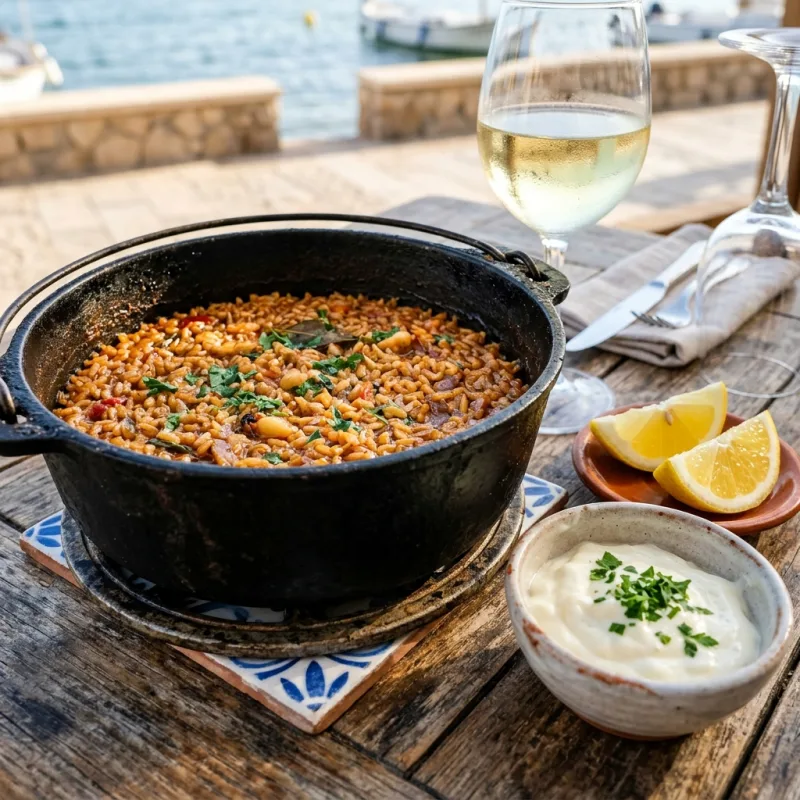
Gastronomy in Cabo de Palos revolves around the bounties of the Mediterranean Sea and traditional fishing techniques. The culinary centerpiece of the town is Caldero del Mar Menor, an intensely flavorful rice stew simmered in a dense broth of rockfish, mullet, garlic, and dried sweet nora peppers, served alongside fresh alioli garlic mayonnaise. The village fish auction and seaside taverns also showcase grilled red prawns, salt-crusted gilthead sea bream, octopus prepared a la murciana, and fried baby squid, all paired with crisp local wines from Jumilla or Bullas.

Must Try Dish

Caldero del Mar Menor - An iconic Murcian coastal rice preparation slow-cooked in a concentrated broth made from rockfish and sun-dried nora peppers. It is traditionally served in two stages: the steaming rice first, followed by the tender stewed fish with a dollop of pungent homemade alioli.
Authentic Caldero del Mar Menor rice stew served in a cast iron pan with alioli

Maya’s Final Checklist for Cabo de Palos

Logistics shouldn’t be the focus of your trip—the experience should. I’ve hand-vetted these essential partners to ensure your arrival, stay, and exploration are as smooth as an Athenian breeze.

Maya, the human travel expert at TravelingWiz, offering curated, non-AI expertise

Where to Stay

Compare accommodation options and choose a stay that suits your plans and budget.

Air Travel

Compare flight options and find a route that fits your plans.

Local Guides

Connect with local guides for personalized help planning and exploring.

Travel Protection

The “Engineer’s” rule: always have a backup. Secure your trip with a plan that covers every “what if” and unexpected change.

Car Rentals

Compare rental options and choose a car that suits your trip.

Visa Information

Don’t let paperwork slow you down. Get expert assistance with your application to ensure all your entry documents are in order.

FAQs

Cabo de Palos is home to the Islas Hormigas Marine Reserve, a strictly protected marine sanctuary established in 1995. Its submerged volcanic pinnacles, immense schools of groupers, barracudas, and historical shipwrecks like the SS Sirio make it one of the most biodiverse dive locations in Europe.
Guided visits inside the Cabo de Palos Lighthouse are available through pre-booked guided tours operated by local tourism authorities, offering access to historical exhibits and panoramic views from the headland.
Yes. Non-divers can enjoy coastal hiking along the Mediterranean cliffs, snorkeling in sheltered coves like Cala Fria, discovering scenic photography spots, and indulging in fresh seafood along the harbor.
Cabo de Palos is easily reached by car via the RM-12 highway from Cartagena (approximately 25 minutes) or Murcia City (around 45 minutes). Regional intercity buses also link the village directly to Cartagena’s central bus station.

Your Insights Matter

TravelingWiz grows through the stories of our community. If you’ve recently explored ,Cabo de Palos share your tips and stories to help us perfect our guides for the next traveler.

Where should we send your offline card?

We hate spam just as much as you do

newsletter_consent *