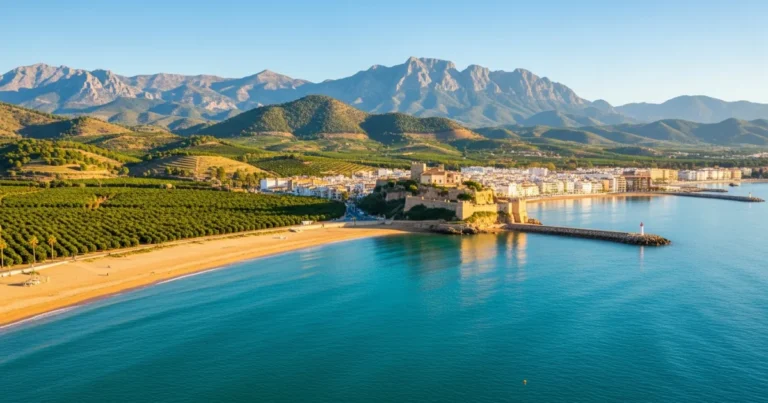
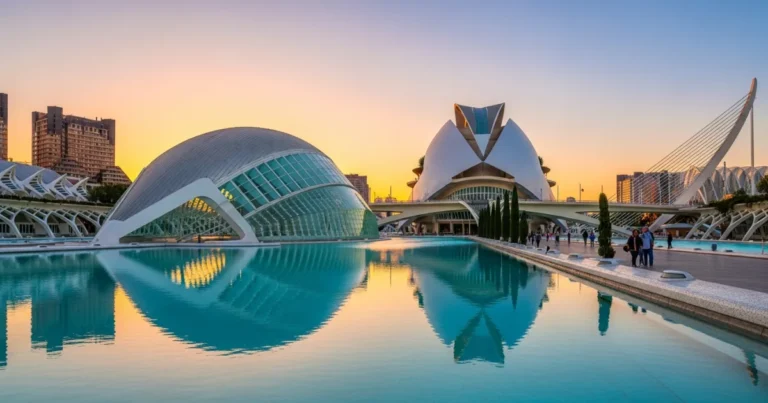
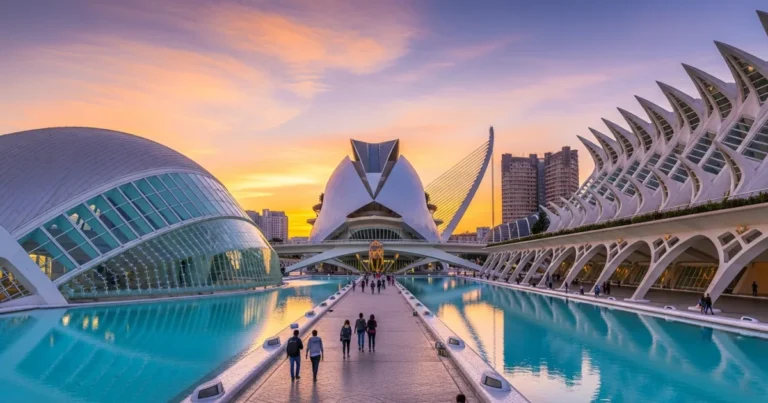
The Valencian Community, or Comunitat Valenciana, is an autonomous community of Spain located on the Mediterranean coast. It is characterized by its diverse geography, ranging from extensive sandy beaches and fertile plains to rugged mountain ranges. The region is a melting pot of cultures, influenced by Roman, Moorish, and Christian heritage, evident in its architecture, traditions, and language. Its capital, Valencia, is a dynamic city that perfectly blends historical charm with avant-garde design, exemplified by the iconic City of Arts and Sciences.
Beyond the capital, the provinces of Alicante and Castellón offer their own unique attractions. Alicante boasts stunning coastal resorts like Benidorm and historic castles, while Castellón provides a quieter escape with its natural parks and charming medieval towns. The region is also famous for its agricultural produce, particularly oranges and rice, which are central to its renowned cuisine. Visitors can indulge in wine tourism, explore natural parks, or simply relax by the sea, making the Valencian Community a versatile destination for any traveler.
Reasons to Visit
- Gastronomic Delights: Home to paella, the region offers an incredible culinary journey with fresh seafood, rice dishes, and local produce.
- Diverse Landscapes: From golden beaches and turquoise waters to lush orange groves and dramatic mountains, there's scenery for every taste.
- Rich History & Culture: Explore ancient Roman ruins, medieval castles, Gothic cathedrals, and vibrant local festivals like Las Fallas.
- Vibrant Cities: Valencia city combines futuristic architecture with historic charm, offering world-class museums, parks, and nightlife.
- Family-Friendly Attractions: Numerous theme parks, aquariums, and safe beaches make it an ideal destination for families.
- Excellent Climate: Enjoy over 300 days of sunshine annually, perfect for outdoor activities and relaxation.
- Outdoor Activities: Opportunities for hiking, cycling, water sports, and exploring natural parks.
Things to Avoid
- Eating Paella for Dinner: Locals typically enjoy paella for lunch; many restaurants serving it at dinner cater to tourists and may not offer the same quality.
- Ignoring Siesta Hours: Many smaller shops and businesses close in the early afternoon for siesta, especially outside major city centers.
- Underestimating Sun Exposure: The Mediterranean sun can be intense, even outside of summer. Always use sunscreen and stay hydrated.
- Only Sticking to Tourist Hotspots: Venture beyond the main attractions to discover charming villages, authentic local eateries, and hidden natural gems.
- Not Booking in Advance During Peak Season: Popular accommodations and attractions can fill up quickly, especially in summer and during major festivals.
Local Transportation Tips
The Valencian Community has a well-developed transportation network. Within major cities like Valencia, an efficient metro and bus system makes getting around easy. Valencia also has a tram network. For inter-city travel, Renfe trains connect major provincial capitals and towns, offering comfortable and relatively fast journeys. Buses are also a comprehensive option, reaching smaller towns and villages not served by train. For exploring the more rural and mountainous areas, renting a car provides the most flexibility and allows access to hidden gems. Taxis and ride-sharing services are available in urban areas.
Travel Etiquette
- Greetings: A simple 'Hola' (hello) and 'Gracias' (thank you) go a long way. A handshake is common, and close friends might greet with two kisses on the cheek.
- Dining: Dinner is typically eaten later, often after 9 PM. Tipping is appreciated but not mandatory; rounding up the bill or leaving a few euros is common for good service.
- Dress Code: Casual attire is generally acceptable, but modest dress is recommended when visiting religious sites.
- Punctuality: Spaniards tend to be more relaxed about time, so don't be surprised if things run a little late.
- Volume: Conversations can be lively and loud, especially in bars and restaurants, which is part of the local culture.
Recommended Age Group
The Valencian Community is a highly versatile destination, offering attractions and activities suitable for all age groups, ensuring an enjoyable experience for everyone.
- Babies (0-2 years): Recommended. The region offers family-friendly accommodations, accessible promenades, and warm beaches. Many restaurants are accommodating, and parks provide shaded areas.
- Kids (3-12 years): Recommended. Children will love the beaches, theme parks (Terra Mítica), the Oceanogràfic aquarium, and interactive museums. Outdoor activities like cycling and gentle hikes are also popular.
- Teens (13-19 years): Recommended. Teens can enjoy water sports, exploring vibrant cities, shopping, historical sites, and the lively atmosphere of coastal towns. The City of Arts and Sciences offers engaging exhibits.
- Adults (20-64 years): Recommended. This age group will find a wealth of options, from cultural exploration, gastronomy tours, nightlife, hiking, wine tasting, and relaxing on the beaches to exploring charming villages.
- Seniors (65+ years): Recommended. The mild climate, accessible cities, cultural attractions, and relaxed pace of life in many areas make it ideal. Many tours and accommodations cater to seniors, and public transport is efficient.
Accessibility Level: Medium
- Major cities like Valencia and Alicante have made significant efforts to improve accessibility, with ramps, elevators, and accessible public transportation.
- Many newer hotels and tourist attractions are designed with accessibility in mind.
- Coastal promenades and some beach areas offer accessible pathways and services for visitors with mobility challenges.
- However, older historic centers and smaller, traditional villages may present challenges due to cobblestone streets, narrow sidewalks, and lack of ramps.
- It is advisable to check specific venue accessibility in advance, especially for historical sites.
Did You Know?
The Valencian Community is not only the birthplace of paella but also the world's largest producer of oranges. The region's iconic Fallas festival, held annually in Valencia in March, is a UNESCO Intangible Cultural Heritage event, known for its massive, elaborate 'ninots' (puppets) that are eventually burned in spectacular bonfires.
Cool Statistics
- Over 500 kilometers (310 miles) of coastline.
- More than 300 days of sunshine per year.
- Home to 3 UNESCO World Heritage Sites: La Lonja de la Seda (Valencia), Rock Art of the Mediterranean Basin on the Iberian Peninsula, and the Palmeral of Elche.
- Produces approximately 70% of Spain's citrus fruits.
- Valencia's City of Arts and Sciences attracts over 4 million visitors annually.









Buy a compatible power adapter for your trip