Disclosure: This site contains affiliate links. We may earn a commission if you make a purchase, at no extra cost to you.

>
>
>
>
Province of Valencia

Province of Valencia

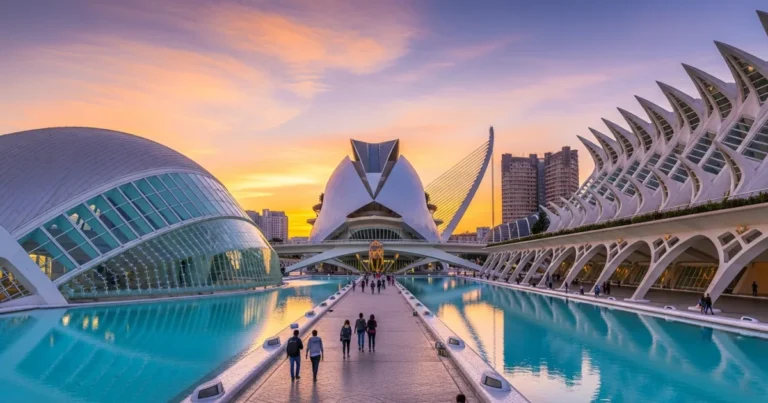
Panoramic view of the City of Arts and Sciences in Valencia at sunset

Province of Valencia Overview & Key Highlights

The Province of Valencia, nestled on Spain's eastern coast within the Valencian Community, offers a captivating blend of sun-drenched beaches, rich history, vibrant culture, and world-renowned gastronomy. From the futuristic architecture of its capital city, Valencia, to the tranquil beauty of its orange groves and charming coastal towns, this region promises a diverse and unforgettable travel experience. Visitors can explore ancient Roman ruins, marvel at Gothic cathedrals, indulge in authentic paella, and relax on pristine Mediterranean shores, making it an ideal destination for various interests. Beyond the bustling urban centers, the province boasts natural parks, picturesque villages, and a lively calendar of festivals that showcase its deep-rooted traditions. Whether you seek cultural immersion, outdoor adventure, culinary delights, or simply a relaxing escape by the sea, the Province of Valencia provides a welcoming and enriching environment. Its excellent infrastructure and warm climate further enhance its appeal as a premier European travel destination.

Province of Valencia Travel Guide: Logistics & In-Depth Tips

The Province of Valencia, a jewel on Spain's Mediterranean coast, offers an incredibly rich tapestry of experiences for every traveler. Its capital, Valencia city, is a dynamic metropolis where ancient history meets futuristic innovation. Here, you can wander through the labyrinthine streets of the Barrio del Carmen, marvel at the architectural grandeur of the Valencia Cathedral, and step back in time at the UNESCO-listed La Lonja de la Seda. Just a short distance away, the breathtaking City of Arts and Sciences, designed by Santiago Calatrava, stands as a testament to modern ingenuity, housing an opera house, an IMAX cinema, and Europe's largest oceanographic aquarium.

Beyond the urban allure, the province unfolds into diverse landscapes. The fertile plains are dotted with vast orange groves, leading to pristine sandy beaches like Malvarrosa and El Saler, perfect for sunbathing and water sports. Nature enthusiasts will find solace in the Albufera Natural Park, a freshwater lagoon vital for rice cultivation and birdwatching, offering serene boat trips at sunset. The gastronomy is a highlight, with paella as its undisputed king, complemented by fresh seafood, horchata, and a vibrant tapas scene. Throughout the year, traditional festivals, most notably Las Fallas, ignite the province with color, music, and fireworks, providing an immersive cultural experience that truly captures the spirit of Valencia.

Reasons to Visit

  • Gastronomic Delights: Indulge in authentic Paella Valenciana, fresh seafood, and local specialties.
  • Stunning Beaches: Enjoy miles of golden sand and clear Mediterranean waters.
  • Rich History & Culture: Explore ancient Roman, Moorish, and Gothic heritage alongside vibrant modern art.
  • Architectural Marvels: Witness the striking contrast between historic buildings and the futuristic City of Arts and Sciences.
  • Vibrant Festivals: Experience unique local celebrations like Las Fallas.
  • Natural Beauty: Discover the serene Albufera Natural Park and picturesque orange groves.
  • Family-Friendly Attractions: Numerous parks, museums, and the Oceanogràfic cater to all ages.
  • Excellent Climate: Enjoy abundant sunshine and pleasant temperatures for most of the year.

Things to Avoid

  • Eating Paella for Dinner: Locals typically enjoy paella for lunch; many restaurants won't serve it in the evening.
  • Ignoring Siesta Hours: Many smaller shops and businesses close in the early afternoon for siesta (roughly 2 PM - 5 PM).
  • Underestimating Summer Heat: July and August can be very hot; plan outdoor activities for mornings or evenings and stay hydrated.
  • Not Booking Las Fallas Accommodation Early: If visiting during this festival (March), book everything months in advance.
  • Only Staying in Valencia City: The province offers charming towns, natural parks, and beaches worth exploring beyond the capital.
  • Being Unaware of Pickpockets: In crowded tourist areas, be vigilant and secure your belongings.

Local Transportation Tips

Within Valencia city, the public transportation system is extensive and efficient, comprising metro, bus, and tram networks. The Valencia Tourist Card offers unlimited travel on these services, along with discounts on attractions. For exploring the wider Province of Valencia, regional trains (Cercanías) connect the capital to many coastal towns and inland areas, while intercity buses provide access to smaller villages. Renting a car is highly recommended for those wishing to explore the more remote natural parks, charming villages, and hidden beaches at their own pace, offering maximum flexibility and convenience.

Travel Etiquette

  • Greetings: A simple "Hola" (hello) and "Gracias" (thank you) are always appreciated.
  • Dining: Tipping is customary but not obligatory; rounding up the bill or leaving a few euros for good service is common. Dinner is typically eaten later, often after 9 PM.
  • Dress Code: Casual attire is generally acceptable, but modest dress is appreciated when visiting religious sites.
  • Punctuality: Spaniards tend to be more relaxed about time; don't be surprised if meetings or dinner reservations run a little late.
  • Noise Levels: Conversations can be lively and loud, especially in bars and restaurants; embrace the vibrant atmosphere.
  • Siesta: Respect the siesta hours when many smaller shops close.

Recommended Age Group

The Province of Valencia offers a wide array of attractions and activities, making it a highly versatile destination suitable for all age groups, from the youngest travelers to seniors seeking relaxation and cultural enrichment.

  • Babies (0-2 years): Recommended. Valencia is generally stroller-friendly, with parks, beaches, and family-oriented accommodations. Many restaurants are accommodating, and the warm climate is pleasant for infants.
  • Kids (3-12 years): Recommended. Children will love the Oceanogràfic (aquarium), the interactive Príncipe Felipe Science Museum, Gulliver Park, and the sandy beaches. There are plenty of open spaces and kid-friendly activities.
  • Teens (13-19 years): Recommended. Teens can enjoy the modern architecture of the City of Arts and Sciences, water sports on the beaches, exploring historical sites, shopping, and the vibrant atmosphere of the city.
  • Adults (20-64 years): Recommended. This age group will appreciate the rich cultural scene, diverse gastronomy, lively nightlife, historical exploration, outdoor activities, and opportunities for relaxation.
  • Seniors (65+ years): Recommended. Valencia offers a relaxed pace, excellent public transport, accessible attractions, beautiful gardens, and a pleasant climate. Many museums and sites offer senior discounts.

Accessibility Level: Medium

  • Public Transportation: Valencia's metro and bus systems are increasingly accessible, with many stations and vehicles equipped with ramps and elevators.
  • Pavements and Walkways: Major tourist areas and newer parts of Valencia city generally have well-maintained pavements, though older historic districts can have uneven cobblestones.
  • Attractions: Many key attractions, including the City of Arts and Sciences, museums, and larger cultural venues, offer accessible entrances and facilities. It's advisable to check specific venue accessibility in advance.
  • Beaches: Some beaches, like Malvarrosa, offer accessible points with wooden walkways and assisted bathing services during summer months.
  • Accommodation: A growing number of hotels provide accessible rooms and facilities; inquire directly when booking.

Did You Know?

The Province of Valencia is the birthplace of paella, specifically the traditional Paella Valenciana, which originally included ingredients like chicken, rabbit, and snails, not seafood as many outside Spain might assume. The region is also one of Europe's largest producers of oranges, earning it the nickname "the orchard of Spain." Furthermore, the City of Arts and Sciences in Valencia is one of the 12 Treasures of Spain, a modern architectural complex that has become a global icon.

Cool Statistics

  • Population: Over 2.5 million inhabitants (Province of Valencia).
  • Coastline: Approximately 135 km (84 miles) of coastline.
  • Sunshine: Averages over 300 days of sunshine per year.
  • UNESCO Sites: Home to La Lonja de la Seda (Silk Exchange), a UNESCO World Heritage Site.
  • Orange Production: Spain is the world's 6th largest producer of oranges, with a significant portion coming from the Valencian Community.
  • Las Fallas: The annual Las Fallas festival in Valencia city attracts over 1 million visitors each March.


Address:

Province of Valencia, Spain

Find Nearby Accommodations

Basic Info

address icon

COUNTRY & Region

Spain,
Europe

ACCESSIBILITY LEVEL​

Medium
Currency icon

LOCAL CURRENCY​

Euro (EUR)
Price level icon
Medium
Safety Level icon

SAFETY LEVEL

Duration icon

Recommended Duration

• Full day
• Overnight
• 1-7 days
• More than a week

Electricity

electricity icon

Electricity

220-240V, 
50Hz
Plug Socket icon

Plug Type

• Type C (Round pin)
• Type F (Two round pins with earth clips)
Plug types
Click To View Plug Types

Things To Do In Province of Valencia

Total: 3

Panoramic view of Xativa Castle and the city below at sunset
Xativa highlights: Castle, Old Town & Borgia Route. Complete 2026 guide covering Inflation & rising prices, itineraries, costs, safety & budget.
Panoramic view of the medieval town of Bocairent with its cave dwellings
Explore Bocairent highlights: Medieval architecture, Moorish caves & stunning viewpoints. Complete 2026 guide... itineraries, costs, safety & budget.
Panoramic view of the City of Arts and Sciences in Valencia at sunset
Valencia highlights: City of Arts, Central Market & Turia Gardens. Complete 2026 guide covering inflation... itineraries, costs, safety & budget.

Activities To Do In Province of Valencia

Best Time To Visit Province of Valencia

The Province of Valencia enjoys a Mediterranean climate, characterized by mild, wet winters and hot, dry summers. The best times to visit depend on your preferred activities:

  • Spring (April-May): Ideal for sightseeing, cultural exploration, and outdoor activities. Temperatures are pleasant (18-25°C / 64-77°F), and the landscape is lush.
  • Summer (June-August): Perfect for beach holidays and water sports, but temperatures can be hot (28-35°C / 82-95°F), especially in July and August. Expect crowds, particularly in coastal areas.
  • Autumn (September-October): Another excellent period for visiting, with warm temperatures (20-28°C / 68-82°F) and fewer crowds than summer. Great for gastronomy and cultural events.
  • Winter (November-March): Mild (10-17°C / 50-63°F) with occasional rain. Suitable for city breaks and exploring museums without the summer heat or crowds.

Average Temperatures Per Month

Remember to check the weather forecast a few days before the trip and before heading to the airport.

Safety Level icon

Safety Level

The Province of Valencia is generally safe for tourists. However, like any popular destination, it's wise to be aware of your surroundings, especially in crowded areas and on public transport, to guard against pickpocketing. Keep valuables secure and out of sight. Avoid walking alone in poorly lit or unfamiliar areas late at night. In case of emergency, dial 112.

The rating is based on multi-year peace, crime, and security indices. Before you go, always verify current conditions through official government travel advisories.

Emergency Numbers

Police: 112 (Universal) / 091
Ambulance: 112 (Universal) / 061

No internet needed • Includes local translations • Free for TravelingWiz readers

Spoken Languages

The official languages spoken in the Province of Valencia are Spanish (Castilian) and Valencian, a co-official language of the Valencian Community. While Spanish is universally understood, many locals also speak Valencian, and you'll see signage in both languages. English is commonly spoken in tourist areas, hotels, and major attractions, but learning a few basic Spanish phrases will enhance your experience.

Learn The Language

  • Hola (OH-lah) – Hello
  • Gracias (GRAH-syahs) – Thank you
  • Por favor (por fah-VOR) – Please
  • Sí / No (see / noh) – Yes / No
  • ¿Cuánto cuesta? (KWAHN-toh KWEHS-tah?) – How much does it cost?
  • Disculpe (dees-KOOL-peh) – Excuse me / Sorry
  • ¿Habla inglés? (AH-blah een-GLEHS?) – Do you speak English?
  • Adiós (ah-DYOHS) – Goodbye
Travel Booking Partner - TravelingWiz

Trip Cost & Budgeting for Province of Valencia, 2026

Everything you need to know about money while traveling
Offering a relaxed Mediterranean charm, the Province of Valencia stands out as a moderately priced destination compared to Spain's largest cities. Travelers relying on Human Verified prices can expect to pay roughly 2.40 euros for a cappuccino, 3.00 euros for a domestic beer, and 15.00 euros for a meal at a local restaurant. With TravelingWiz's Human Verified data, a typical traveler should expect to spend around $173 USD per day for a mid-range trip in Province of Valencia. Click the Trip Cost Calculator button below the table to work out your personal budget for this trip.
Currency icon

LOCAL CURRENCY​:

Euro (EUR)
Price level icon
Medium
Credit cards are widely accepted across Valencia, though carrying small cash euros is helpful for market stalls.

Per person, per day – pocket cash for small purchases.

Local: 15
Euro (EUR)
≈ 17 USD

Full daily spend estimation (accommodation, food, transportation, attractions).

Travel Style
Euro (EUR)
≈ USD ($)
Budget
85
98
Mid-range
150
173
Comfort
330
380

The Prices, Daily costs, and calculator results are estimates for planning purposes only. Actual costs may vary based on season, booking timing, personal spending habits, and currency fluctuations. TravelingWiz cannot be held responsible for discrepancies between these estimates and your final trip expenses.

  • • Look for the midday menu del dia at local restaurants for a high-value three-course meal including a drink.
  • • Buy a SUMA card for public transport to get discounted travel across metros, buses, and suburban trains.
  • • Visit public museums and monuments on Sunday mornings when entry is frequently free or discounted.
  • • Shop for fresh produce and cheap bites at local municipal markets like Mercado Central instead of tourist-heavy cafes.

Pre-Order Tickets

Avoid disappointment when tickets sell out — and skip the long lines by booking online in advance. You’ll often save up to 20% too.
Save up to 20%

Travel Discounts & Coupons

Save on hotels, attractions, transport, and gear — find verified discounts for smarter travel spending.
Verified Coupons

What To Pack

  • Lightweight clothing (cotton, linen) for warm weather, especially during summer.
  • Swimsuit and beach essentials (towel, sunscreen, hat) if visiting during warmer months.
  • Comfortable walking shoes for exploring cities and historical sites.
  • A light jacket or sweater for cooler evenings, particularly in spring and autumn.
  • Adapter for Type C/F electrical outlets.
  • Basic toiletries and any personal medications.
  • Reusable water bottle to stay hydrated.
  • Camera to capture the beautiful scenery and architecture.
We couldn't find tips for Province of Valencia.
If you got any, please share

Recommended Itineraries for Traveling to Province of Valencia

We couldn't find itineraries for Province of Valencia.
you can contact us for custom trip plan

Food & Drink Highlights

Local Food Overview

Valencian cuisine is a vibrant and flavorful reflection of its Mediterranean landscape, deeply rooted in rice, fresh seafood, and local produce. It is globally renowned as the birthplace of paella, but its culinary offerings extend far beyond this iconic dish. Expect a delightful array of stews, fresh salads, exquisite pastries, and a strong emphasis on oranges, which are cultivated extensively in the region. Dining in Valencia is a social affair, often enjoyed with family and friends, celebrating fresh ingredients and traditional cooking methods.
Authentic Paella Valenciana in a traditional pan

Must Try Dish

Paella Valenciana - This iconic rice dish, originating from the Albufera region near Valencia, is a culinary masterpiece featuring saffron-infused rice, chicken, rabbit, green beans, and garrofó beans. Its rich, savory flavors and unique texture, especially the coveted 'socarrat' (crispy bottom layer), make it an unforgettable gastronomic experience.
Food Experiences Title Icon

Food
Experiences

Discover cooking classes, tastings and local food tours

No food experience found

Related Tour Guides

Mateo Ferri -tour guide
Mateo Ferri
Spain Expert
Ana Maria Galera Lopez - tour guide
Ana Maria Galera López
Spain Expert
Anabel Arco Sola - tour guide
Anabel Arco Sola
Spain Expert
Ana Maria Soler Machirant - tour guide
Ana Maria Soler Machirant
Spain Expert
Maya, the human travel expert at TravelingWiz, offering curated, non-AI expertise

Maya’s Final Checklist for Province of Valencia

Logistics shouldn’t be the focus of your trip—the experience should. I’ve hand-vetted these essential partners to ensure your arrival, stay, and exploration are as smooth as an Athenian breeze.

Where to Stay

From boutique hotels to local apartments—compare thousands of options and find the perfect stay in the best neighborhood.

Air Travel

Getting there should be seamless. Compare the best routes and prices across top airlines to start your journey on the right note.

Local Guides

Connect with experts who know the destination best. Get personalized advice and insider tips to help you plan your perfect trip.

Travel Protection

The “Engineer’s” rule: always have a backup. Secure your trip with a plan that covers every “what if” and unexpected change.

Car Rentals

Explore at your own pace with total freedom. Compare reliable rental options and find the right vehicle for your adventure.

Visa Services

Don’t let paperwork slow you down. Get expert assistance with your application to ensure all your entry documents are in order.

FAQs

Within Valencia city, public transport (metro, bus, tram) is efficient. For exploring the wider province, renting a car offers the most flexibility, though regional trains and buses connect major towns.
Yes, Valencia is generally considered safe for solo female travelers. Standard precautions like being aware of your surroundings, especially at night, and keeping valuables secure are recommended.
Key attractions include the City of Arts and Sciences, Valencia Cathedral, Central Market, La Lonja de la Seda (UNESCO site), the historic Carmen neighborhood, and the beaches of Malvarrosa and El Saler. Don’t miss a trip to Albufera Natural Park.
Yes, tap water in Valencia is safe to drink, though many locals prefer bottled water for taste. It’s perfectly fine for brushing teeth and cooking.
The local currency is the Euro (EUR). Credit and debit cards are widely accepted in most places, but it’s always good to carry some cash for smaller purchases or in less urban areas.

Your Insights Matter

TravelingWiz grows through the stories of our community. If you’ve recently explored ,Province of Valencia share your tips and stories to help us perfect our guides for the next traveler.

Related Articles

Check out our related articles and blog posts to learn even more about the destination.

No related articles found

Don’t Travel Alone

Share with your friends and family

Where should we send your offline card?

We hate spam just as much as you do

newsletter_consent *