Disclosure: This site contains affiliate links. We may earn a commission if you make a purchase, at no extra cost to you.
Interlaken

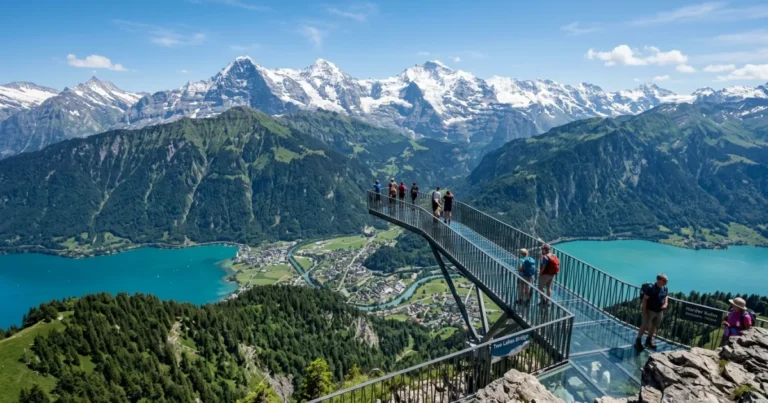
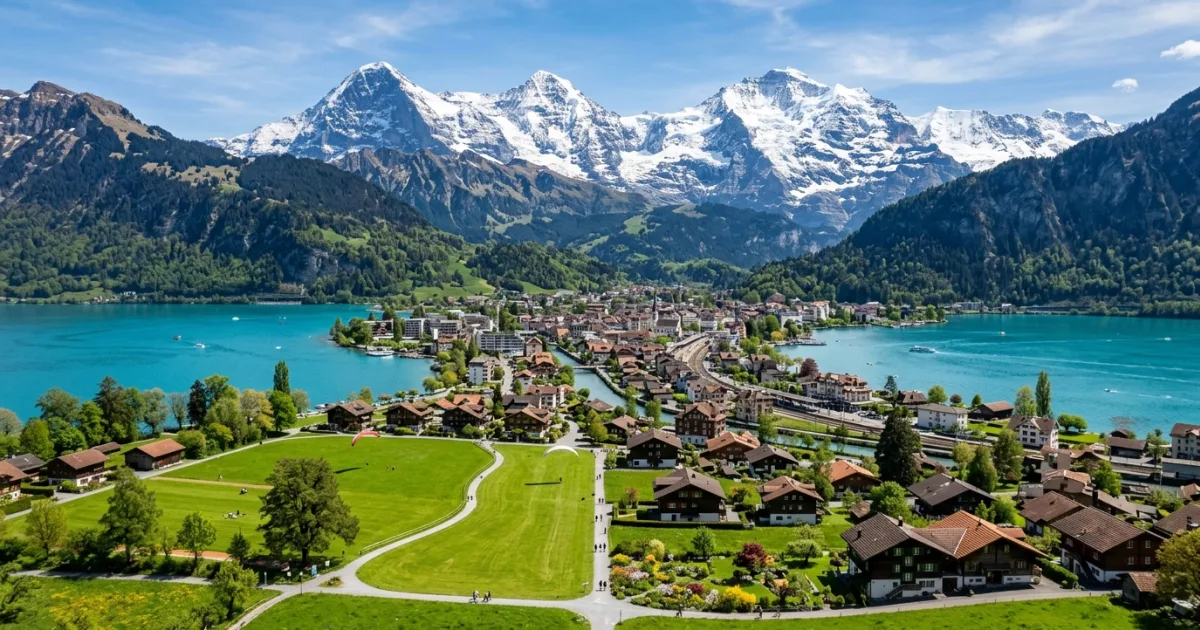
Panoramic view of Interlaken between two lakes with the Jungfrau mountain in the background

Basic Info

COUNTRY & Region

Switzerland,
Europe

ACCESSIBILITY LEVEL​

  • High: Widely accessible with good facilities for disabilities.
  • Medium: Some accessible options, but limitations exist.
  • Low: Limited accessibility; many barriers for disabilities.
Medium

LOCAL CURRENCY​

Swiss Franc (CHF)

Price Level

Low – budget‑friendly basics

Medium – moderate mid‑range costs

High – pricey lodging, dining & transport

High

SAFETY LEVEL

5 shields = Excellent – very low crime or conflict.

4 shields = Safe – low risk, routine care.

3 shields = Relatively safe – use normal street smarts.

2 shields = Use caution – higher crime or periodic unrest.

1 shields = Avoid – active conflict or extreme danger.

Scores are derived from multi-year peace, homicide and security indices blended into a single 1-to-5 scale.

Recommended Duration

1-7 days, More than a week

Interlaken Overview & Key Highlights

Interlaken is a traditional resort town in the mountainous Bernese Oberland region of central Switzerland. Built on a narrow stretch of valley, between the emerald-colored waters of Lake Thun and Lake Brienz, it has old timber houses and parkland on either side of the Aare River. Its surrounding mountains, with dense forests, alpine meadows and glaciers, have numerous hiking and skiing trails. Serving as the main transport gateway to the mountains and lakes of that region, Interlaken is world-renowned as the adventure capital of Switzerland. Visitors can easily access the famous Jungfrau region, including the Jungfraujoch saddle, via an extensive network of trains, funiculars, and cable cars. The town itself offers a relaxed atmosphere with high-end watch boutiques, traditional Swiss restaurants, and scenic promenades like the Höhematte.

Interlaken Travel Guide: Logistics & In-Depth Tips

Interlaken translates to 'between lakes', perfectly describing its geographical position between Lake Thun and Lake Brienz. This unique location makes it a paradise for water sports enthusiasts and nature lovers alike. The town is divided into two main areas, centered around its two railway stations: Interlaken Ost (East) and Interlaken West. The Höheweg, a 700-meter-long boulevard connecting the two stations, is lined with hotels, cafes, and boutiques, offering spectacular views of the Jungfrau mountain.

Beyond its scenic beauty, Interlaken is globally recognized as a hub for extreme sports. From paragliding over the lakes to canyoning in glacial streams and skydiving in front of the Eiger, the town caters to adrenaline seekers. Yet, it remains equally appealing to those seeking tranquility, offering leisurely boat cruises, scenic train rides, and easy walking paths along the Aare River.

Reasons to Visit

  • Unmatched access to the Jungfrau mountain region and the 'Top of Europe'.
  • World-class adventure sports including paragliding, skydiving, and canyoning.
  • Stunning dual-lake setting offering boat cruises and water activities.
  • Excellent infrastructure and highly efficient Swiss public transportation.
  • A wide variety of hiking trails suitable for all skill levels.

Things to Avoid

  • Avoid buying bottled water; the tap water is fresh alpine spring water and completely safe.
  • Don't rely solely on Euros; always have Swiss Francs or a card with no foreign transaction fees.
  • Avoid traveling without a valid ticket on public transport, as fines are steep and checks are frequent.
  • Don't underestimate mountain weather; it can change rapidly, so avoid hiking without proper gear.

Local Transportation Tips

Interlaken's public transport system is exceptionally efficient and clean. The town has two main train stations (Ost and West) connecting you to the rest of Switzerland and the mountain villages. Local buses run frequently, and the Interlaken Guest Card provides free travel on local routes. For mountain excursions, a vast network of cogwheel trains, funiculars, and cable cars is available. Ferries operate on both Lake Thun and Lake Brienz during the warmer months.

Travel Etiquette

  • Punctuality is highly valued in Switzerland; arrive on time for tours and transport.
  • Greet shopkeepers and restaurant staff with a polite 'Grüezi' when entering.
  • Tipping is not mandatory as a service charge is included in bills, but rounding up or leaving 5-10% for exceptional service is appreciated.
  • Keep noise levels down in public spaces and on public transport.
  • Respect nature by staying on marked trails and taking all trash with you.

Recommended Age Group

Interlaken offers a diverse range of activities that cater to almost every age group, making it a highly versatile destination.

  • Babies (0-2 years): Neutral. The town itself is stroller-friendly, but high-altitude excursions (above 2,500m) are generally not recommended for infants due to the risk of altitude sickness.
  • Kids (3-12 years): Recommended. Children will love the themed trails, funicular rides, and the Jungfrau Park.
  • Teens (13-19 years): Recommended. The abundance of adventure sports like ropes courses and paragliding makes it thrilling for teenagers.
  • Adults (20-64 years): Recommended. Perfect for hiking, extreme sports, and enjoying the local culinary and nightlife scenes.
  • Seniors (65+ years): Recommended. The highly accessible transport network allows seniors to reach spectacular viewpoints and enjoy leisurely lake cruises without strenuous physical exertion.

Accessibility Level: Medium

  • Swiss trains and boats are generally highly accessible, with ramps and designated spaces for wheelchair users.
  • Many major viewpoints, including the Jungfraujoch and Schilthorn, are fully wheelchair accessible via cable cars and elevators.
  • The Höheweg promenade in Interlaken is flat, paved, and easy to navigate for those with mobility challenges.
  • It is recommended to contact the SBB (Swiss Federal Railways) Call Center Handicap in advance for assistance with train boarding.

Did You Know?

Interlaken has been a popular tourist destination since the early 19th century, drawing famous figures like Johann Wolfgang von Goethe and Lord Byron, who were captivated by its dramatic alpine scenery.

Cool Statistics

  • Interlaken sits at an elevation of 566 meters (1,857 feet) above sea level.
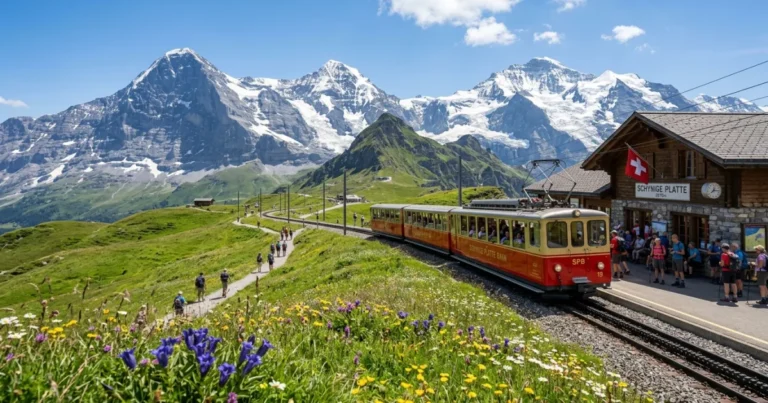
  • The Jungfrau Railway, accessible from Interlaken, leads to the highest railway station in Europe at 3,454 meters.
  • Lake Thun and Lake Brienz are fed by glacial meltwater, giving them their distinct, vibrant turquoise color.

Address:

Interlaken, Switzerland

Find Nearby Accommodations

Electricity

220-240V, 
50Hz

Plug Type

Type C (Round pin), Type J (Three round pins)
Plug types
Click To View Plug Types
Interlaken is part of our
Accessible Travel collection

Activities To Do In Interlaken

Best Time To Visit Interlaken

Interlaken is a year-round destination, but the best time to visit depends entirely on your preferred activities.

  • Summer (June to August): Ideal for hiking, paragliding, and lake cruises. The weather is warm, but it is also peak tourist season.
  • Autumn (September to October): Offers crisp air, fewer crowds, and beautiful fall foliage, though some high-altitude cable cars may close for maintenance.
  • Winter (December to March): Perfect for skiing, snowboarding, and winter hiking in the surrounding Jungfrau region.
  • Spring (April to May): A quieter time to see the valleys bloom, though higher trails may still be snowbound.

Average Temperatures Per Month

Average monthly temperaturesMonthly source values, with Celsius and Fahrenheit equivalents in the following data table.-5°23°3°37°10°50°18°64°25°77°JanJan: 4°C / 39°FFebFeb: 6°C / 43°FMarMar: 7°C / 45°FAprApr: 10°C / 50°FMayMay: 13°C / 55°FJunJun: 19°C / 66°FJulJul: 20°C / 68°FAugAug: 20°C / 68°FSepSep: 17°C / 63°FOctOct: 14°C / 57°FNovNov: 8°C / 46°FDecDec: 6°C / 43°F
View temperature data
Average monthly temperatures
Month°C°F
Jan439
Feb643
Mar745
Apr1050
May1355
Jun1966
Jul2068
Aug2068
Sep1763
Oct1457
Nov846
Dec643

Remember to check the weather forecast a few days before the trip and before heading to the airport.

Safety Level

5 shields = Excellent – very low crime or conflict.

4 shields = Safe – low risk, routine care.

3 shields = Relatively safe – use normal street smarts.

2 shields = Use caution – higher crime or periodic unrest.

1 shields = Avoid – active conflict or extreme danger.

Scores are derived from multi-year peace, homicide and security indices blended into a single 1-to-5 scale.

Interlaken is extremely safe with very low crime rates. Standard precautions against pickpocketing in crowded train stations apply. The primary safety concerns are nature-related: always check weather forecasts before hiking, stay on marked trails, and ensure you have proper equipment for alpine environments.

The rating is based on multi-year peace, crime, and security indices. Before you go, always verify current conditions through official government travel advisories.

Emergency Numbers

Police: 117
Ambulance: 144

No internet needed • Includes local translations • Free for TravelingWiz readers

Spoken Languages

Swiss German is the local dialect, while Standard German is the official written language. English is widely spoken and understood, especially in the tourism and hospitality sectors. French and Italian are also spoken by some locals.
Travel Booking Partner - TravelingWiz

Learn The Language

  • Grüezi (Hello)
  • Danke / Merci (Thank you)
  • Bitte (Please / You’re welcome)
  • Ja (Yes)
  • Nein (No)
  • Sprechen Sie Englisch? (Do you speak English?)
  • Wo ist der Bahnhof? (Where is the train station?)
  • Auf Wiedersehen (Goodbye)

Trip Cost & Budgeting for Interlaken, 2026

Everything you need to know about money while traveling
Yes, Interlaken is expensive for tourists in 2026, ranking among Europe's most costly mountain destinations. According to our Human Verified prices, expect to pay around 4.50 CHF for a cappuccino, 6.75 CHF for a draft beer, and 40 CHF for a standard main meal at a mid-range restaurant. High accommodation and transport fees push daily expenses up quickly. Use the data table below to calculate your specific daily budget based on your travel style.

LOCAL CURRENCY​:

Swiss Franc (CHF)

Price Level:

Low – budget‑friendly basics

Medium – moderate mid‑range costs

High – pricey lodging, dining & transport

High

Cards Vs. Cash

Credit cards and contactless mobile payments are universally accepted throughout Interlaken, making cash rarely necessary.

How Much Cash to Carry (on you)

Per person, per day – pocket cash for small purchases.

Local: 25
Swiss Franc (CHF)
≈ 31 USD

Average Daily Costs (per person)

Full daily spend estimation (accommodation, food, transportation, attractions).

Travel Style
Swiss Franc (CHF)
≈ USD ($)
Budget
140
175
Mid-range
250
312
Comfort
550
687
Note

The Prices, Daily costs, and calculator results are estimates for planning purposes only. Actual costs may vary based on season, booking timing, personal spending habits, and currency fluctuations. TravelingWiz cannot be held responsible for discrepancies between these estimates and your final trip expenses.

Best Value Tips

  • • Buy groceries and ready-to-eat meals at Coop or Migros supermarkets to save on dining.
  • • Purchase a Swiss Half Fare Card or Berner Oberland Pass for steep discounts on mountain trains.
  • • Collect your free Interlaken Guest Card at accommodation check-in for complimentary local bus travel.
  • • Refill water bottles at public drinking fountains rather than buying expensive bottled water.

Tours & Tickets

Explore tours, attractions, and ticket options to plan your visit.
Plan ahead

Travel Offers & Coupons

Browse travel offers and coupons from our affiliate partners.
Affiliate partner offers

What To Pack

  • Sturdy hiking boots for alpine trails.
  • Layered clothing to adapt to rapidly changing mountain weather.
  • A waterproof and windproof jacket.
  • Sunscreen and sunglasses, as UV rays are stronger at high altitudes.
  • A universal power adapter compatible with Swiss Type J outlets.
  • A reusable water bottle to fill up at the many fresh public fountains.
Only the good stuff!
Browse recommended travel gear
Check out our free packing list tool

Recommended Itineraries for Traveling to Interlaken

Take your itinerary with you

Choose a ready-made itinerary, plan your own trip, and keep TravelingWiz by your side while you travel.

Get the TravelingWiz app

Food & Drink Highlights

Local Food Overview

Swiss cuisine in the Bernese Oberland is hearty and cheese-heavy, designed to provide energy for mountain living. Expect to find plenty of dairy, potatoes, and cured meats.

Must Try Dish

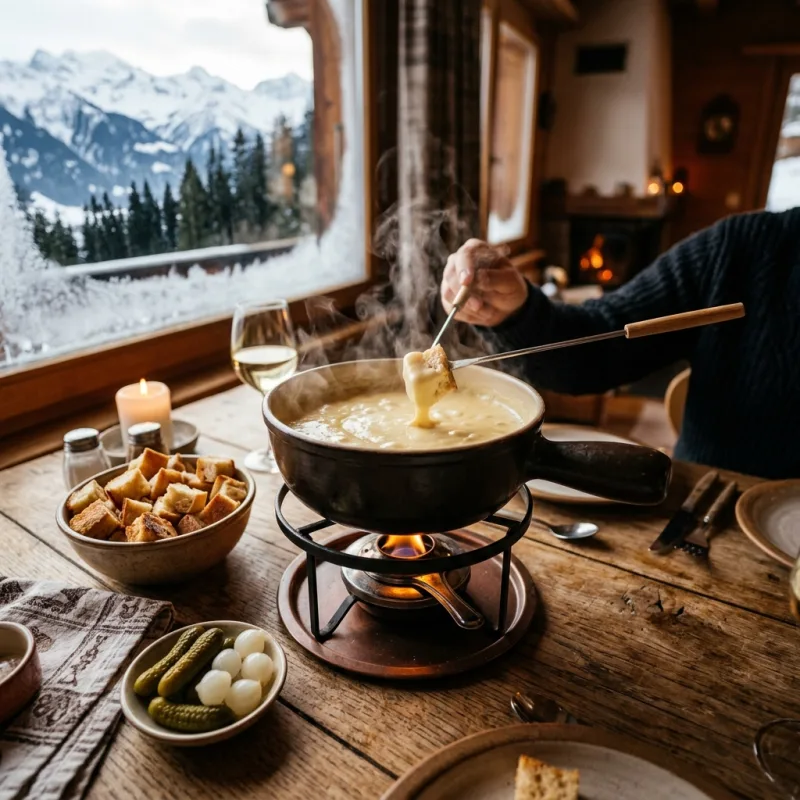
Cheese Fondue - A quintessential Swiss dish consisting of a blend of melted cheeses, wine, and garlic, served in a communal pot over a portable stove. Diners use long-stemmed forks to dip pieces of crusty bread into the rich, bubbling cheese.
Traditional Swiss Cheese Fondue in an Alpine Chalet

Maya’s Final Checklist for Interlaken

Logistics shouldn’t be the focus of your trip—the experience should. I’ve hand-vetted these essential partners to ensure your arrival, stay, and exploration are as smooth as an Athenian breeze.

Maya, the human travel expert at TravelingWiz, offering curated, non-AI expertise

Where to Stay

Compare accommodation options and choose a stay that suits your plans and budget.

Air Travel

Compare flight options and find a route that fits your plans.

Local Guides

Connect with local guides for personalized help planning and exploring.

Travel Protection

The “Engineer’s” rule: always have a backup. Secure your trip with a plan that covers every “what if” and unexpected change.

Car Rentals

Compare rental options and choose a car that suits your trip.

Visa Information

Don’t let paperwork slow you down. Get expert assistance with your application to ensure all your entry documents are in order.

FAQs

No, a car is not necessary and can often be a hindrance. Interlaken has excellent public transportation, and many surrounding mountain villages (like Wengen and Mürren) are entirely car-free.
Yes, Interlaken is the primary transport hub for the Jungfrau region. Trains depart regularly from Interlaken Ost station to connect to the Jungfraujoch railway.
The Swiss Franc (CHF) is the official currency. While some places may accept Euros, change will be given in Francs, often at an unfavorable exchange rate.

Your Insights Matter

TravelingWiz grows through the stories of our community. If you’ve recently explored ,Interlaken share your tips and stories to help us perfect our guides for the next traveler.

Where should we send your offline card?

We hate spam just as much as you do

newsletter_consent *