Disclosure: This site contains affiliate links. We may earn a commission if you make a purchase, at no extra cost to you.

Switzerland

Basic Info

COUNTRY & Region

Switzerland,
Europe

ACCESSIBILITY LEVEL​

  • High: Widely accessible with good facilities for disabilities.
  • Medium: Some accessible options, but limitations exist.
  • Low: Limited accessibility; many barriers for disabilities.
High

LOCAL CURRENCY​

Swiss Franc (CHF)

Price Level

Low – budget‑friendly basics

Medium – moderate mid‑range costs

High – pricey lodging, dining & transport

High

SAFETY LEVEL

5 shields = Excellent – very low crime or conflict.

4 shields = Safe – low risk, routine care.

3 shields = Relatively safe – use normal street smarts.

2 shields = Use caution – higher crime or periodic unrest.

1 shields = Avoid – active conflict or extreme danger.

Scores are derived from multi-year peace, homicide and security indices blended into a single 1-to-5 scale.

Recommended Duration

Overnight, 1-7 days, More than a week

Switzerland Overview & Key Highlights

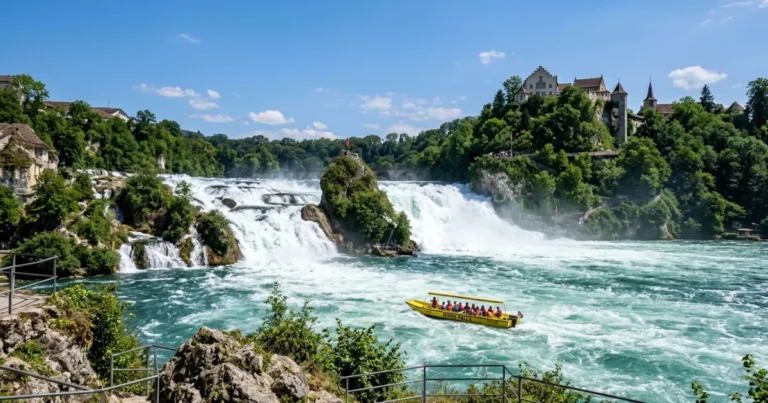
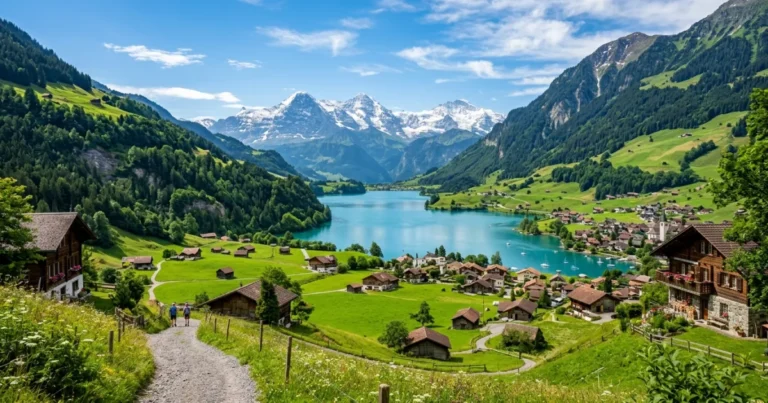
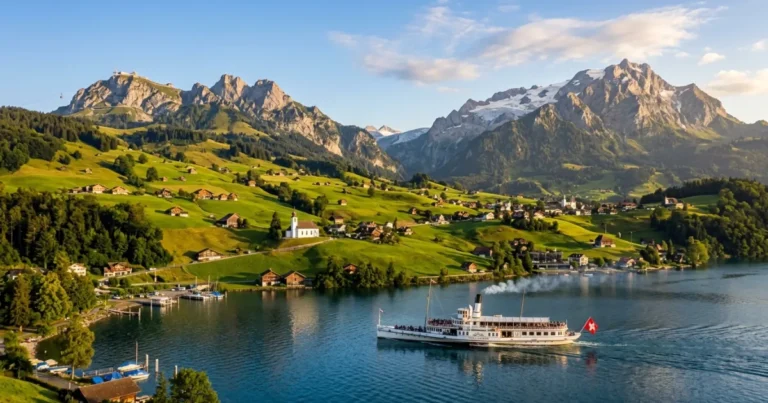
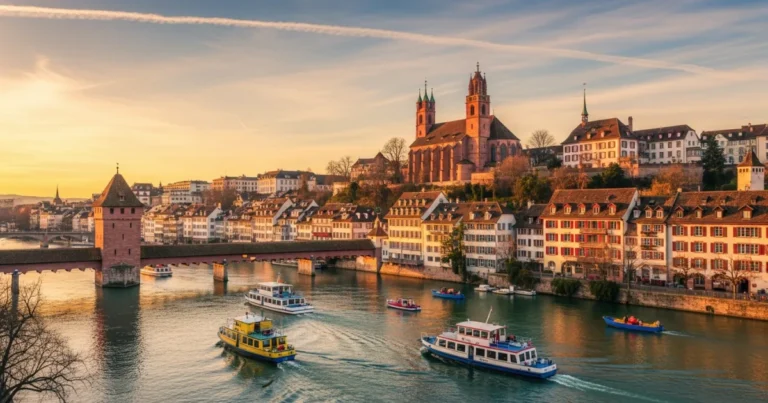
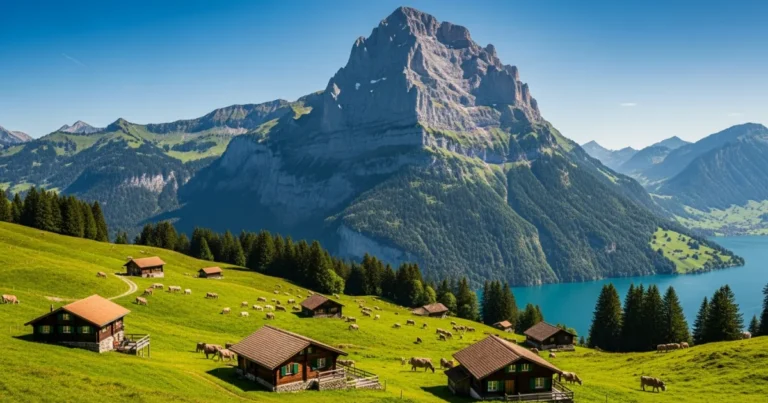
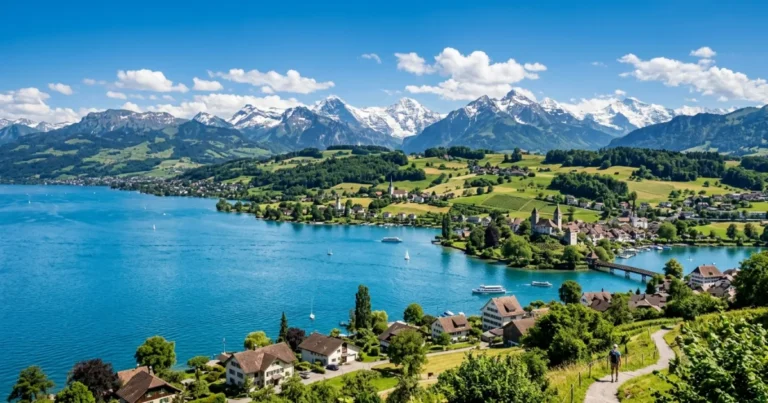
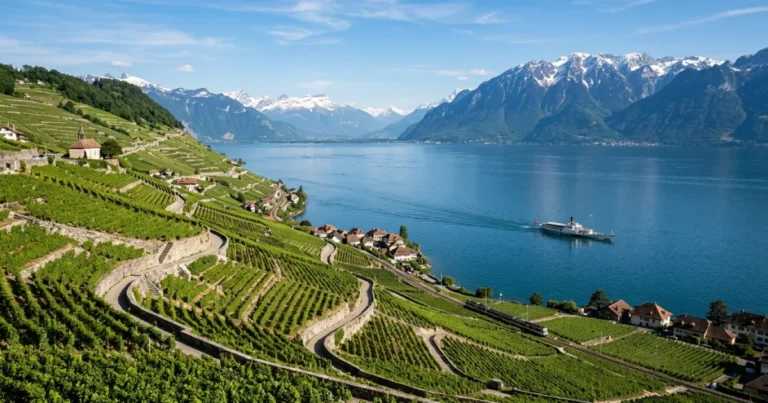
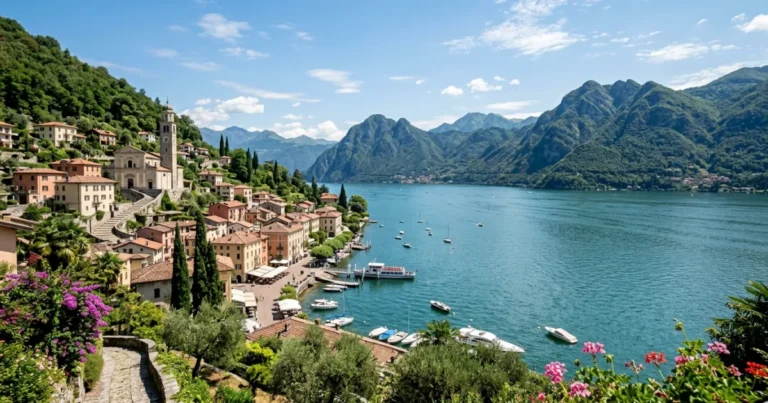
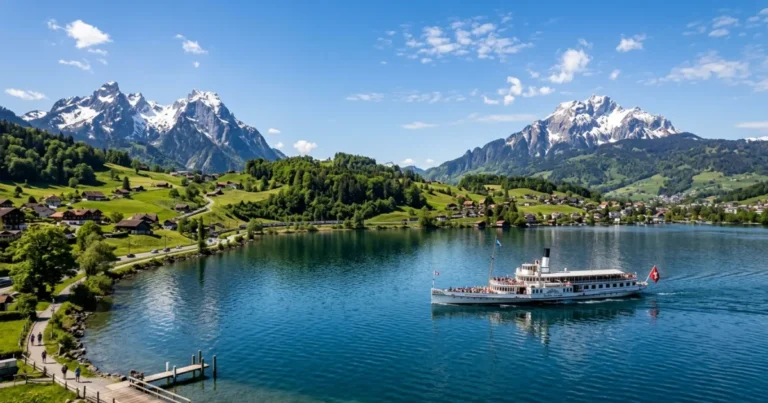
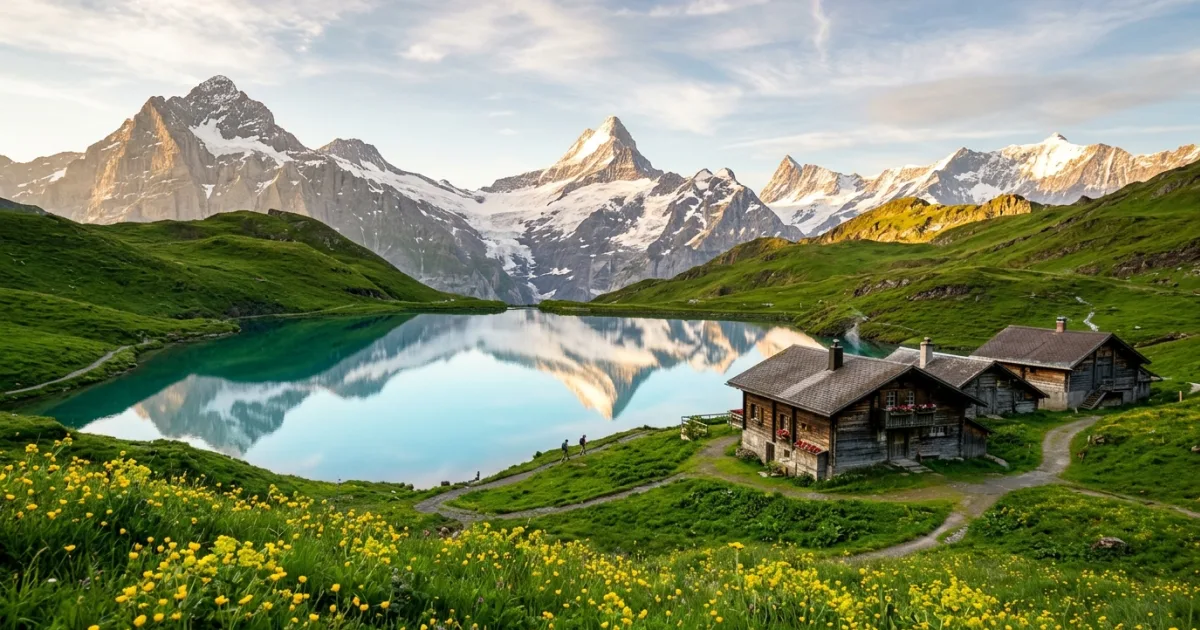
Switzerland is known for its amazing views of the Alps, pristine lakes, and picturesque cities. With a blend of German, French, and Italian cultures, Switzerland offers travelers world-class museums, culinary delights, and vibrant festivals. Known for its precision, safety, and eco-consciousness, Switzerland is a top destination for outdoor enthusiasts, cultural explorers, and those seeking relaxation.

Switzerland Travel Guide: Logistics & In-Depth Tips

Switzerland’s breathtaking landscapes, luxurious resorts, and historical towns make it a dream destination for travelers.

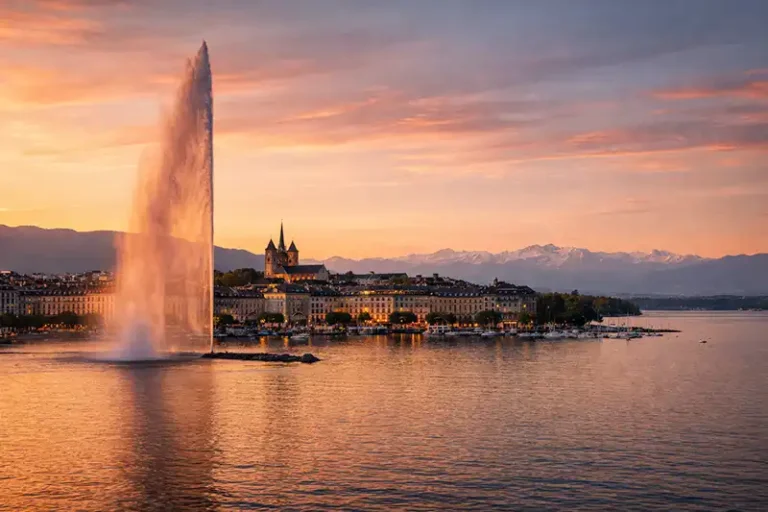
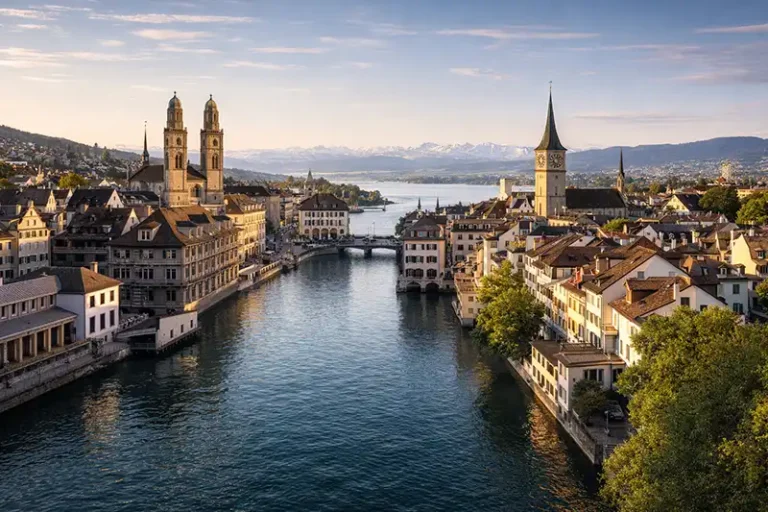
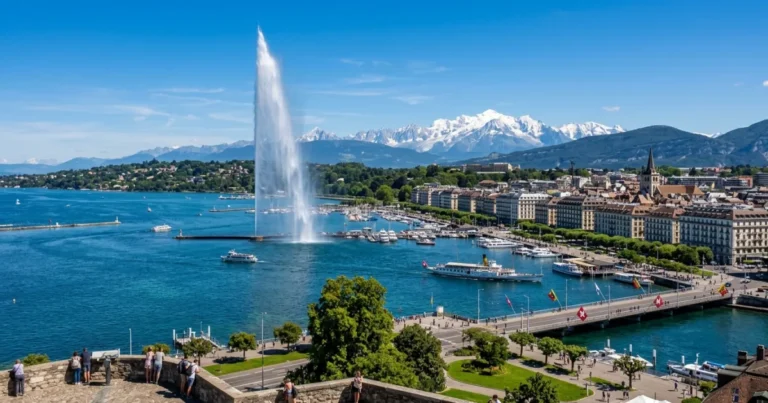
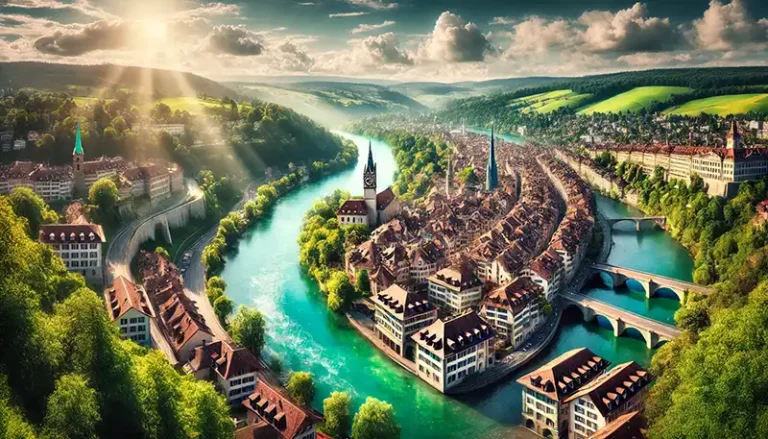
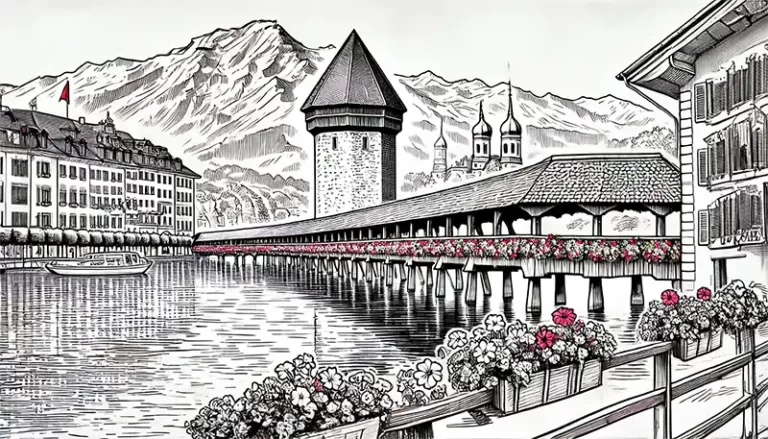
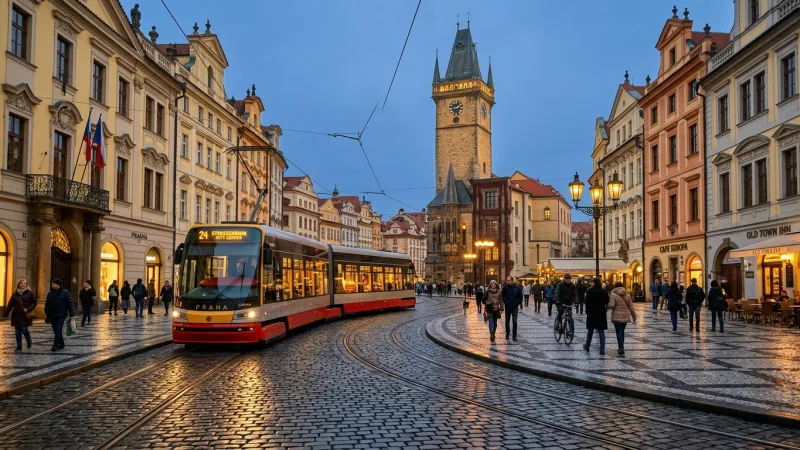
  • Iconic Cities and Architecture: Zurich, Geneva, and Bern each have their own charm, with Zurich known for its cosmopolitan vibe, Geneva for international influence, and Bern for its medieval old town. Lausanne and Lucerne are also popular, offering lakeside views and historic sites.
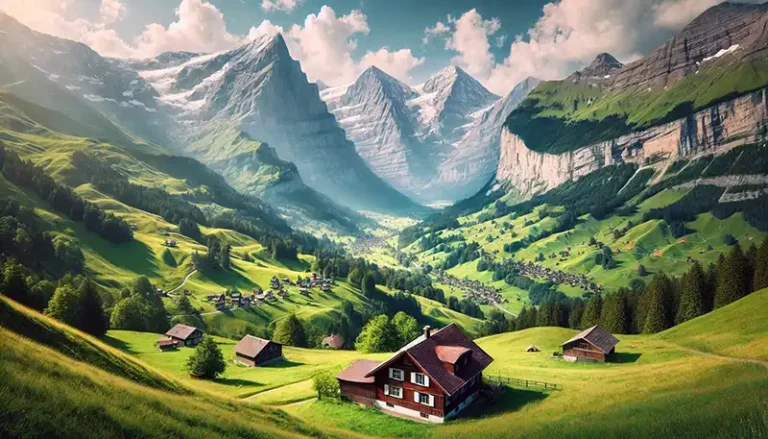
  • The Swiss Alps and Outdoor Adventures: The Swiss Alps are a paradise for hiking, skiing, and mountaineering. Regions like Jungfrau, Zermatt, and Interlaken offer year-round activities, including hiking trails, mountain railways, and glacier excursions.
  • Swiss Traditions and Festivals: Switzerland celebrates its heritage with festivals like Fasnacht (carnival) in Basel, Montreux Jazz Festival, and the Locarno Film Festival. Swiss National Day on August 1 is marked with fireworks and celebrations across the country.
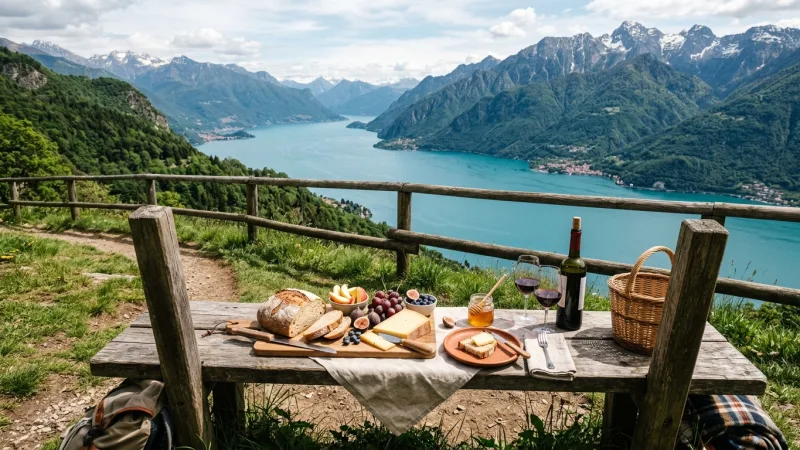
  • Culinary Delights: Switzerland is famous for its cheese (like fondue and raclette) and chocolate. The country also boasts diverse wines and regional dishes that vary between German, French, and Italian influences.


Reasons to Visit:

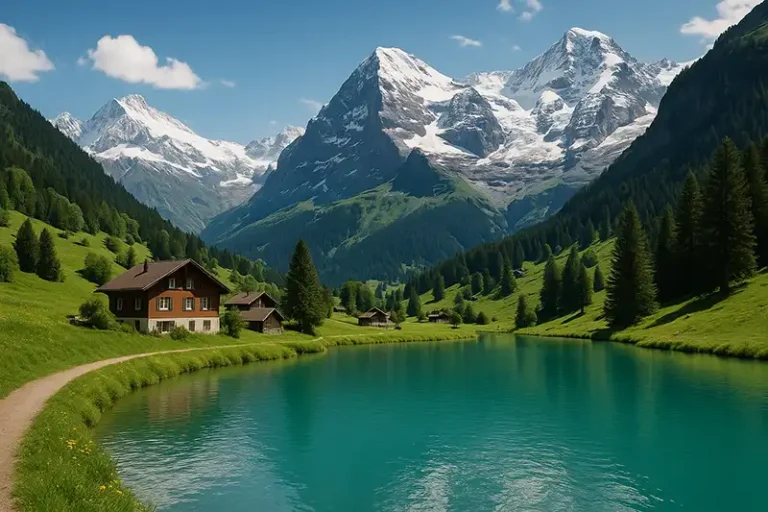
  • Stunning Alpine Scenery: Switzerland’s mountains, lakes, and valleys offer incredible views and outdoor activities.
  • World-Class Ski Resorts: The Swiss Alps are home to some of the best skiing and winter sports in the world.
  • Unique Cultural Mix: Experience a blend of German, French, and Italian cultures, reflected in Switzerland’s language, architecture, and cuisine.
  • Luxury and Wellness: Swiss resorts offer high-end accommodations, spas, and wellness experiences.
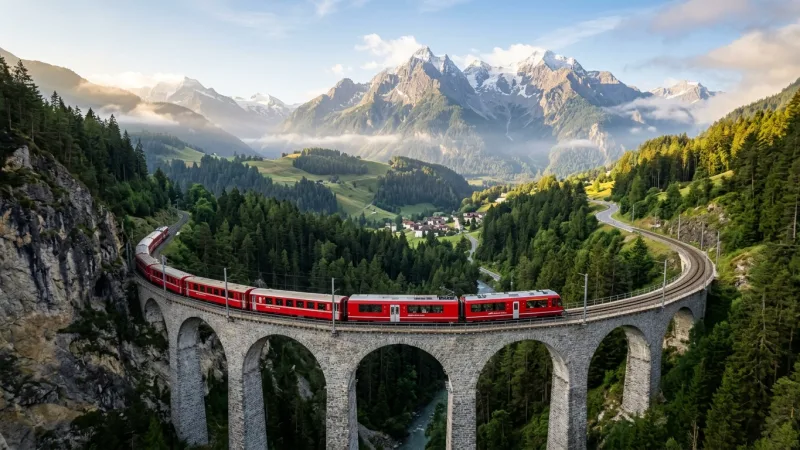
  • Efficient and Scenic Transportation: Switzerland’s public transportation is renowned for its efficiency, and scenic train routes like the Glacier Express are popular.


Things to Avoid:

  • Visiting without Checking Weather: Weather in mountainous areas can change quickly; always check forecasts before hiking or skiing.
  • Ignoring Quiet Hours: Switzerland values quiet, especially in residential areas, so observe local customs and noise restrictions.
  • Littering in Natural Areas: Switzerland takes sustainability seriously; follow strict rules on littering and recycling.
  • Underestimating Costs: Switzerland can be expensive, so budget accordingly for food, accommodations, and activities.


Accessibility Level: High

Switzerland provides accessible public transportation, hotels, and attractions, with many options in major cities and scenic areas.

Address:

Switzerland

Find Nearby Accommodations

Electricity

220-240V, 
50Hz

Plug Type

Type C (Round pin), Type J (Three round pins)
Plug types
Click To View Plug Types
Switzerland is part of our
Accessible Travel collection

Want a deeper experience in Switzerland?

Explore private guides and find an experience that suits your interests.

Activities To Do In Switzerland

Best Time To Visit Switzerland

The best times to visit Switzerland are June to September for summer activities and December to March for winter sports.

  • Spring (March to May): Mild temperatures and blooming landscapes make it ideal for hiking, with fewer crowds than summer.
  • Summer (June to August): Warm and sunny, perfect for outdoor activities, lake excursions, and exploring cities.
  • Autumn (September to November): Cooler weather, stunning fall colors, and fewer tourists make it great for nature walks and city exploration.
  • Winter (December to February): Ideal for skiing and snowboarding in the Alps, with famous winter resorts like Zermatt and St. Moritz.

Average Temperatures Per Month

Average monthly temperaturesMonthly source values, with Celsius and Fahrenheit equivalents in the following data table.-10°14°-3°28°5°41°13°55°20°68°JanJan: -4°C / 25°FFebFeb: -1°C / 30°FMarMar: -1°C / 30°FAprApr: 3°C / 37°FMayMay: 6°C / 43°FJunJun: 13°C / 55°FJulJul: 14°C / 57°FAugAug: 13°C / 55°FSepSep: 10°C / 50°FOctOct: 7°C / 45°FNovNov: 1°C / 34°FDecDec: -2°C / 28°F
View temperature data
Average monthly temperatures
Month°C°F
Jan-425
Feb-130
Mar-130
Apr337
May643
Jun1355
Jul1457
Aug1355
Sep1050
Oct745
Nov134
Dec-228

Remember to check the weather forecast a few days before the trip and before heading to the airport.

Safety Level

5 shields = Excellent – very low crime or conflict.

4 shields = Safe – low risk, routine care.

3 shields = Relatively safe – use normal street smarts.

2 shields = Use caution – higher crime or periodic unrest.

1 shields = Avoid – active conflict or extreme danger.

Scores are derived from multi-year peace, homicide and security indices blended into a single 1-to-5 scale.

Switzerland is one of the safest destinations in the world, requiring only standard safety precautions for travelers. Visitors should keep an eye on personal belongings in busy areas such as major railway stations, airports, and crowded tourist spots where petty pickpocketing can occur. If participating in outdoor alpine activities, monitor local mountain weather conditions and adhere to official safety guidelines.

The rating is based on multi-year peace, crime, and security indices. Before you go, always verify current conditions through official government travel advisories.

Emergency Numbers

Police: 112 (Universal) / 117
Ambulance: 112 (Universal) / 144

No internet needed • Includes local translations • Free for TravelingWiz readers

Spoken Languages

Switzerland has four official languages: German, French, Italian, and Romansh. German is most widely spoken, with English common in tourist areas.
Travel Booking Partner - TravelingWiz

Learn The Language

  • Hello – Hallo (German) / Bonjour (French) / Ciao (Italian)
  • Thank you – Danke (German) / Merci (French) / Grazie (Italian)
  • Yes – Ja (German) / Oui (French) / Sì (Italian)
  • No – Nein (German) / Non (French) / No (Italian)
  • Excuse me – Entschuldigung (German) / Excusez-moi (French) / Scusi (Italian)
  • Please – Bitte (German) / S’il vous plaît (French) / Per favore (Italian)
  • Goodbye – Auf Wiedersehen (German) / Au revoir (French) / Arrivederci (Italian)

Trip Cost & Budgeting for Switzerland, 2026

Everything you need to know about money while traveling
Is Switzerland expensive for tourists in 2026? Yes, Switzerland remains one of the highest-cost travel destinations in the world, backed by our Human Verified prices. For daily spending, expect to pay around 5.50 CHF for a cappuccino, 7.50 CHF for a domestic pint of beer, and 30 CHF for a main meal at a standard mid-range restaurant. Use the data table below to calculate your specific daily budget based on your travel style.

LOCAL CURRENCY​:

Swiss Franc (CHF)

Price Level:

Low – budget‑friendly basics

Medium – moderate mid‑range costs

High – pricey lodging, dining & transport

High

Cards Vs. Cash

Credit cards and contactless mobile payments are accepted almost everywhere, so cash is rarely mandatory.

How Much Cash to Carry (on you)

Per person, per day – pocket cash for small purchases.

Local: 25
Swiss Franc (CHF)
≈ 30 USD

Average Daily Costs (per person)

Full daily spend estimation (accommodation, food, transportation, attractions).

Travel Style
Swiss Franc (CHF)
≈ USD ($)
Budget
145
176
Mid-range
260
316
Comfort
570
693
Note

The Prices, Daily costs, and calculator results are estimates for planning purposes only. Actual costs may vary based on season, booking timing, personal spending habits, and currency fluctuations. TravelingWiz cannot be held responsible for discrepancies between these estimates and your final trip expenses.

Best Value Tips

  • Buy fresh food and pre-made lunch items at Coop or Migros supermarkets instead of eating at restaurants for every meal.
  • Purchase a Swiss Half Fare Card or Swiss Travel Pass to get major discounts on regional trains, buses, and cable cars.
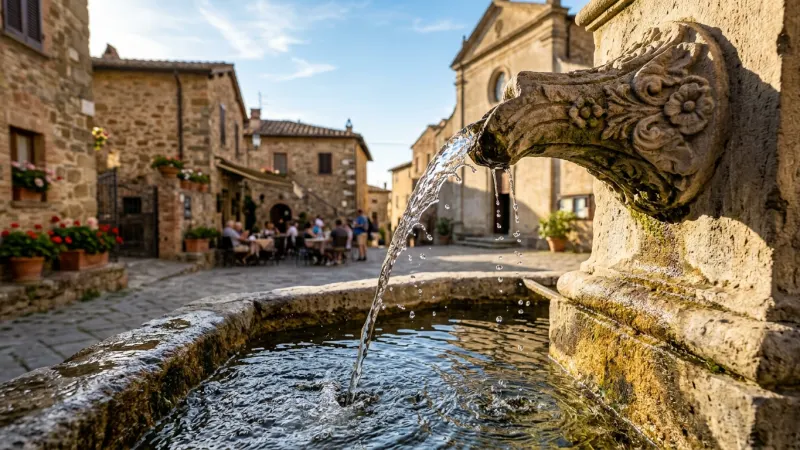
  • Drink clean, free water from public town fountains across the country using a reusable bottle rather than buying bottled water.
  • Take advantage of free regional tourist mobility passes offered by hotel check-ins in major towns like Geneva, Bern, and Lucerne.

Travel Offers & Coupons

Browse travel offers and coupons from our affiliate partners.
Affiliate partner offers

What To Pack

In summer, pack lightweight clothing, hiking boots, and layers for cooler evenings. In winter, bring insulated clothing, waterproof boots, and ski gear if planning to hit the slopes. Year-round essentials include a rain jacket, sunscreen, and comfortable walking shoes.

Only the good stuff!
Browse recommended travel gear
Check out our free packing list tool

Recommended Itineraries for Traveling to Switzerland

Take your itinerary with you

Choose a ready-made itinerary, plan your own trip, and keep TravelingWiz by your side while you travel.

Get the TravelingWiz app

Maya’s Final Checklist for Switzerland

Logistics shouldn’t be the focus of your trip—the experience should. I’ve hand-vetted these essential partners to ensure your arrival, stay, and exploration are as smooth as an Athenian breeze.

Maya, the human travel expert at TravelingWiz, offering curated, non-AI expertise

Where to Stay

Compare accommodation options and choose a stay that suits your plans and budget.

Air Travel

Compare flight options and find a route that fits your plans.

Local Guides

Connect with local guides for personalized help planning and exploring.

Travel Protection

The “Engineer’s” rule: always have a backup. Secure your trip with a plan that covers every “what if” and unexpected change.

Car Rentals

Compare rental options and choose a car that suits your trip.

Visa Information

Don’t let paperwork slow you down. Get expert assistance with your application to ensure all your entry documents are in order.

FAQs

Summer (June to September) is ideal for hiking, while winter (December to February) is best for skiing.
Switzerland is part of the Schengen Area, so visa requirements vary by nationality. Starting in 2026, visa-exempt travelers (such as US, UK, and Canadian citizens) will need to register biometric data with the new EU Entry/Exit System (EES) at the border. Additionally, by late 2026/2027, an approved ETIAS authorization will be required before traveling.
Switzerland uses the Swiss Franc (CHF).
Yes, Switzerland is very safe with low crime rates.
Key destinations include the Swiss Alps, Lake Geneva, Zermatt, and Lucerne.
Yes, you can safely drink tap water across Switzerland. Sourced from natural alpine springs and groundwater, it is among the cleanest in the world. You will also spot countless public drinking fountains in major cities and historic villages where you can freely refill a reusable bottle while exploring.
Yes, you can easily get by with English, particularly in tourist destinations, major cities, railway stations, and ski resorts. Switzerland has four national languages—German, French, Italian, and Romansh—depending on the region. While many locals speak English fluently, learning a few courteous greetings in the local regional language is always appreciated.
Yes, Switzerland is known as a high-cost destination, but you can keep expenses under control. You can save money by shopping at supermarkets like Coop or Migros for lunches, using free guest transport passes provided by local hotels, and getting a transit pass for rail journeys. For detailed cost estimates, check the Budget section on this page.
You should use Switzerland’s highly efficient public transportation network of trains, buses, boats, and mountain cable cars. Trains run frequently and connect even the most remote alpine villages. Purchasing a regional travel card or a Swiss Travel Pass allows you to hop on public transit effortlessly and enjoy world-famous scenic routes like the Glacier Express.

Your Insights Matter

TravelingWiz grows through the stories of our community. If you’ve recently explored ,Switzerland share your tips and stories to help us perfect our guides for the next traveler.

Where should we send your offline card?

We hate spam just as much as you do

newsletter_consent *