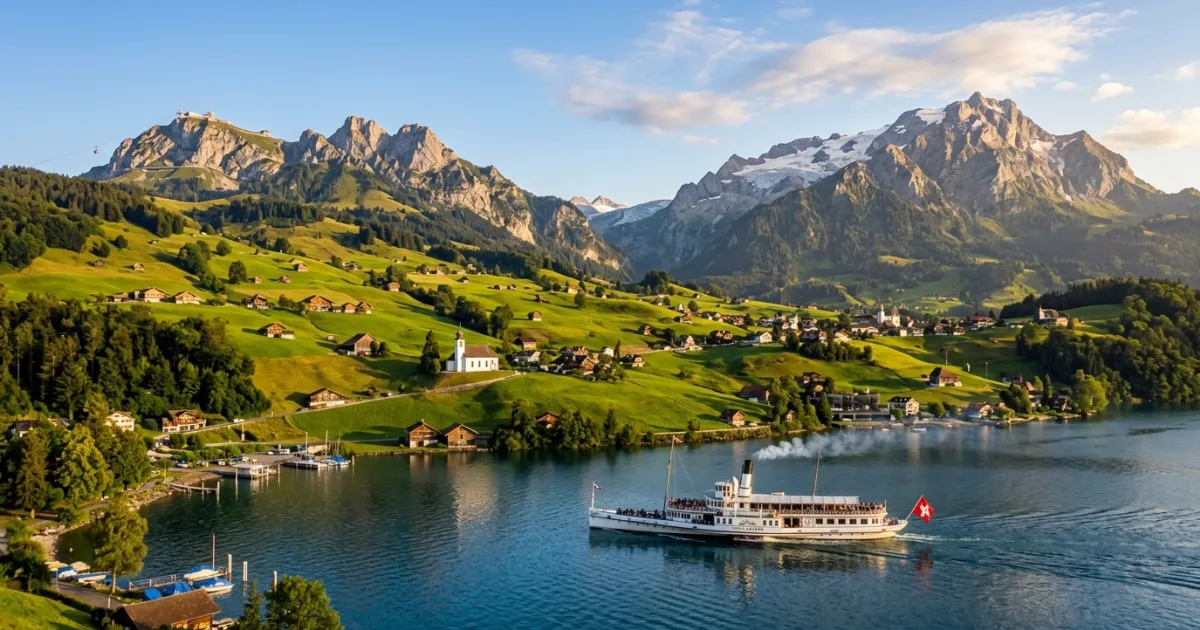
Central Switzerland is a region where dramatic topography meets impeccable Swiss engineering. Centered around the intricate, fjord-like arms of Lake Lucerne (Vierwaldstättersee), the area is framed by iconic peaks such as Mount Pilatus, Mount Rigi, and Mount Titlis. This is the historic core of the country, where the original three cantons—Uri, Schwyz, and Unterwalden—swore an oath of allegiance in 1291, laying the foundation for modern Switzerland. Today, visitors can trace this history along the Swiss Path (Weg der Schweiz) or by visiting the Federal Charter Museum in Schwyz.
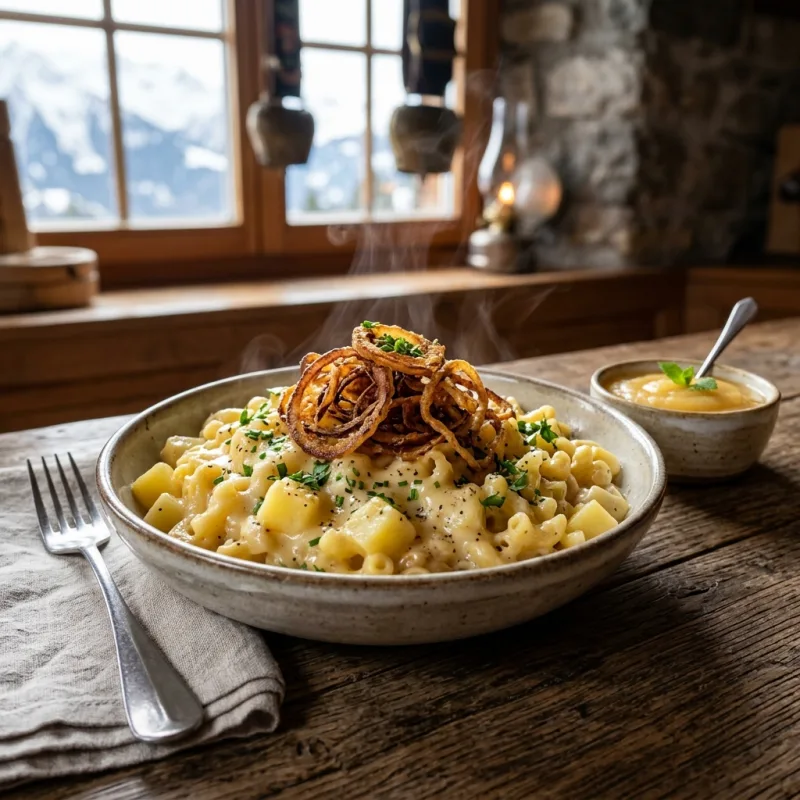
Beyond its historical significance, the region is a playground for outdoor enthusiasts and luxury seekers alike. The city of Lucerne serves as the perfect gateway, boasting a beautifully preserved medieval Old Town, the iconic Chapel Bridge, and a vibrant cultural scene. From here, a network of historic paddle steamers, panoramic trains, and record-breaking cable cars whisks travelers into the high Alps. Whether you are indulging in a wellness retreat in Weggis, skiing the deep powder of Andermatt, or simply enjoying a quiet fondue in a rustic mountain hut, Central Switzerland delivers an unforgettable alpine experience.
Reasons to Visit
- Iconic Alpine Peaks: Easy access to legendary mountains like Pilatus, Rigi, and Titlis via world-class cable cars and cogwheel trains.
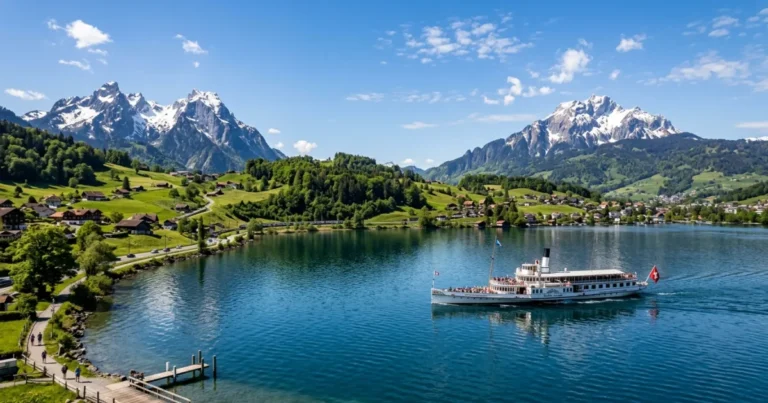
- Lake Lucerne: A stunning, multi-armed lake perfect for scenic cruises on historic paddle steamers.
- Historical Significance: The birthplace of Switzerland, offering deep cultural insights at sites like the Rütli meadow and the town of Schwyz.
- Unmatched Infrastructure: Seamless, punctual, and scenic public transportation that makes exploring effortless.
- Year-Round Appeal: World-class hiking and swimming in the summer, transitioning to premier skiing and snowshoeing in the winter.
Things to Avoid
- Buying Single Tickets: Avoid purchasing individual transit tickets for every journey; regional passes offer much better value.
- Underestimating the Weather: Mountain weather changes rapidly. Never hike without checking the forecast and bringing layers.
- Skipping the Small Towns: While Lucerne is beautiful, avoid spending your entire trip there. Towns like Engelberg, Andermatt, and Brunnen offer incredible charm.
- Buying Bottled Water: Tap water and public fountains provide free, pristine alpine water.
- Ignoring Altitude: If taking a cable car to high peaks like Titlis (over 3,000m), be mindful of altitude sickness and move slowly.
Local Transportation Tips
Central Switzerland boasts one of the most efficient and scenic public transportation networks in the world. The system seamlessly integrates SBB trains, PostBuses, lake steamers, and mountain railways. The central hub is Lucerne, from which you can reach almost any mountain peak or lakeside village. For tourists, the 'Tell-Pass' is a regional ticket offering unlimited travel on trains, buses, boats, and a vast array of aerial cableways across Central Switzerland. Alternatively, the Swiss Travel Pass covers the entire country and includes free admission to hundreds of museums. Timetables are strictly adhered to, and the SBB Mobile app is an essential tool for planning routes and purchasing tickets on the go.
Travel Etiquette
- Punctuality: The Swiss value time highly. Arrive exactly on time for tours, reservations, and train departures.
- Greetings: It is customary to greet shopkeepers when entering and leaving a store, and to say 'Grüezi' to fellow hikers on mountain trails.
- Tipping: Service is included in restaurant bills by law. However, rounding up to the nearest franc or leaving a 5-10% tip for exceptional service is common.
- Quiet Hours: Sundays are traditionally rest days. Avoid loud activities, and note that most shops (outside of major train stations) will be closed.
- Recycling: Switzerland has strict recycling rules. Always use the correct bins for PET bottles, paper, and general waste.
Recommended Age Group
Central Switzerland is a highly versatile destination, offering excellent infrastructure that caters to travelers of all ages, from toddlers to seniors.
- Babies (0-2 years): Neutral. While public transport is highly accessible and stroller-friendly, rapid ascents to high-altitude peaks (above 2,500m) are generally not recommended for infants due to pressure changes.
- Kids (3-12 years): Recommended. The region is a massive playground with interactive attractions like the Swiss Museum of Transport, themed hiking trails (like the Globi trail), and easy boat rides.
- Teens (13-19 years): Recommended. Thrill-seekers will love the summer toboggan runs, rope parks, mountain biking, and extensive winter sports options.
- Adults (20-64 years): Recommended. Perfect for active adventures, romantic wellness retreats, culinary exploration, and deep dives into Swiss history.
- Seniors (65+ years): Recommended. The exceptional public transport network, smooth walking paths, and accessible cable cars make it incredibly easy to enjoy high alpine views without strenuous physical exertion.
Accessibility Level: Medium
- Trains and Buses: The Swiss public transport system is highly accessible. Most trains and buses feature low-floor entry or ramps, and SBB offers a free Call Center Handicap service to assist with boarding.
- Boats: The Lake Lucerne navigation company (SGV) ensures that all main decks and restaurants on their modern motor vessels and historic paddle steamers are wheelchair accessible.
- Mountain Railways: Many major peaks, including Mount Rigi and Mount Pilatus, are accessible to wheelchair users via specific cable cars and cogwheel trains, with paved viewing platforms at the summit.
- Accommodation: Modern hotels and resorts in Lucerne and surrounding areas offer barrier-free rooms, though older, historic chalets may have limitations.
Did You Know?
Did you know that the Pilatus Railway in Central Switzerland is the steepest cogwheel railway in the world? Operating since 1889, it boasts a maximum gradient of 48% as it climbs from Alpnachstad to the summit of Mount Pilatus. The ingenious rack system, designed by engineer Eduard Locher, features two horizontally rotating cogwheels that ensure the train remains securely on the track, a design so revolutionary it was showcased at the 1889 World's Fair in Paris.
Cool Statistics
- Steepest Cogwheel Railway: Mount Pilatus features a track with a 48% gradient.
- Oldest Covered Wooden Bridge: Lucerne's Chapel Bridge (Kapellbrücke) was originally built in 1333.
- First Revolving Cable Car: The Titlis Rotair was the world's first fully rotating aerial tramway.
- Birthplace of Switzerland: The Rütli meadow in Central Switzerland is where the nation was founded in 1291.
- Lake Lucerne's Shoreline: The lake has a complex, fjord-like shape with a total shoreline of 161.9 kilometers.







Buy a compatible power adapter for your trip