Disclosure: This site contains affiliate links. We may earn a commission if you make a purchase, at no extra cost to you.
Engadine

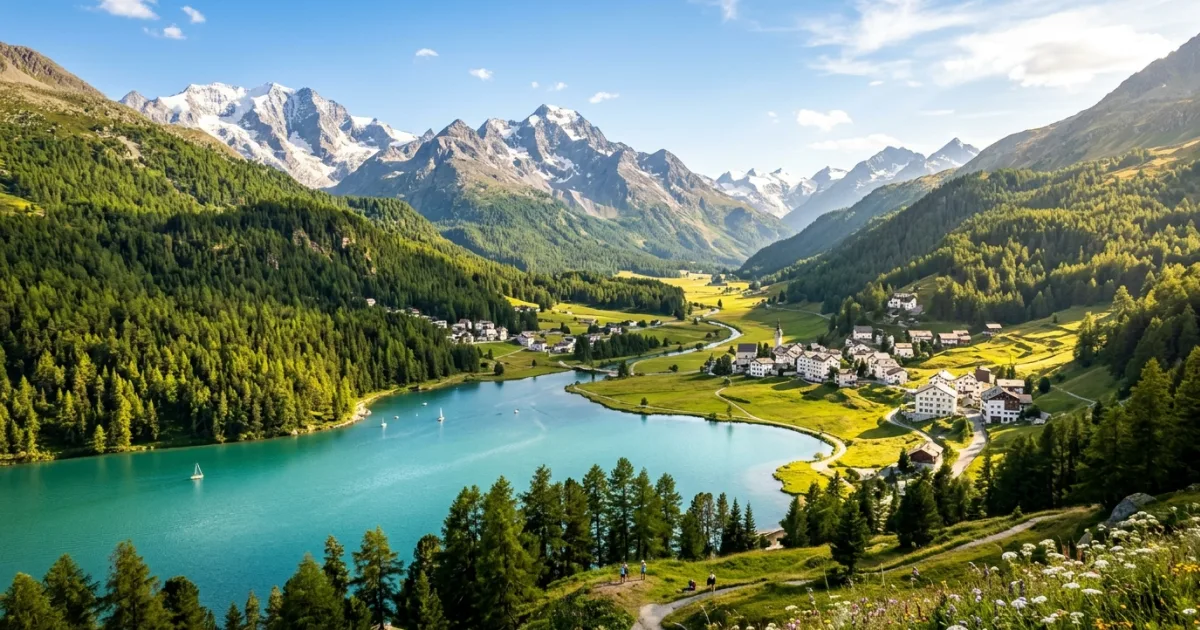
Panoramic view of Lake Silvaplana and mountain peaks in the Engadine valley Switzerland

Basic Info

COUNTRY & Region

Switzerland,
Europe

ACCESSIBILITY LEVEL​

  • High: Widely accessible with good facilities for disabilities.
  • Medium: Some accessible options, but limitations exist.
  • Low: Limited accessibility; many barriers for disabilities.
Medium

LOCAL CURRENCY​

Swiss Franc (CHF)

Price Level

Low – budget‑friendly basics

Medium – moderate mid‑range costs

High – pricey lodging, dining & transport

High

SAFETY LEVEL

5 shields = Excellent – very low crime or conflict.

4 shields = Safe – low risk, routine care.

3 shields = Relatively safe – use normal street smarts.

2 shields = Use caution – higher crime or periodic unrest.

1 shields = Avoid – active conflict or extreme danger.

Scores are derived from multi-year peace, homicide and security indices blended into a single 1-to-5 scale.

Recommended Duration

1-7 days, More than a week

Engadine Overview & Key Highlights

The Engadine is a sun-drenched high-Alpine valley situated in the southeastern Swiss canton of Graubünden, stretching along the river Inn across sixty miles from the Maloja Pass to the Austrian border. Divided into the upper lake-studded plateau of the Upper Engadine and the deeply carved gorges and Romanesque villages of the Lower Engadine, the region averages over three hundred days of sunshine annually. Glacial peaks like Piz Bernina rise above pristine turquoise waters, ancient stone farmhouses decorated with intricate sgraffito plasterwork, and centuries-old Swiss pine forests. Visitors experience a harmonious duality between the cosmopolitan glamour of St. Moritz and the pastoral authenticity of preserved settlements like Guarda, Zuoz, and Scuol. World-class alpine skiing, pristine cross-country tracks, and scenic journeys on the UNESCO-listed Rhaetian Railway define the winter season, while summer brings endless high-altitude hiking, sailing, and thermal spa wellness. Rich in Romansh heritage, the valley remains one of the most culturally distinct and visually dramatic regions in the European Alps.

Engadine Travel Guide: Logistics & In-Depth Tips

The Engadine is one of the highest permanently inhabited valleys in Europe, running along the river Inn from the Maloja Pass down to Martina on the Austrian border. Renowned for its crisp mountain atmosphere and celebrated light that has historically attracted artists and philosophers like Friedrich Nietzsche, Giovanni Segantini, and Alberto Giacometti, the valley offers a unique balance between high-end leisure and rustic mountain tradition. The architectural fingerprint of the valley is unmistakable: thick-walled stone houses featuring funnel-shaped windows and ornate sgraffito engravings line cobbled town squares centered around gushing village fountains.

Geographically and culturally, the region is split into two halves. The Upper Engadine boasts a broad, glaciated landscape dotted with a chain of crystalline lakes—Sils, Silvaplana, Champfèr, and St. Moritz—ideal for mountain lake sailing, kite-surfing, and high-alpine exploration beneath the Bernina Massif. Further downstream, the Lower Engadine narrows into a secluded canyon world where ancient castles like Tarasp loom over quiet farming enclaves and naturally carbonated mineral springs burst from the earth. Whether taking the panoramic Bernina Express across soaring viaducts or wandering the pine forests of the Swiss National Park in Zernez, the Engadine delivers an incomparable Swiss travel experience.

Reasons to Visit

  • World-Class Rail Journeys: Ride the UNESCO World Heritage-listed Rhaetian Railway across the Landwasser and Albula viaducts.
  • Pristine Alpine Lakes: Sail, kitesurf, or hike around the shimmering waters of Lake Sils and Lake Silvaplana.
  • Unique Romansh Architecture: Marvel at authentic Engadine stone farmhouses featuring hand-carved sgraffito facades in Guarda, Zuoz, and Ardez.
  • Premier Skiing and Snowboarding: Access hundreds of miles of pristine slopes across Corviglia, Corvatsch, and Diavolezza.
  • Thermal Mineral Wellness: Soak in natural mineral baths and Roman-Irish spas overlooking mountain panoramas in Scuol and St. Moritz.

Things to Avoid

  • Relying on Taxis for Regional Trips: Taxis are extremely expensive; utilize the seamless Rhaetian Railway and PostBus network instead.
  • Underestimating High-Altitude Weather: Never embark on mountain trails without rain shells and warm layers, even on blue-sky mornings.
  • Visiting During Mid-Season Closures: Avoid scheduling a trip during November or late April, when most cable cars, spas, and hotels close down.
  • Ignoring Trail Etiquette: Always yield to ascending hikers on narrow alpine tracks and close all pasture livestock gates behind you.

Local Transportation Tips

Public transportation in the Engadine is renowned for its Swiss precision and comprehensive reach. The red trains of the Rhaetian Railway (RhB) provide swift, comfortable connections between major valley towns, connecting St. Moritz, Pontresina, Samedan, and Scuol with Zurich and Chur via the Albula line. Where train tracks end, the bright yellow PostBus network takes over, servicing remote hamlets, trailhead outposts, and high mountain passes. In the summer months, most accommodations provide free regional transit and mountain railway passes with a stay of two nights or more, making independent exploration straightforward and cost-effective.

Travel Etiquette

  • Greet Locals Properly: Say 'Allegra' in Romansh or 'Grüezi' in Swiss German when entering small shops or passing hikers on trails.
  • Respect Quiet Hours: Swiss communities observe quiet hours (Nachtruhe) between 10:00 PM and 7:00 AM; avoid loud noises in village centers during these times.
  • Stick to Marked Trails: Protect sensitive alpine flora and wild pastures by never trampling outside designated footpaths.
  • Tipping Practices: Service is included by law in restaurants; rounding up your bill by 5-10% for attentive service is customary but optional.

Recommended Age Group

The Engadine offers an exceptionally broad spectrum of alpine recreation, luxury, and tranquility suited to multiple generations.

  • Babies (0-2 years): Neutral. While village centers are stroller accessible and mountain air is invigorating, the high altitude (above 1,800m) can disturb infant sleep patterns, and rocky alpine trails require sturdy child carriers.
  • Kids (3-12 years): Recommended. Children thrive exploring the interactive Swiss National Park visitor center, riding fairy-tale cable cars, watching alpine wildlife, and visiting family-friendly swimming pools and ski schools.
  • Teens (13-19 years): Recommended. Excellent opportunities for downhill mountain biking, windsurfing on Lake Silvaplana, snowboarding, rope parks, and trail running provide ample thrills.
  • Adults (20-64 years): Recommended. Perfect for hiking, cycling, luxury dining, boutique shopping, and scenic train excursions through historic mountain towns.
  • Seniors (65+ years): Recommended. Flat lake promenades, barrier-free scenic railways, relaxing thermal baths, and world-class healthcare make the valley exceptionally comfortable for older travelers.

Accessibility Level: Medium

  • Accessible Railway Stations: All major Rhaetian Railway stations offer level boarding, ramps, and dedicated wheelchair compartments.
  • Wheelchair-Friendly Mountain Transport: Key cable cars including Corviglia and Diavolezza accommodate wheelchairs and mobility scooters seamlessly.
  • Paved Lake Paths: Wide, flat, paved promenades run along sections of Lake St. Moritz and Lake Silvaplana, providing accessible scenic routes without steep gradients.
  • Accessible Public Baths: Bogn Engiadina in Scuol and the Ovaverva pool and spa complex in St. Moritz feature dedicated pool lifts and barrier-free dressing facilities.

Did You Know?

The unique, scratched plaster designs seen on houses across the Engadine are known as sgraffito, derived from the Italian word graffiare (to scratch). Craftsmen apply a dark layer of wet lime plaster, cover it with a white layer, and meticulously scrape away patterns while wet to reveal the darker undercoat, creating centuries-old decorative motifs that symbolize fertility, protection, and prosperity.

Cool Statistics

  • 322 Days of Sunshine: St. Moritz and the Upper Engadine valley enjoy a world-record microclimate with over 300 sunny days per year.
  • 1,800 Meters Average Elevation: The Upper Engadine lake plateau sits above 5,900 feet, making it one of Europe's highest inhabited valleys.
  • 1914: The founding year of the nearby Swiss National Park in Zernez, making it the oldest national park in the Alps and Central Europe.

Address:

Engadine, Switzerland

Find Nearby Accommodations

Electricity

220-240V, 
50Hz

Plug Type

Type J (Three round pins), Type C (Round pin)
Plug types
Click To View Plug Types
Engadine is part of our
Coolcation collection

Activities To Do In Engadine

Best Time To Visit Engadine

The Engadine is a prime dual-season destination, separated by quiet shoulder periods when mountain transport temporarily closes for maintenance.

  • June to September: Perfect for alpine hiking, windsurfing on Lake Silvaplana, wildflower viewing, and scenic rail excursions. July and August offer daytime highs around 20°C (68°F).
  • December to March: The premier winter sports window featuring deep snow cover, cross-country skiing over frozen lakes, downhill skiing at Corviglia and Corvatsch, and lively winter events.
  • October: Ideal for viewing the golden larch forests (Engadin Gold), offering crisp air, clear skies, and far fewer crowds.
  • April to mid-May & November: Inter-season lull when many hotels, cable cars, and restaurants shut down; travel during these transition weeks is not recommended.

Average Temperatures Per Month

Average monthly temperaturesMonthly source values, with Celsius and Fahrenheit equivalents in the following data table.-10°14°-3°28°5°41°13°55°20°68°JanJan: -5°C / 23°FFebFeb: -2°C / 28°FMarMar: -1°C / 30°FAprApr: 2°C / 36°FMayMay: 7°C / 45°FJunJun: 12°C / 54°FJulJul: 14°C / 57°FAugAug: 13°C / 55°FSepSep: 9°C / 48°FOctOct: 5°C / 41°FNovNov: -1°C / 30°FDecDec: -4°C / 25°F
View temperature data
Average monthly temperatures
Month°C°F
Jan-523
Feb-228
Mar-130
Apr236
May745
Jun1254
Jul1457
Aug1355
Sep948
Oct541
Nov-130
Dec-425

Remember to check the weather forecast a few days before the trip and before heading to the airport.

Safety Level

5 shields = Excellent – very low crime or conflict.

4 shields = Safe – low risk, routine care.

3 shields = Relatively safe – use normal street smarts.

2 shields = Use caution – higher crime or periodic unrest.

1 shields = Avoid – active conflict or extreme danger.

Scores are derived from multi-year peace, homicide and security indices blended into a single 1-to-5 scale.

The Engadine is one of the safest regions in the world with virtually negligible violent crime. The predominant dangers are natural and mountain-related: always monitor weather radars for rapid alpine thunderstorm development in summer, respect avalanche warnings on winter slopes, carry appropriate trail maps, and never cross marked ski boundaries onto off-piste terrain without qualified mountain guides.

The rating is based on multi-year peace, crime, and security indices. Before you go, always verify current conditions through official government travel advisories.

Emergency Numbers

Police: 117
Ambulance: 144

No internet needed • Includes local translations • Free for TravelingWiz readers

Spoken Languages

Romansh (Vallader and Puter idioms), Swiss German, Standard German, Italian, English
Travel Booking Partner - TravelingWiz

Learn The Language

  • Allegra: Hello / Welcome
  • Bun di: Good morning
  • Buna saira: Good evening
  • Grazia fich: Thank you very much
  • A revair: Goodbye
  • Igl am fa plaschair: Nice to meet you
  • Quant custa quai?: How much does this cost?
  • Bainvegni: Welcome

Trip Cost & Budgeting for Engadine, 2026

Everything you need to know about money while traveling
Is Engadine expensive for tourists in 2026? Yes, as one of Switzerland's premier high-altitude alpine regions, Engadine is high on the price scale. Expect to pay around 6 CHF for a cappuccino, 7.50 CHF for a domestic beer, and 40 CHF for a standard restaurant main dish. These Human Verified prices reflect the premium standard of living in the valley. Use the data table below to calculate your specific daily budget based on your travel style.

LOCAL CURRENCY​:

Swiss Franc (CHF)

Price Level:

Low – budget‑friendly basics

Medium – moderate mid‑range costs

High – pricey lodging, dining & transport

High

Cards Vs. Cash

Credit cards and contactless payments are accepted almost everywhere in Engadine, though carrying small cash is wise for mountain huts.

How Much Cash to Carry (on you)

Per person, per day – pocket cash for small purchases.

Local: 30
Swiss Franc (CHF)
≈ 36 USD

Average Daily Costs (per person)

Full daily spend estimation (accommodation, food, transportation, attractions).

Travel Style
Swiss Franc (CHF)
≈ USD ($)
Budget
160
190
Mid-range
290
345
Comfort
640
762
Note

The Prices, Daily costs, and calculator results are estimates for planning purposes only. Actual costs may vary based on season, booking timing, personal spending habits, and currency fluctuations. TravelingWiz cannot be held responsible for discrepancies between these estimates and your final trip expenses.

Best Value Tips

  • • Take advantage of the Engadin Guest Card offered by many hotels for free or discounted summer cable cars and transport.
  • • Buy groceries at Coop or Migros supermarkets in larger towns like Samedan or St. Moritz for cheap picnic lunches.
  • • Travel during shoulder seasons like late autumn or spring to secure significantly lower accommodation rates across the valley.
  • • Purchase a Swiss Half Fare Card if planning multiple scenic train journeys and mountain railway excursions.

Tours & Tickets

Explore tours, attractions, and ticket options to plan your visit.
Plan ahead

Travel Offers & Coupons

Browse travel offers and coupons from our affiliate partners.
Affiliate partner offers

What To Pack

  • Layered Alpine Clothing: Temperature shifts between sun and shade are severe; pack high-wicking base layers, an insulating fleece, and a packable waterproof shell.
  • Sturdy Hiking Boots: High-traction Vibram-sole footwear is essential for rocky trails, gravel paths, and mountain ascents.
  • High-Altitude UV Protection: Pack polarized sunglasses (category 3 or 4), SPF 50 sunscreen, and lip protection due to elevated UV reflection off glaciers, lakes, and snow.
  • Type J Plug Adapter: Switzerland uses unique hexagonal Type J sockets, although slim two-pin Europlugs (Type C) fit into most ungrounded outlets.
  • Refillable Water Flask: Public village fountains throughout the Engadine dispense fresh, potable mountain spring water.
Only the good stuff!
Browse recommended travel gear
Check out our free packing list tool

Recommended Itineraries for Traveling to Engadine

Take your itinerary with you

Choose a ready-made itinerary, plan your own trip, and keep TravelingWiz by your side while you travel.

Get the TravelingWiz app

Food & Drink Highlights

Local Food Overview

Culinary traditions in the Engadine reflect its rugged Alpine topography and historical trading routes between Italy and Central Europe. The gastronomy heavily features preserved meats, mountain dairy products, robust grains like barley, and rich pastries designed to sustain farmers through prolonged winters. Dishes such as Bündner Gerstensuppe (rich barley soup cooked with root vegetables and air-dried meat) and Capuns (chard leaves stuffed with Spätzle batter and dried beef, simmered in bouillon and cream) are local staples. Italian alpine influences surface via buckwheat pizzoccheri pasta and steaming bowls of polenta, while game meats like venison and chamois dominate autumn restaurant menus.

Must Try Dish

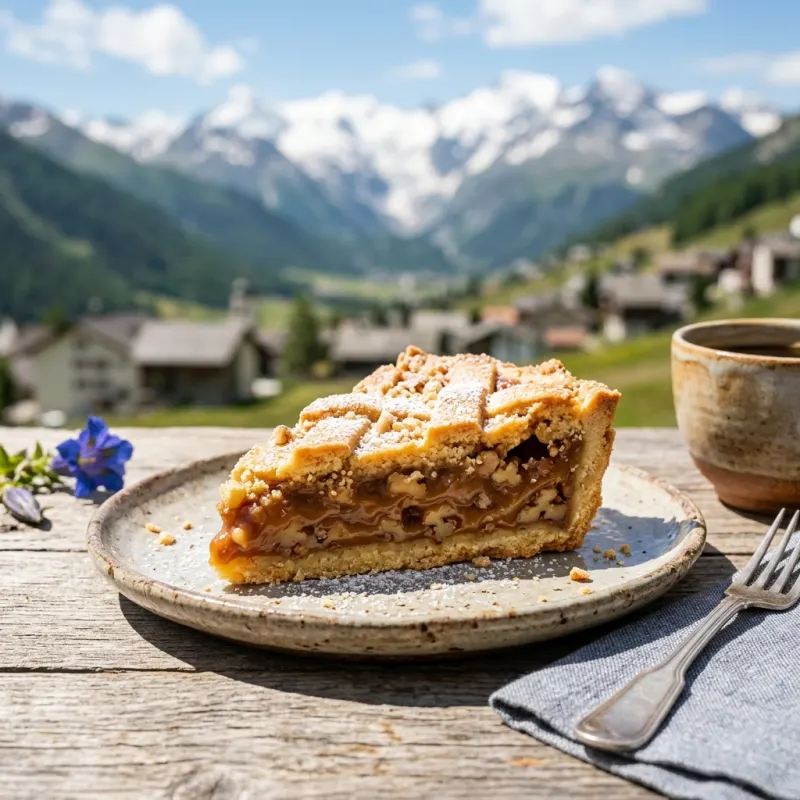
Engadiner Nusstorte (Tuorta da Nuschs) - This iconic regional pastry features a buttery, crumbly shortcrust tart filled with caramelized sugar, cream, and crunchy chopped walnuts. Invented by local confectioners returning from abroad, it delivers a rich, nutty sweetness that pairs perfectly with afternoon alpine coffee.
A slice of golden Engadiner Nusstorte filled with caramelized walnuts

Maya’s Final Checklist for Engadine

Logistics shouldn’t be the focus of your trip—the experience should. I’ve hand-vetted these essential partners to ensure your arrival, stay, and exploration are as smooth as an Athenian breeze.

Maya, the human travel expert at TravelingWiz, offering curated, non-AI expertise

Where to Stay

Compare accommodation options and choose a stay that suits your plans and budget.

Air Travel

Compare flight options and find a route that fits your plans.

Local Guides

Connect with local guides for personalized help planning and exploring.

Travel Protection

The “Engineer’s” rule: always have a backup. Secure your trip with a plan that covers every “what if” and unexpected change.

Car Rentals

Compare rental options and choose a car that suits your trip.

Visa Information

Don’t let paperwork slow you down. Get expert assistance with your application to ensure all your entry documents are in order.

FAQs

The Upper Engadine (Oberengadin) is an expansive, broad plateau centered around famous lakes, luxury resorts like St. Moritz, and towering peaks. The Lower Engadine (Unterengadin) is narrower, quieter, and characterized by deep river gorges, thermal mineral springs in Scuol, and preserved Romansh villages like Guarda.
Yes, English is fluently spoken across the hospitality sector, mountain stations, restaurants, and shops, alongside German, Romansh, and Italian.
No, a car is completely optional. The region features exceptional public transport powered by the Rhaetian Railway and PostBus network, connecting every village, lake, and cable car station on precise schedules.

Your Insights Matter

TravelingWiz grows through the stories of our community. If you’ve recently explored ,Engadine share your tips and stories to help us perfect our guides for the next traveler.

Where should we send your offline card?

We hate spam just as much as you do

newsletter_consent *