Disclosure: This site contains affiliate links. We may earn a commission if you make a purchase, at no extra cost to you.
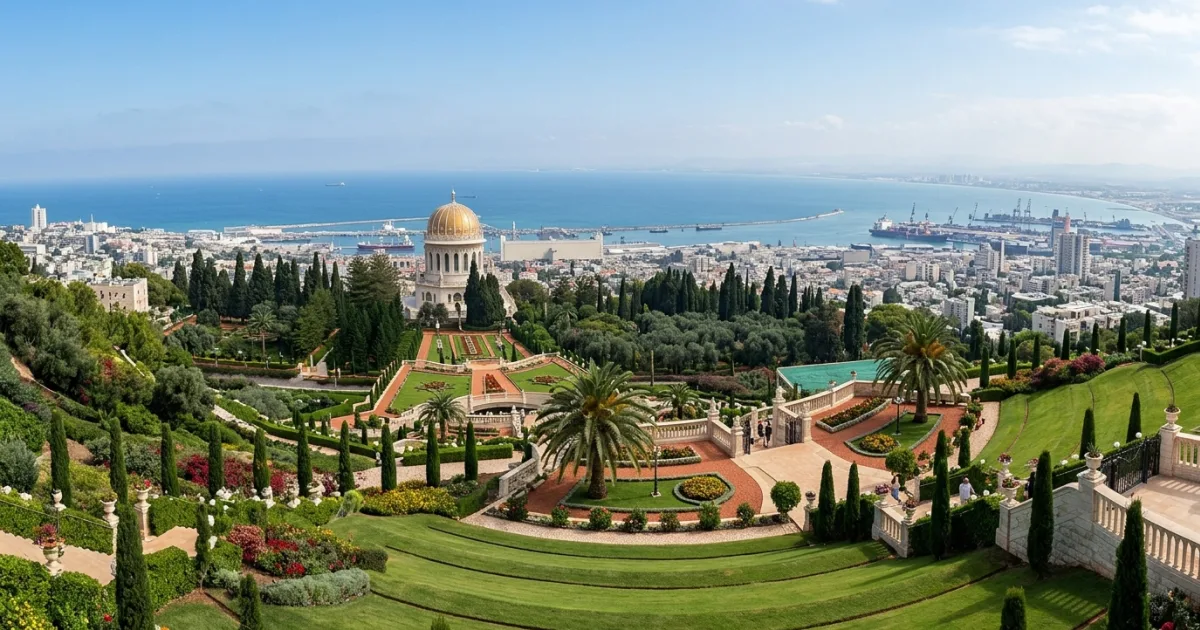
Panoramic view of the Bahá'í Gardens and Haifa port from Mount Carmel

Basic Info

COUNTRY & Region

Israel,
Middle East

ACCESSIBILITY LEVEL​

  • High: Widely accessible with good facilities for disabilities.
  • Medium: Some accessible options, but limitations exist.
  • Low: Limited accessibility; many barriers for disabilities.
Medium

LOCAL CURRENCY​

Israeli New Shekel (ILS)

Price Level

Low – budget‑friendly basics

Medium – moderate mid‑range costs

High – pricey lodging, dining & transport

High

SAFETY LEVEL

5 shields = Excellent – very low crime or conflict.

4 shields = Safe – low risk, routine care.

3 shields = Relatively safe – use normal street smarts.

2 shields = Use caution – higher crime or periodic unrest.

1 shields = Avoid – active conflict or extreme danger.

Scores are derived from multi-year peace, homicide and security indices blended into a single 1-to-5 scale.

Recommended Duration

1-7 days, Full day

Haifa Overview & Key Highlights

Haifa cascades down the northern slopes of Mount Carmel towards the Mediterranean Sea, serving as Israel's premier port city and an enduring model of cultural and religious coexistence. The city harmoniously blends Jewish, Muslim, Christian, Druze, and Bahá'í communities, creating a multifaceted urban center rich in architectural contrast, hillside views, and distinct cultural quarters. Visitors explore the monumental terraced Bahá'í Gardens, a UNESCO World Heritage site framing panoramic vistas over the Bay of Haifa. From the restored 19th-century German Colony at the foot of Mount Carmel to the culinary market alleys of Wadi Nisnas and the summit viewpoints accessible by the historic Carmelit funicular, Haifa offers an unpretentious Mediterranean experience distinguished by authentic Levantine dining, clean beaches, and layered heritage.

Haifa Travel Guide: Logistics & In-Depth Tips

Rising from the Mediterranean coast to a height of nearly 500 meters along Mount Carmel, Haifa is Israel's third-largest city and the cultural anchor of the north. Its multi-tiered topography creates distinct urban levels: Downtown and the port zone feature historic stone warehouse conversions and Ottoman-era landmarks; the mid-slopes house mixed residential districts like Wadi Nisnas and Hadar; and the upper Carmel ridge offers pine-scented residential boulevards, upscale hotels, and sweeping sea vistas.

The city's defining architectural monument is the Shrine of the Báb, surrounded by 19 manicured garden terraces that drop down the mountain axis toward the German Colony. Beyond religious heritage, Haifa is an academic and technological powerhouse, home to the Technion and University of Haifa, infusing the city with an energetic student demographic, vibrant late-night street bars, and active community initiatives.

Reasons to Visit

  • Bahá'í Gardens: Witness nineteen immaculately manicured garden terraces forming an extraordinary UNESCO World Heritage landmark.
  • Interfaith Coexistence: Experience harmonious community life where Jewish, Muslim, Christian, Druze, and Bahá'í traditions thrive side-by-side.
  • Culinary Heritage: Feast on authentic Levantine dishes, world-class falafel in Wadi Nisnas, and experimental dining at Talpiot Market.
  • Carmelit Underground Funicular: Ride Israel's only subway system, an ingenious inclined cable railway connecting sea level to Mount Carmel.
  • Mediterranean Coastline: Relax along pristine public shores including Dado Beach, featuring extensive boardwalks and seaside dining.

Things to Avoid

  • Avoid wearing sleeveless tops or shorts when visiting the Bahá'í Gardens or religious monasteries on Mount Carmel.
  • Do not attempt to walk up the steep hillside streets during peak summer heat without adequate hydration and footwear.
  • Avoid relying strictly on English menus in smaller market stalls; photo menus or asking vendors directly yields the freshest choices.
  • Do not skip the free official Bahá'í walking tour, as independent visitors can only view outer viewing platforms.

Local Transportation Tips

Haifa boasts one of the most versatile public transit networks in the Middle East. The Carmelit is a 1.8-kilometer underground funicular railway linking Downtown (Kikar Paris) to Central Carmel (Gan HaEm) in just eight minutes. The Metronit bus rapid transit system operates high-capacity bi-articulated vehicles along dedicated corridors, connecting the suburbs, central bus stations, and downtown. The Rakavlit aerial cable car connects Haifa Bay central transit hub with the Technion and University of Haifa on the mountain summit. Payments across all systems are seamlessly handled via the Rav-Kav transit card or official mobile transit apps like Moovit and HopOn.

Travel Etiquette

  • Dress respectfully when visiting holy places, monasteries, and shrines by keeping knees and shoulders covered.
  • When dining in communal markets, wait patiently in line and greet vendors warmly; bargaining is appropriate only in flea markets, not in restaurants or grocers.
  • Tipping in restaurants and cafes is customary at 10% to 15% for attentive table service.
  • Respect local religious customs, especially during major Jewish, Muslim, and Christian holidays when schedules vary.

Recommended Age Group

Haifa features diverse attractions suitable for a wide range of travelers, though its stepped geography requires moderate mobility.

  • Babies (0-2 years): Neutral. Cobblestone steps and steep paths at the Bahá'í Gardens and hillside quarters make stroller navigation difficult, though the beachfront promenades are smooth and accessible.
  • Kids (3-12 years): Recommended. Children enjoy riding the Carmelit funicular and Rakavlit cable car, exploring hands-on exhibits at the MadaTech National Museum of Science, and swimming at Dado Beach.
  • Teens (13-19 years): Recommended. High appeal with outdoor water sports, beach volleyball, street art tours through Downtown Haifa, and dynamic street food experiences.
  • Adults (20-64 years): Recommended. Exceptional variety including architectural exploration in the German Colony, wine and craft beer tastings at Talpiot Market, and world-class heritage sites.
  • Seniors (65+ years): Recommended. Well-connected public transit makes getting up Mount Carmel simple, with comfortable sightseeing terraces, tranquil parks, and rich historical landmarks.

Accessibility Level: Medium

  • The Carmelit subway and Rakavlit cable cars are wheelchair accessible with elevator access and level boarding platforms.
  • The Bahá'í Gardens upper and lower viewing plazas offer wheelchair-friendly viewpoints, though the connecting staircase paths feature hundreds of steps and are inaccessible to wheeled mobility devices.
  • Dado Beach provides paved coastal boardwalks, disabled parking bays, and specialized amphibious beach wheelchairs during the summer lifeguard season.
  • Modern public Metronit buses are low-floor and equipped with ramp access for automated wheelchair entry.

Did You Know?

Haifa's Carmelit subway system holds the Guinness-recognized status as one of the shortest underground networks in the world, featuring only six stations along a steep 1.8-kilometer subterranean incline with a grade of 18 degrees.

Cool Statistics

  • 19 monumental garden terraces span roughly one kilometer up Mount Carmel toward the golden-domed Shrine of the Báb.
  • 546 meters is the highest point of Mount Carmel within the Haifa municipal boundaries.
  • Over 280,000 residents live in Haifa, representing one of the most culturally diverse urban populations in the eastern Mediterranean.

Address:

Haifa, Israel

Find Nearby Accommodations

Electricity

220-240V, 
50Hz

Plug Type

Type C (Round pin), Type H (Three pins: two flat, one round)
Plug types
Click To View Plug Types
Haifa is part of our
Solo Female Friendly collection

Activities To Do In Haifa

Best Time To Visit Haifa

Haifa enjoys a Mediterranean climate with hot, dry summers and mild, rainy winters. Hilltop areas on Mount Carmel remain noticeably cooler and breezier than lower coastal neighborhoods.

  • Spring (March to May): Optimal temperatures ranging between 18°C and 25°C, blooming flora across Mount Carmel, and comfortable conditions for walking tours.
  • Autumn (September to November): Warm sea temperatures, reduced humidity, and vibrant cultural festivities during the Holiday of Holidays in late autumn.
  • Summer (June to August): High heat and humidity along the coast (28°C–33°C), best suited for beach activities and water sports.
  • Winter (December to February): Cool and rainy (10°C–17°C), ideal for exploring museums and indoor culinary markets.

Average Temperatures Per Month

Average monthly temperaturesMonthly source values, with Celsius and Fahrenheit equivalents in the following data table.5°41°13°55°20°68°28°82°35°95°JanJan: 13°C / 55°FFebFeb: 13°C / 55°FMarMar: 14°C / 57°FAprApr: 17°C / 63°FMayMay: 20°C / 68°FJunJun: 23°C / 73°FJulJul: 26°C / 79°FAugAug: 27°C / 81°FSepSep: 26°C / 79°FOctOct: 23°C / 73°FNovNov: 19°C / 66°FDecDec: 15°C / 59°F
View temperature data
Average monthly temperatures
Month°C°F
Jan1355
Feb1355
Mar1457
Apr1763
May2068
Jun2373
Jul2679
Aug2781
Sep2679
Oct2373
Nov1966
Dec1559

Remember to check the weather forecast a few days before the trip and before heading to the airport.

Safety Level

5 shields = Excellent – very low crime or conflict.

4 shields = Safe – low risk, routine care.

3 shields = Relatively safe – use normal street smarts.

2 shields = Use caution – higher crime or periodic unrest.

1 shields = Avoid – active conflict or extreme danger.

Scores are derived from multi-year peace, homicide and security indices blended into a single 1-to-5 scale.

Haifa is widely regarded as one of the safest and most welcoming metropolitan centers in the region, characterized by close communal relations. Take standard urban precautions against petty pickpocketing in crowded bazaars like Talpiot Market. Be mindful of regional geopolitical updates, locate standard public shelters in accommodations, and respect modesty guidelines when visiting religious sanctuaries.

The rating is based on multi-year peace, crime, and security indices. Before you go, always verify current conditions through official government travel advisories.

Emergency Numbers

Police: 100
Ambulance: 101

No internet needed • Includes local translations • Free for TravelingWiz readers

Spoken Languages

Hebrew, Arabic, English, Russian
Travel Booking Partner - TravelingWiz

Learn The Language

  • Shalom (Hebrew) / Marhaba (Arabic): Hello
  • Toda (Hebrew) / Shukran (Arabic): Thank you
  • Bevakasha (Hebrew) / Min fadlak (Arabic): Please
  • Slicha (Hebrew) / Afwan (Arabic): Excuse me / Sorry
  • Kama ze oleh? (Hebrew) / Bikam hadha? (Arabic): How much does this cost?
  • Ken / La (Hebrew) – Na’am / La (Arabic): Yes / No
  • Eifo ha-sherutim? (Hebrew): Where is the restroom?
  • Lehitraot (Hebrew) / Ma’a as-salama (Arabic): Goodbye

Trip Cost & Budgeting for Haifa, 2026

Everything you need to know about money while traveling
Is Haifa expensive for tourists in 2026? Yes, Haifa is relatively expensive, though cheaper than Tel Aviv. Based on our Human Verified prices, expect to pay around 15 ILS for a cappuccino, 30 ILS for a pint of domestic beer, and 150 ILS for a standard mid-range restaurant meal. Smart use of local markets and transit keeps spending in check. Use the data table below to calculate your specific daily budget based on your travel style.

LOCAL CURRENCY​:

Israeli New Shekel (ILS)

Price Level:

Low – budget‑friendly basics

Medium – moderate mid‑range costs

High – pricey lodging, dining & transport

High

Cards Vs. Cash

Credit cards and contactless payments are accepted almost everywhere, so you rarely need physical cash.

How Much Cash to Carry (on you)

Per person, per day – pocket cash for small purchases.

Local: 75
Israeli New Shekel (ILS)
≈ 22 USD

Average Daily Costs (per person)

Full daily spend estimation (accommodation, food, transportation, attractions).

Travel Style
Israeli New Shekel (ILS)
≈ USD ($)
Budget
410
122
Mid-range
740
220
Comfort
1630
484
Note

The Prices, Daily costs, and calculator results are estimates for planning purposes only. Actual costs may vary based on season, booking timing, personal spending habits, and currency fluctuations. TravelingWiz cannot be held responsible for discrepancies between these estimates and your final trip expenses.

Best Value Tips

  • • Book free visits to the Bahá'í Gardens in advance to experience Haifa's premier attraction with zero entrance fee.
  • • Dine in Wadi Nisnas or around Talpiot Market for delicious falafel, hummus, and baked goods at a fraction of restaurant prices.
  • • Use a Rav-Kav card or transit apps for automated daily fare caps across buses, the Carmelit subway, and the cable car.
  • • Take advantage of Haifa's weekend transit, as select bus lines run on Shabbat and help you avoid costly private taxis.

Tours & Tickets

Explore tours, attractions, and ticket options to plan your visit.
Plan ahead

Travel Offers & Coupons

Browse travel offers and coupons from our affiliate partners.
Affiliate partner offers

What To Pack

  • Modest clothing (covering shoulders and knees) required for religious sites and the Bahá'í Gardens.
  • Comfortable, slip-resistant walking shoes suited for steep streets and stone steps.
  • Sun protection including high-SPF sunscreen, UV-blocking sunglasses, and a wide-brimmed hat.
  • Light, breathable layers for summer; a windproof jacket and sweater for winter evenings on Mount Carmel.
  • Type C or H travel adapter and power bank for day trips.
  • Swimwear and quick-drying microfiber towel for coastal beaches like Dado Beach.
Only the good stuff!
Browse recommended travel gear
Check out our free packing list tool

Recommended Itineraries for Traveling to Haifa

Take your itinerary with you

Choose a ready-made itinerary, plan your own trip, and keep TravelingWiz by your side while you travel.

Get the TravelingWiz app

Food & Drink Highlights

Local Food Overview

Haifa's culinary culture is a celebrated synthesis of authentic Palestinian Arab cooking, classic Levantine traditions, and modern Israeli innovation. The city's food epicenter shifts across neighborhoods: Wadi Nisnas is renowned for handmade falafel, slow-cooked stuffed grape leaves, and freshly baked pita, while Talpiot Market buzzes with modern farm-to-table bistros, microbreweries, and fresh produce stalls. Seafood plays a prominent role along the port, complemented by Druze flatbreads (pita Druze) with labneh and za'atar prepared fresh on the Carmel ridge.

Must Try Dish

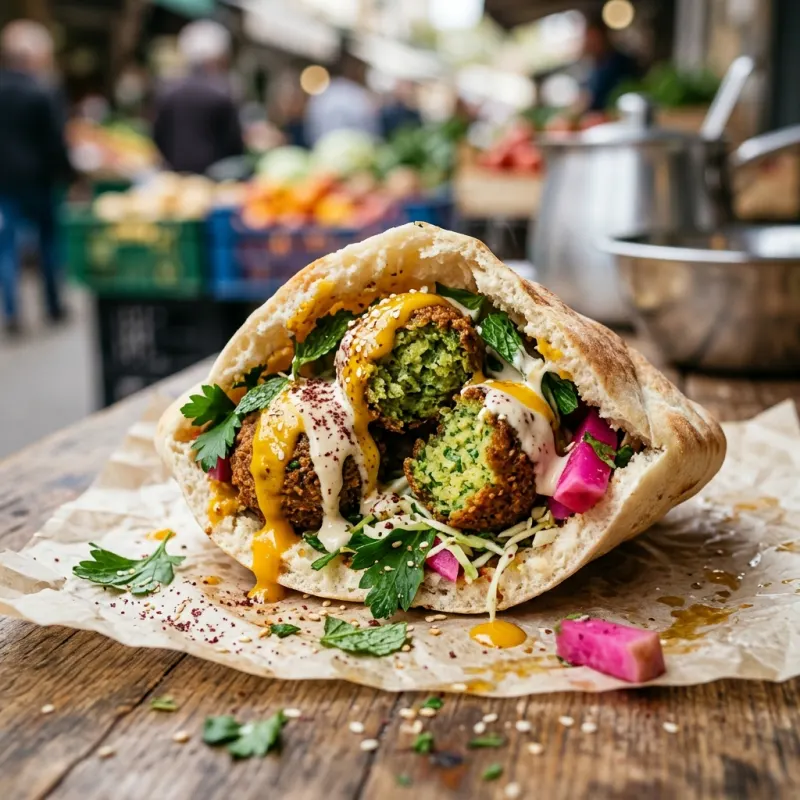
Wadi Nisnas Falafel with Amba and Tahini - Crisp, golden chickpea croquettes seasoned with fresh coriander and cumin, served inside pillowy pita bread. Topped with tangy pickled mango amba sauce, creamy ground sesame tahini, and chopped cucumber-tomato salad.
Authentic Haifa falafel served in pita with amba sauce and tahini

Maya’s Final Checklist for Haifa

Logistics shouldn’t be the focus of your trip—the experience should. I’ve hand-vetted these essential partners to ensure your arrival, stay, and exploration are as smooth as an Athenian breeze.

Maya, the human travel expert at TravelingWiz, offering curated, non-AI expertise

Where to Stay

Compare accommodation options and choose a stay that suits your plans and budget.

Air Travel

Compare flight options and find a route that fits your plans.

Local Guides

Connect with local guides for personalized help planning and exploring.

Travel Protection

The “Engineer’s” rule: always have a backup. Secure your trip with a plan that covers every “what if” and unexpected change.

Car Rentals

Compare rental options and choose a car that suits your trip.

Visa Information

Don’t let paperwork slow you down. Get expert assistance with your application to ensure all your entry documents are in order.

FAQs

Visitors can access the upper and lower viewing terraces independently during opening hours free of charge. However, walking the inner gardens and cascading stairs requires joining a free, guided Bahá’í walking tour booked in advance.
Yes. Unlike most Israeli cities, Haifa runs limited public transportation on Friday evening and Saturday, including several bus routes and the Carmelit subway, owing to its diverse population status.
The Carmelit funicular subway connects Downtown to Central Carmel in eight minutes. Additionally, the Metronit rapid transit bus network and the modern cable car (Rakavlit) connect rail terminals to universities on Mount Carmel.

Your Insights Matter

TravelingWiz grows through the stories of our community. If you’ve recently explored ,Haifa share your tips and stories to help us perfect our guides for the next traveler.

Where should we send your offline card?

We hate spam just as much as you do

newsletter_consent *