The Dead Sea Region, a geological marvel and a historical crossroads, offers an experience unlike any other. Situated at approximately 430 meters (1,410 feet) below sea level, it is the lowest land elevation on Earth. This unique geographical position, combined with its extreme salinity, creates a microclimate and ecosystem that have attracted visitors for millennia. Beyond the iconic floating experience, the region is steeped in biblical history, with sites like Masada standing as testaments to ancient civilizations and dramatic human stories. The therapeutic properties of its minerals, both in the water and the famed black mud, have made it a global hub for wellness and spa tourism. From adventurous hikes through desert wadis to serene moments of reflection by the tranquil, turquoise waters, the Dead Sea Region promises a journey that rejuvenates the body, stimulates the mind, and touches the soul.
Reasons to Visit
- Unforgettable Floating Experience: Effortlessly float on the hypersaline waters, a sensation found nowhere else on Earth.
- Therapeutic Benefits: Indulge in the mineral-rich mud and waters, known for their healing properties for skin and joints.
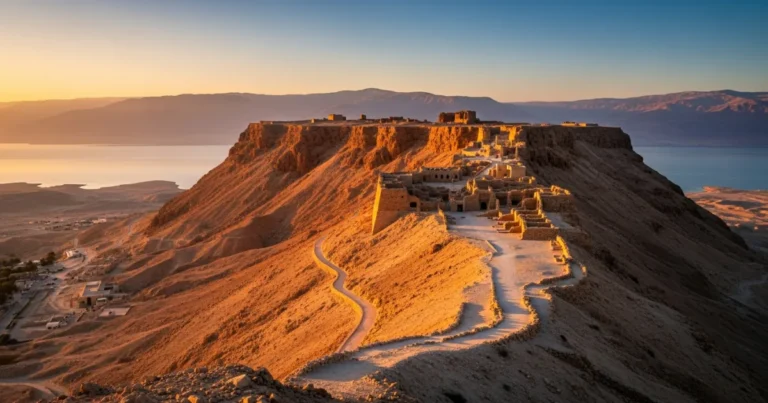
- Historical Significance: Explore ancient sites like Masada, Qumran Caves, and Ein Gedi, offering deep insights into biblical and Roman history.
- Stunning Desert Landscapes: Witness the dramatic beauty of the Judean Desert, with its unique geological formations and breathtaking vistas.
- Wellness & Relaxation: Enjoy world-class spa resorts offering a range of treatments utilizing the Dead Sea's natural resources.
- Nature & Hiking: Discover lush oases and challenging trails in nature reserves like Ein Gedi.
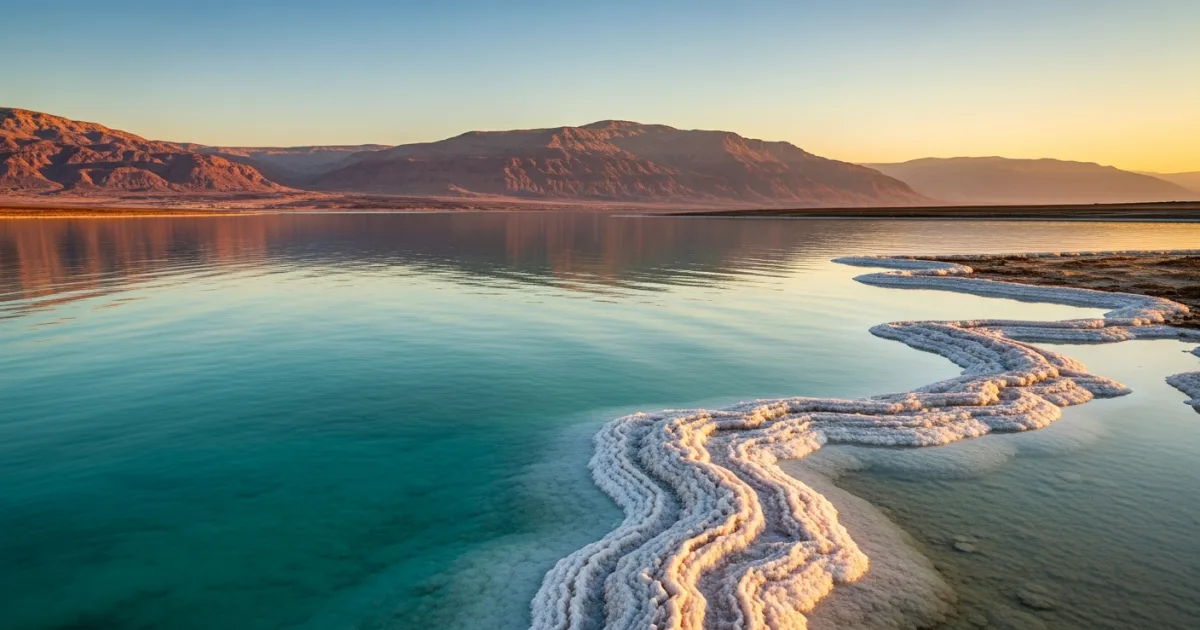
- Unique Photography Opportunities: Capture surreal landscapes, vibrant sunsets, and the iconic salt formations.
Things to Avoid
- Getting Water in Your Eyes/Mouth: The extreme salt content will cause severe stinging. Keep your head above water.
- Shaving Before Swimming: Any small cuts will sting intensely.
- Prolonged Immersion: Limit your time in the water to 15-20 minutes to avoid skin irritation and dehydration.
- Visiting in Peak Summer: July and August can be unbearably hot, making outdoor activities challenging and potentially dangerous.
- Ignoring Sun Protection: The sun is very strong; always use high SPF sunscreen, a hat, and sunglasses.
- Drinking the Water: It is not potable and can be harmful if ingested.
- Walking Barefoot on Salt Crystals: Wear water shoes to protect your feet from sharp salt formations.
Local Transportation Tips
While public buses connect the Dead Sea Region to major cities like Jerusalem and Tel Aviv, having a rental car offers the most flexibility for exploring the various attractions at your own pace. Roads are well-maintained, and signage is generally clear. Taxis are available but can be expensive for longer distances. Many visitors opt for organized tours from Jerusalem or Tel Aviv, which often include transportation to key sites like Masada and a Dead Sea beach.
Travel Etiquette
- Dress Modestly: While resort areas are relaxed, when visiting religious or historical sites, it's respectful to dress modestly (shoulders and knees covered).
- Bargaining: In traditional markets (souks), bargaining is expected and part of the experience. In shops with fixed prices, it's not.
- Tipping: Tipping is customary in restaurants (10-15% if service isn't included) and for tour guides and drivers.
- Photography: Always ask permission before photographing people, especially in religious communities. Be mindful of privacy.
- Respect Religious Sites: If visiting synagogues or other religious sites, be respectful of customs and dress codes.
- Environmental Awareness: Help preserve the fragile desert ecosystem by not littering and staying on marked trails.
Recommended Age Group
The Dead Sea Region offers a diverse range of activities suitable for almost all age groups, with some considerations for the very young and very old due to the climate and terrain.
- Babies (0-2 years): Neutral. While the floating experience is not recommended for infants due to the high salt content and risk of ingestion/eye irritation, resorts are generally baby-friendly with pools and amenities. The extreme heat in summer can be challenging.
- Kids (3-12 years): Recommended. Kids will be fascinated by the floating experience (under strict supervision) and enjoy playing with the mud. Nearby nature reserves like Ein Gedi offer gentle hikes. Masada might be engaging for older kids with its dramatic history.
- Teens (13-19 years): Recommended. Teens will likely enjoy the unique floating, the historical intrigue of Masada, and the adventure of desert hikes. Photography opportunities are abundant.
- Adults (20-64 years): Recommended. This region is ideal for adults seeking relaxation, wellness, historical exploration, and outdoor adventure. Spa treatments, hiking, and cultural sites are all highly appealing.
- Seniors (65+ years): Recommended. Many resorts cater to seniors with accessible facilities and spa treatments. While strenuous hikes might be challenging, the floating experience and historical sites (accessible via cable car at Masada) are very enjoyable. Avoid extreme summer heat.
Accessibility Level: Medium
- Dead Sea Beaches: Some public and private beaches offer accessible ramps and pathways to the water, as well as accessible changing rooms and showers. It's advisable to check with specific resorts or beaches beforehand.
- Masada: The Masada cable car provides easy access to the top of the fortress, making it accessible for those with mobility challenges. The paths at the top are generally paved or well-maintained.
- Resorts & Spas: Many modern resorts in the Dead Sea area are designed with accessibility in mind, offering ramps, elevators, and accessible rooms.
- Transportation: While public buses may have limited accessibility, private tours and taxis can accommodate specific needs. Renting an accessible vehicle is an option for independent travel.
- Ein Gedi Nature Reserve: Some parts of the reserve, particularly the main paths near the springs, may be accessible, but many hiking trails involve uneven terrain.
Did You Know?
The Dead Sea is not actually a sea, but a hypersaline lake. Its name comes from the fact that its high salinity prevents any macroscopic life (fish, plants) from thriving in it. However, microscopic life, such as certain types of bacteria and algae, do exist. The Dead Sea is shrinking at an alarming rate, primarily due to water diversion from its main tributary, the Jordan River, and mineral extraction industries. Efforts are underway to address this environmental challenge.
Cool Statistics
- Lowest Point on Earth: Approximately 430 meters (1,410 feet) below sea level.
- Salinity: Around 34.2% (342 grams of salt per liter of water), making it one of the saltiest bodies of water in the world.
- Mineral Content: Rich in over 21 minerals, including magnesium, calcium, potassium, and bromide, many of which are not found in other seas.
- Annual Evaporation: The Dead Sea loses about 1 meter (3.3 feet) of water depth per year due to evaporation and water diversion.
- Historical Significance: Home to Masada, a UNESCO World Heritage Site, and the Qumran Caves, where the Dead Sea Scrolls were discovered.
- UV Protection: The extra atmospheric layer at this low altitude filters out some harmful UV rays, allowing for longer sun exposure with less risk of sunburn (though sunscreen is still essential).








Buy a compatible power adapter for your trip