

Low – budget‑friendly basics
Medium – moderate mid‑range costs
High – pricey lodging, dining & transport
Disclosure: This site contains affiliate links. We may earn a commission if you make a purchase, at no extra cost to you.
Low – budget‑friendly basics
Medium – moderate mid‑range costs
High – pricey lodging, dining & transport
5 shields = Excellent – very low crime or conflict.
4 shields = Safe – low risk, routine care.
3 shields = Relatively safe – use normal street smarts.
2 shields = Use caution – higher crime or periodic unrest.
1 shields = Avoid – active conflict or extreme danger.
Scores are derived from multi-year peace, homicide and security indices blended into a single 1-to-5 scale.
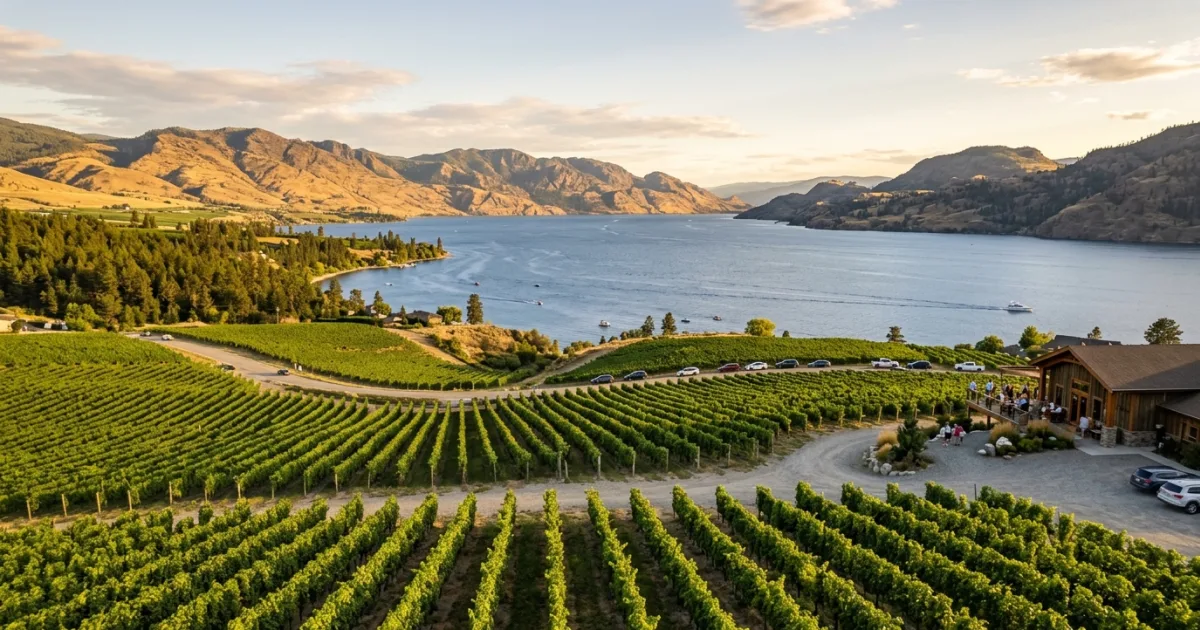
The Okanagan Valley is British Columbia’s premier agricultural basin and viticultural heartland, stretching over 200 kilometers along a sun-drenched corridor of glacial lakes, rolling benchlands, and pine-clad hills. Anchored by major bodies of water like Okanagan Lake and Skaha Lake, the region transitions from semi-arid desert terrain in the south near Osoyoos to lush orchard hillsides in the central and northern reaches around Kelowna and Vernon. Visitors flock here primarily for award-winning estate wineries, vibrant lakeside leisure, and direct access to fresh farm-gate fruit stands during the long, warm summer season. Beyond vineyard hopping, the valley offers exceptional outdoor recreation across all seasons, from cycling the historic railway trestles of Myra Canyon to wakeboarding and downhill skiing in the surrounding peaks. The area blends sophisticated farm-to-table culinary experiences with approachable small-town charm and deep Syilx Okanagan Indigenous heritage. Navigating the valley by car unveils dramatic shifts in topography, where dry grasslands suddenly give way to emerald vine rows and expansive sapphire water.
Stretching through the interior plateau of British Columbia, the Okanagan Valley represents one of Canada's most geographically diverse regions. Carved by Pleistocene glaciers, the valley features dramatic elevation changes, from tranquil lake shores sitting at approximately 340 meters above sea level to towering mountain ridges exceeding 2,000 meters. The southern end encompasses Canada's only true pocket desert around Osoyoos, while the central and northern sub-regions feature verdant pine forests and fertile benchlands. This rare combination of hot summer days, cool desert nights, and deep glacial lakes creates optimal conditions for viticulture and tree fruit production.
Historically home to the Syilx Okanagan Nation for millennia, the valley experienced profound shifts during the 19th-century fur trade and gold rushes before finding its modern identity in agriculture and tourism. Today, more than 200 licensed grape wineries dot sub-appellations such as the Golden Mile Bench, Black Sage Bench, and Naramata Bench. Visitors encounter a refined yet laid-back culture where outdoor recreation, farm-to-fork dining, and lakeside leisure merge seamlessly across vibrant communities like Kelowna, Penticton, and Oliver.
A personal or rental vehicle is the most practical method for exploring the Okanagan Valley, as attractions are spread across a 200-kilometer north-south corridor connected primarily by Highway 97. Regional airports in Kelowna (YLW) and Penticton (YYF) offer direct flights to major Canadian hubs alongside rental car services. Within urban centers like Kelowna and Penticton, BC Transit operates local bus networks, but public service between smaller benchland wineries and trailheads is sparse. Dedicated winery tour shuttles and guided vans provide convenient alternatives for wine tasting days.
The Okanagan Valley offers multi-faceted attractions accommodating diverse age brackets, from active lake sports to relaxed culinary exploration.
Kalamalka Lake, situated at the northern gate of the valley near Vernon, is known as the 'Lake of a Thousand Colors' because dissolved limestone crystals refract light to create striking turquoise and cyan hues each summer.

The Okanagan Valley is a four-season destination, though late spring through early autumn provides optimal weather for outdoor activities and agricultural tours.
| Month | °C | °F |
|---|---|---|
| Jan | 2 | 36 |
| Feb | 2 | 36 |
| Mar | 5 | 41 |
| Apr | 8 | 46 |
| May | 14 | 57 |
| Jun | 18 | 64 |
| Jul | 24 | 75 |
| Aug | 23 | 73 |
| Sep | 18 | 64 |
| Oct | 12 | 54 |
| Nov | 4 | 39 |
| Dec | 1 | 34 |
Remember to check the weather forecast a few days before the trip and before heading to the airport.
5 shields = Excellent – very low crime or conflict.
4 shields = Safe – low risk, routine care.
3 shields = Relatively safe – use normal street smarts.
2 shields = Use caution – higher crime or periodic unrest.
1 shields = Avoid – active conflict or extreme danger.
Scores are derived from multi-year peace, homicide and security indices blended into a single 1-to-5 scale.
The rating is based on multi-year peace, crime, and security indices. Before you go, always verify current conditions through official government travel advisories.
No internet needed • Includes local translations • Free for TravelingWiz readers

Is Okanagan Valley expensive for tourists in 2026? Yes, visiting this popular wine destination can be pricey, but careful planning helps manage expenses. Expect to pay around 5.25 CAD for a cappuccino, 8.50 CAD for a local beer, and 28.00 CAD for a mid-range main meal. These Human Verified prices reflect high peak-season demand across British Columbia. Use the data table below to calculate your specific daily budget based on your travel style.
Low – budget‑friendly basics
Medium – moderate mid‑range costs
High – pricey lodging, dining & transport
Per person, per day – pocket cash for small purchases.
Full daily spend estimation (accommodation, food, transportation, attractions).
Travel Style | Canadian Dollar (CAD) | ≈ USD ($) |
|---|---|---|
Budget | 140 | 98 |
Mid-range | 250 | 176 |
Comfort | 550 | 386 |
The Prices, Daily costs, and calculator results are estimates for planning purposes only. Actual costs may vary based on season, booking timing, personal spending habits, and currency fluctuations. TravelingWiz cannot be held responsible for discrepancies between these estimates and your final trip expenses.
Choose a ready-made itinerary, plan your own trip, and keep TravelingWiz by your side while you travel.
Get the TravelingWiz app →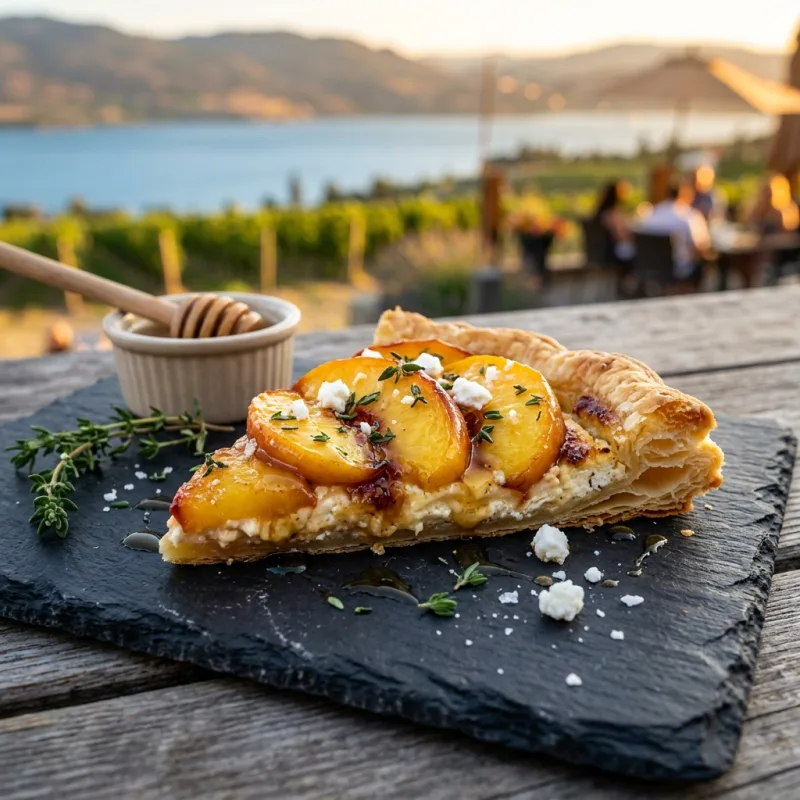
Discover cooking classes, tastings and local food tours
Logistics shouldn’t be the focus of your trip—the experience should. I’ve hand-vetted these essential partners to ensure your arrival, stay, and exploration are as smooth as an Athenian breeze.

Compare accommodation options and choose a stay that suits your plans and budget.
Connect with local guides for personalized help planning and exploring.
The “Engineer’s” rule: always have a backup. Secure your trip with a plan that covers every “what if” and unexpected change.
Don’t let paperwork slow you down. Get expert assistance with your application to ensure all your entry documents are in order.
Check out our related articles and blog posts to learn even more about the destination.
Share with your friends and family

