Winnipeg's history is deeply tied to its geography. For thousands of years, the junction of the Red and Assiniboine rivers served as a vital meeting place for Indigenous peoples. Today, this area is known as The Forks, a bustling hub of commerce, culture, and recreation. The city's architecture tells the story of its boom years in the early 20th century, particularly in the Exchange District, which boasts one of the most extensive and intact collections of heritage buildings in North America.
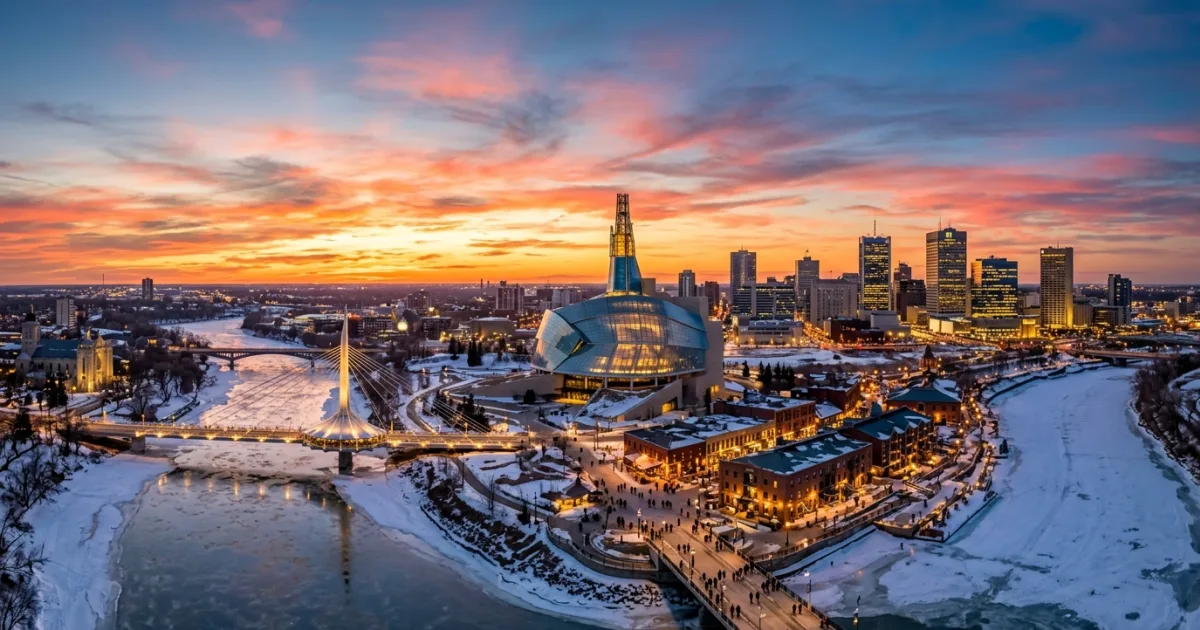
Beyond its historical roots, modern Winnipeg is a cultural powerhouse. It is home to the Royal Winnipeg Ballet, the Winnipeg Symphony Orchestra, and a thriving indie music and arts scene. The Canadian Museum for Human Rights stands as a beacon of modern architecture and thought-provoking exhibits. Whether you are exploring the French-Canadian heritage of St. Boniface, enjoying the diverse culinary offerings, or taking a day trip to nearby prairie landscapes, Winnipeg offers a deeply engaging and multifaceted travel experience.
Reasons to Visit
- Canadian Museum for Human Rights: An architectural marvel and the only museum in the world solely dedicated to human rights awareness and education.
- The Forks National Historic Site: A vibrant gathering space featuring a market, dining, historical exhibits, and scenic river walks.
- Assiniboine Park and Zoo: Home to the spectacular Journey to Churchill exhibit, where you can watch polar bears swim overhead.
- The Exchange District: A National Historic Site featuring stunning terracotta and cut-stone architecture, trendy cafes, and boutique shops.
- Festival du Voyageur: Western Canada's largest winter festival, celebrating French-Canadian culture, history, and winter joy.
Things to Avoid
- Underestimating the Winter Cold: Frostbite can occur quickly; always dress in heavy layers if visiting between November and March.
- Leaving Valuables in Cars: Petty theft from vehicles can be an issue; ensure nothing of value is visible when parking.
- Walking Alone Late at Night in Certain Areas: Exercise caution in the downtown core and North End after dark.
- Ignoring Mosquito Protection: Summer evenings near the rivers can be heavily populated with mosquitoes; bring bug spray.
Local Transportation Tips
Winnipeg Transit operates a comprehensive bus network throughout the city, including the rapid transit BLUE line which connects downtown to the southern suburbs. Taxis and rideshare services like Uber are readily available. For those looking to explore beyond the city limits or travel with maximum flexibility, renting a car is highly recommended, as the city is spread out and parking is generally accessible.
Travel Etiquette
- Tipping: It is customary to tip 15-20% at restaurants, bars, and for taxi services.
- Politeness: Canadians are known for being polite; saying 'please', 'thank you', and 'sorry' is common practice.
- Respecting Indigenous Culture: Winnipeg has a large Indigenous population; be respectful when visiting cultural sites or attending events.
- Escalator Etiquette: Stand on the right, walk on the left.
Recommended Age Group
Winnipeg offers diverse attractions that cater to visitors of all ages, making it an excellent destination for families, solo travelers, and seniors alike.
- Babies (0-2 years): Recommended. The city has many stroller-friendly parks, such as Assiniboine Park, and family-oriented facilities.
- Kids (3-12 years): Recommended. Children will love the Assiniboine Park Zoo, the Manitoba Children's Museum at The Forks, and the numerous outdoor splash pads in summer.
- Teens (13-19 years): Recommended. Teens can enjoy the vibrant street art in the Exchange District, escape rooms, and interactive exhibits at the Manitoba Museum.
- Adults (20-64 years): Recommended. Adults will appreciate the thriving culinary scene, craft breweries, historical tours, and deep cultural institutions.
- Seniors (65+ years): Recommended. The city offers accessible museums, scenic riverboat tours, and relaxed walking paths, though winter ice can pose mobility challenges.
Accessibility Level: Medium
- Public Transit: All Winnipeg Transit buses are low-floor and equipped with ramps, making them wheelchair accessible.
- Major Attractions: Institutions like the Canadian Museum for Human Rights and the Manitoba Museum are fully accessible, featuring ramps, elevators, and accessible washrooms.
- Sidewalks and Pathways: Downtown and major parks have paved, flat pathways, though winter snow and ice can temporarily impede mobility.
- Paratransit Services: Winnipeg Transit Plus offers door-to-door transportation for individuals who are unable to use the regular transit system, though visitors must register in advance.
Did You Know?
Winnipeg was the first city in the world to develop a centralized emergency number, implementing the '999' system (now 911) in 1959. It is also the hometown of the real-life bear cub named Winnipeg (or 'Winnie'), who inspired A.A. Milne's famous character, Winnie-the-Pooh.
Cool Statistics
- Population: Approximately 750,000 residents, making it the largest city in Manitoba.
- Sunshine: Winnipeg is one of Canada's sunniest cities, averaging over 315 days of measurable sunshine per year.
- River Trail: The Nestaweya River Trail holds the Guinness World Record for the longest naturally frozen skating trail.
- Heritage Buildings: The Exchange District features over 150 heritage buildings across 20 city blocks.







Buy a compatible power adapter for your trip