Disclosure: This site contains affiliate links. We may earn a commission if you make a purchase, at no extra cost to you.

>
>
>
>
Central Cuba

Central Cuba

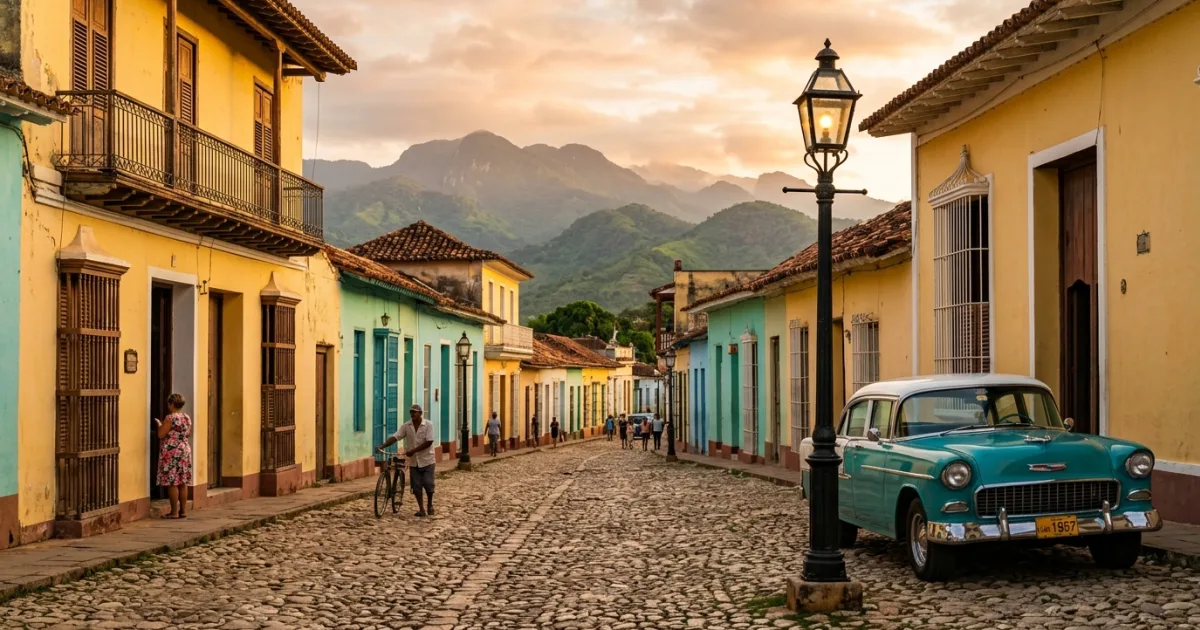
Colonial streetscape in Central Cuba featuring colorful historic buildings and a classic vintage car

Central Cuba Overview & Key Highlights

Central Cuba encompasses the cultural heartland of the island, stretching across the provinces of Cienfuegos, Villa Clara, and Sancti Spíritus. The region is renowned for its remarkably preserved architectural heritage, anchored by the UNESCO-listed colonial cobblestones of Trinidad and the French neoclassical elegance of Cienfuegos. Beyond urban centers, the landscape rises dramatically into the pine-covered peaks and mist-shrouded waterfalls of the Sierra del Escambray, while the historic sugar mills of Valle de los Ingenios tell poignant stories of Cuba's agricultural past. Travelers in Central Cuba encounter a slower, intensely authentic rhythm of daily life compared to Havana. Independent guesthouses known as casas particulares line historic squares, offering warm hospitality and home-cooked meals alongside the lively soundscapes of son and trova music drifting from open verandas. Navigating this region rewards curious explorers with revolutionary history in Santa Clara, pristine emerald swimming holes in Topes de Collantes, and secluded Caribbean bays ideal for scenic coastal detours.

Central Cuba Travel Guide: Logistics & In-Depth Tips

Central Cuba functions as the geographic and historic axis of the island, bridging the western urban energy of Havana with the rhythm of the eastern provinces. Spanning the fertile flatlands of Villa Clara, the sugar valleys of Sancti Spíritus, and the coastal indentation of Jagua Bay in Cienfuegos, this diverse territory encapsulates the economic booms and political struggles that formed modern Cuba. Its cities retain architectural layers from 18th-century Spanish colonial mansions to French neoclassical boulevards, creating an open-air museum atmosphere unmatched in the Greater Antilles.

Beyond its urban centers, the central territory rises into the limestone karst and dense pine forests of the Sierra del Escambray. Here, rivers carve subterranean caves and pour into cascading waterfalls such as Salto del Caburní. For independent travelers, the region provides rich opportunities to experience Cuban community life through family-run homestays, vibrant musical collectives, and protected biosphere reserves.

Reasons to Visit

  • Walk the UNESCO-listed pastel cobblestone streets of Trinidad, preserved virtually intact from the 19th-century sugar boom.
  • Admire the French neoclassical architecture, expansive seaside Malecón, and historic Teatro Tomás Terry in Cienfuegos.
  • Trek to secluded swimming holes and mountain waterfalls within the protected Escambray cloud forests at Topes de Collantes.
  • Explore revolutionary landmarks in Santa Clara, including the iconic Che Guevara Mausoleum and the Tren Blindado memorial.
  • Ascend the historic Manaca Iznaga bell tower in the Valle de los Ingenios for panoramic views across historic sugar plantation estates.

Things to Avoid

  • Avoid exchanging large sums of currency at the airport or official banks, where unfavorable state rates apply compared to local cash reality.
  • Do not rely entirely on credit cards or debit cards, as foreign banking networks frequently fail or face transaction blocks.
  • Avoid drinking unfiltered tap water; use purified bottled water or bring an effective water purification system.
  • Do not plan rigid travel itineraries that leave no buffer for regional fuel shortages or transport delays.

Local Transportation Tips

Long-distance travel between Central Cuban cities is most efficiently managed via shared tourist taxis known as colectivos, which offer door-to-door transit between casas particulares for predictable rates. The state-run Viazul coach bus connects major hubs including Santa Clara, Sancti Spíritus, Trinidad, and Cienfuegos, but requires advance booking online. For urban navigation within colonial centers like Trinidad, walking is the primary method due to pedestrianized cobblestone zones, while bicitaxis and horse-drawn carriages operate in flatter areas like Santa Clara.

Travel Etiquette

  • Always greet casa particular hosts and shopkeepers politely with 'Buenos días' or 'Buenas tardes' before requesting information.
  • Ask for permission before photographing local residents, musicians, or domestic scenes in residential neighborhoods.
  • Tipping in cash is customary and deeply appreciated; leave 10% in private restaurants and reward musicians who perform tableside.
  • Engage in political conversations with nuance and respect, allowing locals to lead the depth and tone of sensitive topics.

Recommended Age Group

Central Cuba welcomes diverse travelers, but uneven terrain and transport infrastructure make it best suited for older children and active adults.

  • Babies (0-2 years): Not Recommended. The uneven cobblestone streets, high heat, limited access to specialized baby supplies, and frequent power disruptions pose significant logistical challenges.
  • Kids (3-12 years): Neutral. Children enjoy natural swimming holes and vintage American cars, but long overland transfers and historic walking tours require patience.
  • Teens (13-19 years): Recommended. Teenagers appreciate outdoor adventures, hiking in Topes de Collantes, vibrant music scenes, and visual storytelling around vintage automobiles.
  • Adults (20-64 years): Recommended. This demographic is ideally positioned to navigate the cultural nuances, active hiking trails, culinary paladares, and dynamic nightlife across the region.
  • Seniors (65+ years): Neutral. Seniors with good mobility will treasure the colonial architecture and cultural richness, though slick cobblestone streets and limited accessibility infrastructure demand caution.

Accessibility Level: Medium

  • Historic centers like Trinidad feature rough, uneven river stone cobblestones with high curbs, presenting serious obstacles for wheelchair users and those with limited mobility.
  • Colonial casas particulares and historic hotels rarely have elevators, zero-step entrances, or roll-in shower facilities.
  • Sidewalks in Santa Clara and Cienfuegos are comparatively flatter, but pavement breaks and high street steps remain common throughout urban sectors.
  • Private hired vehicles with drivers represent the most adaptable transport option for travelers requiring mobility assistance.

Did You Know?

The colonial city of Trinidad was so isolated from the rest of Cuba until road infrastructure expanded in the 1950s that its 18th- and 19th-century architecture remained almost entirely untouched by modernization, leading to its rapid UNESCO World Heritage designation in 1988.

Cool Statistics

  • Trinidad was founded in 1514, making it one of the earliest European settlements established in the Americas.
  • The Manaca Iznaga tower in the nearby sugar valley stands at 45 meters (148 feet) high and contains 137 steps.
  • Topes de Collantes nature reserve reaches elevations of over 800 meters above sea level, harboring dozens of endemic bird and plant species.


Address:

Central Cuba, Cuba

Find Nearby Accommodations

Basic Info

address icon

COUNTRY & Region

Cuba,
Caribbean

ACCESSIBILITY LEVEL​

Medium
Currency icon

LOCAL CURRENCY​

Cuban Peso (CUP)
Price level icon
Medium
Safety Level icon

SAFETY LEVEL

Duration icon

Recommended Duration

• 1-7 days
• More than a week

Electricity

electricity icon

Electricity

110-120V, 
60Hz
Plug Socket icon

Plug Type

• Type A (Flat blade)
• Type B (Flat blade with grounding pin)
• Type C (Round pin)
Plug types
Click To View Plug Types
Central Cuba is part of our
Slow Travel & Nature collection

Activities To Do In Central Cuba

Best Time To Visit Central Cuba

Central Cuba experiences a tropical climate divided into distinct dry and wet seasons.

  • November to April (Dry Season): Ideal travel window featuring comfortable temperatures between 22°C and 28°C, minimal rainfall, and low humidity suited for hiking and walking tours.
  • May to October (Wet Season): Hot and humid conditions with afternoon tropical downpours; temperatures often exceed 32°C.
  • August to October (Hurricane Season): Increased probability of tropical storms and hurricanes, requiring flexible itineraries and weather tracking.

Average Temperatures Per Month

Remember to check the weather forecast a few days before the trip and before heading to the airport.

Safety Level icon

Safety Level

Central Cuba remains one of the safest regions in the Caribbean regarding violent crime. Petty theft and opportunistic hustling (jineterismo) do occur around tourist hot spots in Trinidad and Santa Clara, so keep valuables secured. Ensure you carry a flashlight or headlamp at night, as public street lighting is limited and rolling power cuts can leave roads completely dark. Always negotiate taxi fares explicitly before getting into any vehicle.

The rating is based on multi-year peace, crime, and security indices. Before you go, always verify current conditions through official government travel advisories.

Emergency Numbers

Police: 106
Ambulance: 104

No internet needed • Includes local translations • Free for TravelingWiz readers

Spoken Languages

Spanish is the official language. Basic English is spoken by casa particular hosts and licensed tour guides, though Spanish knowledge is immensely useful.

Learn The Language

  • Hola – Hello
  • Por favor – Please
  • Muchas gracias – Thank you very much
  • ¿Cuánto cuesta? – How much does it cost?
  • ¿Dónde está el baño? – Where is the bathroom?
  • Una botella de agua, por favor – A bottle of water, please
  • La cuenta, por favor – The bill, please
  • Hasta luego – See you later
Travel Booking Partner - TravelingWiz

Trip Cost & Budgeting for Central Cuba, 2026

Everything you need to know about money while traveling
Is Central Cuba expensive for tourists in 2026? Central Cuba is moderately priced for travelers who bring cash and plan ahead. Based on Human Verified prices, you can expect to pay around 400 CUP for a cappuccino, 500 CUP for a domestic beer, and 2,500 CUP for a main meal at a local restaurant. Use the data table below to calculate your specific daily budget based on your travel style.
Currency icon

LOCAL CURRENCY​:

Cuban Peso (CUP)
Price level icon
Medium
Cash is essential throughout Cuba as foreign credit cards, especially US-issued ones, are rarely accepted or reliable.

Per person, per day – pocket cash for small purchases.

Local: 2500
Cuban Peso (CUP)
≈ 104 USD

Full daily spend estimation (accommodation, food, transportation, attractions).

Travel Style
Cuban Peso (CUP)
≈ USD ($)
Budget
13750
573
Mid-range
25000
1042
Comfort
55000
2292

The Prices, Daily costs, and calculator results are estimates for planning purposes only. Actual costs may vary based on season, booking timing, personal spending habits, and currency fluctuations. TravelingWiz cannot be held responsible for discrepancies between these estimates and your final trip expenses.

  • • Bring all expected spending money in physical cash before arriving in Cuba because foreign cards and ATMs are unreliable.
  • • Stay in local casas particulares in Trinidad and Cienfuegos for affordable lodging and home-cooked meals.
  • • Eat at private family-run paladares rather than state-owned restaurants for better quality and pricing.
  • • Share collectivo taxis or use Viazul buses for intercity travel between central towns to reduce transportation costs.

Pre-Order Tickets

Avoid disappointment when tickets sell out — and skip the long lines by booking online in advance. You’ll often save up to 20% too.
Save up to 20%

Travel Discounts & Coupons

Save on hotels, attractions, transport, and gear — find verified discounts for smarter travel spending.
Verified Coupons

What To Pack

  • Cash in physical Euros or US Dollars in pristine, unmarked bills for currency exchange.
  • High-capacity portable power bank to manage localized rolling electrical outages.
  • Comprehensive personal first-aid kit containing broad-spectrum antibiotics, painkillers, and rehydration salts.
  • Insect repellent containing DEET for exploring Sierra del Escambray trails.
  • Sturdy walking shoes with reliable traction for slick cobblestones in Trinidad.
  • Universal plug adapter compatible with two-prong flat and round pin outlets.
  • Offline translation and mapping apps downloaded prior to arrival due to intermittent data connectivity.
We couldn't find tips for Central Cuba.
If you got any, please share

Recommended Itineraries for Traveling to Central Cuba

We couldn't find itineraries for Central Cuba.
you can contact us for custom trip plan

Food & Drink Highlights

Local Food Overview

The cuisine of Central Cuba is grounded in traditional criollo cooking, emphasizing slow-cooked meats, root vegetables, and fragrant marinades. Garlic, cumin, oregano, and sour Seville orange form the signature sofrito base used across home kitchens. Coastal enclaves like Cienfuegos highlight freshly caught red snapper and Caribbean spiny lobster, while the inland valleys specialize in spit-roasted pork served alongside moros y cristianos (black beans and white rice) and twice-fried plantain rounds known as tostones.
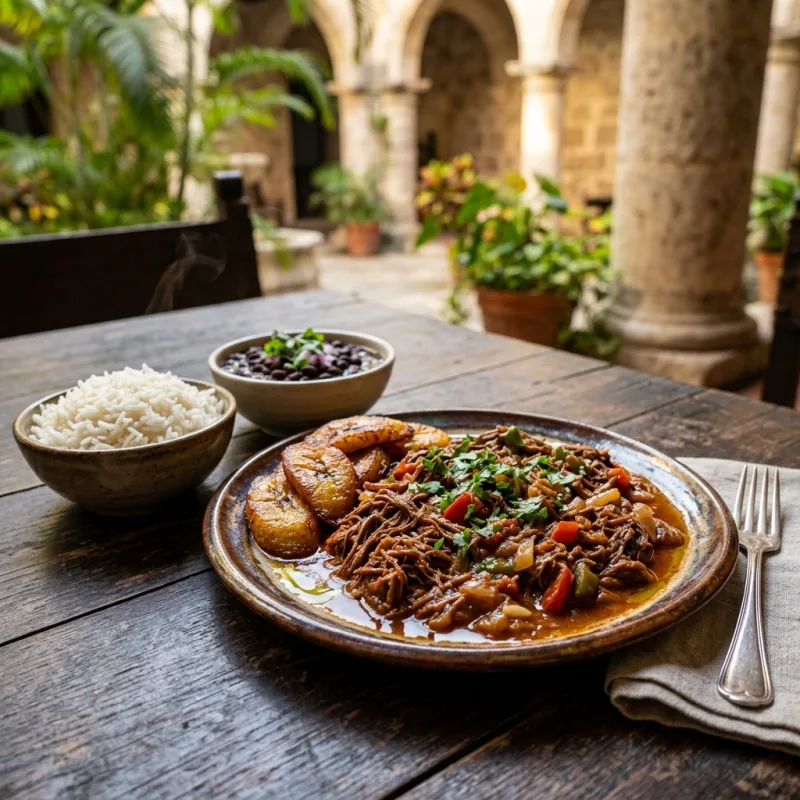
Authentic Cuban Ropa Vieja with rice, black beans, and fried plantains

Must Try Dish

Ropa Vieja - Shredded beef flank slow-simmered in a rich sauce of ripe tomatoes, bell peppers, onions, white wine, and aromatic spices. Served alongside fluffy white rice, stewed black beans, and sweet fried maduros, this classic preparation defines authentic Cuban comfort food.
Food Experiences Title Icon

Food
Experiences

Discover cooking classes, tastings and local food tours

No food experience found
Maya, the human travel expert at TravelingWiz, offering curated, non-AI expertise

Maya’s Final Checklist for Central Cuba

Logistics shouldn’t be the focus of your trip—the experience should. I’ve hand-vetted these essential partners to ensure your arrival, stay, and exploration are as smooth as an Athenian breeze.

Where to Stay

From boutique hotels to local apartments—compare thousands of options and find the perfect stay in the best neighborhood.

Air Travel

Getting there should be seamless. Compare the best routes and prices across top airlines to start your journey on the right note.

Local Guides

Connect with experts who know the destination best. Get personalized advice and insider tips to help you plan your perfect trip.

Travel Protection

The “Engineer’s” rule: always have a backup. Secure your trip with a plan that covers every “what if” and unexpected change.

Car Rentals

Explore at your own pace with total freedom. Compare reliable rental options and find the right vehicle for your adventure.

Visa Services

Don’t let paperwork slow you down. Get expert assistance with your application to ensure all your entry documents are in order.

FAQs

Travelers typically navigate between Santa Clara, Cienfuegos, and Trinidad using shared or private collective taxis (colectivos), or the intercity Viazul bus network which accepts online bookings.
Wi-Fi is available via ETECSA scratch cards at designated public plazas and modern casas particulares, although connection speeds are slow and subject to power disruptions.
While some private hosts and drivers accept foreign cash, most everyday transactions at markets, shops, and restaurants require Cuban Pesos (CUP).

Your Insights Matter

TravelingWiz grows through the stories of our community. If you’ve recently explored ,Central Cuba share your tips and stories to help us perfect our guides for the next traveler.

Related Articles

Check out our related articles and blog posts to learn even more about the destination.

No related articles found

Don’t Travel Alone

Share with your friends and family

Where should we send your offline card?

We hate spam just as much as you do

newsletter_consent *