Disclosure: This site contains affiliate links. We may earn a commission if you make a purchase, at no extra cost to you.

Classic pink American car driving along the Malecon in Havana, Cuba at sunset

Cuba Overview & Key Highlights

Cuba offers a time-capsule experience where 1950s American classic cars rumble past Spanish colonial architecture. Visitors can explore the bustling streets of Havana, hike through the lush tobacco fields of Viñales, and relax on the white sands of Varadero. The island's complex history is woven into its vibrant music, dance, and culinary scenes, making it a deeply immersive destination for culturally curious travelers. Navigating Cuba requires some preparation due to its unique economic system and limited internet access. Travelers should bring sufficient cash in Euros or US Dollars, as foreign credit cards—especially those linked to US banks—are rarely accepted and ATMs are unreliable. Despite these logistical quirks and current supply shortages, the warmth of the Cuban people and the unparalleled cultural authenticity make every effort worthwhile.

Cuba Travel Guide: Logistics & In-Depth Tips

Beyond the bustling streets of Havana, Cuba unfolds into a diverse landscape of lush valleys, historic colonial towns, and pristine archipelagos. The Viñales Valley in the west offers breathtaking limestone karsts and traditional tobacco farms where the world's finest cigars are rolled. In the center of the island, Trinidad stands as a perfectly preserved Spanish colonial museum, with cobblestone streets and vibrant live music echoing through the plazas every night. Further east, Santiago de Cuba pulses with deep Afro-Cuban roots, showcasing a different rhythm and historical significance as the birthplace of the revolution.

Traveling through Cuba is an adventure in itself. The juxtaposition of decaying grandeur and vibrant street life creates a photographer's paradise. While the country faces significant economic challenges and shortages, the resilience, ingenuity, and welcoming nature of the Cuban people remain its greatest asset. Visitors who approach Cuba with patience, an open mind, and a willingness to engage with the local community will find an incredibly rewarding and unforgettable experience.

Reasons to Visit

  • Time-Capsule Atmosphere: Ride in impeccably maintained 1950s American classic cars through historic streets.
  • Vibrant Music & Dance: Experience world-class salsa, son, and rumba in authentic local venues.
  • Pristine Beaches: Relax on the white sands and turquoise waters of Varadero, Cayo Coco, and Guardalavaca.
  • Rich History: Explore 9 UNESCO World Heritage sites, including Old Havana and Trinidad.
  • Authentic Interactions: Stay in Casas Particulares to connect directly with welcoming Cuban families.

Things to Avoid

  • Drinking Tap Water: Always stick to bottled or purified water to avoid stomach issues.
  • Relying on Credit Cards: Cash is essential; do not expect to pay with plastic, especially US-issued cards.
  • Engaging with Jineteros: Politely decline offers from street hustlers selling cheap cigars or tours.
  • Taking Photos of Military/Police: It is strictly prohibited to photograph military installations or personnel.
  • Discussing Politics Aggressively: While Cubans may share their views, avoid initiating heavy political debates or criticizing the government openly.

Local Transportation Tips

Getting around Cuba requires flexibility. For intercity travel, the Viazul bus network is the most reliable and comfortable option for tourists, though tickets should be booked well in advance. Alternatively, 'colectivos' (shared classic car taxis) offer a faster, more adventurous way to travel between major towns, often arranged through your Casa Particular. Within cities, you can use standard yellow taxis, negotiate rides in classic cars, or hop on a three-wheeled Coco-taxi for short distances.

Travel Etiquette

  • Tipping: Tipping is highly appreciated and often relied upon due to low state wages. Leave 10% in restaurants and tip musicians, guides, and maids.
  • Greetings: Cubans are warm and tactile; a kiss on the right cheek is a common greeting among friends and acquaintances.
  • Patience: 'Cuban time' is real. Expect delays, queues, and relaxed service speeds.
  • Gifts: Bringing small, hard-to-find items (like painkillers, hygiene products, or school supplies) to gift to your Casa hosts or locals is deeply appreciated.

Recommended Age Group

Cuba offers a rich cultural experience, but its unique logistical challenges make it better suited for certain age groups.

  • Babies (0-2 years): Neutral. While Cubans adore children, the severe shortage of baby supplies (diapers, formula, specific medications) makes traveling with infants challenging.
  • Kids (3-12 years): Recommended. The beautiful beaches, safe environment, and colorful classic cars provide a fun and engaging atmosphere for children.
  • Teens (13-19 years): Recommended. An excellent destination for teens to disconnect from the internet, learn about complex history, and experience a completely different culture.
  • Adults (20-64 years): Recommended. Ideal for adults seeking vibrant nightlife, rich culinary and cocktail history, and adventurous road trips.
  • Seniors (65+ years): Neutral. While the culture is highly respectful of elders, uneven cobblestone streets, lack of elevators, and potential healthcare shortages can pose difficulties for those with mobility or medical needs.

Accessibility Level: Medium

  • Infrastructure: Accessibility in Cuba is generally poor. Historic cities like Havana and Trinidad feature uneven cobblestone streets, high curbs, and narrow sidewalks.
  • Accommodation: Most Casas Particulares and older colonial hotels lack elevators and ramps. Modern resorts in Varadero are the most wheelchair-friendly options.
  • Transport: Accessible public transportation is virtually non-existent. Travelers with mobility issues will need to arrange private, specialized transport in advance.
  • Attractions: Many museums and historical sites are housed in old buildings with multiple stairs and no ramps.

Did You Know?

Did you know that Cuba is home to the world's smallest bird? The Bee Hummingbird (Zunzuncito) is endemic to the island, measuring just 2.2 inches long and weighing less than a dime. Cuba also boasts one of the highest literacy rates in the world, hovering around 99.8%, a result of the massive 1961 Cuban Literacy Campaign.

Cool Statistics

  • 9: The number of UNESCO World Heritage sites located in Cuba.
  • 4,000+: The number of islands and cays that make up the Cuban archipelago.
  • 1959: The year the Cuban Revolution concluded, fundamentally shaping the nation's modern history.
  • 60,000: The estimated number of classic American cars still on the road in Cuba today.

Address:

Cuba, Caribbean

Find Nearby Accommodations

Basic Info

address icon

COUNTRY & Region

Cuba,
Caribbean

ACCESSIBILITY LEVEL​

Medium
Currency icon

LOCAL CURRENCY​

Cuban Peso (CUP)
Price level icon
Medium
Safety Level icon

SAFETY LEVEL

Duration icon

Recommended Duration

• 1-7 days
• More than a week

Electricity

electricity icon

Electricity

110-120V, 
60Hz
Plug Socket icon

Plug Type

• Type A (Flat blade)
• Type B (Flat blade with grounding pin)
• Type C (Round pin)
• Type L (Three round pins in line)
Plug types
Click To View Plug Types
Cuba is part of our
Conscious Travel collection

Activities To Do In Cuba

Best Time To Visit Cuba

The best time to visit Cuba is during the dry season, from November to April, when the weather is sunny and humidity is manageable.

  • High Season (Dec-Mar): Perfect beach weather and vibrant festivals, but higher prices and more crowds.
  • Shoulder Season (Apr & Nov): Excellent balance of good weather and fewer tourists.
  • Low Season (May-Oct): Hot, humid, and prone to hurricanes, particularly in September and October.

Average Temperatures Per Month

Remember to check the weather forecast a few days before the trip and before heading to the airport.

Safety Level icon

Safety Level

Cuba is generally very safe for tourists, with low rates of violent crime. However, petty theft, bag snatching, and scams (often involving overly friendly locals known as 'jineteros' offering cheap cigars or festival tickets) do occur. Avoid walking in poorly lit areas at night, and always keep your belongings secure. Be cautious of the tap water; stick to bottled or filtered water.

The rating is based on multi-year peace, crime, and security indices. Before you go, always verify current conditions through official government travel advisories.

Emergency Numbers

Police: 106
Ambulance: 104

No internet needed • Includes local translations • Free for TravelingWiz readers

Spoken Languages

Spanish is the official language. English is spoken in major tourist areas, hotels, and by many younger Cubans, but knowing basic Spanish phrases is highly recommended for navigating outside tourist hubs.

Learn The Language

  • Hola (Hello)
  • ¿Qué bolá? (What’s up? – Cuban slang)
  • Por favor (Please)
  • Gracias (Thank you)
  • ¿Cuánto cuesta? (How much is it?)
  • La cuenta, por favor (The bill, please)
  • ¿Dónde está el baño? (Where is the bathroom?)
  • No hablo español (I don’t speak Spanish)
Travel Booking Partner - TravelingWiz

Trip Cost & Budgeting for Cuba, 2026

Everything you need to know about money while traveling
Is Cuba expensive for tourists in 2026? While it has a reputation for being pricey due to economic complexities, careful planning makes it manageable. Based on Human Verified prices, a standard cappuccino costs around 550 CUP, a domestic beer is about 650 CUP, and a standard main meal in a mid-range restaurant averages 2,200 CUP. Use the data table below to calculate your specific daily budget based on your travel style. With TravelingWiz's Human Verified data, a typical traveler should expect to spend around $683 USD per day for a mid-range trip in Cuba. Click the Trip Cost Calculator button below the table to work out your personal budget for this trip.
Currency icon

LOCAL CURRENCY​:

Cuban Peso (CUP)
Price level icon
Medium
Cash is absolutely necessary in Cuba, as foreign credit cards are rarely accepted and ATMs are highly unreliable.

Per person, per day – pocket cash for small purchases.

Local: 3300
Cuban Peso (CUP)
≈ 138 USD

Full daily spend estimation (accommodation, food, transportation, attractions).

Travel Style
Cuban Peso (CUP)
≈ USD ($)
Budget
9000
375
Mid-range
16400
683
Comfort
36100
1504

The Prices, Daily costs, and calculator results are estimates for planning purposes only. Actual costs may vary based on season, booking timing, personal spending habits, and currency fluctuations. TravelingWiz cannot be held responsible for discrepancies between these estimates and your final trip expenses.

  • Bring plenty of physical cash in Euros or US Dollars, as you cannot easily withdraw money once on the island.
  • Exchange your foreign currency on the informal market (such as through your casa host) to get a much better rate than the official bank rate.
  • Stay in "casas particulares" (private homestays) instead of state-run hotels to save money and directly support local families.
  • Eat at "paladares" (private family-run restaurants) and local street kiosks for authentic, reasonably priced meals.

Pre-Order Tickets

Avoid disappointment when tickets sell out — and skip the long lines by booking online in advance. You’ll often save up to 20% too.
Save up to 20%

Travel Discounts & Coupons

Save on hotels, attractions, transport, and gear — find verified discounts for smarter travel spending.
Verified Coupons

What To Pack

  • Cash: Bring enough Euros or USD for your entire trip, as ATMs are scarce and US-linked cards do not work.
  • First-Aid & Toiletries: Pack all necessary medications, sunscreen, and hygiene products due to severe local shortages.
  • Offline Maps: Download Maps.me or Google Maps offline, as internet access (Wi-Fi cards or tourist SIMs) can be spotty.
  • Universal Adapter: Plugs vary between American-style flat pins and European round pins.
  • Water Purifier: A filtered water bottle is highly recommended to avoid buying single-use plastics and to ensure safe drinking water.
We couldn't find tips for Cuba.
If you got any, please share

Recommended Itineraries for Traveling to Cuba

We couldn't find itineraries for Cuba.
you can contact us for custom trip plan

Food & Drink Highlights

Local Food Overview

Cuban cuisine is a hearty blend of Spanish, African, and Caribbean influences. Staples include rice, black beans, plantains, and pork, often marinated in a citrusy garlic 'mojo' sauce. Due to import restrictions, ingredients can be limited, but private paladares often serve incredibly flavorful and creative dishes.
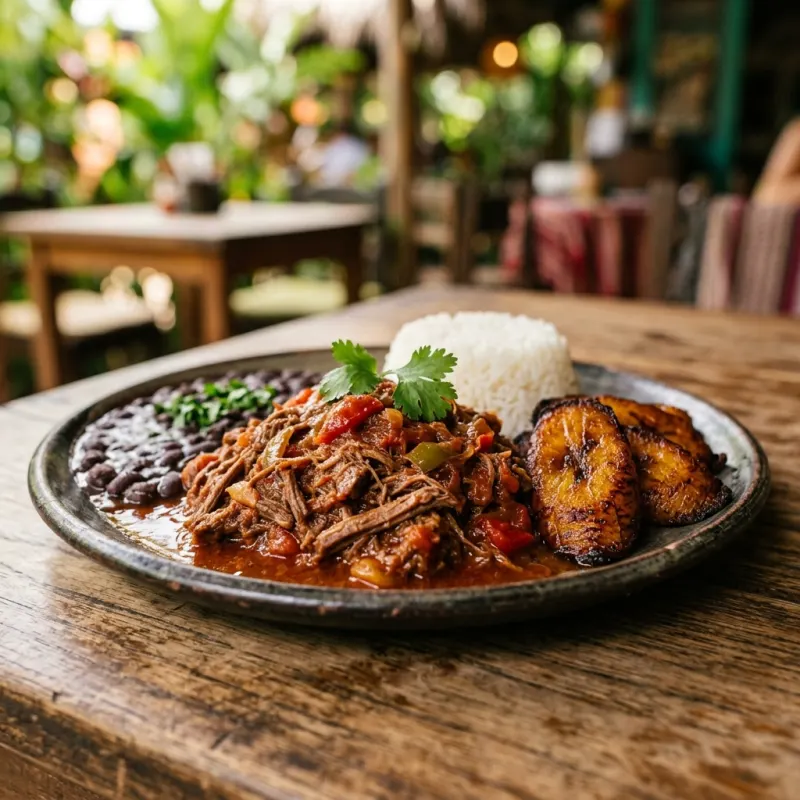
Traditional Cuban Ropa Vieja with rice, black beans, and plantains

Must Try Dish

Ropa Vieja - This iconic dish consists of tender, slow-cooked shredded beef simmered in a rich tomato, bell pepper, and onion sauce. It is traditionally served alongside black beans, white rice, and sweet fried plantains.
Food Experiences Title Icon

Food
Experiences

Discover cooking classes, tastings and local food tours

No food experience found
Maya, the human travel expert at TravelingWiz, offering curated, non-AI expertise

Maya’s Final Checklist for Cuba

Logistics shouldn’t be the focus of your trip—the experience should. I’ve hand-vetted these essential partners to ensure your arrival, stay, and exploration are as smooth as an Athenian breeze.

Where to Stay

From boutique hotels to local apartments—compare thousands of options and find the perfect stay in the best neighborhood.

Air Travel

Getting there should be seamless. Compare the best routes and prices across top airlines to start your journey on the right note.

Local Guides

Connect with experts who know the destination best. Get personalized advice and insider tips to help you plan your perfect trip.

Travel Protection

The “Engineer’s” rule: always have a backup. Secure your trip with a plan that covers every “what if” and unexpected change.

Car Rentals

Explore at your own pace with total freedom. Compare reliable rental options and find the right vehicle for your adventure.

Visa Services

Don’t let paperwork slow you down. Get expert assistance with your application to ensure all your entry documents are in order.

FAQs

Yes, but not for strictly ‘tourist’ activities. US citizens must travel under one of 12 approved categories, the most common being ‘Support for the Cuban People’, which requires a full-time schedule of activities interacting with locals.
Most nationalities require a Cuban Tourist Card (Tarjeta del Turista) to enter, which can usually be purchased through your airline or a travel agency before departure.
Internet is available but restricted. You can buy ETECSA Wi-Fi cards to use in designated public parks and hotels, or purchase a tourist SIM card upon arrival for mobile data.
You cannot rely on credit cards, especially those issued by US banks, and ATMs are highly unreliable. You must bring your entire travel budget in cash Euros or US Dollars. Plan to bring enough cash to cover an estimated cost of $50 to $100 USD per day for your accommodation, private paladar meals, and local taxi transit.
You should stay in Casas Particulares, which are private, family-run guesthouses. They offer a highly authentic experience and typically cost between $25 and $45 USD per night. Staying here also supports local Cuban families directly, and hosts often offer delicious, massive home-cooked breakfasts for an additional cost of about $5 USD per day.
You will find the most pleasant weather during the dry season, which runs from November to April. This period offers beautiful sunny days with manageable humidity, though prices are slightly higher. Expect to spend around $70 to $120 USD per day on activities and lodging during these peak months. Try to avoid the wet hurricane season from August to October.

Your Insights Matter

TravelingWiz grows through the stories of our community. If you’ve recently explored ,Cuba share your tips and stories to help us perfect our guides for the next traveler.

Related Articles

Check out our related articles and blog posts to learn even more about the destination.

No related articles found

Don’t Travel Alone

Share with your friends and family

Where should we send your offline card?

We hate spam just as much as you do

newsletter_consent *