Disclosure: This site contains affiliate links. We may earn a commission if you make a purchase, at no extra cost to you.

>
>
>
>
Eastern Cuba

Eastern Cuba

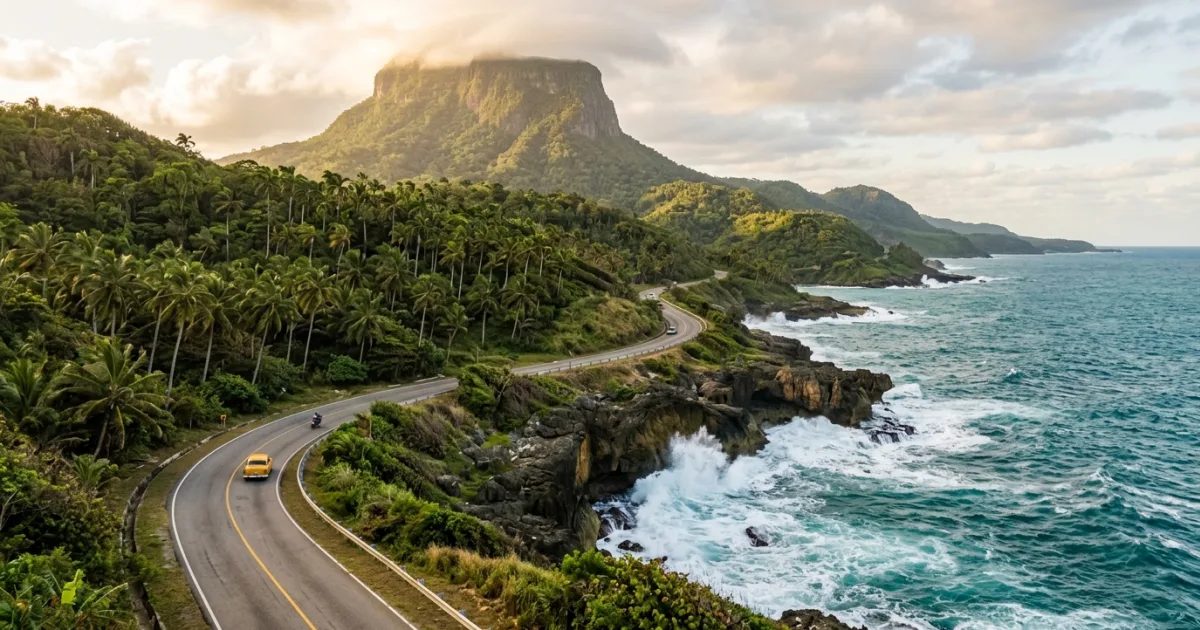
Panoramic landscape of the lush mountains and rugged Caribbean coast in Eastern Cuba near Baracoa

Eastern Cuba Overview & Key Highlights

Eastern Cuba, known historically as Oriente, spans a rugged, culturally distinct landscape defined by soaring mountain ridges, revolutionary monuments, and deep Afro-Caribbean roots. Anchored by Santiago de Cuba—the cradle of Cuban son music and revolution—the region stretches eastward past the arid cactus plains of Guantánamo to the lush, isolated rainforests and cocoa groves of Baracoa. Travelers encounter a strikingly authentic environment characterized by vibrant musical traditions, Spanish colonial fortresses, and pristine national parks that remain largely untouched by mass tourism. Navigating this expansive territory requires adaptability, rewarding independent explorers with dramatic scenery and profound historical encounters. From hiking the cloud forests of the Sierra Maestra to conquering the breathtaking mountain pass of La Farola, the eastern provinces present an immersive sensory journey. Experiencing Oriente means staying in private homestays (casas particulares), engaging directly with warm communities, and absorbing a compelling tapestry of Caribbean soul that sets it completely apart from Havana and the western beach enclaves.

Eastern Cuba Travel Guide: Logistics & In-Depth Tips

Eastern Cuba, historically known as 'Oriente', is the cultural cradle and geographic powerhouse of the Cuban archipelago. Encompassing provinces such as Santiago de Cuba, Guantánamo, Holguín, and Granma, this region is defined by geological drama, ranging from the Caribbean's highest peaks in the Sierra Maestra to the crystalline bays of Guardalavaca and the isolated, rain-drenched jungles surrounding Baracoa. This is a land of revolution and music; it is where the wars for Cuban independence ignited, where Fidel Castro launched the 1953 Moncada Barracks assault, and where Afro-Cuban son, trova, and rumba took musical form.

Unlike the resort corridors of the western keys, Eastern Cuba offers an unfiltered travel experience characterized by intense cultural vitality and rugged outdoor adventures. In Santiago de Cuba, colonial castles overlook turquoise waters while music spills nightly from Casa de la Trova. Farther east, crossing the precipitous Viaducto La Farola leads to Baracoa, Cuba's oldest colonial settlement, celebrated for its unique indigenous culinary heritage, flat-topped mountain El Yunque, and lush rivers. Traveling through Oriente requires logistical patience, but it rewards visitors with genuine warmth, profound history, and unvarnished natural grandeur.

Reasons to Visit

  • Vibrant Afro-Cuban Music: Experience authentic son, rumba, and bolero played live at legendary venues like Casa de la Trova in Santiago de Cuba.
  • Untouched Tropical Nature: Hike through the emerald cloud forests of Sierra Maestra and trek the unique anvil-shaped mountain of El Yunque in Baracoa.
  • Colonial & Revolutionary History: Explore UNESCO-listed Castillo de San Pedro de la Roca and visit historic revolutionary battle sites.
  • Unique Regional Cuisine: Savor Baracoa's distinct culinary tradition centered on coconut milk, freshly harvested cocoa, and traditional confections.
  • Uncrowded Coastal Gems: Relax on scenic beaches in Guardalavaca or discover remote coastal bays flanked by dramatic cliffs.

Things to Avoid

  • Do not rely on international bank cards or foreign electronic payments, as cash is required for nearly every transaction.
  • Avoid hiring unvetted, informal street guides (jineteros) around central plazas who charge inflated commissions.
  • Do not drink tap water; stick exclusively to treated, bottled, or boiled water across all eastern provinces.
  • Avoid driving rural mountain passes after dark due to poor lighting, steep drops, and stray animals.
  • Do not travel with an overly rigid itinerary, as regional transport schedules and fuel logistics frequently fluctuate.

Local Transportation Tips

Long-distance travel across Eastern Cuba is primarily handled via the Viazul bus network, which links major hubs including Santiago de Cuba, Holguín, Bayamo, and Baracoa. For greater flexibility, private taxis and shared colectivos are widely used and can be arranged directly through your casa particular hosts. Within cities like Santiago, local transport options include bicitaxis (cycle rickshaws), metered state taxis, and urban buses, while horse-drawn carriages remain common in smaller provincial towns.

Travel Etiquette

  • Greet people politely with 'Buenos días' or 'Buenas tardes' before asking for directions or ordering food.
  • Tip service workers, musicians, and homestay staff generously; tips represent essential foreign currency income for locals.
  • Always ask for permission before taking photographs of local residents, especially in rural villages.
  • Dress modestly and respectfully when visiting active religious spaces like the Basilica of Nuestra Señora de la Caridad del Cobre.
  • Avoid aggressive political debates, maintaining a courteous, curious, and respectful conversational tone.

Recommended Age Group

Eastern Cuba offers rewarding adventures for resilient travelers, though infrastructure challenges require consideration across different age brackets.

  • Babies (0-2 years): Not Recommended. Humid tropical heat, intermittent power outages, rough roads, and limited baby supplies create significant logistical hurdles.
  • Kids (3-12 years): Neutral. Children will love the beaches and vibrant music, but extensive travel times and limited child-focused entertainment require patience.
  • Teens (13-19 years): Recommended. Teenagers who enjoy history, active hiking, river swimming, and rich musical cultures will find Oriente deeply engaging.
  • Adults (20-64 years): Recommended. Ideal for independent travelers, history buffs, and eco-trekkers eager to navigate authentic Caribbean communities.
  • Seniors (65+ years): Neutral. Older travelers who appreciate cultural depth will enjoy the region, provided they arrange private transport and comfortable lodgings to avoid arduous terrain.

Accessibility Level: Medium

  • Pavements, cobblestones, and steep inclines in historic districts like Santiago and Baracoa pose mobility challenges for wheelchair users.
  • Public buses and shared colectivos lack wheelchair ramps or accessible boarding facilities.
  • Historic fortresses and mountain hiking trails feature irregular stone steps, narrow passages, and uneven dirt paths.
  • Travelers requiring accessible arrangements should book modern private transport and confirm ground-floor accommodations with casa particular hosts in advance.

Did You Know?

Baracoa was the first Spanish settlement founded in Cuba by Diego Velázquez in 1511, and it remained completely inaccessible by overland road until the engineering triumph of the Viaducto La Farola was constructed in 1965.

Cool Statistics

  • Pico Turquino in the Sierra Maestra stands as Cuba's highest elevation at 1,974 meters (6,476 feet).
  • Santiago de Cuba is home to the world's most complete Spanish-American military fortress, Castillo de San Pedro de la Roca, built in 1638.
  • Eastern Cuba produces over 75% of Cuba's cocoa and a substantial share of its famous organic mountain coffee.


Address:

Eastern Cuba, Cuba

Find Nearby Accommodations

Basic Info

address icon

COUNTRY & Region

Cuba,
Caribbean

ACCESSIBILITY LEVEL​

Medium
Currency icon

LOCAL CURRENCY​

Cuban Peso (CUP)
Price level icon
Low
Safety Level icon

SAFETY LEVEL

Duration icon

Recommended Duration

• More than a week

Electricity

electricity icon

Electricity

110-120V, 
60Hz
Plug Socket icon

Plug Type

• Type A (Flat blade)
• Type B (Flat blade with grounding pin)
• Type C (Round pin)
Plug types
Click To View Plug Types
Eastern Cuba is part of our
Slow Travel & Nature collection

Activities To Do In Eastern Cuba

Best Time To Visit Eastern Cuba

Eastern Cuba boasts a tropical climate with regional microclimates ranging from semi-arid coasts to humid rainforests.

  • November to April (Dry Season): The optimal time for exploring, featuring pleasant temperatures, minimal rainfall, and comfortable conditions for hiking.
  • May to June (Early Wet Season): Warmer temperatures bring lush green landscapes and fewer visitors, though humidity begins to climb.
  • July (Festival Season): Extremely hot, but hosts the world-famous, vibrant Carnival of Santiago de Cuba and Fiesta del Fuego.
  • August to October (Peak Hurricane Season): Characterized by high heat, humidity, and the highest statistical likelihood of tropical storms and heavy downpours.

Average Temperatures Per Month

Remember to check the weather forecast a few days before the trip and before heading to the airport.

Safety Level icon

Safety Level

Eastern Cuba has exceptionally low rates of violent crime, making it generally very safe for travelers. Petty scams and street hustlers (jineteros) are prevalent around Parque Céspedes in Santiago de Cuba; politely but firmly decline unwanted tour or cigar offers. Ensure you drink only bottled or boiled water to prevent intestinal issues. When traveling by road, avoid nighttime driving due to unlit potholes, roaming livestock, and occasional fuel shortages.

The rating is based on multi-year peace, crime, and security indices. Before you go, always verify current conditions through official government travel advisories.

Emergency Numbers

Police: 106
Ambulance: 104

No internet needed • Includes local translations • Free for TravelingWiz readers

Spoken Languages

Spanish (Cuban dialect with distinct regional Oriente intonation and phrasing)

Learn The Language

  • ¿Qué bolá? – What’s up? (Casual Cuban greeting)
  • Asere – Friend / Mate (Informal Cuban slang)
  • ¿Cuánto cuesta esto? – How much does this cost?
  • La cuenta, por favor – The bill, please
  • Muchas gracias – Thank you very much
  • ¿Dónde está la parada? – Where is the stop / station?
  • Está riquísimo – It is delicious
  • Que tenga un buen día – Have a nice day
Travel Booking Partner - TravelingWiz

Trip Cost & Budgeting for Eastern Cuba, 2026

Everything you need to know about money while traveling
Is Eastern Cuba expensive for tourists in 2026? No, it remains an affordable Caribbean destination for travelers. Based on Human Verified prices, you can expect to pay around 450 CUP for a coffee, 600 CUP for a domestic beer, and 3,500 CUP for a standard main meal at a mid-range paladar. Staying in private homestays and using shared taxis keeps daily expenses low. Use the data table below to calculate your specific daily budget based on your travel style.
Currency icon

LOCAL CURRENCY​:

Cuban Peso (CUP)
Price level icon
Low
Credit cards are rarely accepted in Eastern Cuba, making cash essential for almost all daily transactions.

Per person, per day – pocket cash for small purchases.

Local: 1550
Cuban Peso (CUP)
≈ 65 USD

Full daily spend estimation (accommodation, food, transportation, attractions).

Travel Style
Cuban Peso (CUP)
≈ USD ($)
Budget
8500
354
Mid-range
15450
644
Comfort
34000
1417

The Prices, Daily costs, and calculator results are estimates for planning purposes only. Actual costs may vary based on season, booking timing, personal spending habits, and currency fluctuations. TravelingWiz cannot be held responsible for discrepancies between these estimates and your final trip expenses.

  • • Stay in casas particulares (private homestays) rather than state hotels for better rates and home-cooked meals.
  • • Eat at local paladares (private restaurants) for higher quality dishes at much lower prices than state dining.
  • • Bring cash in USD or EUR to exchange locally, as foreign credit cards rarely work and ATMs are unreliable.
  • • Transport between towns like Santiago, Holguín, and Baracoa is cheapest using Viazul buses or shared taxis.

Pre-Order Tickets

Avoid disappointment when tickets sell out — and skip the long lines by booking online in advance. You’ll often save up to 20% too.
Save up to 20%

Travel Discounts & Coupons

Save on hotels, attractions, transport, and gear — find verified discounts for smarter travel spending.
Verified Coupons

What To Pack

  • Breathable, lightweight linen and cotton clothing suitable for intense Caribbean heat and humidity.
  • Sturdy, waterproof hiking boots for trekking the Sierra Maestra and El Yunque trails.
  • High-strength insect repellent and biodegradable sunscreen for rainforest and coastal excursions.
  • Universal power plug adapters and a reliable portable high-capacity power bank to manage frequent power fluctuations.
  • Comprehensive personal medical kit including water purification tablets, electrolytes, and essential over-the-counter medications.
  • Pristine, crisp euro and US dollar banknotes in small denominations for all transactions.
We couldn't find tips for Eastern Cuba.
If you got any, please share

Recommended Itineraries for Traveling to Eastern Cuba

We couldn't find itineraries for Eastern Cuba.
you can contact us for custom trip plan

Food & Drink Highlights

Local Food Overview

Eastern Cuban cuisine possesses a distinct flair distinct from the rest of the island, influenced deeply by indigenous Taíno roots, African ingredients, and French-Haitian migrations. Coconut milk (leche de coco), annatto, plantains, and fresh seafood take center stage, particularly in Baracoa, Cuba's culinary capital. Regional specialties include savory dishes cooked in spiced coconut sauces, slow-roasted pork (lechón asado), and sweet confections wrapped in palm bark. Due to regional supply variations, menus rely heavily on hyper-local seasonal agriculture.
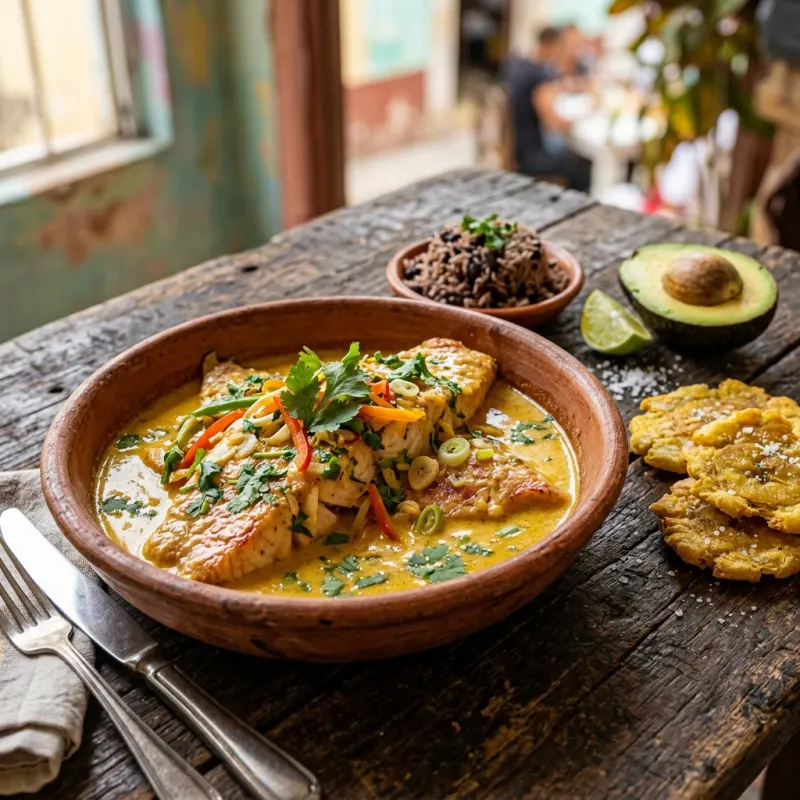
Authentic Baracoan fish fillet stewed in savory coconut sauce served with rice and tostones

Must Try Dish

Pescado con Leche de Coco - Fresh ocean fish simmered gently in rich, spiced coconut milk infused with garlic, sweet peppers, tomatoes, and fresh culantro. This iconic dish of Baracoa highlights eastern Cuba's indigenous and Afro-Caribbean culinary heritage with exceptional flavor depth.
Food Experiences Title Icon

Food
Experiences

Discover cooking classes, tastings and local food tours

No food experience found
Maya, the human travel expert at TravelingWiz, offering curated, non-AI expertise

Maya’s Final Checklist for Eastern Cuba

Logistics shouldn’t be the focus of your trip—the experience should. I’ve hand-vetted these essential partners to ensure your arrival, stay, and exploration are as smooth as an Athenian breeze.

Where to Stay

From boutique hotels to local apartments—compare thousands of options and find the perfect stay in the best neighborhood.

Air Travel

Getting there should be seamless. Compare the best routes and prices across top airlines to start your journey on the right note.

Local Guides

Connect with experts who know the destination best. Get personalized advice and insider tips to help you plan your perfect trip.

Travel Protection

The “Engineer’s” rule: always have a backup. Secure your trip with a plan that covers every “what if” and unexpected change.

Car Rentals

Explore at your own pace with total freedom. Compare reliable rental options and find the right vehicle for your adventure.

Visa Services

Don’t let paperwork slow you down. Get expert assistance with your application to ensure all your entry documents are in order.

FAQs

Travelers typically hire a private taxi colectivo or take the Viazul intercity bus across the scenic Viaducto La Farola, a dramatic mountain highway that takes approximately 4 to 5 hours.
No, cards issued by US banks do not work in Cuba due to sanctions. Carry sufficient physical cash in Euros, Canadian Dollars, or US Dollars to fund your entire stay.
Yes, Eastern Cuba is very safe with minimal violent crime. Solo travelers should exercise standard precautions against opportunistic theft and be prepared for persistent touts in city centers.
Fly into Santiago de Cuba (Antonio Maceo International Airport) or Holguín (Frank País International Airport), or take an overland long-distance Viazul bus from Havana or Camagüey.

Your Insights Matter

TravelingWiz grows through the stories of our community. If you’ve recently explored ,Eastern Cuba share your tips and stories to help us perfect our guides for the next traveler.

Related Articles

Check out our related articles and blog posts to learn even more about the destination.

No related articles found

Don’t Travel Alone

Share with your friends and family

Where should we send your offline card?

We hate spam just as much as you do

newsletter_consent *