Disclosure: This site contains affiliate links. We may earn a commission if you make a purchase, at no extra cost to you.

>
>
>
>
Lacandon Jungle

Lacandon Jungle

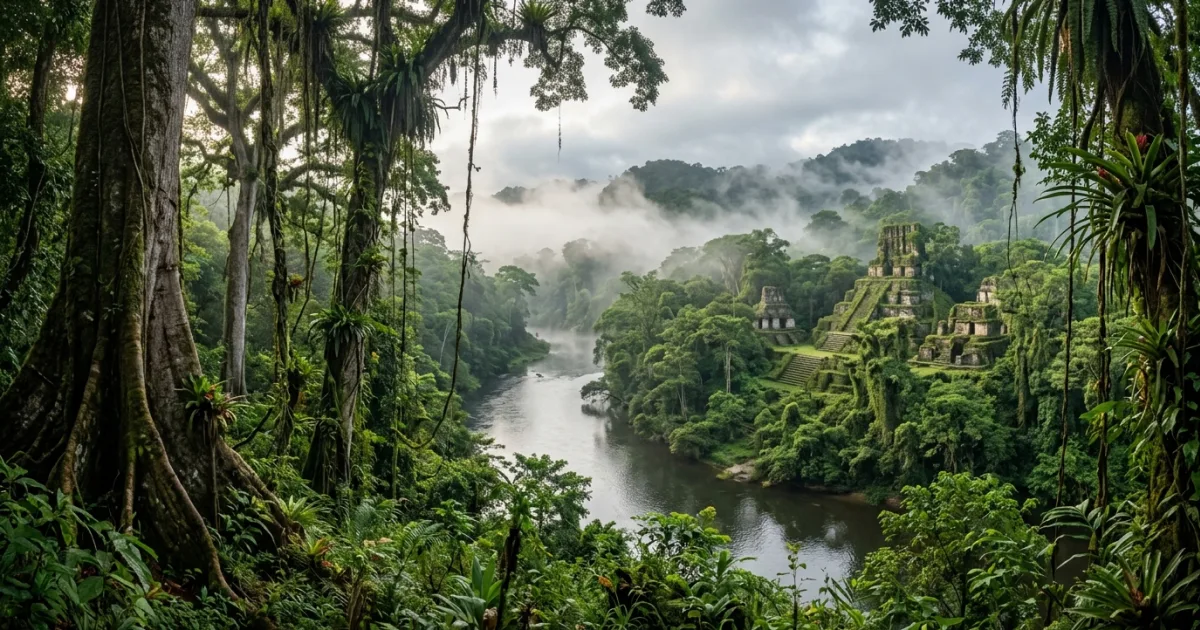
Panoramic view of the misty Lacandon Jungle canopy with tropical trees and ancient Maya stone ruins

Lacandon Jungle Overview & Key Highlights

The Lacandon Jungle is an expansive tropical rainforest system located in the eastern lowlands of Chiapas along the Usumacinta River basin. Characterized by high biodiversity and dramatic limestone topography, the region remains home to several thousand species of flora alongside critically endangered fauna like the tapir, spider monkey, and jaguar. Indigenous Lacandon communities manage several sustainable ecotourism camps across settlements like Lacanjá Chansayab, Nahá, and Metzabok, offering authentic community-led forest trekking, cave explorations, and canoe crossings. Visitors generally access the jungle via guided transport from Palenque, traversing rural highways that cut through subtropical valleys. Highlights include navigating remote archaeological enclaves such as Bonampak and the riverine city of Yaxchilán, both enveloped by dense canopy vines and towering mahogany trees. Conditions are tropical and humid year-round, requiring sturdy hiking gear, water purification readiness, and cash for community entrance fees. Exploring this delicate habitat supports indigenous land conservation while providing an uncompromising look at Mexico's wildest interior.

Lacandon Jungle Travel Guide: Logistics & In-Depth Tips

The Selva Lacandona forms the largest tract of tropical montane rainforest remaining in North America, spreading over the Usumacinta river drainage basin. It is celebrated for its staggering ecological diversity, providing refuge to emblematic species like the jaguar, tapir, harpy eagle, and river crocodile. Historically, this dense forest canopy sheltered the Hach Winik (Lacandon Maya) from Spanish colonial conquest, permitting the survival of distinct traditions, white tunic garments, and animist beliefs centered around sacred lakes such as Nahá and Metzabok.

Today, responsible travel here functions through community-managed conservation reserves and indigenous ejidos. Guests base themselves in solar-powered riverside cabins, taking excursions across ancient Maya plazas half-swallowed by massive ceiba roots. The jungle experience is raw, sensory, and deeply grounded in conservation education, demanding flexibility regarding electricity, connectivity, and wilderness elements.

Reasons to Visit

  • Witness ancient Maya architecture at Yaxchilán, an overgrown city accessible exclusively via motorized wooden boat down the international border river.
  • Marvel at the extraordinary pre-Columbian frescoes inside the Temple of the Murals at Bonampak, showcasing Maya court life and warfare.
  • Explore untouched primary rainforest alongside indigenous Lacandon guides who share ancestral ethnobotanical wisdom.
  • Experience tranquil paddle-boarding or canoeing on the mystical, fog-cloaked waters of Lake Metzabok and Lake Nahá.
  • Support community-driven indigenous conservation initiatives that defend the reserve against illegal logging and cattle ranching.

Things to Avoid

  • Never photograph Lacandon community members, especially elders and children, without explicitly asking for permission first.
  • Avoid touching or picking wild orchids, mushrooms, or archaeological stones within protected reserve boundaries.
  • Do not swim in unverified river bends or lagoons without asking guides first due to strong currents and crocodile habitats.
  • Avoid arriving without sufficient cash reserves, as card readers and bank branches are nonexistent.
  • Never venture onto unmarked jungle trails after dusk without an experienced community tracker.

Local Transportation Tips

Transit within the Lacandon Jungle is conducted via shared colectivo vans departing Palenque along Highway 307, chartered 4x4 vehicles, and river lanchas (long wooden motorboats). To reach the Maya ruins of Yaxchilán, travelers must hire licensed community boats at Frontera Corozal for an hour-long trip down the Usumacinta River. Within villages like Lacanjá Chansayab, movement between eco-lodges and trailheads is done on foot or via local pickup trucks.

Travel Etiquette

  • Dress modestly when entering indigenous villages; keep swimwear confined strictly to secluded swimming holes.
  • Always pay mandatory communal entry tariffs cheerfully, as these funds directly build local schools and sustain reforestation patrol teams.
  • Ask for guidance before swimming in sacred lagoons, as certain bodies of water are reserved exclusively for Lacandon spiritual rites.
  • Pack out all non-biodegradable waste including plastics, batteries, and wet wipes, since remote hamlets lack municipal recycling infrastructure.

Recommended Age Group

Exploring the Lacandon Jungle involves wilderness navigation, tropical humidity, and limited modern infrastructure that appeal to specific types of travelers.

  • Babies (0-2 years): Not Recommended. Extreme tropical heat, aggressive biting insects, lack of immediate emergency healthcare, and rough dirt roads create unsuitable conditions.
  • Kids (3-12 years): Neutral. Adventurous older children with wilderness resilience may enjoy boat safaris and wildlife spotting, but long drives and basic plumbing can prove demanding.
  • Teens (13-19 years): Recommended. An outstanding educational wilderness destination featuring ruins, canopy walks, boat trips, and indigenous cultural immersion.
  • Adults (20-64 years): Recommended. Perfect for active hikers, ecotourists, photographers, and history lovers eager to experience an untamed corner of Mesoamerica.
  • Seniors (65+ years): Neutral. Rewarding for active seniors in good physical health, but slippery limestone steps, uneven roots, and high humidity require care.

Accessibility Level: Medium

  • Trails through the rainforest are natural dirt paths crossed with slick tree roots, muddy trenches, and uneven river stones, making them unsuitable for standard wheelchairs or mobility devices.
  • Reaching Yaxchilán involves stepping down steep riverbanks and climbing into open wooden skiffs, requiring adequate balance and stepping ability.
  • Eco-lodges feature rustic wooden steps, raised decks, and unpaved pathways without ramp alternatives.
  • Travelers with restricted mobility are advised to arrange private van transport to Bonampak, which features flatter ground access around its main plaza.

Did You Know?

The Lacandon Maya remained largely uncontacted by Europeans until the late 18th century, maintaining their original polytheistic religious practices and avoiding missionization far longer than almost any other Mesoamerican indigenous group.

Cool Statistics

  • 1.8 million: Approximate hectares spanned by the broader Selva Lacandona biosphere.
  • 25%: Share of Mexico's total animal species harbored within this single rainforest ecosystem.
  • 8th Century: Approximate creation date of the world-famous painted masterworks at Bonampak.

Address:

Lacandon Jungle, Chiapas, Mexico

Find Nearby Accommodations

Basic Info

address icon

COUNTRY & Region

Mexico,
North America

ACCESSIBILITY LEVEL​

Medium
Currency icon

LOCAL CURRENCY​

Mexican Peso (MXN)
Price level icon
Low
Safety Level icon

SAFETY LEVEL

Duration icon

Recommended Duration

• 1-7 days
• Full day

Electricity

electricity icon

Electricity

110-120V, 
60Hz
Plug Socket icon

Plug Type

• Type A (Flat blade)
• Type B (Flat blade with grounding pin)
Plug types
Click To View Plug Types
Lacandon Jungle is part of our
Astrotourism collection

Activities To Do In Lacandon Jungle

Best Time To Visit Lacandon Jungle

The Lacandon Jungle experiences a humid tropical rainforest climate defined by a distinct dry period and an intense rainy season.

  • Dry Season (November to April): Ideal for trekking and river transport. Water levels normalize, dirt paths are more passable, and humidity drops slightly, making ruins exploration far more comfortable.
  • Rainy Season (May to October): Characterized by heavy tropical deluges, swollen rivers, and muddy trails. Forest wildlife is vibrant, but unpaved secondary roads may become impassable and boat crossings on the Usumacinta become turbulent.
  • Peak Wildlife Activity (March to May): Warmer temperatures draw fauna toward remaining waterholes and riverbanks, offering optimal birdwatching and mammal spotting.

Average Temperatures Per Month

Remember to check the weather forecast a few days before the trip and before heading to the airport.

Safety Level icon

Safety Level

The jungle reserve is peaceful, but travelers must respect communal indigenous jurisdiction; always register at visitor checkpoints and pay communal conservation dues. Avoid traveling on rural Chiapas highways late at night due to poor road maintenance, unlit farm animals, and occasional regional protest roadblocks. When hiking, never wander off established tracks without a certified Lacandon guide, as dense canopy disorientation and venomous fer-de-lance snakes pose genuine wilderness hazards. Drink only treated or bottled water to avoid severe gastrointestinal distress.

The rating is based on multi-year peace, crime, and security indices. Before you go, always verify current conditions through official government travel advisories.

Emergency Numbers

Police: 911
Ambulance: 911

No internet needed • Includes local translations • Free for TravelingWiz readers

Spoken Languages

Spanish, Lacandon Maya (Hach T'an), and Ch'ol

Learn The Language

  • Buenos días: Good morning
  • Por favor: Please
  • Muchas gracias: Thank you very much
  • ¿Dónde está el sendero?: Where is the trail?
  • Agua potable: Drinking water
  • Baño: Restroom
  • ¿Cuánto cuesta la lancha?: How much is the boat?
  • Ayuda, por favor: Help, please
Travel Booking Partner - TravelingWiz

Trip Cost & Budgeting for Lacandon Jungle, 2026

Everything you need to know about money while traveling
Is Lacandon Jungle expensive for tourists in 2026? No, the Lacandon Jungle remains very affordable for travelers. Expect to pay around 45 MXN for a coffee, 50 MXN for a domestic beer, and 180 MXN for a meal at local eco-lodges. Based on Human Verified prices, rustic cabins and guided hikes offer great value. Use the data table below to calculate your specific daily budget based on your travel style.
Currency icon

LOCAL CURRENCY​:

Mexican Peso (MXN)
Price level icon
Low
Credit cards are not accepted in the jungle, making cash essential for lodging, meals, and local guides.

Per person, per day – pocket cash for small purchases.

Local: 140
Mexican Peso (MXN)
≈ 8 USD

Full daily spend estimation (accommodation, food, transportation, attractions).

Travel Style
Mexican Peso (MXN)
≈ USD ($)
Budget
760
43
Mid-range
1380
78
Comfort
3050
172

The Prices, Daily costs, and calculator results are estimates for planning purposes only. Actual costs may vary based on season, booking timing, personal spending habits, and currency fluctuations. TravelingWiz cannot be held responsible for discrepancies between these estimates and your final trip expenses.

  • • Take shared colectivos from Palenque to San Javier junction instead of expensive private taxis to lower transport costs.
  • • Withdraw enough cash in Palenque or San Cristóbal de las Casas before entering the rainforest, as there are no ATMs.
  • • Hire local Lacandón guides directly in Lacanjá Chansayab rather than booking marked-up agency tours from major cities.
  • • Stay in family-run eco-cabañas that include traditional home-cooked meals in their overnight rates.

Pre-Order Tickets

Avoid disappointment when tickets sell out — and skip the long lines by booking online in advance. You’ll often save up to 20% too.
Save up to 20%

Travel Discounts & Coupons

Save on hotels, attractions, transport, and gear — find verified discounts for smarter travel spending.
Verified Coupons

What To Pack

  • Breathable, quick-drying long-sleeve shirts and trousers to protect against relentless insects and thick vegetation.
  • Sturdy waterproof hiking boots with aggressive tread suitable for deep mud and slick limestone rocks.
  • High-strength insect repellent containing DEET or picaridin, alongside natural anti-itch soothing balms.
  • Compact, waterproof dry bags to safeguard electronics, passports, and cameras during river boat rides.
  • High-lumen headlamp with extra batteries or USB solar power bank for off-grid eco-lodges with limited electricity.
  • Lightweight, durable rain poncho or breathable rain jacket for sudden, heavy tropical downpours.
  • Rehydration electrolyte packets and personal water filtration or purification tablets.
We couldn't find tips for Lacandon Jungle.
If you got any, please share

Recommended Itineraries for Traveling to Lacandon Jungle

We couldn't find itineraries for Lacandon Jungle.
you can contact us for custom trip plan

Food & Drink Highlights

Local Food Overview

Gastronomy in the Lacandon rainforest centers on regional Chiapaneco staples and indigenous agroforestry harvests. Meals feature fresh hand-patted corn tortillas, wild forest herbs, black beans, plantains, and local river fish or free-range poultry stewed with annatto and mild chilies. Beverage traditions include Pozol, a refreshing fermented corn and cacao beverage served cold in hollowed-out gourds, providing sustained energy during demanding hikes in the tropical humidity.
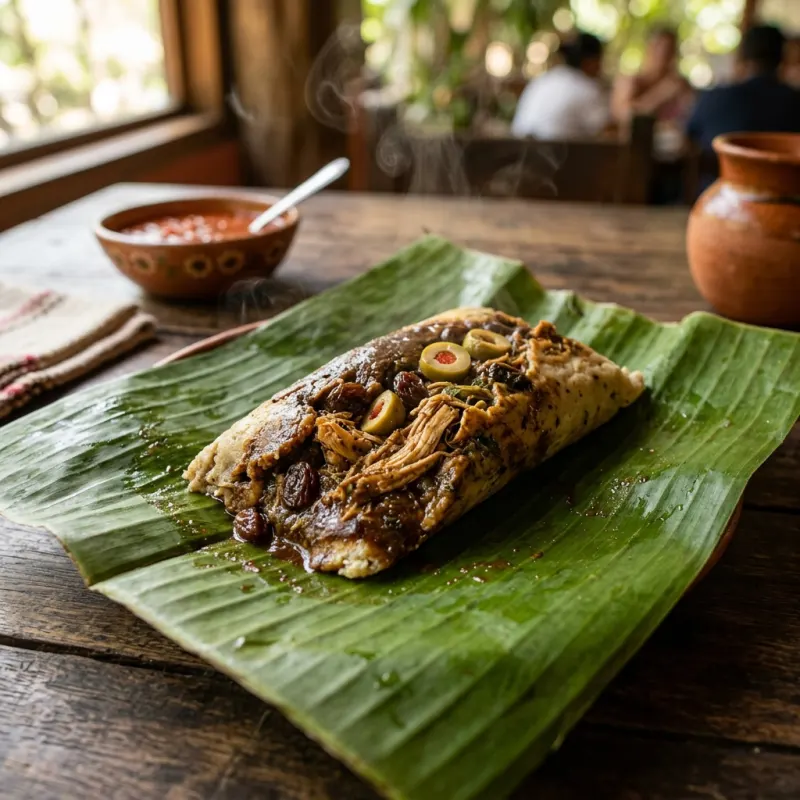
Authentic Tamal Chiapaneco unwrapped on a banana leaf on a rustic table

Must Try Dish

Tamales Chiapanecos - Rectangular parcels of masa filled with shredded braised chicken, rich mole sauce, dried plums, and olives, wrapped tightly in aromatic banana leaves and gently steamed over wood embers. The dish captures the sweet-savory complexity typical of regional Chiapas celebration cooking.
Food Experiences Title Icon

Food
Experiences

Discover cooking classes, tastings and local food tours

No food experience found
Maya, the human travel expert at TravelingWiz, offering curated, non-AI expertise

Maya’s Final Checklist for Lacandon Jungle

Logistics shouldn’t be the focus of your trip—the experience should. I’ve hand-vetted these essential partners to ensure your arrival, stay, and exploration are as smooth as an Athenian breeze.

Where to Stay

From boutique hotels to local apartments—compare thousands of options and find the perfect stay in the best neighborhood.

Air Travel

Getting there should be seamless. Compare the best routes and prices across top airlines to start your journey on the right note.

Local Guides

Connect with experts who know the destination best. Get personalized advice and insider tips to help you plan your perfect trip.

Travel Protection

The “Engineer’s” rule: always have a backup. Secure your trip with a plan that covers every “what if” and unexpected change.

Car Rentals

Explore at your own pace with total freedom. Compare reliable rental options and find the right vehicle for your adventure.

Visa Services

Don’t let paperwork slow you down. Get expert assistance with your application to ensure all your entry documents are in order.

FAQs

Travelers typically take a shuttle or rental vehicle south from Palenque along Highway 307 (Carretera Fronteriza del Sur), reaching main ecotourism bases like Lacanjá Chansayab within 2.5 to 3.5 hours.
Yes, but visiting with a local Lacandon guide is strongly advised for navigating secondary trails, understanding indigenous customs, and safely arranging riverboat crossings to remote ruins.
Yes, species such as the fer-de-lance (nauyaca) pit viper and scorpions inhabit the jungle. Wearing high hiking boots and sticking to cleared paths minimizes risk.
Yes, many travelers take an early morning departure from Palenque, stop at Bonampak to view the murals, and proceed to Frontera Corozal for the boat ride to Yaxchilán before returning by evening.

Your Insights Matter

TravelingWiz grows through the stories of our community. If you’ve recently explored ,Lacandon Jungle share your tips and stories to help us perfect our guides for the next traveler.

Related Articles

Check out our related articles and blog posts to learn even more about the destination.

No related articles found

Don’t Travel Alone

Share with your friends and family

Where should we send your offline card?

We hate spam just as much as you do

newsletter_consent *