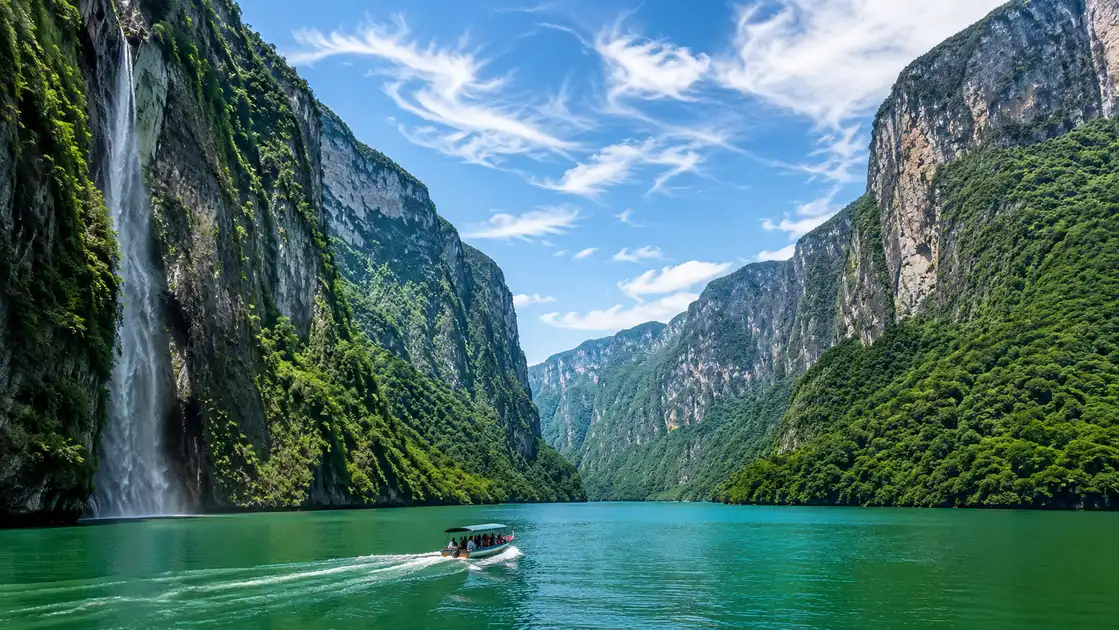
Chiapas is a land of profound contrasts and deep-rooted traditions, offering a travel experience unlike anywhere else in Mexico. From the misty, pine-forested highlands surrounding San Cristóbal de las Casas to the steamy, dense canopy of the Lacandon Jungle, the state's geography is as diverse as its people. Visitors can navigate the towering walls of the Sumidero Canyon by boat, marvel at the turquoise cascades of Agua Azul and El Chiflón, and step back in time at the majestic Mayan ruins of Palenque, Yaxchilán, and Bonampak. Beyond its natural and archaeological wonders, Chiapas is the heartland of Mexico's modern Maya population. Villages like San Juan Chamula and Zinacantán offer a fascinating glimpse into syncretic religious practices and masterful textile weaving, making Chiapas a deeply spiritual and culturally enriching destination.
Reasons to Visit
- Explore world-class Mayan archaeological sites like Palenque, set deep within the jungle.
- Experience the vibrant, living indigenous cultures and unique syncretic traditions of the highland villages.
- Marvel at spectacular natural wonders, including the Sumidero Canyon, Montebello Lakes, and numerous waterfalls.
- Enjoy exceptional value for money, as Chiapas remains one of Mexico's most budget-friendly regions.
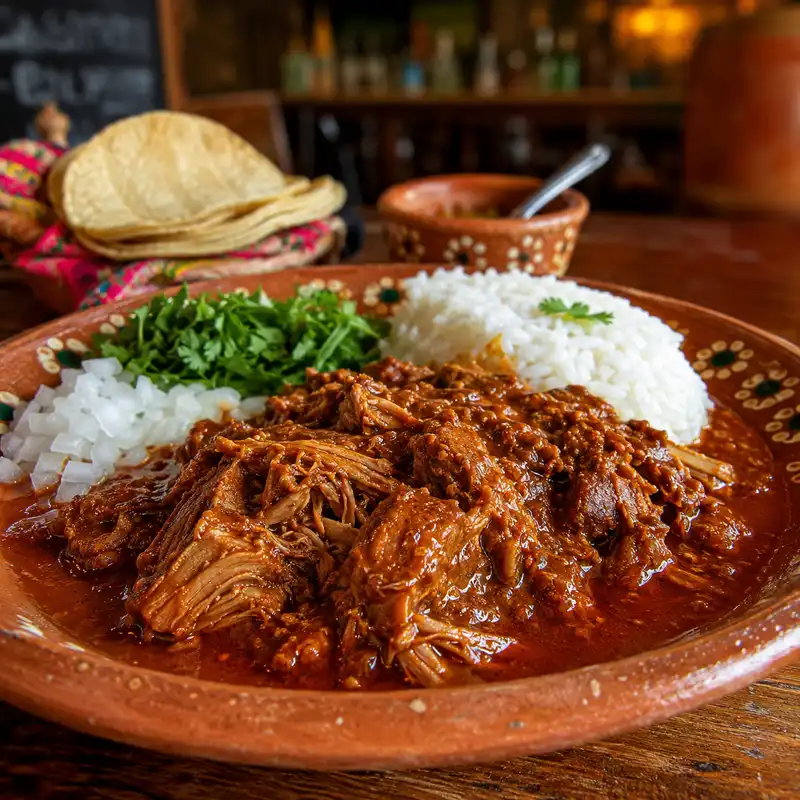
- Taste unique regional cuisine and some of the world's best organic, shade-grown coffee.
Things to Avoid
- Avoid driving at night on rural highways due to safety hazards and poor road conditions.
- Do not take photographs inside the church at San Juan Chamula; it is deeply offensive and can result in your camera being confiscated.
- Avoid drinking tap water; always opt for bottled or purified water.
- Do not rely solely on credit cards, as cash is essential outside of major cities.
Local Transportation Tips
The most common and economical way to get around Chiapas is by 'colectivos'—shared minivans that run frequently between towns and major attractions. For longer distances, such as the route from San Cristóbal to Palenque, first-class ADO buses offer comfort and safety. Renting a car provides flexibility, but drivers must be prepared for winding mountain roads, numerous speed bumps (topes), and occasional local blockades. Taxis are plentiful in cities but should be negotiated before starting the journey.
Travel Etiquette
- Always ask for permission before photographing local people, especially in indigenous communities.
- Dress modestly when visiting churches and religious sites.
- Be respectful of local customs and syncretic religious practices, observing quietly without interfering.
- Carry small bills and coins to purchase crafts directly from artisans, and avoid aggressive haggling.
Recommended Age Group
Chiapas offers diverse experiences, but its rugged terrain and long travel times make it better suited for certain age groups.
- Babies (0-2 years): Not Recommended. Long bus rides, winding roads, high altitudes in San Cristóbal, and jungle heat can be very uncomfortable for infants.
- Kids (3-12 years): Neutral. While older kids might enjoy the boat rides and ruins, the long travel distances and lack of traditional resort amenities can be challenging.
- Teens (13-19 years): Recommended. Teens will appreciate the adventurous aspects, such as exploring jungle ruins, swimming in waterfalls, and spotting wildlife.
- Adults (20-64 years): Recommended. Ideal for adults seeking cultural immersion, outdoor adventure, and budget-friendly travel.
- Seniors (65+ years): Recommended. Active seniors will enjoy the rich history and culture, though those with mobility issues should plan carefully due to uneven terrain and steep steps at ruins.
Accessibility Level: Medium
- Accessibility in Chiapas is generally poor due to its rugged terrain, colonial cobblestone streets, and ancient ruins with steep steps.
- San Cristóbal de las Casas has narrow sidewalks and uneven streets, making wheelchair navigation difficult.
- Major archaeological sites like Palenque have limited accessible paths, mostly restricted to the lower, flatter areas.
- Boat tours in Sumidero Canyon can usually accommodate travelers with limited mobility with some assistance.
- Travelers requiring accessible facilities should book higher-end hotels in advance and consider hiring private transportation.
Did You Know?
Chiapas produces over 60% of Mexico's hydroelectric power, largely thanks to the massive dams built along the Grijalva River, which flows through the famous Sumidero Canyon.
Cool Statistics
- Chiapas is home to one of the largest indigenous populations in Mexico, with over 1 million speakers of indigenous languages.
- The Sumidero Canyon features vertical walls that reach up to 1,000 meters (3,280 feet) in height.
- The Lacandon Jungle is the largest montane rainforest in North America.
- Palenque's Temple of the Inscriptions houses the second longest Mayan text ever discovered.






Buy a compatible power adapter for your trip