Beyond its famous historic center, Mexico City is a patchwork of distinct neighborhoods, each offering its own unique flavor. The bohemian enclaves of Roma and Condesa are characterized by Art Deco architecture, lush parks, and a thriving café culture that attracts digital nomads and creatives from around the globe. Meanwhile, the upscale district of Polanco boasts luxury boutiques, world-renowned restaurants, and the striking Soumaya Museum. Further south, the cobblestone streets of Coyoacán provide a tranquil escape, famously housing the vibrant blue home of iconic artist Frida Kahlo.
The city's commitment to art and history is evident in its staggering number of museums—over 150 in total. The National Museum of Anthropology in Chapultepec Park is a crown jewel, offering an exhaustive and fascinating look into the country's pre-Columbian civilizations. Whether you are navigating the ancient canals of Xochimilco on a colorful trajinera boat or witnessing a high-flying Lucha Libre wrestling match, Mexico City delivers an intoxicating blend of tradition and modernity.
Reasons to Visit
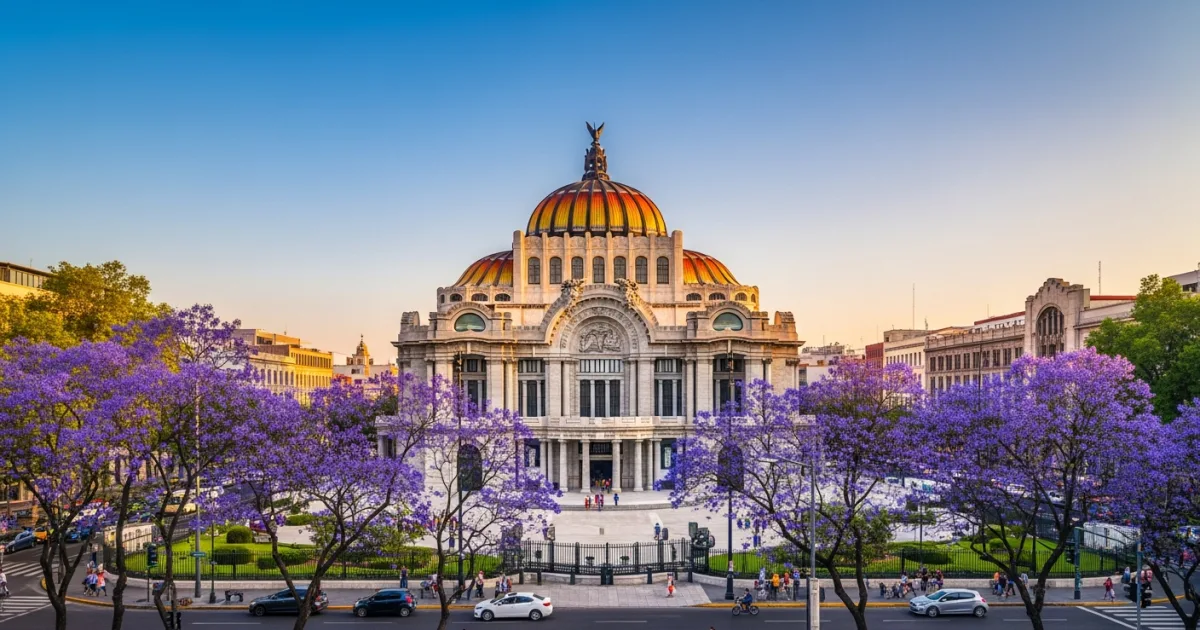
- World-Class Museums: Home to the National Museum of Anthropology, Frida Kahlo Museum, and Palacio de Bellas Artes.
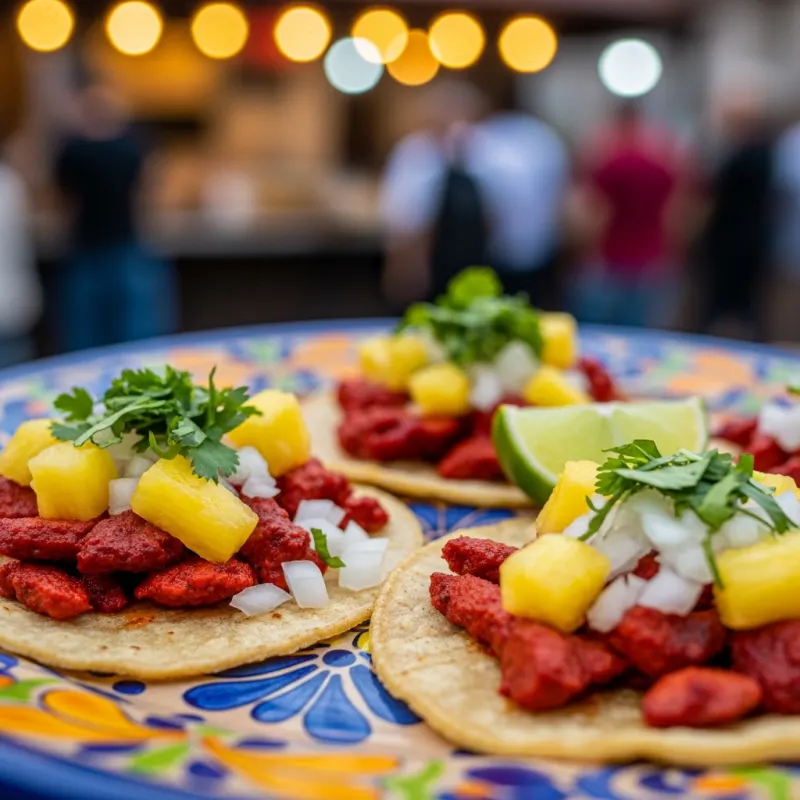
- Culinary Excellence: From 15-peso street tacos to Michelin-starred dining experiences like Pujol and Quintonil.
- Rich History: Explore the ancient Aztec ruins of Templo Mayor right in the heart of the modern city.
- Vibrant Neighborhoods: Wander through the tree-lined, culturally rich streets of Roma, Condesa, and Coyoacán.
- Affordability: Enjoy a high quality of travel, dining, and entertainment at a fraction of the cost of US or European capitals.
Things to Avoid
- Drinking Tap Water: Always stick to bottled or purified water to avoid stomach issues.
- Hailing Street Taxis: Avoid the green-and-white street cabs; use Uber, DiDi, or official 'sitio' taxis instead.
- Rush Hour Transit: The Metro becomes overwhelmingly crowded between 7-9 AM and 6-8 PM.
- Flashy Jewelry: Keep a low profile and avoid wearing expensive jewelry or flashing large amounts of cash.
- Uncooked Street Food: While street food is a must, ensure you eat at busy stalls where food is cooked fresh and hot in front of you.
Local Transportation Tips
Mexico City's public transportation network is vast and incredibly affordable. The Metro system is one of the largest in the world, with tickets costing just 5 MXN. The Metrobús, which runs in dedicated lanes, is another excellent option for bypassing the city's notorious traffic. For convenience and safety, especially after dark, ride-sharing applications like Uber and DiDi are highly recommended and generally inexpensive. Biking is also becoming increasingly popular, with the EcoBici bike-share program offering numerous stations across central neighborhoods.
Travel Etiquette
- Tipping: It is customary to tip 10-15% in restaurants. For street food, leaving small change is appreciated but not mandatory.
- Greetings: Mexicans are polite; always greet shopkeepers or service workers with a 'Buenos días' (Good morning) or 'Buenas tardes' (Good afternoon).
- Patience: The concept of time can be more relaxed here. Embrace the slower pace and practice patience.
- Church Etiquette: When visiting the Metropolitan Cathedral or other religious sites, dress modestly and remove hats.
Recommended Age Group
Mexico City is a dynamic destination that caters to a wide variety of travelers, though its massive scale and high altitude require some consideration.
- Babies (0-2 years): Neutral. The high altitude, air pollution, and crowded, uneven sidewalks can make navigating with a stroller challenging.
- Kids (3-12 years): Recommended. Children will love the interactive Papalote Museo del Niño, the expansive Chapultepec Park, and the colorful boats of Xochimilco.
- Teens (13-19 years): Recommended. The vibrant street art, bustling markets, Lucha Libre matches, and incredible food scene offer highly engaging experiences for teenagers.
- Adults (20-64 years): Recommended. Adults can fully appreciate the world-class gastronomy, rich historical sites, dynamic nightlife, and thriving digital nomad culture.
- Seniors (65+ years): Recommended. The city offers incredible cultural depth, accessible museums, and comfortable tour options, though the high altitude and occasional uneven terrain require a moderate pace.
Accessibility Level: Medium
- The Metrobús system is generally wheelchair accessible, featuring level boarding and designated spaces.
- The older Metro system has limited accessibility, with many stations lacking elevators.
- Major museums like the National Museum of Anthropology and Soumaya are fully wheelchair accessible with ramps and elevators.
- Sidewalks in historic areas (like the Zócalo or Coyoacán) can be uneven, narrow, or cobblestoned, posing challenges for mobility devices.
- Many modern hotels and upscale restaurants in Polanco and Reforma offer excellent accessible facilities.
Did You Know?
Mexico City is actually sinking. Because it was built on a drained lake bed by the Spanish (who conquered the Aztec island city of Tenochtitlan), the extraction of groundwater has caused parts of the city to sink by up to 50 centimeters (20 inches) per year. You can visibly see the tilt in many historic buildings in the Zócalo area.
Cool Statistics
- Mexico City has over 150 museums, making it one of the cities with the most museums in the world.
- The metropolitan area is home to over 22 million people, making it the largest Spanish-speaking city globally.
- Chapultepec Park is twice the size of New York's Central Park, spanning over 1,600 acres.
- The city sits at an elevation of 2,240 meters (7,350 feet) above sea level.






Buy a compatible power adapter for your trip