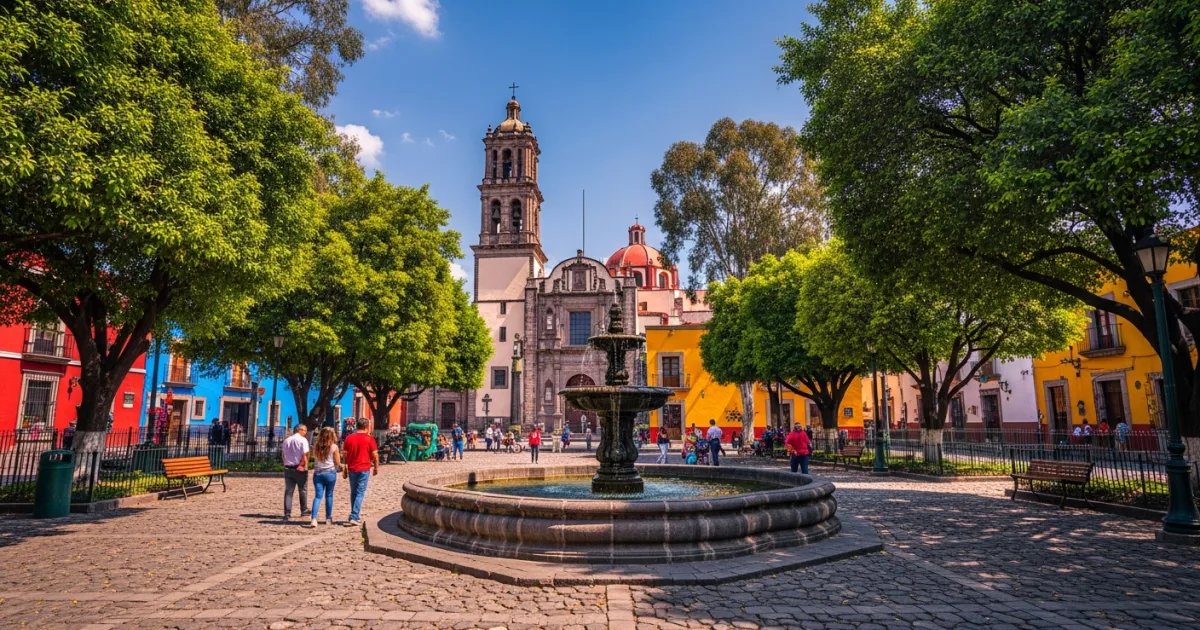
Stepping into Coyoacan feels like leaving the bustling metropolis of Mexico City and entering a charming, colonial-era village. The neighborhood's name translates to 'Place of Coyotes' in Nahuatl, and its rich history predates the Spanish conquest. After the fall of Tenochtitlan, Hernán Cortés established his first headquarters here, laying the groundwork for the stunning 16th-century architecture that still lines the streets today.
In the 20th century, Coyoacan transformed into a magnet for artists, writers, and political exiles. It was the lifelong home of iconic painter Frida Kahlo, whose Casa Azul is now the area's most famous museum, and it also served as the final refuge for Leon Trotsky. Today, the neighborhood retains its bohemian spirit. Weekends bring the central plazas to life with balloon vendors, organ grinders, indigenous dancers, and locals lining up for the famous churros at Café El Jarocho, making it a cultural epicenter that demands to be experienced slowly.
Reasons to Visit
- Museo Frida Kahlo (Casa Azul): Explore the birthplace, home, and creative sanctuary of Mexico's most famous artist.
- Vibrant Plazas: Soak in the lively atmosphere of Jardín Centenario and Plaza Hidalgo, perfect for people-watching.
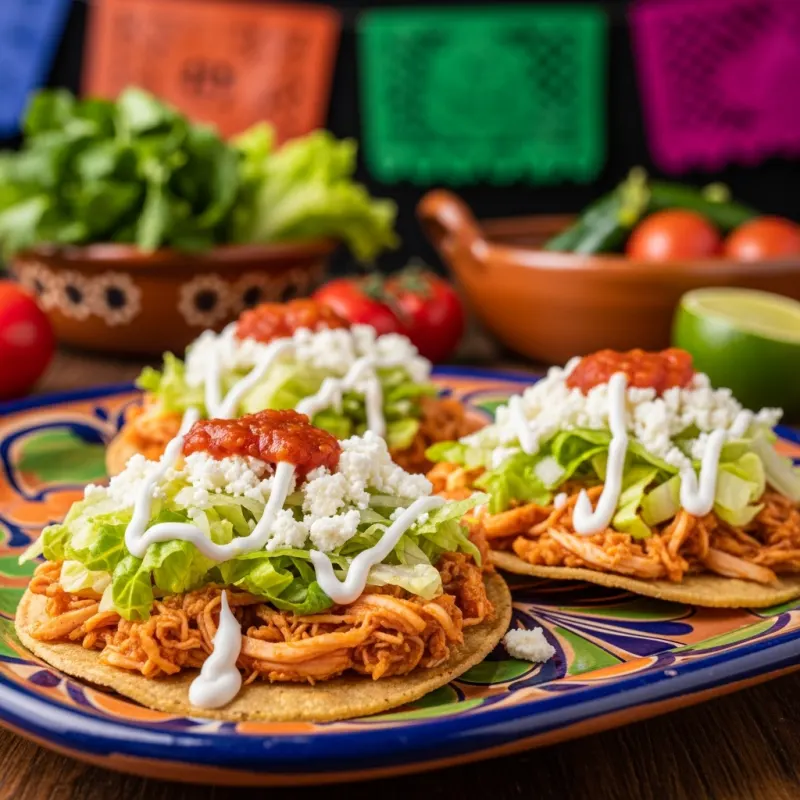
- Mercado de Coyoacán: Dive into local culture with colorful crafts, fresh produce, and incredible street food.
- Colonial Architecture: Wander cobblestone streets lined with brightly painted historic homes and ancient churches like Parroquia San Juan Bautista.
- Leon Trotsky Museum: Visit the preserved home where the Russian revolutionary lived and was ultimately assassinated.
Things to Avoid
- Avoid arriving at the Frida Kahlo Museum without a pre-booked ticket, as you will likely be turned away.
- Avoid driving to Coyoacan if possible; traffic can be heavy and parking is notoriously difficult to find.
- Avoid drinking tap water; always opt for bottled water to prevent stomach issues.
- Avoid rushing; Coyoacan is best experienced at a leisurely pace, taking time to sit in cafes and plazas.
Local Transportation Tips
Coyoacan is highly walkable, and exploring on foot is the best way to appreciate its hidden alleys and colonial charm. To reach the neighborhood from other parts of Mexico City, ride-sharing apps like Uber or DiDi are convenient and affordable. Alternatively, the city's Metro system is very cheap; take Line 3 (the olive green line) to either the Viveros/Derechos Humanos or Coyoacán stations. From there, it is a pleasant 15 to 20-minute walk or a quick taxi ride to the historic center of the neighborhood.
Travel Etiquette
- Always greet shopkeepers and market vendors with a polite 'Buenos días' or 'Buenas tardes' before browsing or asking questions.
- Tipping is customary in Mexico; leave 10% to 15% at sit-down restaurants and cafes.
- When photographing local artisans or indigenous performers in the plazas, it is polite to ask for permission first and offer a small tip.
- Keep noise levels respectful when visiting the historic churches and religious sites in the area.
Recommended Age Group
Coyoacan offers a welcoming and engaging environment for visitors of almost all ages, blending history, culture, and relaxed outdoor spaces.
- Babies (0-2 years): Neutral. While the parks are pleasant, the uneven cobblestone streets and narrow, crowded market aisles can make navigating with a stroller challenging.
- Kids (3-12 years): Recommended. Children will love the open plazas, street performers, colorful balloons, and sweet treats like churros and ice cream.
- Teens (13-19 years): Recommended. The vibrant street art, bohemian cafes, and the visually striking Frida Kahlo Museum provide highly engaging and photogenic experiences.
- Adults (20-64 years): Recommended. Adults can fully appreciate the deep historical context, excellent local cuisine, artisan shopping, and relaxed cafe culture.
- Seniors (65+ years): Recommended. The neighborhood is relatively flat, and the abundance of benches in the shaded plazas makes it easy to explore at a leisurely, comfortable pace.
Accessibility Level: Medium
- The main plazas (Jardín Centenario and Plaza Hidalgo) are flat and generally accessible, though some surrounding streets feature uneven cobblestones that can be bumpy for wheelchair users.
- Major attractions like the Museo Frida Kahlo have made efforts to be accessible, providing ramps for the ground floor exhibits, though some historic spaces remain tight.
- The Mercado de Coyoacán can be crowded and narrow, requiring patience to navigate during peak weekend hours.
- Accessible restrooms can be found in larger restaurants and modern cafes, but may be lacking in smaller, older establishments.
Did You Know?
Did you know that the iconic coyote fountain in the center of Jardín Centenario pays homage to the neighborhood's original Nahuatl name, Coyohuacán, which translates to 'Place of those who own coyotes'?
Cool Statistics
- The Museo Frida Kahlo (Casa Azul) is one of the most visited museums in Mexico City, welcoming over 500,000 visitors annually.
- Parroquia San Juan Bautista, the main church in Coyoacan, dates back to 1522, making it one of the oldest churches in Mexico.
- The neighborhood covers an area of approximately 54 square kilometers within the sprawling Mexico City limits.






Buy a compatible power adapter for your trip