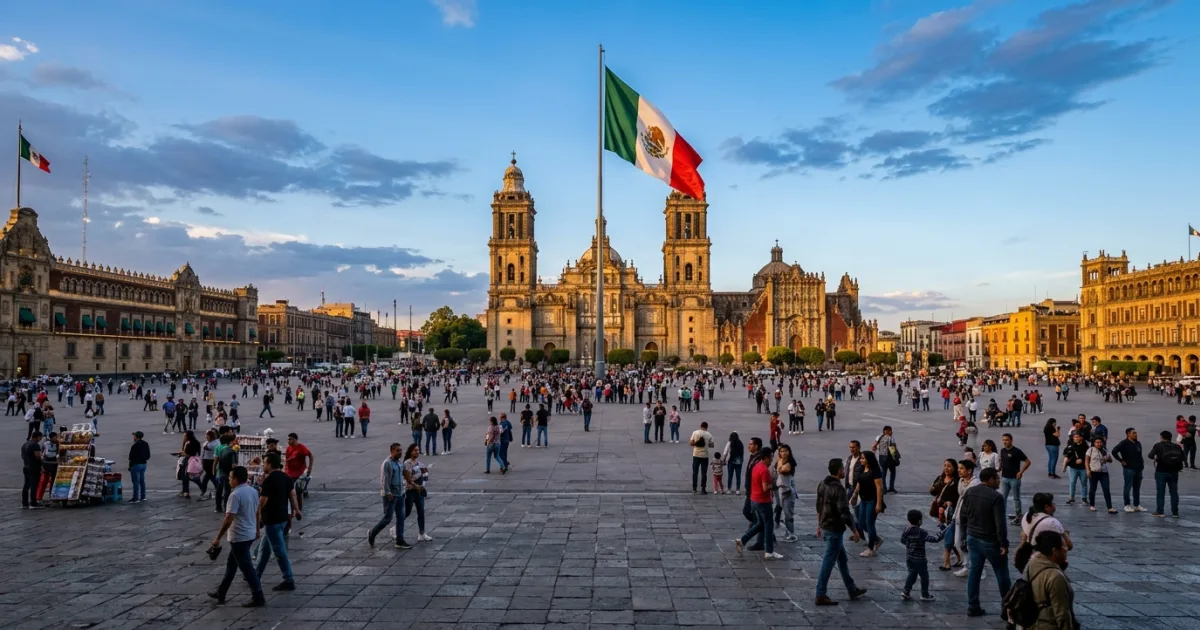
Centro Historico CDMX constitutes the historic and cultural epicenter of Mexico, recognized as a UNESCO World Heritage site since 1987. Constructed directly over Tenochtitlan, the former island metropolis of the Mexica Empire, the district embodies centuries of historical layers. The neighborhood is oriented around the massive Plaza de la Constitucion (the Zocalo), which spans over 46,000 square meters. Flanking this square are monumental structures such as the Catedral Metropolitana—the oldest cathedral in the Americas—and the National Palace, home to Diego Rivera's iconic historical murals.
Beyond its monumental public buildings, Centro Historico encompasses hundreds of colonial mansions constructed with reddish tezontle stone, vibrant commercial pedestrian corridors like Calle Francisco I. Madero, and deep archaeological discoveries like the Templo Mayor. Visitors discover an energetic juxtaposition where pre-Hispanic ruins, Spanish baroque architecture, and modern daily enterprise coexist seamlessly. Its central location also makes it the ideal anchor point for exploring the broader metropolitan region of Mexico City.
Reasons to Visit
- Witness monumental pre-Hispanic history firsthand at the excavated ruins and museum of Templo Mayor.
- Marvel at the intricate architecture of the Metropolitan Cathedral and the Palacio de Bellas Artes.
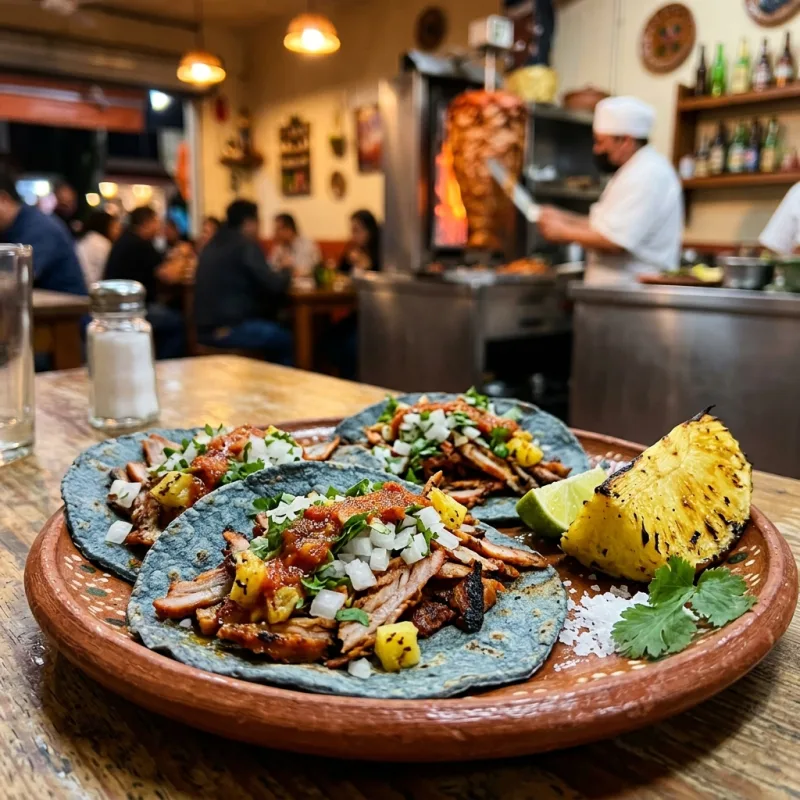
- Explore authentic Mexican street food culture, historic cantinas, and bustling traditional markets.
- Admire world-renowned public murals by Diego Rivera, Jose Clemente Orozco, and David Alfaro Siqueiros.
- Experience vibrant street performances, indigenous ceremonial dances, and open-air cultural celebrations in the Zocalo.
Things to Avoid
- Avoid wandering unescorted east of the National Palace or into outer market districts like Tepito after nightfall.
- Do not hail random green-and-gold street taxis; use designated taxi stands ('sitios') or app-based services.
- Avoid displaying high-end cameras, open cash, or smartphones unnecessarily in crowded pedestrian choke points.
- Do not consume raw unpeeled vegetables or untreated tap water from informal street vendors if you have a sensitive stomach.
- Avoid scheduling major museum visits on Mondays when most municipal and state cultural venues are closed.
Local Transportation Tips
Centro Historico is exceptionally pedestrian-friendly, with many primary avenues designated exclusively for foot traffic, including Calle Madero and Calle 16 de Septiembre. The Mexico City Metro provides direct access via stations such as Zocalo, Bellas Artes, and Allende for only 5 MXN per ride. Metrobus Line 4 circles the district, connecting to Benito Juarez International Airport. Licensed ride-hailing apps like Uber and Didi operate reliably across the center, offering safe transit during evening hours.
Travel Etiquette
- Greet shopkeepers and restaurant staff with a polite 'Buenos dias' or 'Buenas tardes' before requesting service.
- Ask for explicit permission before photographing local indigenous street performers or traditional market vendors.
- Leave a tip of 10% to 15% at seated restaurants, as service charges are rarely automatically included.
- Dress respectfully when entering active places of worship such as the Catedral Metropolitana or Church of San Francisco.
Recommended Age Group
Centro Historico CDMX welcomes a diverse range of visitors, offering profound cultural discoveries that cater particularly well to mature travelers and history lovers.
- Babies (0-2 years): Neutral. Crowded sidewalks and historic cobblestone pavements make navigating with standard strollers challenging, though baby-wearing carriers work well.
- Kids (3-12 years): Neutral. Children may find extensive historical walking tours tiring, but interactive sites like the Postal Palace and Templo Mayor can inspire curious minds.
- Teens (13-19 years): Recommended. Vibrant street life, bustling shops, striking street art, and legendary food spots offer strong appeal to adolescent travelers.
- Adults (20-64 years): Recommended. Ideal demographic for walking tours, extensive art museums, heritage dining, architecture appreciation, and vibrant cantinas.
- Seniors (65+ years): Recommended. Abundant cultural richness and flat terrain make it rewarding, provided travelers wear cushioned footwear and take breaks to accommodate high altitude.
Accessibility Level: Medium
- Primary pedestrian streets like Calle Madero offer flat, step-free access, though surrounding side streets may present uneven flagstones.
- Major national museums, including the Palacio de Bellas Artes and Templo Mayor Museum, are equipped with ramps, elevators, and accessible restrooms.
- Historic Metro stations in the center often lack functioning elevators; ground-level Metrobus lines or accessible taxis are more practical for wheelchair users.
Did You Know?
Mexico City's historic center is slowly sinking at rates up to several inches per year because it was constructed on soft, saturated clay sediments of the ancient dried lakebed of Lake Texcoco. The visible lean in several historic buildings, including the Basilica of Nuestra Señora de la Merced and parts of the Metropolitan Cathedral, is direct evidence of this ongoing geotechnical phenomenon.
Cool Statistics
- Contains over 1,500 listed historical buildings and national monuments within its boundaries.
- The central Zocalo square measures roughly 240 by 240 meters, making it one of the largest public plazas in the world.
- Founded upon the sacred precinct of Tenochtitlan, established by the Mexica people around the year 1325.
- Home to over 40 distinct museums and public galleries within a single square mile.






Buy a compatible power adapter for your trip