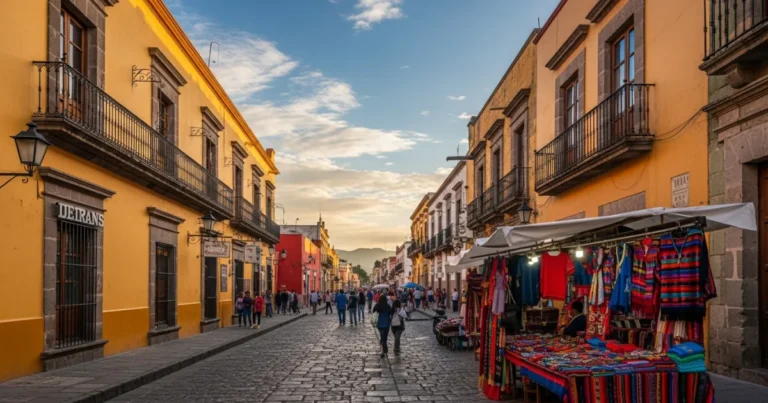
Oaxaca State, nestled in the Sierra Madre del Sur mountains, is a land of profound cultural depth and natural beauty. Its capital, Oaxaca City, a UNESCO World Heritage site, is a colonial gem with a vibrant zócalo (main square), stunning Baroque churches, and a thriving arts scene. Beyond the city, the state unfolds into diverse landscapes, from the ancient Zapotec city of Monte Albán perched atop a mountain, offering panoramic views, to the petrified waterfalls of Hierve el Agua, and the numerous artisan villages specializing in pottery, textiles, and alebrijes. The state is also the heartland of mezcal production, with countless palenques (distilleries) offering tastings and tours. This region offers an unparalleled opportunity to connect with Mexico's indigenous heritage, savor its world-renowned cuisine, and witness traditional crafts passed down through generations.
Reasons to Visit
- Immerse yourself in a rich indigenous culture with vibrant traditions and languages.
- Explore ancient archaeological sites like Monte Albán and Mitla.
- Savor world-class Oaxacan cuisine, recognized as a UNESCO Intangible Cultural Heritage.
- Discover the art of mezcal production through tastings and distillery tours.
- Shop for unique, handcrafted textiles, pottery, and folk art directly from artisans.
- Experience colorful festivals and celebrations, especially Day of the Dead and Guelaguetza.
- Enjoy the charming colonial architecture and lively atmosphere of Oaxaca City.
- Witness the natural wonder of Hierve el Agua's petrified waterfalls.
Things to Avoid
- Drinking tap water; always opt for bottled or purified water.
- Disrespecting indigenous customs or traditions; always ask for permission before photographing people.
- Walking alone in unfamiliar or poorly lit areas at night.
- Displaying expensive jewelry or large amounts of cash openly.
- Purchasing mezcal from unregulated vendors; stick to reputable palenques or stores.
- Ignoring local advice regarding safety or specific areas.
- Over-scheduling your trip; allow time for spontaneous exploration and relaxation.
Local Transportation Tips
Within Oaxaca City, the most enjoyable way to get around is on foot, as many attractions are concentrated in the historic center. For longer distances within the city or to nearby neighborhoods, readily available taxis (agree on a price beforehand or ensure the meter is used) and ride-sharing apps like DiDi or Uber (though Uber's availability can be inconsistent) are good options. For excursions to surrounding towns and archaeological sites, colectivos (shared taxis or vans) are a popular and economical choice, departing from designated points in the city. Local buses also serve various routes. For a more comfortable and flexible experience, hiring a private driver for a day trip is also an option.
Travel Etiquette
- Always greet people with a polite "Hola" or "Buenos días/tardes/noches."
- When entering a small shop or restaurant, it's customary to say "Buenos días/tardes."
- Ask for permission before taking photos of people, especially indigenous individuals.
- Bargaining is common in markets but do so respectfully and with a smile.
- Tipping is customary in restaurants (10-15%), for tour guides, and for services.
- Dress modestly when visiting churches or sacred sites.
- Be patient and understanding; things may operate on "Mexican time."
- Support local artisans and businesses.
Recommended Age Group
Oaxaca offers a rich tapestry of experiences suitable for nearly all age groups, blending cultural immersion with opportunities for relaxation and adventure. Its diverse offerings ensure that every traveler, from the youngest to the oldest, can find something to enjoy and learn from.
- Babies (0-2 years): Neutral. While the vibrant colors and sounds can be stimulating, navigating cobblestone streets with strollers can be challenging. Many restaurants are family-friendly, but amenities like changing stations might be limited outside major hotels.
- Kids (3-12 years): Recommended. Kids will be fascinated by the colorful markets, ancient ruins (like climbing pyramids at Monte Albán), and the process of making chocolate or pottery. Many hotels have pools, and the relaxed pace of life is generally child-friendly.
- Teens (13-19 years): Recommended. Teens can engage with the rich history, explore street art, enjoy delicious food, learn about mezcal (without tasting, of course), and find unique souvenirs. The vibrant atmosphere and opportunities for photography are also appealing.
- Adults (20-64 years): Recommended. Oaxaca is an ideal destination for adults, offering deep cultural dives, culinary tours, mezcal tastings, art galleries, hiking, and a lively nightlife. It caters to both adventurous and relaxed travel styles.
- Seniors (65+ years): Recommended. With its gentle pace, beautiful scenery, and rich cultural offerings, Oaxaca is very appealing to seniors. While some archaeological sites involve walking and stairs, many attractions are easily accessible. Comfortable accommodations and guided tours can enhance the experience.
Accessibility Level: Medium
- Oaxaca City's historic center features many cobblestone streets and uneven sidewalks, which can pose challenges for wheelchair users or those with mobility issues.
- Many colonial buildings, including hotels and restaurants, may have steps and lack ramps or elevators.
- Public transportation like colectivos and local buses are generally not wheelchair accessible. Taxis might be an option, but space for mobility aids can be limited.
- Major archaeological sites like Monte Albán have some paved paths, but also uneven terrain and numerous stairs, making full accessibility difficult.
- It is advisable to contact accommodations and tour operators in advance to inquire about specific accessibility features.
Did You Know?
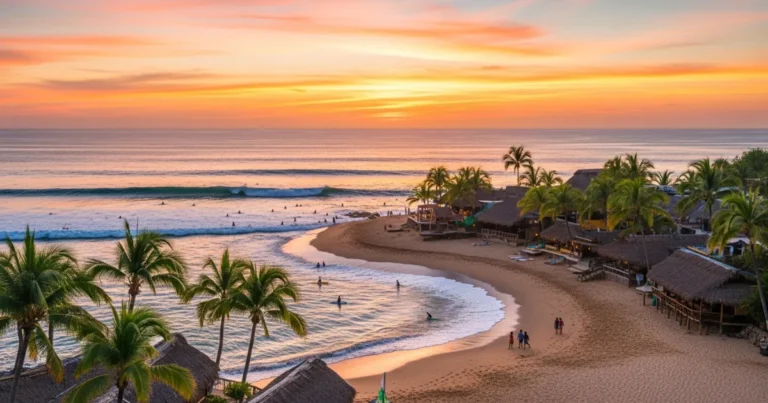
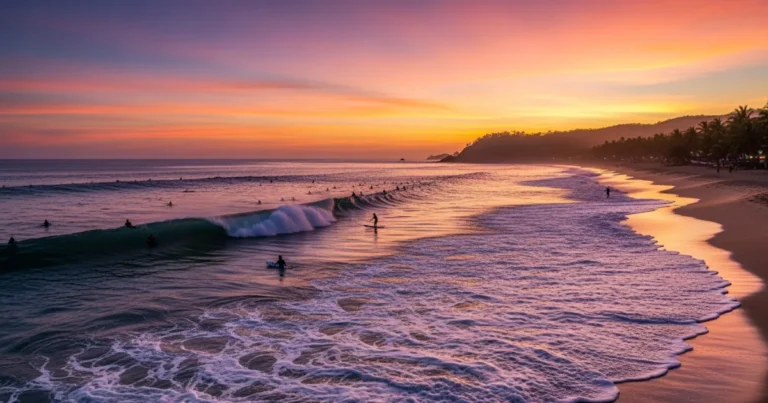
Oaxaca is one of Mexico's most biodiverse states, home to a vast array of ecosystems ranging from arid valleys to cloud forests and Pacific coastlines. It is also recognized by UNESCO for both its historic center and the archaeological site of Monte Albán, as well as its traditional cuisine. The state is often called "The Land of the Seven Moles" due to its diverse and complex mole sauces, each with unique ingredients and flavors.
Cool Statistics
- Oaxaca is home to 16 recognized indigenous groups, each with its own language and customs.
- Monte Albán, the ancient Zapotec capital, was inhabited for over 1,500 years.
- The Tule Tree (El Árbol del Tule) in Santa María del Tule is believed to be the tree with the widest trunk in the world, over 1,400 years old.
- Oaxaca produces over 70% of Mexico's mezcal.
- The state boasts over 500 species of birds, making it a birdwatcher's paradise.







Buy a compatible power adapter for your trip