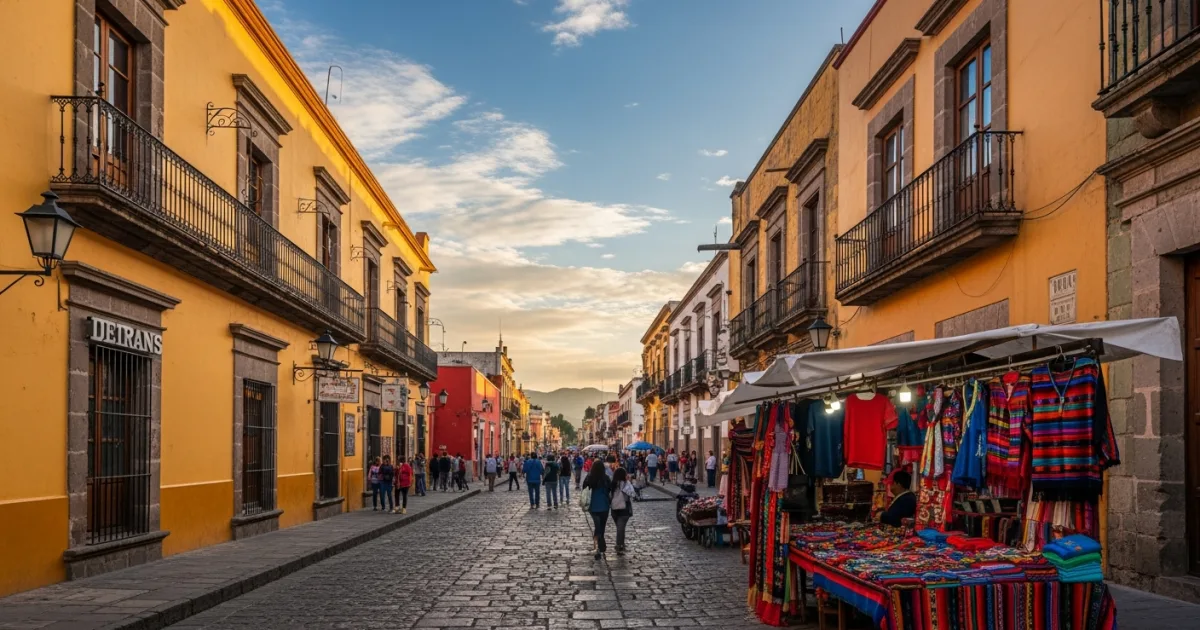
Oaxaca City, the capital of the state of Oaxaca, is a jewel of Mexican culture, recognized by UNESCO for its historic center and the nearby archaeological site of Monte Albán. This city is a living museum, where Zapotec and Mixtec traditions blend seamlessly with Spanish colonial influences. Visitors are drawn to its vibrant arts scene, from intricate textiles and pottery to contemporary galleries. The culinary landscape is equally compelling, offering a journey through ancient recipes and innovative flavors, all centered around fresh, local ingredients. Beyond the city limits, a wealth of natural beauty and artisan villages await, making Oaxaca a destination that truly offers something for every traveler seeking authenticity and enrichment.
Reasons to Visit
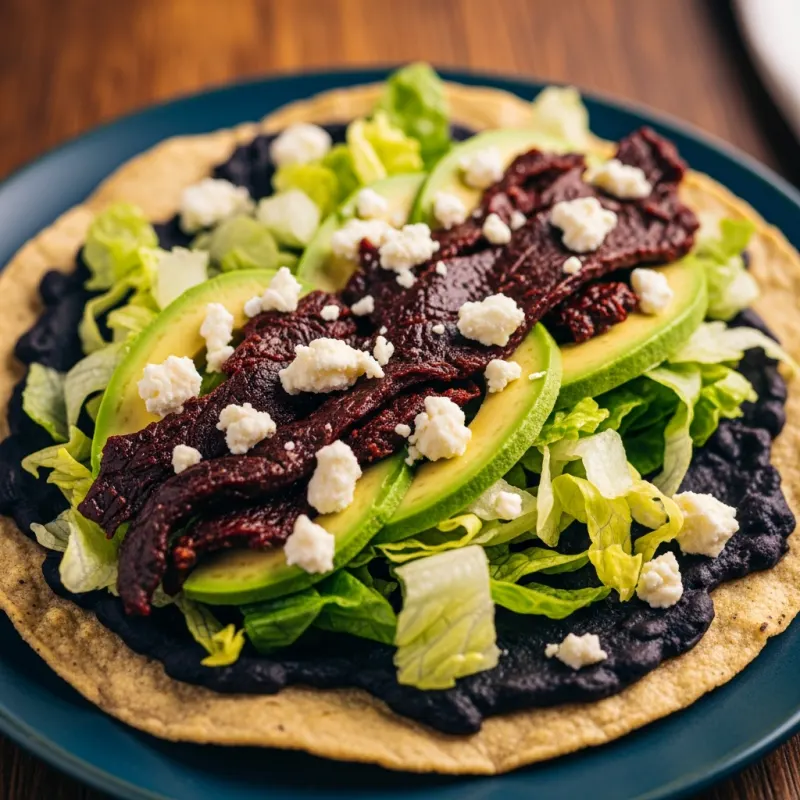
- Gastronomic Capital: Indulge in world-class cuisine, including the famous seven moles, tlayudas, and artisanal mezcal.
- Rich Indigenous Culture: Experience vibrant Zapotec and Mixtec traditions, visible in daily life, markets, and festivals.
- Historical Significance: Explore the UNESCO-listed historic center and the awe-inspiring Monte Albán archaeological site.
- Vibrant Arts & Crafts: Discover unique textiles, pottery, wood carvings (alebrijes), and jewelry made by local artisans.
- Colorful Festivals: Witness lively celebrations like Día de Muertos, Guelaguetza, and Noche de Rábanos.
- Walkable City: Enjoy exploring charming cobblestone streets, colonial architecture, and bustling plazas on foot.
Things to Avoid
- Drinking Tap Water: Always opt for bottled or purified water to avoid stomach issues.
- Disrespecting Local Customs: Be mindful of local traditions, especially when visiting indigenous communities or religious sites.
- Over-scheduling: Oaxaca is best enjoyed at a relaxed pace; allow time for spontaneous discoveries.
- Ignoring Sun Protection: The sun can be intense; always use sunscreen, wear a hat, and stay hydrated.
- Being Overly Flashy: Avoid displaying expensive jewelry or electronics to minimize the risk of petty theft.
- Not Carrying Cash: Many smaller vendors and local establishments only accept cash.
Local Transportation Tips
Getting around Oaxaca City is relatively easy and enjoyable. The historic center is highly walkable, allowing visitors to explore most attractions on foot. For longer distances within the city or to nearby neighborhoods, taxis are abundant and affordable; always confirm the fare before starting your journey. For excursions to surrounding towns and archaeological sites like Monte Albán or Hierve el Agua, 'colectivos' (shared taxis or vans) and local buses offer economical options, departing from designated terminals or central points. Rental cars are available but often unnecessary due to the efficiency of public transport and the city's pedestrian-friendly nature.
Travel Etiquette
- Greetings: Always greet people with a polite 'Hola' or 'Buenos días/tardes/noches'.
- Tipping: Tipping is customary in restaurants (10-15%), for tour guides, and for hotel staff.
- Photography: Always ask for permission before taking photos of people, especially in indigenous communities or markets.
- Bargaining: It's acceptable to haggle respectfully in markets for crafts, but not in formal shops or restaurants.
- Dress Code: Dress modestly when visiting churches or sacred sites.
- Punctuality: While Mexicans are generally relaxed about time, try to be punctual for appointments or tours.
Recommended Age Group
Oaxaca City is a remarkably versatile destination, offering enriching experiences for travelers of all ages, from the youngest explorers to seasoned seniors.
- Babies (0-2 years): Recommended. Oaxaca is generally baby-friendly, with many walkable areas and a relaxed pace. Ensure proper hydration and sun protection. Stroller access can be challenging on cobblestones, so a carrier is often preferred.
- Kids (3-12 years): Recommended. Kids will enjoy the vibrant colors, lively markets, delicious food (especially tlayudas and fresh fruit), and the open spaces of the Zócalo. Monte Albán offers an exciting historical adventure.
- Teens (13-19 years): Recommended. Teens will appreciate the rich history, street art, cooking classes, and the opportunity to learn about indigenous cultures. The bustling atmosphere and unique food scene provide plenty of engagement.
- Adults (20-64 years): Recommended. Oaxaca is an ideal destination for adults, offering a perfect blend of culture, history, gastronomy, and nightlife. Mezcal tastings, artisan workshops, and exploring ancient ruins are major draws.
- Seniors (65+ years): Recommended. With its walkable historic center and numerous cultural attractions, Oaxaca is very accessible for seniors. Many hotels offer comfortable amenities, and the slower pace allows for thorough exploration. Be mindful of cobblestones and elevation.
Accessibility Level: Medium
- Historic Center: Many streets in the historic center are cobblestone, which can be challenging for wheelchairs or those with mobility issues.
- Ramps & Lifts: Newer hotels and some major attractions may have ramps or elevators, but older buildings often do not.
- Public Transport: Public buses are generally not wheelchair accessible. Taxis may be an option, but space for mobility aids can be limited.
- Monte Albán: The archaeological site has uneven terrain and stairs, making full access difficult for those with limited mobility.
- Restaurants & Shops: Many establishments have steps at entrances. It's advisable to call ahead to inquire about accessibility.
- Assistance: Locals are generally helpful and willing to assist, but language barriers might exist.
Did You Know?
Oaxaca City is home to the world's largest tree by trunk circumference, El Árbol del Tule, located just outside the city. This ancient Montezuma cypress is estimated to be over 2,000 years old. Additionally, Oaxaca is the birthplace of Mezcal, a distilled alcoholic beverage made from the agave plant, with a rich history and cultural significance that predates the Spanish conquest.
Cool Statistics
- UNESCO World Heritage Site: Since 1987, for its historic center and the archaeological site of Monte Albán.
- Number of Moles: Oaxaca is famous for its 'seven moles,' complex sauces with dozens of ingredients.
- Agave Varieties: Over 120 varieties of agave exist in Mexico, many of which are used to produce Mezcal in Oaxaca.
- Indigenous Languages: Over 16 indigenous languages are spoken in Oaxaca state, including Zapotec and Mixtec.
- Altitude: Oaxaca City sits at an elevation of approximately 1,555 meters (5,102 feet) above sea level.
- Annual Festivals: Hosts major cultural events like Guelaguetza (July) and Día de Muertos (October/November), attracting thousands.






Buy a compatible power adapter for your trip