Quintana Roo is a state that encapsulates the very best of the Mexican Caribbean. Established as a state only in 1974, its rapid development has transformed it into one of the world's premier tourist destinations. The region is geographically defined by its flat limestone terrain, dense tropical jungles, and a coastline that features some of the most stunning beaches on the planet. The state is divided into several distinct zones: the bustling, high-rise resort city of Cancun in the north; the Riviera Maya, stretching down through Playa del Carmen to the bohemian-chic town of Tulum; and the Costa Maya further south, leading to the tranquil, multi-colored waters of Lake Bacalar and the capital city of Chetumal.
Historically, this land was a vital part of the ancient Mayan civilization, and their legacy is still profoundly visible today. Spectacular archaeological sites like Tulum, Coba, and Muyil offer a window into a sophisticated past, set against breathtaking natural backdrops. Beneath the surface, the state is honeycombed with the world's longest underground river systems, creating thousands of cenotes that provide unique swimming and cave-diving experiences. Whether you are seeking the vibrant nightlife of Cancun, the holistic wellness retreats of Tulum, or the untouched ecological wonders of the Sian Ka'an Biosphere Reserve, Quintana Roo offers a deeply enriching and diverse travel experience.
Reasons to Visit
- Pristine Beaches: Miles of powdery white sand meeting the warm, turquoise waters of the Caribbean Sea.
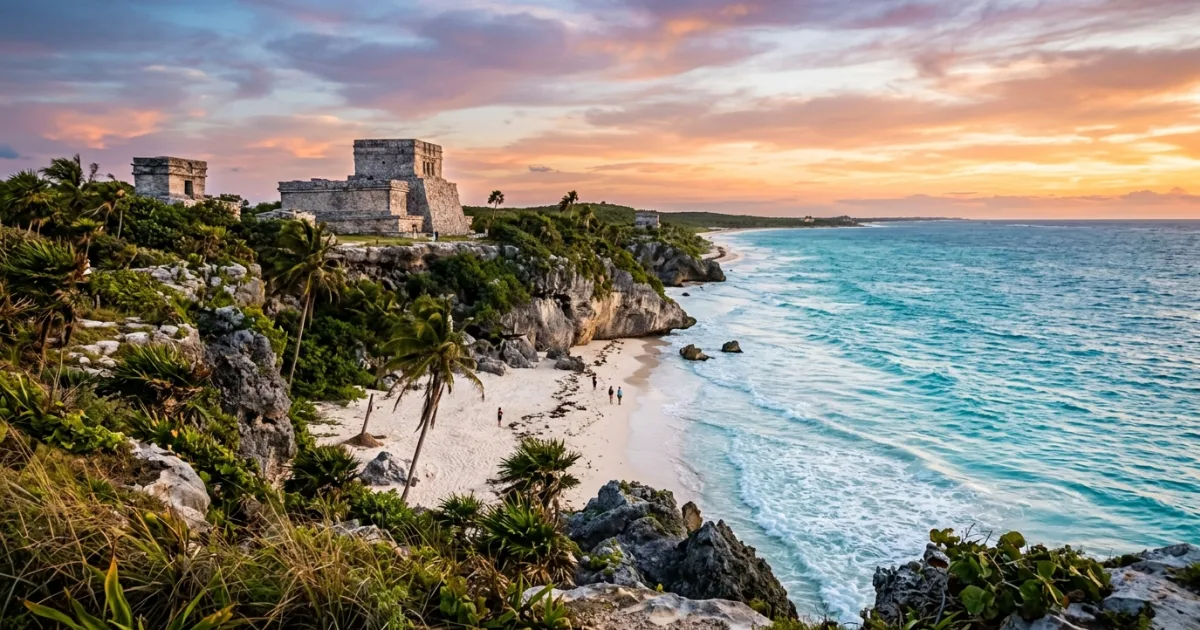
- Ancient Mayan Ruins: Explore spectacular archaeological sites like the cliffside ruins of Tulum and the towering pyramids of Coba.
- Cenotes: Swim, snorkel, or dive in thousands of natural freshwater sinkholes unique to the Yucatan Peninsula.
- Mesoamerican Barrier Reef: Experience world-class snorkeling and scuba diving in the second-largest coral reef system in the world.
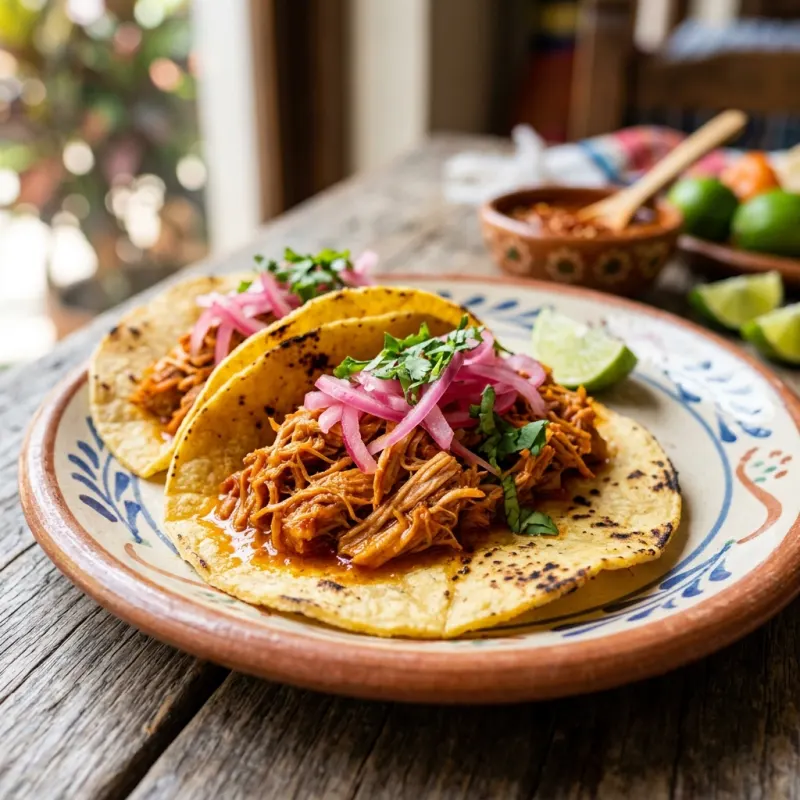
- Culinary Delights: Savor a mix of traditional Yucatecan cuisine, fresh seafood, and world-class international dining.
Things to Avoid
- Drinking Tap Water: Always stick to bottled or purified water to avoid stomach illnesses.
- Unmetered Taxis: Always agree on the fare before getting into a taxi, as they rarely use meters.
- Ignoring Beach Flags: Pay attention to the colored warning flags on the beach; strong undertows can be dangerous.
- Non-Biodegradable Sunscreen: Avoid regular sunscreens when swimming in cenotes or reefs, as the chemicals severely damage the ecosystem.
- Buying Illegal Drugs: Drug purchases fuel local cartel violence and can result in severe legal consequences.
Local Transportation Tips
Getting around Quintana Roo is relatively easy thanks to a well-maintained main highway (Highway 307) that runs the length of the coast. The ADO bus system is highly recommended for intercity travel; the buses are modern, air-conditioned, affordable, and punctual. For shorter distances between towns along the Riviera Maya, 'colectivos' (shared white vans) are a cheap and authentic way to travel, though they can be crowded. Taxis are plentiful but can be expensive in tourist zones, so always negotiate the fare upfront. Renting a car is a fantastic option for those wanting to explore off-the-beaten-path cenotes and ruins at their own pace. Additionally, the newly inaugurated Tren Maya (Maya Train) project is beginning to connect major destinations across the peninsula, offering a new scenic rail option.
Travel Etiquette
- Tipping: Tipping is customary and expected. Leave 10-15% at restaurants, and tip bellboys, housekeeping, and tour guides.
- Dress Code: Beachwear is strictly for the beach or pool. Cover up when walking through towns, entering shops, or dining in restaurants.
- Respecting Ruins: Do not climb on Mayan ruins unless explicitly permitted, and do not remove any stones or artifacts.
- Haggling: Haggling is acceptable at local artisan markets, but do so respectfully and with a smile. It is not acceptable in established stores or restaurants.
- Environmental Care: Always shower before entering a cenote to remove lotions and bug spray, protecting the delicate water balance.
Recommended Age Group
Quintana Roo is a highly versatile destination that caters beautifully to travelers of all ages, offering tailored experiences from relaxing resorts to adventurous jungle treks.
- Babies (0-2 years): Recommended. The abundance of family-friendly all-inclusive resorts makes traveling with infants easy, though the heat requires careful sun protection.
- Kids (3-12 years): Recommended. Children will love the calm beach waters, eco-parks like Xcaret, and the novelty of swimming in shallow cenotes.
- Teens (13-19 years): Recommended. Teens can enjoy thrilling activities like zip-lining, snorkeling with sea turtles, and exploring ancient ruins.
- Adults (20-64 years): Recommended. Adults have endless options, from world-class scuba diving and vibrant nightlife to luxury spas and fine dining.
- Seniors (65+ years): Recommended. Many resorts offer excellent accessibility, and the region provides plenty of low-impact cultural tours and relaxing beach experiences.
Accessibility Level: Medium
- Major all-inclusive resorts in Cancun and the Riviera Maya generally offer excellent wheelchair accessibility, including ramps, elevators, and accessible rooms.
- The ADO bus network accommodates passengers with mobility issues, though local colectivos do not.
- Many of the ancient Mayan ruins, such as Tulum and Coba, have uneven terrain, gravel paths, and lack extensive ramp systems, making them challenging for wheelchair users.
- Accessing cenotes often involves descending steep, slippery wooden or stone stairs, which are not suitable for those with severe mobility impairments.
- Some eco-parks, like Xcaret, have made significant efforts to provide paved pathways and accessible facilities for disabled visitors.
Did You Know?
Quintana Roo is named after Andrés Quintana Roo, a Mexican patriot, lawyer, and author who played a crucial role in the Mexican War of Independence. Interestingly, despite its massive global popularity today, the city of Cancun was essentially a deserted sand spit with only three residents when the Mexican government selected it for tourism development in 1970.
Cool Statistics
- Quintana Roo is home to over 6,000 cenotes, though only a fraction are open to the public.
- The Mesoamerican Barrier Reef stretches over 1,000 kilometers, touching the coasts of four countries.
- The Sian Ka'an Biosphere Reserve covers over 1.3 million acres and is a UNESCO World Heritage site.
- Cancun International Airport is the second busiest airport in Mexico, handling over 30 million passengers annually.






Buy a compatible power adapter for your trip