Disclosure: This site contains affiliate links. We may earn a commission if you make a purchase, at no extra cost to you.

>
>
>
>
Far North (Arctic)

Far North (Arctic)

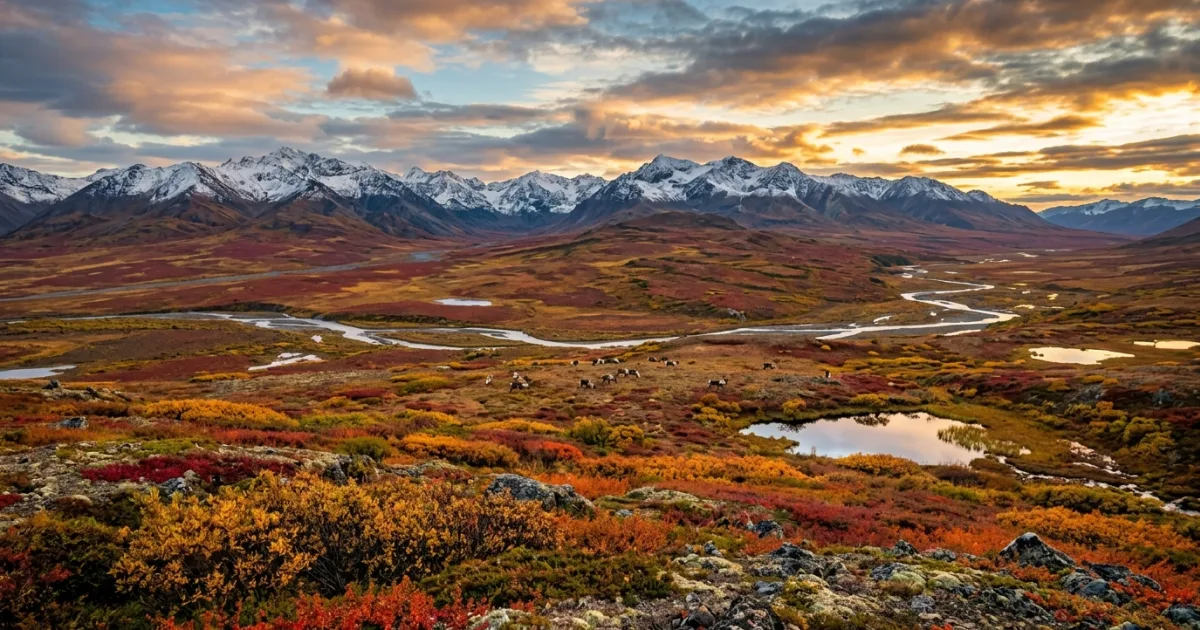
Expansive Arctic tundra landscape with caribou and distant Brooks Range mountains in Alaska

Far North (Arctic) Overview & Key Highlights

The Far North of Alaska represents one of the final truly untamed wilderness regions on the planet, stretching across the Arctic Circle to the Beaufort and Chukchi Seas. Home to ancient Iñupiat communities who have thrived along the coast and inland rivers for thousands of years, the region offers visitors an unparalleled opportunity to learn about Arctic subsistence traditions, whaling culture, and vibrant Indigenous heritage in hubs such as Utqiaġvik, Kotzebue, and Nome. Reaching this polar frontier requires thoughtful logistical preparation, as no contiguous road network connects most Arctic villages, leaving small bush planes and the rugged Dalton Highway as primary access corridors. Explorers who make the journey are rewarded with profound silence, expansive tundra that explodes into vivid autumn crimson, massive herds of migrating Western Arctic caribou, and pristine dark skies illuminating brilliant ribbons of green and violet northern lights.

Far North (Arctic) Travel Guide: Logistics & In-Depth Tips

Alaska's Far North is a staggering wilderness region defined by vast treeless tundra, jagged peaks of the Brooks Range, and the Arctic Ocean coastline. Stretching north of the Arctic Circle, this expansive sub-country region contains remote national parks including Gates of the Arctic and Kobuk Valley, home to massive shifting sand dunes tucked inside boreal landscapes. Human history here spans thousands of years of resilience, evidenced by vibrant Iñupiat communities maintaining ancestral ties to the sea ice and tundra.

Traveling in the Far North demands respect for natural elements and logistical forethought. Infrastructure is sparse, towns are separated by hundreds of air miles, and weather can change dramatically in minutes. For the dedicated explorer, however, this remote frontier offers profound solitude, rich Indigenous cultural exchanges, and encounters with iconic Arctic wildlife that few destinations on Earth can match.

Reasons to Visit

  • Witness the celestial wonder of the Northern Lights dancing across dark, unpolluted polar skies.
  • Experience 24 hours of continuous daylight under the natural phenomenon of the Midnight Sun.
  • Learn directly about Iñupiat heritage, whaling traditions, and Arctic survival at world-class cultural centers.
  • Embark on the legendary Dalton Highway road trip across the Continental Divide at Atigun Pass.
  • Observe Arctic fauna in their natural habitats, including muskoxen, caribou herds, and coastal polar bears.

Things to Avoid

  • Avoid venturing into the wilderness without a satellite communication device and backup survival gear.
  • Do not approach or photograph Indigenous ceremonies, whaling activities, or residents without clear permission.
  • Avoid driving the Dalton Highway in standard passenger rental cars; specialized gravel-road vehicles with full-size spares are mandatory.
  • Do not underestimate Arctic windchill, even during late spring or early autumn transitional days.

Local Transportation Tips

Commercial aviation forms the primary transportation backbone of the Far North. Alaska Airlines operates regular scheduled jet services connecting Anchorage and Fairbanks to larger Arctic hubs like Utqiaġvik, Kotzebue, and Nome. Beyond these regional hubs, small propeller-driven bush aircraft operated by carriers like Wright Air Service provide essential transit to isolated native villages. For overland travelers, the unpaved Dalton Highway offers vehicle access from Fairbanks to Deadhorse, requiring high-clearance 4WD vehicles equipped with dual spare tires and CB radios to navigate alongside heavy industrial trucking traffic.

Travel Etiquette

  • Always ask for permission before taking photographs of local residents, especially Elders and children.
  • Show deep respect for subsistence hunting and fishing traditions, which form the dietary and cultural core of Arctic life.
  • Tread lightly on delicate tundra vegetation; avoid cutting new paths across fragile permafrost ground.
  • Observe a quiet, calm demeanor in remote settlements where community ties are tight-knit and privacy is valued.

Recommended Age Group

Navigating the extreme climate, vast distances, and rustic infrastructure of the Far North makes it best suited for older travelers and self-sufficient adults.

  • Babies (0-2 years): Not Recommended. Extreme weather, lack of immediate pediatric emergency care, and long remote flights present severe risks.
  • Kids (3-12 years): Not Recommended. Harsh environmental conditions, limited family entertainment, and rugged travel logistics are challenging for young children.
  • Teens (13-19 years): Recommended. Adventurous teenagers interested in geology, Indigenous cultures, wildlife, and outdoor survival will find the Arctic transformative.
  • Adults (20-64 years): Recommended. Ideal for independent explorers, trekkers, photographers, and adventure travelers capable of remote logistics.
  • Seniors (65+ years): Recommended. Well-suited for mature travelers booking structured, guided cultural tours and flight excursions with professional support.

Accessibility Level: Medium

  • Paved sidewalks and barrier-free access are rare outside of major cultural centers and primary airport terminals in Utqiaġvik and Nome.
  • Tundra landscapes consist of sponge-like muskeg and uneven tussocks that present significant obstacles for manual and powered wheelchairs.
  • Small bush aircraft often require passengers to climb small metal stairs or ladders without mechanical lifts.
  • Specialized guided expeditions with adapted private 4WD vehicles or customized flight charters can accommodate limited-mobility travelers with advance planning.

Did You Know?

Utqiaġvik (formerly Barrow), located at the northern tip of Alaska's Far North, is the northernmost public municipality in the United States, experiencing 65 consecutive days of total polar night every winter.

Cool Statistics

  • Over 75,000 square miles of pristine Arctic wilderness with virtually zero paved roads.
  • Home to Gates of the Arctic National Park, which contains zero designated trails or visitor facilities.
  • Temperature fluctuations can range from 80°F (27°C) in brief summer spikes to -60°F (-51°C) during deep winter.


Address:

Far North (Arctic), Alaska, United States

Find Nearby Accommodations

Basic Info

address icon

COUNTRY & Region

United States,
North America

ACCESSIBILITY LEVEL​

Medium
Currency icon

LOCAL CURRENCY​

US Dollar (USD)
Price level icon
High
Safety Level icon

SAFETY LEVEL

Duration icon

Recommended Duration

• 1-7 days
• More than a week

Electricity

electricity icon

Electricity

110-120V, 
60Hz
Plug Socket icon

Plug Type

• Type A (Flat blade)
• Type B (Flat blade with grounding pin)
Plug types
Click To View Plug Types
Far North (Arctic) is part of our
Coolcation collection

Activities To Do In Far North (Arctic)

Best Time To Visit Far North (Arctic)

Travel to the Far North is defined by dramatic seasonal extremes, from continuous daylight to sub-zero polar night.

  • June to August: Best for tundra hiking, birdwatching, midnight sun, and road trips along the Dalton Highway, though mosquitoes are abundant in mid-summer.
  • September to October: Excellent for vibrant autumn tundra colors, fewer insects, and early northern lights displays before severe blizzards set in.
  • February to April: Prime window for dog mushing, snowmobiling, ice fishing, and dark-sky aurora borealis viewing during crisp, dry winter days.

Average Temperatures Per Month

Remember to check the weather forecast a few days before the trip and before heading to the airport.

Safety Level icon

Safety Level

The Arctic environment itself is the primary safety hazard; severe hypothermia, frostbite, and sudden whiteout blizzards can occur even in transitional months. Always carry emergency bivouac gear, satellite tracking, and backup food when traveling outside settlements. In coastal and river corridors, maintain vigilant situational awareness regarding polar bears and brown bears; hire licensed local guides who carry proper wildlife deterrents.

The rating is based on multi-year peace, crime, and security indices. Before you go, always verify current conditions through official government travel advisories.

Emergency Numbers

Police: 911
Ambulance: 911

No internet needed • Includes local translations • Free for TravelingWiz readers

Spoken Languages

English is universally spoken. Iñupiaq (Northern Alaska dialect) and Central Siberian Yup'ik are spoken natively by Indigenous Elders and community members.

Learn The Language

  • Paglagivsigi: Welcome
  • Aarigaa: Good / Wonderful
  • Quyanagpak: Thank you very much
  • Iliisaurri: Teacher
  • Suna una?: What is this?
  • Uvlulluataq: Good day
  • Iñupiatun: In the Iñupiaq language
  • Tavvauvrit: Goodbye (to one person)
Travel Booking Partner - TravelingWiz

Trip Cost & Budgeting for Far North (Arctic), 2026

Everything you need to know about money while traveling
Is Far North (Arctic) expensive for tourists in 2026? Yes, traveling to Alaska's Arctic region is quite expensive due to extreme remoteness and shipping costs. Based on our Human Verified prices, expect to pay around $7 for a coffee, $9 for a pint of beer, and $35 for a standard main meal at a restaurant. Accommodation and local transport further elevate daily spending significantly. Use the data table below to calculate your specific daily budget based on your travel style.
Currency icon

LOCAL CURRENCY​:

US Dollar (USD)
Price level icon
High
Major hotels and businesses accept credit cards, but cash is essential for small local services, tips, and remote settlements.

Per person, per day – pocket cash for small purchases.

Local: 40
US Dollar (USD)
≈ 40 USD

Full daily spend estimation (accommodation, food, transportation, attractions).

Travel Style
US Dollar (USD)
≈ USD ($)
Budget
230
230
Mid-range
420
420
Comfort
920
920

The Prices, Daily costs, and calculator results are estimates for planning purposes only. Actual costs may vary based on season, booking timing, personal spending habits, and currency fluctuations. TravelingWiz cannot be held responsible for discrepancies between these estimates and your final trip expenses.

  • • Book flights and Arctic accommodations well in advance to secure standard rates before limited availability forces high prices.
  • • Pack essential winter gear, snacks, and personal items from major hubs like Anchorage to avoid extreme remote retail markups.
  • • Look for local tour packages that bundle lodging, airport transfers, and guided sightseeing to reduce individual transport expenses.
  • • Eat at local grocery delis or community eateries rather than full-service dining spots for lower daily food spending.

Pre-Order Tickets

Avoid disappointment when tickets sell out — and skip the long lines by booking online in advance. You’ll often save up to 20% too.
Save up to 20%

Travel Discounts & Coupons

Save on hotels, attractions, transport, and gear — find verified discounts for smarter travel spending.
Verified Coupons

What To Pack

  • High-grade windproof and waterproof outer shell jacket and trousers
  • Merino wool base layers and mid-layer thermal fleece
  • Insulated expedition parka and sub-zero rated winter boots (for winter visits)
  • Sturdy, waterproof hiking boots with gaiters (for summer tundra trekking)
  • High-potency insect repellent, head net, and permethrin-treated clothing (crucial for summer)
  • Eye mask or blackout sleep shade for midsummer Midnight Sun
  • Polarized sunglasses and broad-spectrum sunscreen for intense snow/tundra glare
  • Satellite communicator (Garmin inReach or similar) and portable power banks with cold-resistant ratings
We couldn't find tips for Far North (Arctic).
If you got any, please share

Recommended Itineraries for Traveling to Far North (Arctic)

We couldn't find itineraries for Far North (Arctic).
you can contact us for custom trip plan

Food & Drink Highlights

Local Food Overview

Arctic food culture revolves deeply around marine and land subsistence harvest traditions practiced by the Iñupiat for millennia. Staples include bowhead whale, ringed seal, caribou, wild berries (salmonberries and blueberries), and Arctic char. While traditional hunted foods are shared non-commercially within community networks, regional restaurants and lodges serve fresh wild Alaskan salmon, reindeer sausage, hearty tundra stews, and sourdough pancakes.
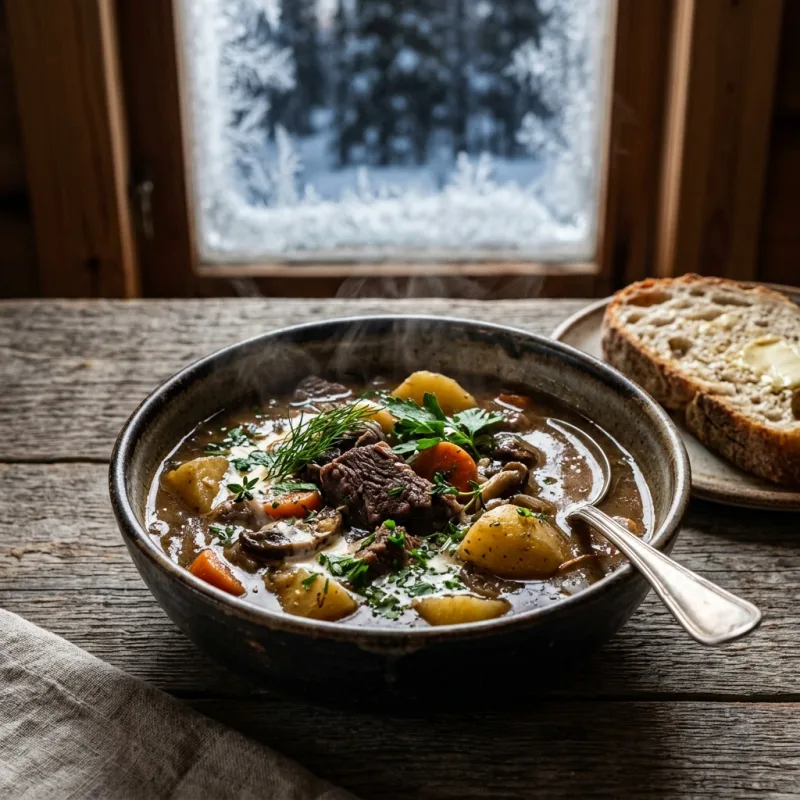
Hearty Arctic reindeer stew in a rustic bowl on a wooden cabin table

Must Try Dish

Reindeer Stew - A rich, warming bowl simmered slowly with tender Alaskan reindeer meat, root vegetables, and wild herbs. It provides essential hearty calories and comfort after hours out exploring frigid polar landscapes.
Food Experiences Title Icon

Food
Experiences

Discover cooking classes, tastings and local food tours

No food experience found

Related Tour Guides

Dave Gardner - Tour Guide
Dave Gardner
United States Expert
Monia Bonaldo- tour-guide
Monia Bonaldo
United States Expert
Valentin Borriello - tour guide
Valentin Borriello
United States Expert
Cary Gibbs
Cary Gibbs
United States Expert
Maya, the human travel expert at TravelingWiz, offering curated, non-AI expertise

Maya’s Final Checklist for Far North (Arctic)

Logistics shouldn’t be the focus of your trip—the experience should. I’ve hand-vetted these essential partners to ensure your arrival, stay, and exploration are as smooth as an Athenian breeze.

Where to Stay

From boutique hotels to local apartments—compare thousands of options and find the perfect stay in the best neighborhood.

Air Travel

Getting there should be seamless. Compare the best routes and prices across top airlines to start your journey on the right note.

Local Guides

Connect with experts who know the destination best. Get personalized advice and insider tips to help you plan your perfect trip.

Travel Protection

The “Engineer’s” rule: always have a backup. Secure your trip with a plan that covers every “what if” and unexpected change.

Car Rentals

Explore at your own pace with total freedom. Compare reliable rental options and find the right vehicle for your adventure.

Visa Services

Don’t let paperwork slow you down. Get expert assistance with your application to ensure all your entry documents are in order.

FAQs

Yes, via the Dalton Highway (Alaska Route 11), an unpaved industrial road stretching 414 miles from north of Fairbanks to Deadhorse/Prudhoe Bay. Most other Arctic communities, including Utqiaġvik, Kotzebue, and Nome, have no road access and are reachable solely by air.
The Aurora Borealis is visible from late August through mid-April when night skies are sufficiently dark. It cannot be seen during mid-summer due to continuous 24-hour daylight.
Between mid-May and late July, the sun remains above the horizon 24 hours a day at locations north of the Arctic Circle, providing continuous daylight for outdoor activities.
Polar bears inhabit coastal regions along the Arctic Ocean and Beaufort Sea, frequently seen around Utqiaġvik and Kaktovik in late summer and autumn. Viewing them should always be done with certified local guides for safety.

Your Insights Matter

TravelingWiz grows through the stories of our community. If you’ve recently explored ,Far North (Arctic) share your tips and stories to help us perfect our guides for the next traveler.

Related Articles

Check out our related articles and blog posts to learn even more about the destination.

No related articles found

Don’t Travel Alone

Share with your friends and family

Where should we send your offline card?

We hate spam just as much as you do

newsletter_consent *