Disclosure: This site contains affiliate links. We may earn a commission if you make a purchase, at no extra cost to you.

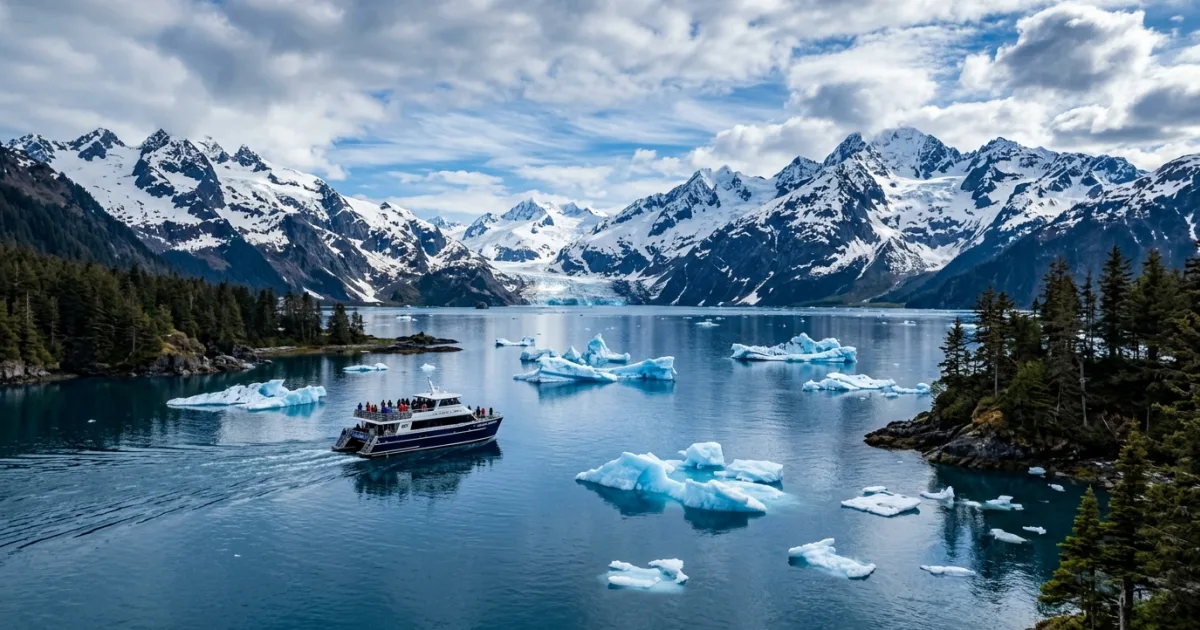
Panoramic view of Resurrection Bay in Seward Alaska with snow-covered mountains and calm fjord waters.

Seward Overview & Key Highlights

Seward is situated approximately 125 miles south of Anchorage along the All-American Seward Highway, surrounded by steep coastal peaks and the protected waters of Resurrection Bay. The town functions as both a working fishing harbor and a major hub for wilderness recreation, offering immediate transitions from maritime docks to ancient icefields. During the summer high season, long daylight hours illuminate snowcapped mountains and support bustling harbor operations filled with charter vessels and kayak outfitters. Visitors find an accessible mix of wilderness adventures and comfortable town infrastructure centered on 4th Avenue and the Small Boat Harbor. Days are spent navigating the outer waters of Kenai Fjords National Park to witness active marine wildlife, trekking along the edge of the Harding Icefield, or learning about sub-Arctic marine rescue at the Alaska SeaLife Center. The pace is tied to the maritime weather, rewarding flexible travelers with crisp ocean air, rich indigenous Alutiiq history, and fresh Pacific seafood.

Seward Travel Guide: Logistics & In-Depth Tips

Seward sits framed by Mount Marathon and the calm waters of Resurrection Bay, acting as a historical and ecological anchor of Southcentral Alaska. The town was named after William H. Seward, the U.S. Secretary of State who engineered the purchase of Alaska from Russia in 1867. Today, its streets retain the rugged charm of a working sub-Arctic harbor town, free from the artificial polish seen in high-density cruise ports elsewhere. Fishing vessels unload tons of cod, halibut, and salmon daily at the bustling Small Boat Harbor while sea otters roll in the surf mere yards away.

Beyond its maritime industries, Seward is universally recognized as the jumping-off point for exploring Kenai Fjords National Park. More than half of the park is blanketed by the massive Harding Icefield, a 700-square-mile ice plateau that feeds nearly 40 individual glaciers. Travelers can observe this ancient landscape from the water via heavy-hulled catamarans or sea kayaks, or ascend the Harding Icefield Trail on foot to watch glaciers carve deep granite valleys. Whether observing orca pods hunting near Chiswell Islands or learning about injured sea mammals at the Alaska SeaLife Center, Seward immerses visitors in the untamed reality of the North Pacific.

Reasons to Visit

  • Unmatched Marine Wildlife: High probability of encountering humpback whales, orcas, harbor seals, sea otters, and horned puffins in a single excursion.
  • Road-Accessible Glaciers: Exit Glacier allows visitors to walk right up to an ancient glacial tongue and witness climate change markers dating back centuries.
  • Spectacular Rail Journey: The Coastal Classic Train between Anchorage and Seward passes remote hanging glaciers, rivers, and waterfalls inaccessible by road.
  • World-Class Fishing: Resurrection Bay offers premier chartered sportfishing for trophy silver salmon and monster Pacific halibut.
  • Scenic Sea Kayaking: Paddle calm fjords among floating icebergs and sheer cliff faces teeming with seabird colonies.

Things to Avoid

  • Do not book short cruises if tidewater glaciers are your goal: Tours shorter than 6 hours rarely venture past Resurrection Bay into active calving glacier territory.
  • Avoid relying solely on cotton clothing: Cotton traps moisture and cold; always choose synthetic or wool technical apparel in coastal Alaska.
  • Do not hike off designated paths at Exit Glacier: Approaching the glacier face across terminal moraine gravel exposes hikers to dangerous falling ice and rock slides.
  • Do not assume rental cars are plentiful on arrival: Vehicle rentals in Seward are scarce; arrange your rental car in Anchorage well ahead of arrival.

Local Transportation Tips

Seward is compact and highly walkable between the Historic Downtown district and the Small Boat Harbor, connected by a scenic 1-mile paved waterfront trail. During the summer high season (mid-May to mid-September), the Seward Free Shuttle operates daily every 30 minutes, stopping at the Alaska Railroad Depot, Small Boat Harbor, and Downtown. For transit to Exit Glacier, commercial shuttles depart hourly from the harbor. Having a personal rental car provides the most flexibility for exploring Lowell Point and Kenai Lake, though taxis are available within city limits.

Travel Etiquette

  • Practice Bear Safety Etiquette: Never leave food or trash unattended at trailheads, campgrounds, or coastal beaches; always use bear-proof receptacles.
  • Respect Dock Protocols: Give active commercial fishermen and tour captains clear right-of-way on boat ramps and harbor finger docks.
  • Honor Indigenous Heritage: Acknowledge and respect Alutiiq / Sugpiaq cultural lands, archeological sites, and heritage markers throughout the region.
  • Tip Fishing and Boat Crews: Marine crew members and fishing deckhands work grueling hours; customary gratuity ranges from 15% to 20% for excellent service.

Recommended Age Group

Seward offers diverse wilderness viewing options that cater well to outdoor-oriented travelers across different life stages, though logistics require some physical resilience.

  • Babies (0-2 years): Not Recommended. Chilly coastal rain, bumpy boat rides that trigger motion sickness, and rugged terrain make traveling with infants challenging.
  • Kids (3-12 years): Recommended. Children love spotting puffins and sea otters, touching sea stars at the Alaska SeaLife Center, and becoming Kenai Fjords Junior Rangers.
  • Teens (13-19 years): Recommended. High-energy activities like ice climbing, sea kayaking, deep-sea fishing, and hiking the Harding Icefield Trail appeal directly to teenagers.
  • Adults (20-64 years): Recommended. Perfect balance of outdoor exploration, backcountry hiking, craft breweries, and dramatic coastal photography.
  • Seniors (65+ years): Recommended. Stable high-speed catamarans with enclosed heated cabins, accessible waterfront paths, and the scenic train offer easy access to spectacular nature.

Accessibility Level: Medium

  • Kenai Fjords National Park tour catamarans feature ADA-accessible main decks, enclosed heated viewing cabins, and accessible restrooms.
  • The Alaska SeaLife Center is fully wheelchair accessible with elevator access between multi-level indoor marine exhibits.
  • The lower trail at Exit Glacier offers a paved, barrier-free pathway leading to an open view of the glacier snout.
  • The Seward Waterfront Trail provides a wide, flat, paved route connecting Downtown to the boat harbor with accessible benches and ocean lookouts.

Did You Know?

Seward is Mile 0 of the historic Iditarod Trail. Long before it became the world-famous sled dog race, the route served as a vital 2,300-mile mail and supply winter trail connecting ice-free Resurrection Bay to the gold fields of Nome and interior Alaska.

Cool Statistics

  • 1903: The year Seward was officially founded as the coastal terminus of the Alaska Railroad.
  • 700 sq miles: The vast surface area covered by the Harding Icefield directly adjacent to Seward.
  • 3,022 feet: The elevation gained during the annual Mount Marathon Race, one of the oldest and steepest mountain footraces in the United States.


Address:

Seward, United States

Find Nearby Accommodations

Basic Info

address icon

COUNTRY & Region

United States,
North America

ACCESSIBILITY LEVEL​

Medium
Currency icon

LOCAL CURRENCY​

United States Dollar (USD)
Price level icon
High
Safety Level icon

SAFETY LEVEL

Duration icon

Recommended Duration

• Full day
• 1-7 days

Electricity

electricity icon

Electricity

110-120V, 
60Hz
Plug Socket icon

Plug Type

• Type A (Flat blade)
• Type B (Flat blade with grounding pin)
Plug types
Click To View Plug Types
Seward is part of our
Coolcation collection

Activities To Do In Seward

Best Time To Visit Seward

Seward operates on a strongly seasonal schedule driven by sub-polar maritime conditions.

  • Peak Season (June to August): Daily highs average 60°F to 65°F (15°C to 18°C) with long daylight hours. Boat tours operate multiple departures daily, salmon runs peak, and wildlife viewing is at its absolute prime. Lodging fills months in advance.
  • Shoulder Season (May and September): Temperatures hover between 45°F and 55°F (7°C to 13°C). Crowds decrease dramatically, fall foliage peaks in early September, but tour frequencies drop and some businesses close for the winter by mid-September.
  • Low Season (October to April): Cold, dark, and snow-heavy with temperatures dropping below freezing. Marine tours pause, Exit Glacier road access closes to cars, and town services run at a minimal skeleton crew.

Average Temperatures Per Month

Remember to check the weather forecast a few days before the trip and before heading to the airport.

Safety Level icon

Safety Level

Seward enjoys an exceptionally low violent crime rate, making environmental awareness the primary safety concern. Stay at least 100 yards away from black and brown bears, carry bear spray on all Kenai Peninsula hiking trails, and make regular noise to prevent surprising wildlife. On boat tours and coastal shores, remain mindful of hypothermia risks by dressing in waterproof layers; falling into 45°F waters induces cold shock within minutes. When exploring Resurrection Bay beaches, never walk on saturated tidal mudflats, which act like quicksand when the tide turns.

The rating is based on multi-year peace, crime, and security indices. Before you go, always verify current conditions through official government travel advisories.

Emergency Numbers

Police: 911
Ambulance: 911

No internet needed • Includes local translations • Free for TravelingWiz readers

Spoken Languages

English

Learn The Language

  • Hello: Hello
  • Thank you: Thank you
  • Goodbye: Goodbye
  • Please: Please
  • Yes: Yes
  • No: No
  • Excuse me: Excuse me
  • Help: Help
Travel Booking Partner - TravelingWiz

Trip Cost & Budgeting for Seward, 2026

Everything you need to know about money while traveling
Is Seward expensive for tourists in 2026? Yes, Seward is generally expensive due to its remote Alaskan location and short summer season. Visitors can expect to pay around $5 for a coffee, $7 for a local craft beer, and $35 for a standard restaurant meal. Based on our Human Verified prices, high seasonal demand drives up daily food and lodging costs. Use the data table below to calculate your specific daily budget based on your travel style.
Currency icon

LOCAL CURRENCY​:

United States Dollar (USD)
Price level icon
High
Credit cards are accepted nearly everywhere in Seward, though having cash helps for tour tips and harbour vendors.

Per person, per day – pocket cash for small purchases.

Local: 25
United States Dollar (USD)
≈ 25 USD

Full daily spend estimation (accommodation, food, transportation, attractions).

Travel Style
United States Dollar (USD)
≈ USD ($)
Budget
150
150
Mid-range
270
270
Comfort
590
590

The Prices, Daily costs, and calculator results are estimates for planning purposes only. Actual costs may vary based on season, booking timing, personal spending habits, and currency fluctuations. TravelingWiz cannot be held responsible for discrepancies between these estimates and your final trip expenses.

  • • Book accommodation months in advance to secure reasonable rates before peak summer surge pricing takes effect.
  • • Take advantage of free natural sights like the Seward Waterfront Park promenade and Exit Glacier hiking trails.
  • • Grab quick meals from local bakeries or grocery stores rather than eating out at full-service restaurants every time.
  • • Use the seasonal free town shuttle to travel between the historic downtown district and the small boat harbor.

Pre-Order Tickets

Avoid disappointment when tickets sell out — and skip the long lines by booking online in advance. You’ll often save up to 20% too.
Save up to 20%

Travel Discounts & Coupons

Save on hotels, attractions, transport, and gear — find verified discounts for smarter travel spending.
Verified Coupons

What To Pack

  • Waterproof, breathable rain jacket and rain pants (non-negotiable for boat tours and rainforest hikes).
  • Thermal moisture-wicking base layers (merino wool or synthetic, avoid pure cotton).
  • Fleece sweater or packable down jacket for layered temperature regulation.
  • Sturdy, waterproof hiking boots with Vibram or deep-lug outsoles for glacier terrain.
  • Neoprene gloves, a warm fleece beanie, and UV-blocking sunglasses for ocean glare.
  • Dry bags to protect cameras, smartphones, and electronics from relentless marine spray.
  • High-magnification binoculars for spotting puffins, orcas, and mountain goats on cliff faces.
  • Insect repellent containing DEET or picaridin for coastal and woodland trails.
We couldn't find tips for Seward.
If you got any, please share

Recommended Itineraries for Traveling to Seward

We couldn't find itineraries for Seward.
you can contact us for custom trip plan

Food & Drink Highlights

Local Food Overview

Seward's culinary identity is defined by the frigid, nutrient-rich waters of the North Pacific and Gulf of Alaska. Menus across the harbor showcase line-caught Pacific halibut, wild sockeye and king salmon, Prince William Sound spot prawns, and Alaska king crab legs. Simple preparations dominate, emphasizing beer battering, cedar-plank smoking, or cast-iron searing with garlic butter. Hearty sourdough bread, locally brewed craft ales, and berry cobblers made from hand-picked wild blueberries complement the maritime fare.
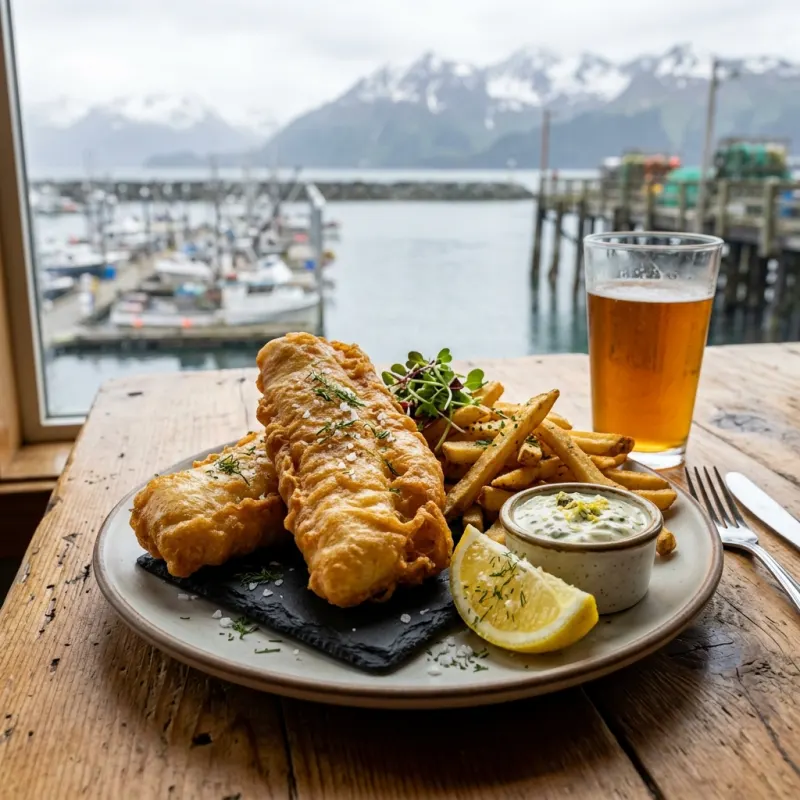
Golden beer-battered Alaska halibut fillets served with fries and tartar sauce overlooking Seward harbor.

Must Try Dish

Beer-Battered Alaska Halibut - Thick, flaky cuts of wild-caught Pacific halibut dipped in local IPA batter, fried to golden crispness, and served with tangy house-made tartar sauce. The dense, sweet white meat retains delicate moisture while offering a satisfying crunch after a chilly day on Resurrection Bay.
Food Experiences Title Icon

Food
Experiences

Discover cooking classes, tastings and local food tours

No food experience found

Related Tour Guides

Dave Gardner - Tour Guide
Dave Gardner
United States Expert
Monia Bonaldo- tour-guide
Monia Bonaldo
United States Expert
Valentin Borriello - tour guide
Valentin Borriello
United States Expert
Cary Gibbs
Cary Gibbs
United States Expert
Maya, the human travel expert at TravelingWiz, offering curated, non-AI expertise

Maya’s Final Checklist for Seward

Logistics shouldn’t be the focus of your trip—the experience should. I’ve hand-vetted these essential partners to ensure your arrival, stay, and exploration are as smooth as an Athenian breeze.

Where to Stay

From boutique hotels to local apartments—compare thousands of options and find the perfect stay in the best neighborhood.

Air Travel

Getting there should be seamless. Compare the best routes and prices across top airlines to start your journey on the right note.

Local Guides

Connect with experts who know the destination best. Get personalized advice and insider tips to help you plan your perfect trip.

Travel Protection

The “Engineer’s” rule: always have a backup. Secure your trip with a plan that covers every “what if” and unexpected change.

Car Rentals

Explore at your own pace with total freedom. Compare reliable rental options and find the right vehicle for your adventure.

Visa Services

Don’t let paperwork slow you down. Get expert assistance with your application to ensure all your entry documents are in order.

FAQs

Travelers reach Seward from Anchorage by driving the Seward Highway (approximately 2.5 hours), riding the scenic Alaska Railroad Coastal Classic Train (4 hours), or booking a scheduled motorcoach service like the Park Connection.
Yes. Exit Glacier is the only road-accessible section of Kenai Fjords National Park. Visitors can drive to the Exit Glacier Nature Center, park for free, and walk the paved and gravel loop trails directly to the glacier viewpoint.
A 6- to 8.5-hour cruise is optimal. Shorter 3- to 4-hour tours stay within Resurrection Bay, while longer tours navigate into the open Gulf of Alaska to reach active tidewater glaciers in Aialik Bay or Northwestern Fjord.

Your Insights Matter

TravelingWiz grows through the stories of our community. If you’ve recently explored ,Seward share your tips and stories to help us perfect our guides for the next traveler.

Related Articles

Check out our related articles and blog posts to learn even more about the destination.

No related articles found

Don’t Travel Alone

Share with your friends and family

Where should we send your offline card?

We hate spam just as much as you do

newsletter_consent *