Disclosure: This site contains affiliate links. We may earn a commission if you make a purchase, at no extra cost to you.

>
>
>
>
Southeast Alaska

Southeast Alaska

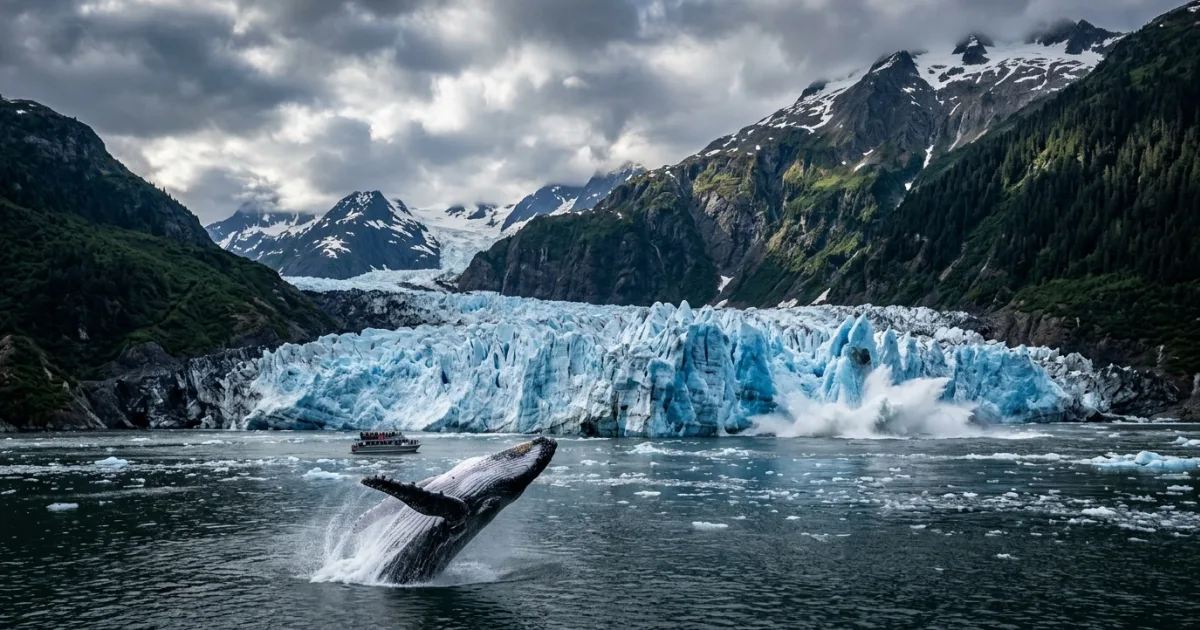
A humpback whale breaching in front of a tidewater glacier in Southeast Alaska

Southeast Alaska Overview & Key Highlights

Southeast Alaska, often referred to as the Inside Passage, is a stunning coastal region defined by its deep fjords, tidewater glaciers, and lush temperate rainforests. The area is primarily accessible only by boat or plane, making the journey an integral part of the adventure as travelers navigate the intricate waterways of the Alexander Archipelago. Visitors are drawn to the region's abundant wildlife, including humpback whales, orcas, brown bears, and bald eagles, which thrive in the pristine environments of places like Glacier Bay National Park and the Tongass National Forest. Rich in Indigenous culture, the region is home to the Tlingit, Haida, and Tsimshian peoples, whose heritage is visible in the towering totem poles and vibrant traditions found in communities such as Ketchikan, Sitka, and Juneau. Whether you are kayaking through icy waters, hiking alpine trails, or cruising past calving glaciers, Southeast Alaska offers an unparalleled wilderness experience that deeply connects travelers with the raw power and beauty of nature.

Southeast Alaska Travel Guide: Logistics & In-Depth Tips

Southeast Alaska is a world apart from the rest of the state, characterized by its labyrinth of islands, deep ocean channels, and towering coastal mountains. This region, encompassing the Alexander Archipelago and a narrow strip of the mainland, is heavily forested by the Tongass National Forest, the largest national forest in the United States. The lack of a continuous road system means that life here revolves around the water and the air, giving the region a distinct, frontier-like maritime culture.

Beyond its natural wonders, Southeast Alaska is a cultural heartland. The Indigenous Tlingit, Haida, and Tsimshian people have inhabited these lands for thousands of years, and their deep connection to the environment is evident in the art, stories, and traditions that permeate the local communities. Visitors can explore historic Russian architecture in Sitka, witness the gold rush legacy in Skagway, or marvel at the world's largest collection of standing totem poles in Ketchikan. Every town offers a unique window into the resilient and diverse history of the Last Frontier.

Reasons to Visit

  • Unmatched Wildlife Viewing: Spot bears catching salmon, whales breaching, and eagles soaring in their natural habitats.
  • Glacial Landscapes: Witness the awe-inspiring power of tidewater glaciers calving into the sea at Glacier Bay or Tracy Arm Fjord.
  • Rich Indigenous Heritage: Experience the living cultures of the Tlingit, Haida, and Tsimshian peoples through art, dance, and historical sites.
  • Outdoor Adventure: World-class opportunities for sea kayaking, sport fishing, and hiking in pristine wilderness.
  • Scenic Transit: The journey itself is spectacular, whether cruising the Inside Passage or flying over icefields in a bush plane.

Things to Avoid

  • Underestimating the Weather: Never assume it will stay sunny; always carry rain gear and dress in layers.
  • Approaching Wildlife: Keep a safe and legal distance from bears, moose, and marine mammals. Never feed wild animals.
  • Ignoring Tide Tables: If kayaking or beachcombing, be aware of the extreme tidal fluctuations in the region.
  • Overpacking: Space on floatplanes and small boats is limited; pack efficiently and use soft-sided luggage if possible.

Local Transportation Tips

Transportation in Southeast Alaska is unique because there are very few roads connecting the towns. The primary mode of inter-community travel is the Alaska Marine Highway System, a network of ferries that accommodate foot passengers, bicycles, and vehicles. For faster travel, regional airlines and small floatplane operators provide essential links between communities and remote lodges. Within the towns themselves, walking is often the best way to get around, though taxis, rideshares, and local bus systems are available in larger hubs like Juneau and Ketchikan.

Travel Etiquette

  • Respect Indigenous Lands: Many areas are owned by Native corporations; always obtain permission or permits if venturing off public lands.
  • Leave No Trace: Preserve the pristine wilderness by packing out all trash and minimizing your environmental impact.
  • Be Patient with Logistics: Weather can frequently delay flights and ferries; maintain a flexible attitude.
  • Support Local: Purchase authentic Native art and locally made goods rather than mass-produced souvenirs.

Recommended Age Group

Southeast Alaska offers a diverse range of experiences that can be tailored to almost any age group, though the remote nature of the destination requires some consideration.

  • Babies (0-2 years): Neutral. While possible, long travel times, unpredictable weather, and limited medical facilities in remote areas can make traveling with infants challenging.
  • Kids (3-12 years): Recommended. Children are often captivated by the abundant wildlife, boat rides, and interactive cultural centers.
  • Teens (13-19 years): Recommended. The region is perfect for active teens, offering thrilling activities like zip-lining, sea kayaking, and glacier hiking.
  • Adults (20-64 years): Recommended. Ideal for outdoor enthusiasts, photographers, and those seeking a deep connection with nature and history.
  • Seniors (65+ years): Recommended. The popularity of Inside Passage cruises makes Southeast Alaska highly accessible for seniors, allowing for spectacular sightseeing with minimal physical strain.

Accessibility Level: Medium

  • Cruise Ships: Major cruise lines offer highly accessible ways to see the region, with ADA-compliant cabins and facilities.
  • Ferries: The Alaska Marine Highway ferries are generally wheelchair accessible, including elevators and accessible restrooms.
  • Excursions: Many tour operators offer accessible options, such as whale watching boats with ramps, but it is crucial to verify in advance.
  • Town Infrastructure: Larger towns like Juneau and Ketchikan have accessible boardwalks and museums, though some historic streets may be steep or uneven.

Did You Know?

Juneau, the capital of Alaska, is the only state capital in the United States that cannot be reached by road. You must fly or take a boat to get there.

Cool Statistics

  • 16.7 Million: The number of acres in the Tongass National Forest, making it the largest national forest in the US.
  • 1,000+: The approximate number of islands that make up the Alexander Archipelago in Southeast Alaska.
  • 15,000: The estimated number of bald eagles living in the region.
  • 3.3 Million: The acreage of Glacier Bay National Park and Preserve, a UNESCO World Heritage site.


Address:

Southeast Alaska, United States

Find Nearby Accommodations

Basic Info

address icon

COUNTRY & Region

United States,
North America

ACCESSIBILITY LEVEL​

Medium
Currency icon

LOCAL CURRENCY​

United States Dollar (USD)
Price level icon
High
Safety Level icon

SAFETY LEVEL

Duration icon

Recommended Duration

• 1-7 days
• More than a week

Electricity

electricity icon

Electricity

110-120V, 
60Hz
Plug Socket icon

Plug Type

• Type A (Flat blade)
• Type B (Flat blade with grounding pin)
Plug types
Click To View Plug Types
Southeast Alaska is part of our
Off-Grid Glamping collection

Activities To Do In Southeast Alaska

Best Time To Visit Southeast Alaska

The best time to visit Southeast Alaska is during the summer months, from mid-May to mid-September, when the weather is mildest and wildlife is most active.

  • May: Drier weather and excellent opportunities for spotting migrating whales and spring wildflowers.
  • June to August: Peak season with the warmest temperatures, longest daylight hours, and peak salmon runs, which attract bears.
  • September: Cooler and wetter, but offers beautiful autumn foliage, fewer crowds, and a chance to see the Northern Lights.

Average Temperatures Per Month

Remember to check the weather forecast a few days before the trip and before heading to the airport.

Safety Level icon

Safety Level

Southeast Alaska is very safe regarding crime, but nature poses the biggest risks. Always practice bear safety by making noise on trails and carrying bear spray. Be prepared for rapid weather changes and dress in layers to prevent hypothermia. When on the water, always wear a life jacket, as the ocean temperatures are dangerously cold year-round.

The rating is based on multi-year peace, crime, and security indices. Before you go, always verify current conditions through official government travel advisories.

Emergency Numbers

Police: 911
Ambulance: 911

No internet needed • Includes local translations • Free for TravelingWiz readers

Spoken Languages

English is the primary language. Indigenous languages such as Tlingit, Haida, and Tsimshian are also spoken by native communities and are experiencing a cultural revitalization.

Learn The Language

  • Hello
  • Thank you
  • Where is the restroom?
  • How much does this cost?
  • I need help
  • Do you take credit cards?
  • Water, please
  • Goodbye
Travel Booking Partner - TravelingWiz

Trip Cost & Budgeting for Southeast Alaska, 2026

Everything you need to know about money while traveling
Is Southeast Alaska expensive for tourists in 2026? Yes, visiting Southeast Alaska is considered expensive due to its remote location and high freight costs. Based on our Human Verified prices, expect to pay around $5.80 for a cappuccino, $7.50 for a pint of beer, and $30.00 for a restaurant main meal. Accommodation and transportation also drive up daily spending significantly. Use the data table below to calculate your specific daily budget based on your travel style.
Currency icon

LOCAL CURRENCY​:

United States Dollar (USD)
Price level icon
High
Credit cards are widely accepted across Southeast Alaska, though carrying small cash amounts is helpful for small harbor vendors.

Per person, per day – pocket cash for small purchases.

Local: 20
United States Dollar (USD)
≈ 20 USD

Full daily spend estimation (accommodation, food, transportation, attractions).

Travel Style
United States Dollar (USD)
≈ USD ($)
Budget
105
105
Mid-range
195
195
Comfort
430
430

The Prices, Daily costs, and calculator results are estimates for planning purposes only. Actual costs may vary based on season, booking timing, personal spending habits, and currency fluctuations. TravelingWiz cannot be held responsible for discrepancies between these estimates and your final trip expenses.

  • • Travel in shoulder season months like May or September to secure lower rates on hotels and regional ferries.
  • • Use the public Alaska Marine Highway ferry system instead of expensive flights or cruises for island hopping.
  • • Buy fresh seafood at local markets or grocery stores rather than dining out at high-end restaurants every night.
  • • Take advantage of free natural attractions, such as hiking state trails and viewing public glaciers, instead of booked excursions.

Pre-Order Tickets

Avoid disappointment when tickets sell out — and skip the long lines by booking online in advance. You’ll often save up to 20% too.
Save up to 20%

Travel Discounts & Coupons

Save on hotels, attractions, transport, and gear — find verified discounts for smarter travel spending.
Verified Coupons

What To Pack

  • Waterproof Outerwear: High-quality rain jackets and pants are essential for the frequent coastal drizzle.
  • Layered Clothing: Fleece jackets, thermal base layers, and moisture-wicking shirts to adapt to rapidly changing temperatures.
  • Sturdy Footwear: Waterproof hiking boots or rubber boots (often called 'Southeast Sneakers') for muddy trails and boat decks.
  • Binoculars: Crucial for spotting distant wildlife like whales, bears, and eagles.
  • Insect Repellent: Necessary during the summer months to ward off mosquitoes and midges.
  • Camera Gear: Extra batteries and waterproof bags to protect your equipment from the elements.
We couldn't find tips for Southeast Alaska.
If you got any, please share

Recommended Itineraries for Traveling to Southeast Alaska

We couldn't find itineraries for Southeast Alaska.
you can contact us for custom trip plan

Food & Drink Highlights

Local Food Overview

The culinary scene in Southeast Alaska is heavily defined by its pristine waters, offering some of the world's best wild-caught seafood. Salmon, halibut, and Dungeness crab are staples, often prepared with simple, rustic techniques that highlight their natural flavors. Foraging is also a significant part of the local food culture, with wild berries, kelp, and spruce tips frequently incorporated into dishes and local craft beers.
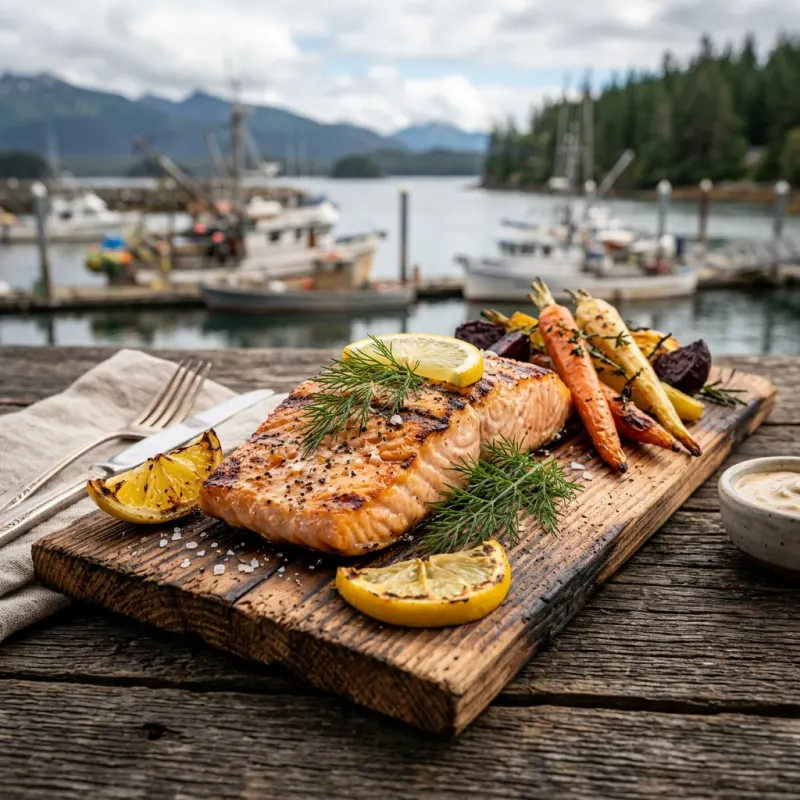
Grilled Wild Alaskan King Salmon on a cedar plank

Must Try Dish

Wild Alaskan King Salmon. Freshly caught from the icy waters of the Pacific, this salmon is renowned for its rich flavor and high omega-3 content. It is typically grilled or cedar-planked, offering a melt-in-your-mouth texture that perfectly captures the essence of Alaskan cuisine.
Food Experiences Title Icon

Food
Experiences

Discover cooking classes, tastings and local food tours

No food experience found

Related Tour Guides

Dave Gardner - Tour Guide
Dave Gardner
United States Expert
Monia Bonaldo- tour-guide
Monia Bonaldo
United States Expert
Valentin Borriello - tour guide
Valentin Borriello
United States Expert
Cary Gibbs
Cary Gibbs
United States Expert
Maya, the human travel expert at TravelingWiz, offering curated, non-AI expertise

Maya’s Final Checklist for Southeast Alaska

Logistics shouldn’t be the focus of your trip—the experience should. I’ve hand-vetted these essential partners to ensure your arrival, stay, and exploration are as smooth as an Athenian breeze.

Where to Stay

From boutique hotels to local apartments—compare thousands of options and find the perfect stay in the best neighborhood.

Air Travel

Getting there should be seamless. Compare the best routes and prices across top airlines to start your journey on the right note.

Local Guides

Connect with experts who know the destination best. Get personalized advice and insider tips to help you plan your perfect trip.

Travel Protection

The “Engineer’s” rule: always have a backup. Secure your trip with a plan that covers every “what if” and unexpected change.

Car Rentals

Explore at your own pace with total freedom. Compare reliable rental options and find the right vehicle for your adventure.

Visa Services

Don’t let paperwork slow you down. Get expert assistance with your application to ensure all your entry documents are in order.

FAQs

No, most towns in Southeast Alaska are not connected by roads. You will rely on ferries, floatplanes, and small boats to travel between communities.
Humpback whales are most commonly seen from June through August, while orcas can be spotted year-round, though peak sightings are also in the summer.
The region is a temperate rainforest, so rain is common. However, summer months offer many clear, sunny days. It is best to always be prepared with waterproof gear.
Yes, but it is less common than in the interior of Alaska. Your best chances are on clear nights in late August or September.
It is a state-operated ferry system that transports passengers and vehicles between the coastal communities of Alaska, serving as the region’s main ‘highway’.

Your Insights Matter

TravelingWiz grows through the stories of our community. If you’ve recently explored ,Southeast Alaska share your tips and stories to help us perfect our guides for the next traveler.

Related Articles

Check out our related articles and blog posts to learn even more about the destination.

No related articles found

Don’t Travel Alone

Share with your friends and family

Where should we send your offline card?

We hate spam just as much as you do

newsletter_consent *