Disclosure: This site contains affiliate links. We may earn a commission if you make a purchase, at no extra cost to you.

>
>
>
>
Southwest Alaska

Southwest Alaska

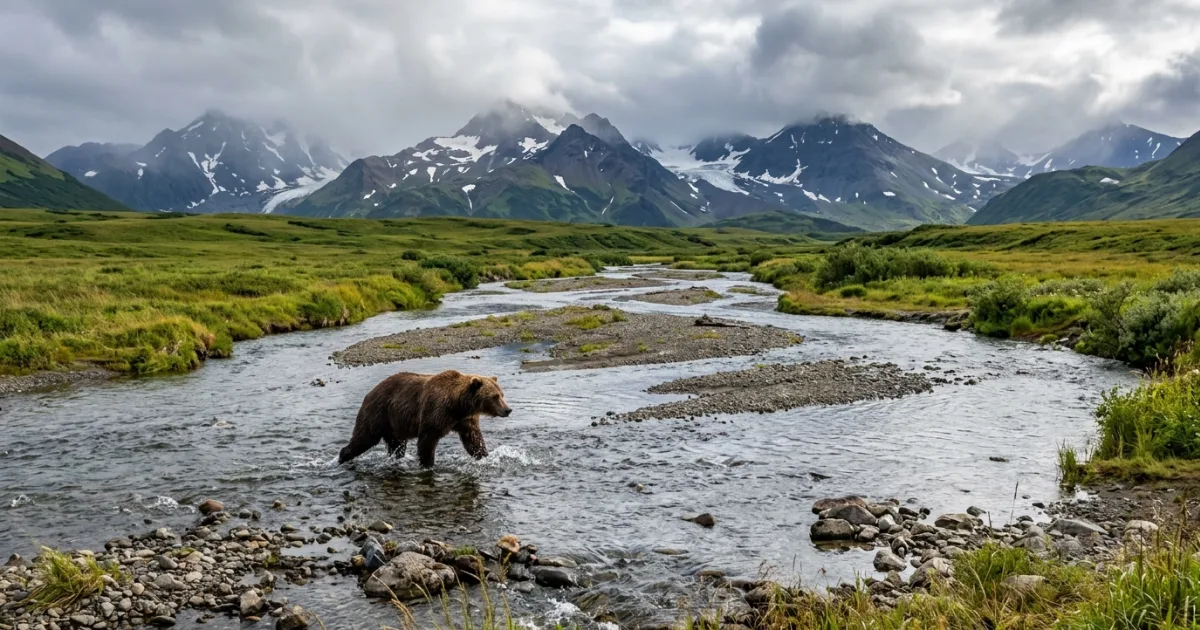
Expansive landscape of Southwest Alaska featuring a coastal brown bear in a river with volcanic mountains

Southwest Alaska Overview & Key Highlights

Southwest Alaska represents one of North America's most rugged and ecologically prolific wilderness zones, bordered by the Pacific Ocean, the Bering Sea, and the Alaska Range. Without an interconnected highway system, travel across the region relies entirely on floatplanes, commercial turboprops, and maritime vessels. The region encompasses world-renowned wildlife habitats including the brown bear feeding grounds of Brooks Falls in Katmai National Park, pristine volcanic valleys, and the cultural homeland of the Alutiiq (Sugpiaq), Dena'ina Athabascan, and Unangax̂ peoples. Visitors arrive primarily between June and September to experience premier wilderness fly-fishing, marine wildlife charters, and close-range bear viewing alongside certified backcountry guides. The maritime subarctic climate demands flexible itineraries, as coastal fog, intense rain, and sudden wind shifts frequently delay regional aviation. Those who venture here encounter untouched volcanic terrain, active geothermal craters, and an abundance of marine mammals rarely matched anywhere on Earth.

Southwest Alaska Travel Guide: Logistics & In-Depth Tips

Southwest Alaska spans hundreds of miles of remote coastlines, towering volcanoes, and braided glacial rivers. It encompasses renowned federal reserves, including Katmai National Park and Preserve, Lake Clark National Park, and the Kodiak National Wildlife Refuge. Far from the state's central road system, this region functions on tidal cycles, salmon runs, and bush aviation schedules. Visitors travel here not for standard road touring, but for immersive wildlife encounters, world-class sport angling, and rugged coastal exploration.

The cultural history of the region is equally rich. Indigenous Alutiiq, Yup'ik, and Unangax̂ communities have thrived here for millennia along marine hunting grounds and river mouths. Russian colonial influence remains preserved in the historic onion-domed Russian Orthodox churches standing across Kodiak and the Aleutian Chain. Whether watching immense coastal grizzlies forage along mudflats or flying over active volcanic calderas, a journey through Southwest Alaska delivers an unmatched subarctic wilderness experience.

Reasons to Visit

  • Observe wild brown bears fishing for leaping salmon at iconic spots like Brooks Falls and Hallo Bay.
  • Experience world-class sport fishing for Pacific salmon, trophy rainbow trout, and Arctic char.
  • Explore remote, active volcanoes across the Valley of Ten Thousand Smokes.
  • Discover the maritime heritage and WWII Pacific theatre history on Kodiak Island.
  • Enjoy deep silence, total off-grid isolation, and pristine wilderness far from mass tourism corridors.

Things to Avoid

  • Avoid packing rigid rolling suitcases; bush planes require soft-sided duffel bags due to weight and cargo constraints.
  • Avoid tight flight layovers, as maritime fog and storms routinely ground bush planes for hours or days.
  • Never run from a brown bear or approach wildlife outside of established ranger safety guidelines.
  • Do not rely on cellular service outside of regional towns like Kodiak or King Salmon.

Local Transportation Tips

Surface roads do not connect Southwest Alaska to mainland Anchorage or North America's highway network. Regional travel is conducted through commercial scheduled airlines to gateway towns (such as Kodiak, King Salmon, and Dillingham), followed by floatplanes (de Havilland Beavers and Otters) or wheel planes landing on gravel strips and tidal beaches. Coastal passenger and vehicle ferries operated by the Alaska Marine Highway System connect Homer to Kodiak and the Aleutians seasonally.

Travel Etiquette

  • Respect Indigenous land holdings and tribal regulations when traveling outside federal and state public parks.
  • Follow strict 'Bear Aware' protocol: store all food, cosmetics, and garbage in certified bear-resistant containers.
  • Always practice Leave No Trace principles, especially in delicate subarctic tundra environments.
  • Treat bush pilots and boat captains with patience; safety-driven weather cancellations are standard and non-negotiable.

Recommended Age Group

Southwest Alaska requires physical resilience, patience with unpredictable bush transport, and adherence to strict wildlife safety standards.

  • Babies (0-2 years): Not Recommended. The remote setting, lack of medical infrastructure, and small aircraft safety parameters present significant challenges for infants.
  • Kids (3-12 years): Neutral. Children fascinated by wildlife may enjoy guided day trips to Brooks Camp boardwalks, but rough trails and bear territory require constant vigilance.
  • Teens (13-19 years): Recommended. Excellent destination for adventurous teens who enjoy hiking, fishing, photography, and wildlife observation.
  • Adults (20-64 years): Recommended. Perfect demographic for guided backcountry fly-in excursions, sea kayaking, hiking, and lodge retreats.
  • Seniors (65+ years): Recommended. Well suited for active seniors booking guided lodge packages, boat cruises, and boardwalk-accessible bear viewing.

Accessibility Level: Medium

  • Brooks Camp in Katmai offers elevated boardwalks and viewing platforms that accommodate manual wheelchairs with assistance.
  • Bush planes and floatplanes require travelers to climb small step ladders, which can be challenging for travelers with severe mobility impairments.
  • Harbor gangways at ferry terminals in Kodiak and Homer fluctuate with dramatic 20-foot tides, creating steep ramps at low tide.

Did You Know?

Bristol Bay in Southwest Alaska produces roughly half of the entire global supply of wild sockeye salmon, sustaining one of the most successful and strictly managed commercial fisheries in the world.

Cool Statistics

  • Home to Katmai's Valley of Ten Thousand Smokes, formed by the 1912 Novarupta eruption—the largest volcanic eruption of the 20th century.
  • Kodiak brown bears can weigh up to 1,500 pounds (680 kg), rivaling polar bears as the largest terrestrial carnivores on Earth.
  • The region spans over 450,000 square miles of marine and terrestrial wilderness with fewer than 60,000 permanent human residents.


Address:

Southwest Alaska, United States

Find Nearby Accommodations

Basic Info

address icon

COUNTRY & Region

United States,
North America

ACCESSIBILITY LEVEL​

Medium
Currency icon

LOCAL CURRENCY​

US Dollar (USD)
Price level icon
High
Safety Level icon

SAFETY LEVEL

Duration icon

Recommended Duration

• 1-7 days
• More than a week

Electricity

electricity icon

Electricity

110-120V, 
60Hz
Plug Socket icon

Plug Type

• Type A (Flat blade)
• Type B (Flat blade with grounding pin)
Plug types
Click To View Plug Types
Southwest Alaska is part of our
Coolcation collection

Activities To Do In Southwest Alaska

Best Time To Visit Southwest Alaska

Southwest Alaska experiences a subarctic maritime climate characterized by cool summers, frequent precipitation, and high winds.

  • June to August (Peak Wildlife Season): Optimal weather for bear viewing, salmon runs, and sea kayaking. Daily temperatures average 50°F to 65°F (10°C to 18°C).
  • September (Autumn Shoulder): Rapidly turning golden tundra foliage and active late-season silver salmon runs, paired with chillier nights and frequent gale-force coastal storms.
  • October to May (Off-Season): Severe maritime gales, reduced daylight, limited commercial flights, and seasonal lodge closures. Recommended only for specialized winter adventurers.

Average Temperatures Per Month

Remember to check the weather forecast a few days before the trip and before heading to the airport.

Safety Level icon

Safety Level

Southwest Alaska has virtually no urban street crime; major risks stem entirely from extreme wilderness environments, tidal surges, hypothermia, and wildlife encounters. Always carry bear spray, keep it immediately accessible, and observe proper bear-safety protocols at all times. Weather changes rapidly—always build 24 to 48 hours of contingency buffer into flight connections to avoid missing international transfers due to grounded planes.

The rating is based on multi-year peace, crime, and security indices. Before you go, always verify current conditions through official government travel advisories.

Emergency Numbers

Police: 911
Ambulance: 911

No internet needed • Includes local translations • Free for TravelingWiz readers

Spoken Languages

English is the primary language, alongside Indigenous Alaskan languages including Alutiiq, Central Yup'ik, and Unangam Tunuu.

Learn The Language

  • Hello (Alutiiq): Cama’i (Cha-my)
  • Thank you (Alutiiq): Quyanaa (Koo-yah-nah)
  • Good morning: Good morning
  • Where is…?: Where is…?
  • Water: Water
  • Help: Help
  • Watch out: Watch out
  • Goodbye (Alutiiq): Tang’rciqamken (Tahng-er-chee-kum-ken)
Travel Booking Partner - TravelingWiz

Trip Cost & Budgeting for Southwest Alaska, 2026

Everything you need to know about money while traveling
Is Southwest Alaska expensive for tourists in 2026? Yes, due to its remote island and bush locations where goods are flown in, costs are steep. You should expect to pay around $6.50 for a cappuccino, $8.50 for a pint of local beer, and $35 for a mid-range main meal. Based on Human Verified prices, travel here requires solid planning. Use the data table below to calculate your specific daily budget based on your travel style.
Currency icon

LOCAL CURRENCY​:

US Dollar (USD)
Price level icon
High
Major hotels and stores accept credit cards, but cash is essential for small native villages, remote charters, and tips.

Per person, per day – pocket cash for small purchases.

Local: 40
US Dollar (USD)
≈ 40 USD

Full daily spend estimation (accommodation, food, transportation, attractions).

Travel Style
US Dollar (USD)
≈ USD ($)
Budget
230
230
Mid-range
420
420
Comfort
920
920

The Prices, Daily costs, and calculator results are estimates for planning purposes only. Actual costs may vary based on season, booking timing, personal spending habits, and currency fluctuations. TravelingWiz cannot be held responsible for discrepancies between these estimates and your final trip expenses.

  • • Travel during shoulder months like May or September for cheaper lodging and flight rates.
  • • Rent kitchen-equipped cabins or Airbnbs to cook local seafood and save on high restaurant prices.
  • • Book inter-island ferries or regional air flights months ahead to secure standard fares instead of last-minute surges.
  • • Stock up on non-perishable snacks and supplies in Anchorage before flying out to remote Southwest hubs.

Pre-Order Tickets

Avoid disappointment when tickets sell out — and skip the long lines by booking online in advance. You’ll often save up to 20% too.
Save up to 20%

Travel Discounts & Coupons

Save on hotels, attractions, transport, and gear — find verified discounts for smarter travel spending.
Verified Coupons

What To Pack

  • Heavyweight waterproof jacket and rain pants with high breathability ratings (Gore-Tex or equivalent).
  • Sturdy neoprene or rubber wading boots (Xtratuf boots are standard across coastal Alaska).
  • Thermal merino wool base layers and intermediate fleece jackets for layering.
  • High-grade insect repellent containing DEET or Picaridin, plus a head net for tundra gnats and mosquitoes.
  • Waterproof dry bags for cameras, optics, and electronics during marine or floatplane travel.
  • Compact telephoto lens (minimum 300mm to 400mm) for ethical long-distance wildlife photography.
  • Bimodal polarized sunglasses for spotting fish and navigating maritime glare.
We couldn't find tips for Southwest Alaska.
If you got any, please share

Recommended Itineraries for Traveling to Southwest Alaska

We couldn't find itineraries for Southwest Alaska.
you can contact us for custom trip plan

Food & Drink Highlights

Local Food Overview

Cuisine across Southwest Alaska centers on pristine wild-caught seafood and traditional native subsistence harvests. Bristol Bay supports the world's largest wild sockeye salmon fishery, providing fresh, ocean-caught fillets characterized by rich omega-3 oils and deep crimson flesh. Kodiak Island and the Aleutians are renowned for colossal red king crab legs, Pacific halibut cheeks, and smoked salmon jerky, served alongside rustic frontier comfort fare.
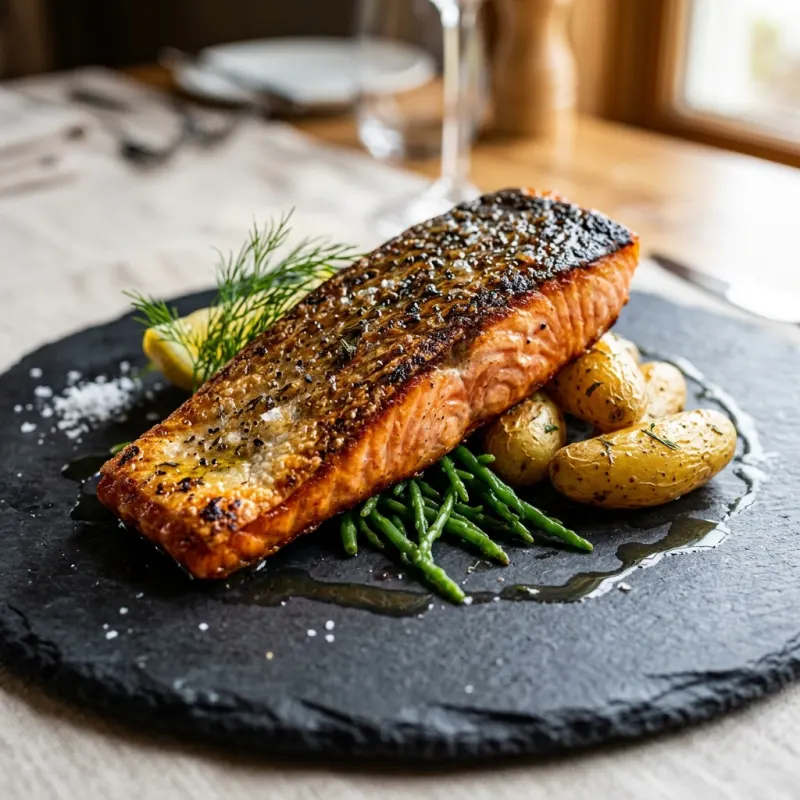
Fresh pan-seared wild Bristol Bay sockeye salmon fillet

Must Try Dish

Wild Bristol Bay Sockeye Salmon - Pan-seared or hot-smoked wild crimson salmon harvested directly from subarctic waters, delivering exceptional depth of flavor and tender, flaky texture.
Food Experiences Title Icon

Food
Experiences

Discover cooking classes, tastings and local food tours

No food experience found

Related Tour Guides

Dave Gardner - Tour Guide
Dave Gardner
United States Expert
Monia Bonaldo- tour-guide
Monia Bonaldo
United States Expert
Valentin Borriello - tour guide
Valentin Borriello
United States Expert
Cary Gibbs
Cary Gibbs
United States Expert
Maya, the human travel expert at TravelingWiz, offering curated, non-AI expertise

Maya’s Final Checklist for Southwest Alaska

Logistics shouldn’t be the focus of your trip—the experience should. I’ve hand-vetted these essential partners to ensure your arrival, stay, and exploration are as smooth as an Athenian breeze.

Where to Stay

From boutique hotels to local apartments—compare thousands of options and find the perfect stay in the best neighborhood.

Air Travel

Getting there should be seamless. Compare the best routes and prices across top airlines to start your journey on the right note.

Local Guides

Connect with experts who know the destination best. Get personalized advice and insider tips to help you plan your perfect trip.

Travel Protection

The “Engineer’s” rule: always have a backup. Secure your trip with a plan that covers every “what if” and unexpected change.

Car Rentals

Explore at your own pace with total freedom. Compare reliable rental options and find the right vehicle for your adventure.

Visa Services

Don’t let paperwork slow you down. Get expert assistance with your application to ensure all your entry documents are in order.

FAQs

Transportation depends almost entirely on commercial regional flights (like Alaska Airlines to Kodiak or King Salmon), chartered floatplanes, water taxis, and the Alaska Marine Highway ferry system.
The prime window is July, when thousands of sockeye salmon leap up Brooks Falls, drawing dozens of brown bears directly to the river rapids.
Yes, guided day-tour flight-seeing packages depart directly from Anchorage, Homer, or Kenai to Katmai and Lake Clark National Parks during summer.
The core Brooks Camp area features raised wooden boardwalks and viewing platforms that are wheelchair accessible, though surrounding trails consist of packed gravel and dirt.

Your Insights Matter

TravelingWiz grows through the stories of our community. If you’ve recently explored ,Southwest Alaska share your tips and stories to help us perfect our guides for the next traveler.

Related Articles

Check out our related articles and blog posts to learn even more about the destination.

No related articles found

Don’t Travel Alone

Share with your friends and family

Where should we send your offline card?

We hate spam just as much as you do

newsletter_consent *