Disclosure: This site contains affiliate links. We may earn a commission if you make a purchase, at no extra cost to you.

>
>
>
>
Central Coast California

Central Coast California

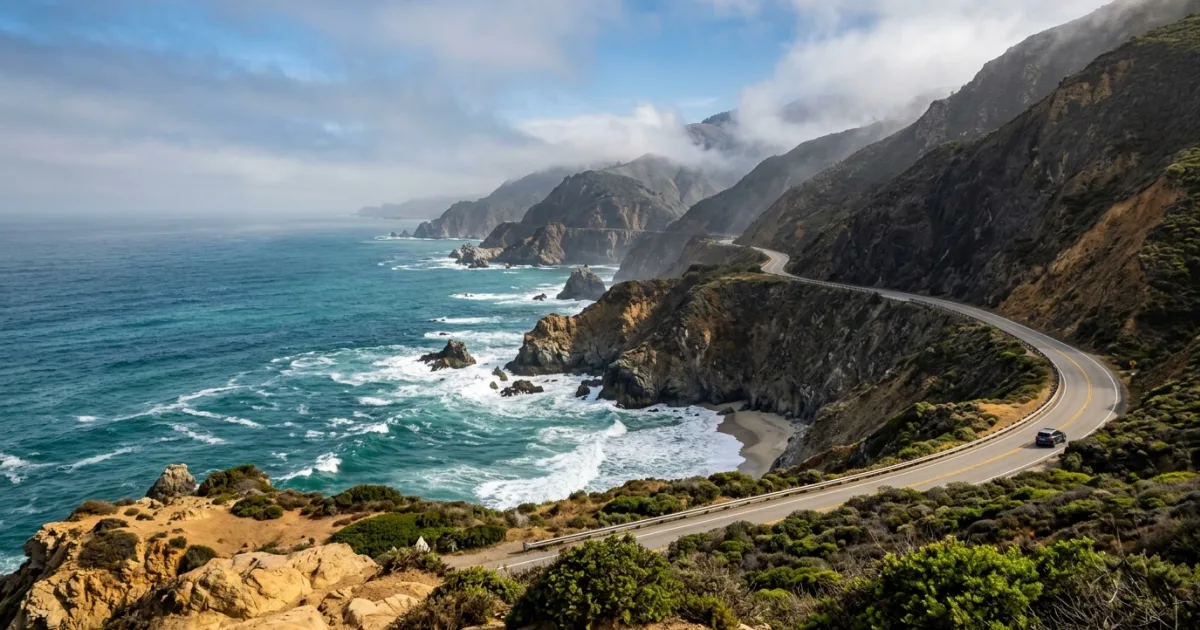
Dramatic cliffs and ocean surf along California's scenic Central Coast highway

Central Coast California Overview & Key Highlights

The Central Coast of California spans roughly 350 miles of Pacific coastline between Ventura County in the south and Santa Cruz County in the north. Anchored by Highway 1 and U.S. Route 101, this region encompasses rugged cliffside vistas in Big Sur, historic coastal hamlets like Carmel-by-the-Sea and Cambria, and expansive agricultural valleys including Paso Robles and the Santa Ynez Valley. Maritime microclimates define the geography, generating cooling morning marine layers that give way to warm, sunlit afternoons across coastal hills and vineyards. Travelers navigate a varied landscape of rocky shorelines, marine sanctuaries, Spanish colonial missions, and rolling viticultural estates. Elephant seals congregate on public beaches near San Simeon, while migrating gray and humpback whales breach offshore along the Monterey Bay National Marine Sanctuary. Inland corridors provide a slower agricultural pace focused on farm-to-table dining and historic barbecue techniques. The region offers an authentic maritime and rural cross-section of California, free from the continuous density of the state's major metropolitan areas.

Central Coast California Travel Guide: Logistics & In-Depth Tips

California's Central Coast occupies the dramatic transition zone between Southern California's sunny beaches and Northern California's temperate forests. Covering multiple distinct counties, the region preserves a relaxed, unhurried pace supported by independent farming, artisanal winemaking, and coastal conservation. Historic towns like Santa Barbara showcase Spanish Colonial Revival architecture, while bohemian enclaves like Big Sur and Carmel-by-the-Sea offer historic artist retreats nestled amidst Monterey pines and coastal redwoods.

Geographically, the Pacific Coast Highway clings to steep maritime cliffs that drop hundreds of feet into churning ocean waters. Inland corridors like the Salinas Valley supply vast portions of North America's fresh produce, while Paso Robles and the Edna Valley nurture award-winning viticultural regions. Whether traversing scenic ocean cliffs, tasting world-class wines, or observing protected marine sanctuaries, the Central Coast presents a quintessential California road-tripping corridor.

Reasons to Visit

  • World-renowned coastal highway routes providing panoramic views of dramatic ocean cliffs and rolling hills.
  • Premier cool-climate and Rhône-style wine regions with relaxed, accessible cellar doors.
  • Abundant marine wildlife viewing opportunities, including sea otters, elephant seals, and migrating whales.
  • Rich cultural history encompassing Spanish missions, historic lighthouses, and Hearst Castle.
  • Uncrowded state beaches offering excellent coastal hiking, tide pooling, and surfing.

Things to Avoid

  • Avoid turning your back on ocean waves when walking along rocky coastlines or sandy beaches due to unpredictable sneaker waves.
  • Avoid planning rigid schedules through coastal stretches without checking current road closure advisories.
  • Avoid disturbing resting marine wildlife; federal law requires maintaining a respectful distance of at least 50 feet.
  • Avoid driving through rural wine routes without a designated driver, as ride-share availability can be sparse outside major towns.

Local Transportation Tips

A private automobile or camper van is the practical standard for navigating California's Central Coast. Major highways include U.S. Route 101, which travels through inland valleys and coastal towns, and State Route 1, which traverses coastal bluffs. Amtrak's Pacific Surfliner and Coast Starlight passenger trains connect select hubs like Santa Barbara, San Luis Obispo, and Salinas, but local destinations and scenic preserves require independent personal transit.

Travel Etiquette

  • Yield to faster traffic on two-lane highways by using designated paved turnouts safely.
  • Follow Leave No Trace principles strictly in all state parks, packing out all refuse and remaining on designated footpaths.
  • Tipping in restaurants follows standard US customs: 18% to 22% for attentive table service.
  • Respect quiet hours in coastal camping grounds and private residential neighborhoods.

Recommended Age Group

California's Central Coast offers broad appeal with activities tailored across age spectrums.

  • Babies (0-2 years): Neutral. Long driving stretches between scenic stops can test toddler patience, though scenic boardwalks and relaxed coastal parks accommodate strollers well.
  • Kids (3-12 years): Recommended. Ample tide pools, accessible sea otter lookouts, historic lighthouses, and sandcastle beaches offer constant engaging outdoor discovery.
  • Teens (13-19 years): Recommended. Surfing lessons, coastal sea kayaking, mountain biking trails, and photogenic Highway 1 lookouts provide active engagement.
  • Adults (20-64 years): Recommended. Premier wine tasting corridors, fine dining, coastal hiking, and scenic drives cater exceptionally to adults and couples.
  • Seniors (65+ years): Recommended. Scenic scenic viewpoints, flat coastal boardwalks, leisurely historical estate tours, and mild coastal weather make the region comfortable and accessible.

Accessibility Level: Medium

  • Piedras Blancas Elephant Seal Rookery features wide, level wooden boardwalks fully accessible to wheelchairs and mobility aids.
  • Hearst Castle provides designated Access Tours featuring ramped entryways and motorized chair lifts for the historic estate.
  • Major state parks provide beach wheelchairs for loan at select coastal ranger stations upon advance request.
  • Towns like Santa Barbara and Carmel feature level downtown commercial zones, though historic brick sidewalks can be uneven in spots.

Did You Know?

Hearst Castle in San Simeon features 165 rooms and 123 acres of gardens, pools, and terraces, built between 1919 and 1947 for publishing magnate William Randolph Hearst.

Cool Statistics

  • Over 350 miles of Pacific coastline stretch across the Central Coast.
  • More than 25,000 northern elephant seals visit the Piedras Blancas rookery annually.
  • Paso Robles AVA encompasses over 40,000 vineyard acres and 200 independent wineries.
  • Monterey Bay Submarine Canyon reaches ocean depths exceeding 2 miles, rivaling the Grand Canyon.

Address:

Central Coast, California, United States

Find Nearby Accommodations

Basic Info

address icon

COUNTRY & Region

United States,
North America

ACCESSIBILITY LEVEL​

Medium
Currency icon

LOCAL CURRENCY​

United States Dollar (USD)
Price level icon
High
Safety Level icon

SAFETY LEVEL

Duration icon

Recommended Duration

• 1-7 days
• More than a week

Electricity

electricity icon

Electricity

110-120V, 
60Hz
Plug Socket icon

Plug Type

• Type A (Flat blade)
• Type B (Flat blade with grounding pin)
Plug types
Click To View Plug Types
Central Coast California is part of our
Silver Nomads collection

Activities To Do In Central Coast California

Best Time To Visit Central Coast California

Coastal weather varies significantly by microclimate and time of year.

  • September to November: Warmest coastal temperatures, minimal morning marine fog, and active vineyard grape harvest.
  • April to May: Blooming coastal wildflowers, active wildlife birthing seasons, and moderate tourist crowds.
  • December to March: Peak whale migration and winter surf swells, balanced by seasonal rain and potential Highway 1 road repairs.
  • June to August: Heavy coastal fog known locally as 'June Gloom', high domestic visitor volumes, and warmer inland wine valleys.

Average Temperatures Per Month

Remember to check the weather forecast a few days before the trip and before heading to the airport.

Safety Level icon

Safety Level

Exercise caution around steep coastal cliffs and respect marked barriers, as bluffs frequently erode without warning. Observe posted ocean warnings regarding sneaker waves and rip currents, avoiding turning your back to the surf. Keep an eye on regional Caltrans road status feeds for unexpected Highway 1 slide repairs or seasonal closures.

The rating is based on multi-year peace, crime, and security indices. Before you go, always verify current conditions through official government travel advisories.

Emergency Numbers

Police: 911
Ambulance: 911

No internet needed • Includes local translations • Free for TravelingWiz readers

Spoken Languages

English is universally spoken; Spanish is widely spoken throughout agricultural communities and service sectors.

Learn The Language

  • Highway 1: The primary two-lane scenic coastal highway running north-south.
  • Marine layer: Thick coastal fog and low stratus clouds generated by cool ocean currents.
  • Tri-tip: A triangular cut of beef sirloin foundational to Central Coast barbecue culture.
  • Sea otter: Marine mammal frequently spotted floating in local kelp canopies.
  • Tasting flight: A curated sampling of several estate wines at a single producer.
  • Turnout: A designated paved shoulder on scenic mountain roads allowing slower vehicles to yield.
  • State Beach (SB): State-managed protected coastline offering public beach access.
  • Headland: A narrow ridge of high rock jutting out into a coastal body of water.
Travel Booking Partner - TravelingWiz

Trip Cost & Budgeting for Central Coast California, 2026

Everything you need to know about money while traveling
Is Central Coast California expensive for tourists in 2026? Yes, coastal towns and wine regions require a higher budget. Expect to pay around $5.75 for a cappuccino, $8 for a domestic beer, and $32 for a mid-range restaurant meal. Our Human Verified prices reflect daily costs for mid-range accommodations, dining, and scenic driving along Highway 1. Use the data table below to calculate your specific daily budget based on your travel style.
Currency icon

LOCAL CURRENCY​:

United States Dollar (USD)
Price level icon
High
Credit cards and Apple Pay are accepted virtually everywhere, making cash rarely necessary except for small tips.

Per person, per day – pocket cash for small purchases.

Local: 30
United States Dollar (USD)
≈ 80 USD

Full daily spend estimation (accommodation, food, transportation, attractions).

Travel Style
United States Dollar (USD)
≈ USD ($)
Budget
165
140
Mid-range
300
280
Comfort
660
550

The Prices, Daily costs, and calculator results are estimates for planning purposes only. Actual costs may vary based on season, booking timing, personal spending habits, and currency fluctuations. TravelingWiz cannot be held responsible for discrepancies between these estimates and your final trip expenses.

  • • Save on lodging by booking hotels slightly inland in Paso Robles or Atascadero rather than prime oceanfront spots.
  • • Grab picnic supplies at local farmers markets to enjoy high-quality meals at scenic coast pullouts without restaurant markup.
  • • Buy a California State Parks day pass if visiting multiple coastal parks to eliminate repetitive parking fees.
  • • Visit wineries midweek when tasting fees are lower and often waived with a bottle purchase.

Pre-Order Tickets

Avoid disappointment when tickets sell out — and skip the long lines by booking online in advance. You’ll often save up to 20% too.
Save up to 20%

Travel Discounts & Coupons

Save on hotels, attractions, transport, and gear — find verified discounts for smarter travel spending.
Verified Coupons

What To Pack

  • Windproof outer shell and fleece layers to accommodate coastal marine fog and temperature swings
  • Sturdy walking shoes or trail runners for rugged state park headlands and gravel paths
  • Polarized sunglasses and reef-safe sunscreen for ocean glare
  • Reusable water bottle and small daypack for state park excursions
  • Binoculars for spotting offshore gray whales, sea otters, and coastal bird colonies
We couldn't find tips for Central Coast California.
If you got any, please share

Recommended Itineraries for Traveling to Central Coast California

We couldn't find itineraries for Central Coast California.
you can contact us for custom trip plan

Food & Drink Highlights

Local Food Overview

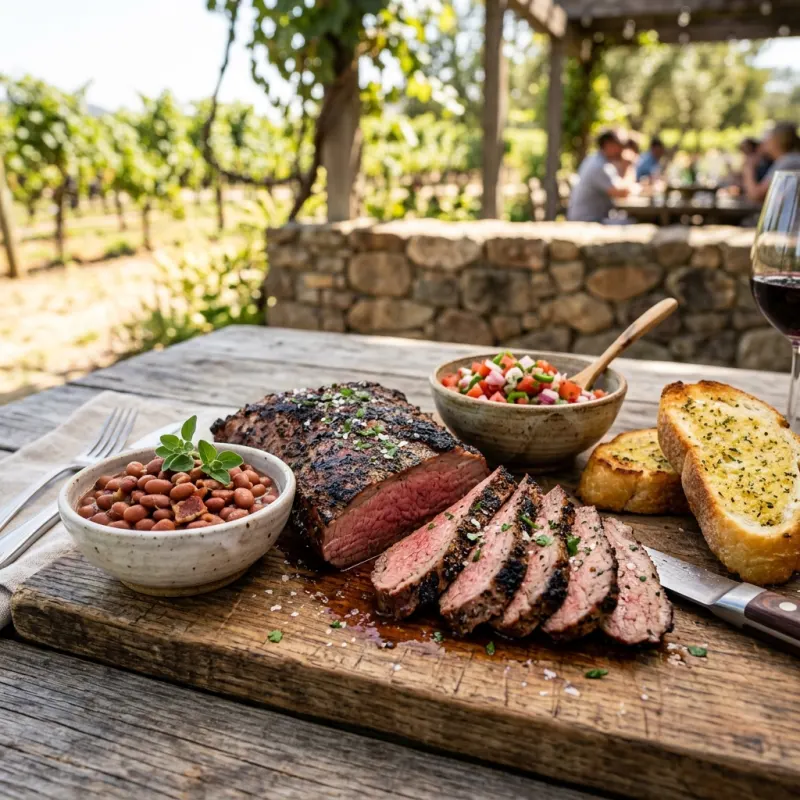
Central Coast gastronomy is defined by an abundant Pacific coastline paired with rich Mediterranean-style agricultural valleys. Santa Maria-style barbecue represents the signature regional heritage, utilizing native red oak coals to slow-grill seasoned beef tri-tip, accompanied by savory pinquito beans, garlic bread, and fresh tomato salsa. Along the coastal harbors of Morro Bay, Monterey, and Santa Barbara, menus feature Pacific spot prawns, rock crab, freshly shucked oysters, and rich bowls of coastal clam chowder. The surrounding microclimates foster cool-climate Pinot Noir and Chardonnay near the coast, while warmer inland AVAs excel in Rhône varieties and Zinfandel.
Sliced Santa Maria-style beef tri-tip barbecue served with pinquito beans and grilled French bread

Must Try Dish

Santa Maria-Style Barbecue - Beef tri-tip steak rubbed with garlic, salt, and black pepper, grilled over indigenous coast live red oak coals. It is traditionally served alongside indigenous slow-simmered pinquito beans, fresh salsa fresca, and toasted sweet French bread dipped in garlic butter.
Food Experiences Title Icon

Food
Experiences

Discover cooking classes, tastings and local food tours

No food experience found

Related Tour Guides

Dave Gardner - Tour Guide
Dave Gardner
United States Expert
Monia Bonaldo- tour-guide
Monia Bonaldo
United States Expert
Valentin Borriello - tour guide
Valentin Borriello
United States Expert
Cary Gibbs
Cary Gibbs
United States Expert
Maya, the human travel expert at TravelingWiz, offering curated, non-AI expertise

Maya’s Final Checklist for Central Coast California

Logistics shouldn’t be the focus of your trip—the experience should. I’ve hand-vetted these essential partners to ensure your arrival, stay, and exploration are as smooth as an Athenian breeze.

Where to Stay

From boutique hotels to local apartments—compare thousands of options and find the perfect stay in the best neighborhood.

Air Travel

Getting there should be seamless. Compare the best routes and prices across top airlines to start your journey on the right note.

Local Guides

Connect with experts who know the destination best. Get personalized advice and insider tips to help you plan your perfect trip.

Travel Protection

The “Engineer’s” rule: always have a backup. Secure your trip with a plan that covers every “what if” and unexpected change.

Car Rentals

Explore at your own pace with total freedom. Compare reliable rental options and find the right vehicle for your adventure.

Visa Services

Don’t let paperwork slow you down. Get expert assistance with your application to ensure all your entry documents are in order.

FAQs

Highway 1 experiences intermittent closures due to winter rockslides and unstable coastal topography. It is essential to check the Caltrans QuickMap website or mobile app before traveling to verify road conditions between Cambria and Carmel.
Yes, a personal or rental car is strongly recommended. Public transit connects major cities via Amtrak, but scenic viewpoints, state parks, and rural vineyards are spread out and rarely served by regional buses.
Piedras Blancas Rookery in San Simeon offers free, wheelchair-accessible boardwalks to view thousands of northern elephant seals. Sea otters and harbor seals are readily visible around Morro Bay, Elkhorn Slough, and the Monterey harbor kelp beds.

Your Insights Matter

TravelingWiz grows through the stories of our community. If you’ve recently explored ,Central Coast California share your tips and stories to help us perfect our guides for the next traveler.

Related Articles

Check out our related articles and blog posts to learn even more about the destination.

No related articles found

Don’t Travel Alone

Share with your friends and family

Where should we send your offline card?

We hate spam just as much as you do

newsletter_consent *