Disclosure: This site contains affiliate links. We may earn a commission if you make a purchase, at no extra cost to you.
Napa Valley

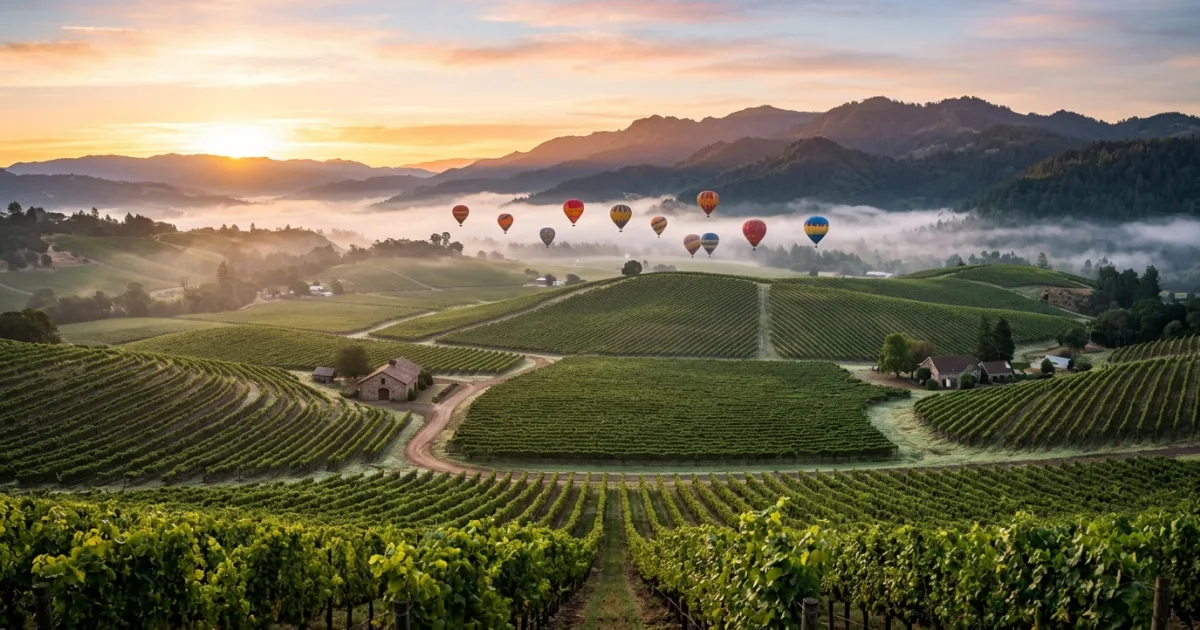
Panoramic sunrise view over lush rolling vineyard rows and hot air balloons in Napa Valley

Basic Info

COUNTRY & Region

United States,
North America

ACCESSIBILITY LEVEL​

  • High: Widely accessible with good facilities for disabilities.
  • Medium: Some accessible options, but limitations exist.
  • Low: Limited accessibility; many barriers for disabilities.
Medium

LOCAL CURRENCY​

United States Dollar (USD)

Price Level

Low – budget‑friendly basics

Medium – moderate mid‑range costs

High – pricey lodging, dining & transport

High

SAFETY LEVEL

5 shields = Excellent – very low crime or conflict.

4 shields = Safe – low risk, routine care.

3 shields = Relatively safe – use normal street smarts.

2 shields = Use caution – higher crime or periodic unrest.

1 shields = Avoid – active conflict or extreme danger.

Scores are derived from multi-year peace, homicide and security indices blended into a single 1-to-5 scale.

Recommended Duration

1-7 days, Full day

Napa Valley Overview & Key Highlights

Napa Valley stands as the premier viticultural epicenter of North America, spanning roughly thirty miles of fertile terrain between the Mayacamas and Vaca mountain ranges. Established with commercial vineyards in the mid-nineteenth century, the region achieved global renown following the 1976 Judgment of Paris and now accommodates over four hundred operating wineries across sixteen distinct American Viticultural Areas (AVAs). Visitors navigate the valley primarily via Highway 29 and the scenic Silverado Trail, discovering estate wineries that range from family-owned historic cellars to avant-garde architectural landmarks. Beyond viticulture, the corridor encompassing Napa, Yountville, St. Helena, and Calistoga functions as an international destination for fine dining, wellness, and scenic touring. Yountville concentrates the highest density of Michelin stars per capita in the United States, while Calistoga offers natural geothermal hot springs and mineral mud baths. A successful trip hinges on pre-arranged reservations for tastings and meals, balanced by early morning hot air balloon rides, cycling along the Napa Valley Vine Trail, and leisurely drives through vine-covered hillsides.

Napa Valley Travel Guide: Logistics & In-Depth Tips

Napa Valley occupies a narrow stretch of Northern California land measuring approximately five miles across at its widest point and thirty miles in length. Sheltered by the Mayacamas Mountains to the west and the Vaca Range to the east, the valley benefits from a rare Mediterranean climate that accounts for less than two percent of the earth's surface. Morning marine fog rolls in from San Pablo Bay, naturally cooling the vines before afternoon sunshine promotes even grape ripening. This geological and meteorological harmony creates ideal conditions for cultivating world-class Bordeaux varietals, particularly Cabernet Sauvignon.

The region is composed of distinct townships each offering a unique character. Napa, the southern anchor, provides a vibrant urban riverfront, live music venues, and accessible dining options. Heading north along Highway 29 or the scenic Silverado Trail leads to Yountville, an epicenter of world gastronomy; St. Helena, the historic heart of luxury shopping and estate winemaking; and Calistoga, renowned for its volcanic geology, mineral hot springs, and laid-back ambiance. With a deep commitment to agricultural preservation established through the 1968 Napa Valley Agricultural Preserve, the valley maintains its scenic rural vistas against commercial overdevelopment.

Reasons to Visit

  • Experience internationally acclaimed winery estates, historic barrel caves, and architectural masterpieces.
  • Indulge in an unmatched concentration of award-winning fine dining restaurants and artisanal farm-to-table eateries.
  • Soar over early morning mist-shrouded vineyards during a sunrise hot air balloon flight.
  • Rejuvenate in the natural geothermal mineral pools and volcanic ash mud baths of Calistoga.
  • Cycle along dedicated segments of the scenic Napa Valley Vine Trail through quiet vineyard rows.

Things to Avoid

  • Avoid packing your schedule with more than three winery appointments per day to prevent sensory fatigue.
  • Do not drive between wineries after participating in multiple tasting flights; arrange reliable transportation instead.
  • Avoid wearing heavy perfume or cologne to tasting rooms, as artificial scents interfere with wine aromas.
  • Do not arrive at tasting rooms without prior reservations, as walk-in service is strictly limited by county ordinances.
  • Avoid peak Friday afternoon commute traffic heading north on Highway 29 from the Bay Area.

Local Transportation Tips

Personal automobiles or hired transport are the primary means of navigating the valley, as public transit between rural wineries is limited. The Vine Transit bus network connects the municipal centers of Napa, Yountville, St. Helena, and Calistoga. For wine touring, private black car chauffeurs, designated driver hire services (who drive your rental car), and rideshare services like Uber and Lyft are prevalent, though rideshare wait times can be substantial in remote hillside AVAs. The Napa Valley Wine Train provides a nostalgic, seated dining transit experience through the valley floor between downtown Napa and St. Helena.

Travel Etiquette

  • Rinse with water between wine pours and make use of dump buckets when you do not wish to finish an entire pour; it is considered polite and practical.
  • Hold wine glasses by the stem rather than the bowl to prevent your hand from warming the wine.
  • Tip tasting room hospitality staff standard gratuities of 15% to 20%, especially when dedicated private hosts provide personalized education.
  • Turn mobile phones to silent mode during seated tasting experiences and formal cellar tours.

Recommended Age Group

Napa Valley is primarily an adult-centric destination centered around wine appreciation, spa wellness, and culinary arts, though specific activities cater to older generations and leisure travelers.

  • Babies (0-2 years): Not Recommended. Tasting rooms and winery caves maintain strict age restrictions and adult atmospheres unsuited for infants.
  • Kids (3-12 years): Not Recommended. Most wineries do not permit minors under 21, and family-oriented amusement amenities are limited.
  • Teens (13-19 years): Neutral. While older teens can enjoy outdoor hiking, kayaking on the Napa River, and fine dining, alcohol-focused venues exclude them from primary activities.
  • Adults (20-64 years): Recommended. The ultimate destination for couples, friend getaways, and food and wine enthusiasts.
  • Seniors (65+ years): Recommended. Excellent accessibility, relaxed pacing, luxury transport options, and premier hospitality make it an exceptional retreat for mature travelers.

Accessibility Level: Medium

  • Major winery tasting rooms and estate visitor centers offer ADA-compliant wheelchair ramps, designated parking stalls, and accessible restrooms.
  • The Napa Valley Wine Train features designated ADA-accessible rail cars with wheelchair lifts; advance notification is recommended.
  • The paved segments of the Napa Valley Vine Trail offer flat, barrier-free routes suitable for wheelchairs and adaptive mobility devices.
  • Historic winery wine caves and hillside vineyards may feature rough stone or gravel paths; travelers should confirm specific accessibility accommodations prior to booking.

Did You Know?

In 1968, Napa Valley established the United States' first Agricultural Preserve, legally safeguarding hundreds of thousands of acres of agricultural land from urban encroachment and suburban sprawl.

Cool Statistics

  • Over 400 commercial physical wineries operate across Napa County.
  • Napa Valley accounts for only 4% of California's total annual wine harvest, yet generates roughly 30% of the economic value.
  • 16 recognized American Viticultural Areas (AVAs) exist within Napa Valley's boundaries.
  • The valley features approximately 46,000 planted vineyard acres.

Address:

Napa Valley, United States

Find Nearby Accommodations

Electricity

110-120V, 
60Hz

Plug Type

Type A (Flat blade), Type B (Flat blade with grounding pin)
Plug types
Click To View Plug Types
Napa Valley is part of our
Silver Nomads collection

Activities To Do In Napa Valley

Best Time To Visit Napa Valley

Napa Valley offers year-round attractions, with distinct seasonality impacting crowd density, pricing, and landscape color.

  • August to October (Harvest / Crush): Peak season characterized by active grape harvesting, warm temperatures, vibrant atmosphere, and maximum lodging rates.
  • March to May (Cabernet Season / Spring): Mild temperatures, blooming wild mustard flowers in the vineyard rows, and moderate visitor traffic.
  • November to February (Quiet Season): Cooler weather, dormant vines, lower hotel rates, and easier access to coveted winery appointments.
  • June to July (Summer): Sunny, warm days ideal for patio dining, accompanied by high tourist volumes.

Average Temperatures Per Month

Average monthly temperaturesMonthly source values, with Celsius and Fahrenheit equivalents in the following data table.0°32°8°46°15°59°23°73°30°86°JanJan: 8°C / 46°FFebFeb: 9°C / 48°FMarMar: 10°C / 50°FAprApr: 13°C / 55°FMayMay: 17°C / 63°FJunJun: 21°C / 70°FJulJul: 24°C / 75°FAugAug: 23°C / 73°FSepSep: 22°C / 72°FOctOct: 18°C / 64°FNovNov: 11°C / 52°FDecDec: 9°C / 48°F
View temperature data
Average monthly temperatures
Month°C°F
Jan846
Feb948
Mar1050
Apr1355
May1763
Jun2170
Jul2475
Aug2373
Sep2272
Oct1864
Nov1152
Dec948

Remember to check the weather forecast a few days before the trip and before heading to the airport.

Safety Level

5 shields = Excellent – very low crime or conflict.

4 shields = Safe – low risk, routine care.

3 shields = Relatively safe – use normal street smarts.

2 shields = Use caution – higher crime or periodic unrest.

1 shields = Avoid – active conflict or extreme danger.

Scores are derived from multi-year peace, homicide and security indices blended into a single 1-to-5 scale.

Napa Valley maintains exceptionally low violent crime rates. The primary safety concerns involve driving under the influence; always designate a non-drinking driver, hire a private chauffeur, or utilize rideshare apps between wineries. During late summer and autumn, stay informed about regional wildfire conditions and air quality indices via local emergency alerts.

The rating is based on multi-year peace, crime, and security indices. Before you go, always verify current conditions through official government travel advisories.

Emergency Numbers

Police: 911
Ambulance: 911

No internet needed • Includes local translations • Free for TravelingWiz readers

Spoken Languages

English is the dominant language spoken throughout the valley. Spanish is also widely spoken across hospitality and agricultural operations.
Travel Booking Partner - TravelingWiz

Learn The Language

  • Tasting flight: A curated selection of multiple wines poured in small measures.
  • Terroir: The complete natural environment in which a particular wine is produced.
  • AVA: American Viticultural Area, a designated wine grape-growing region in the United States.
  • Tannins: Naturally occurring compounds that impart dryness and astringency to red wines.
  • Crush: The harvest season period when harvested grapes are processed and pressed.
  • Designated Driver: An individual in a party who abstains from alcohol to drive safely.
  • Corkage Fee: A restaurant charge applied to diners who bring their own wine bottle.
  • Vintage: The specific year in which the grapes for a particular wine were harvested.

Trip Cost & Budgeting for Napa Valley, 2026

Everything you need to know about money while traveling
Is Napa Valley expensive for tourists in 2026? Yes, Napa Valley is a premium destination with higher overall travel costs. Based on Human Verified prices, expect to pay around $6.00 for an artisan coffee, $8.00 for a pint of domestic craft beer, and $32.00 for a main meal at a mid-range restaurant. Accommodation and wine tastings further add to daily expenses. Use the data table below to calculate your specific daily budget based on your travel style.

LOCAL CURRENCY​:

United States Dollar (USD)

Price Level:

Low – budget‑friendly basics

Medium – moderate mid‑range costs

High – pricey lodging, dining & transport

High

Cards Vs. Cash

Credit cards and digital wallets are universally accepted; keep a small amount of cash for tips or small purchases.

How Much Cash to Carry (on you)

Per person, per day – pocket cash for small purchases.

Local: 35
United States Dollar (USD)
≈ 35 USD

Average Daily Costs (per person)

Full daily spend estimation (accommodation, food, transportation, attractions).

Travel Style
United States Dollar (USD)
≈ USD ($)
Budget
180
180
Mid-range
330
330
Comfort
730
730
Note

The Prices, Daily costs, and calculator results are estimates for planning purposes only. Actual costs may vary based on season, booking timing, personal spending habits, and currency fluctuations. TravelingWiz cannot be held responsible for discrepancies between these estimates and your final trip expenses.

Best Value Tips

  • • Visit during mid-week or the winter slow season to unlock lower accommodation rates and quieter tasting rooms.
  • • Look for wineries that waive tasting fees with bottle purchases or buy a regional discount tasting pass.
  • • Pick up artisanal picnic supplies at Oxbow Public Market for scenic winery lunches instead of sit-down meals.
  • • Explore free public parks and scenic drives like Silverado Trail to balance out wine tasting expenses.

Tours & Tickets

Explore tours, attractions, and ticket options to plan your visit.
Plan ahead

Travel Offers & Coupons

Browse travel offers and coupons from our affiliate partners.
Affiliate partner offers

What To Pack

  • Layered apparel (temperatures fluctuate significantly between morning fog and afternoon sun)
  • Smart-casual dinner attire suitable for fine dining establishments
  • Flat, comfortable walking shoes or leather sandals for vineyard terrain
  • UV-protective sunglasses and a wide-brimmed sun hat
  • Broad-spectrum sunscreen
  • Insulated wine-shipping carrier or protective sleeves for bottles
  • Reusable water bottle to maintain hydration between tasting appointments
Only the good stuff!
Browse recommended travel gear
Check out our free packing list tool

Recommended Itineraries for Traveling to Napa Valley

Take your itinerary with you

Choose a ready-made itinerary, plan your own trip, and keep TravelingWiz by your side while you travel.

Get the TravelingWiz app

Food & Drink Highlights

Local Food Overview

Gastronomy in Napa Valley is inseparable from its wine culture, built around an ethos of hyper-seasonal farm-to-table cuisine. Local chefs partner directly with regional agricultural estates to source heirloom produce, artisan cheeses, grass-fed beef, and estate-pressed olive oils. The culinary landscape features world-renowned establishments, including Thomas Keller's three-star Michelin benchmark The French Laundry, alongside upscale wood-fired pizzerias, classic French bistros, and California-Mediterranean dining rooms tailored for pairing with robust Cabernet Sauvignon and crisp Sauvignon Blanc.

Must Try Dish

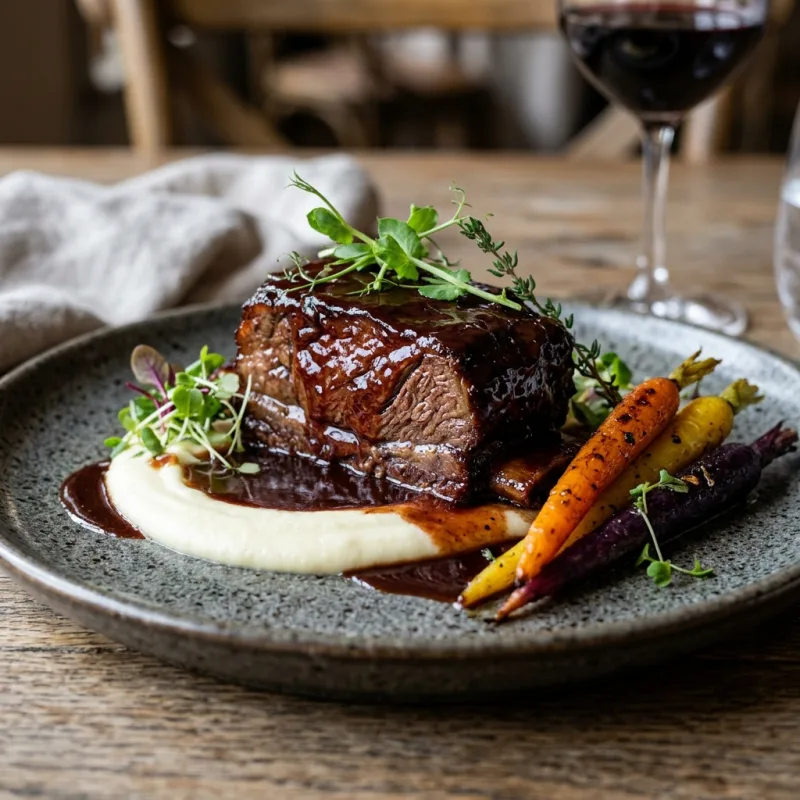
Braised Prime Beef Short Ribs in Cabernet Sauvignon Reduction - Tender, slow-cooked beef glazed in a concentrated reduction of local Napa Cabernet, served alongside buttery parsnip purée and glazed baby root vegetables.
Braised prime beef short ribs in Cabernet Sauvignon reduction over parsnip purée

Maya’s Final Checklist for Napa Valley

Logistics shouldn’t be the focus of your trip—the experience should. I’ve hand-vetted these essential partners to ensure your arrival, stay, and exploration are as smooth as an Athenian breeze.

Maya, the human travel expert at TravelingWiz, offering curated, non-AI expertise

Where to Stay

Compare accommodation options and choose a stay that suits your plans and budget.

Air Travel

Compare flight options and find a route that fits your plans.

Local Guides

Connect with local guides for personalized help planning and exploring.

Travel Protection

The “Engineer’s” rule: always have a backup. Secure your trip with a plan that covers every “what if” and unexpected change.

Car Rentals

Compare rental options and choose a car that suits your trip.

Visa Information

Don’t let paperwork slow you down. Get expert assistance with your application to ensure all your entry documents are in order.

FAQs

Yes, nearly all wineries in Napa Valley require advance reservations for tastings and estate tours due to local county permitting regulations and high visitor demand.
Visitors frequently hire private luxury car or van services, take the historic Napa Valley Wine Train, utilize rideshare applications such as Uber or Lyft in town centers, or join guided small-group tours.
Visiting two to three wineries per day is optimal. Experiences typically last 60 to 90 minutes each, and pacing allows adequate travel time and an unhurried lunch.
The standard dress code is wine country casual, which includes collared shirts, blouses, smart denim, dresses, and comfortable footwear. High-end Michelin-starred venues may require jackets.

Your Insights Matter

TravelingWiz grows through the stories of our community. If you’ve recently explored ,Napa Valley share your tips and stories to help us perfect our guides for the next traveler.

Where should we send your offline card?

We hate spam just as much as you do

newsletter_consent *