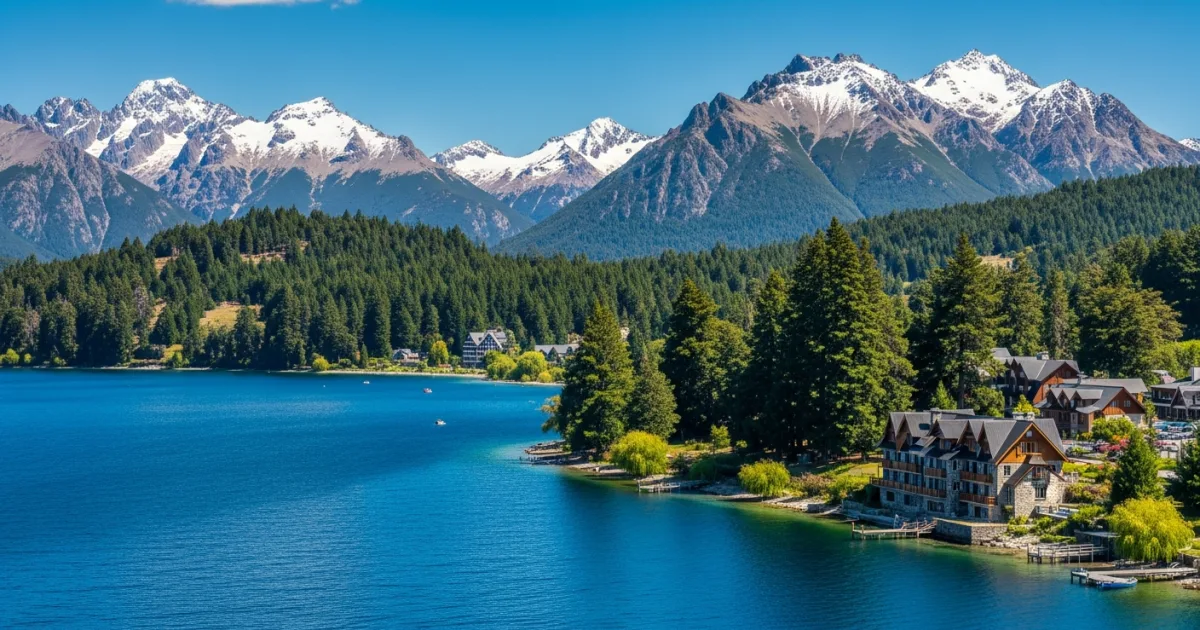
San Carlos de Bariloche is a destination that seamlessly merges the rugged beauty of Patagonia with the charm of a Swiss alpine village. Founded by European immigrants, the city's architecture features distinctive wood and stone buildings, most notably the Civic Center, which overlooks the massive Nahuel Huapi Lake. The lake itself is a glacial remnant, offering deep blue waters that contrast sharply with the surrounding evergreen forests and snow-capped peaks.
Adventure is woven into the fabric of Bariloche. In the winter, Cerro Catedral transforms into a bustling hub for skiers and snowboarders from around the globe. When the snow melts, the region reveals a vast network of trekking trails, ranging from leisurely walks through the Llao Llao Municipal Park to challenging multi-day hikes between mountain refuges. After a day of exploration, visitors can indulge in the city's famous culinary scene, hopping between artisanal chocolate shops on Calle Mitre and relaxing in one of the many local craft breweries that have put Bariloche on the map as Argentina's craft beer capital.
Reasons to Visit
- Stunning Landscapes: Unparalleled views of the Andes mountains and the pristine Nahuel Huapi Lake.
- Outdoor Adventure: World-class hiking, skiing, kayaking, and mountain biking.
- Chocolate Capital: Dozens of artisanal chocolate shops offering high-quality, locally made treats.
- Craft Beer Scene: A booming microbrewery culture with excellent local stouts, IPAs, and lagers.
- Alpine Architecture: Unique Swiss-style buildings that give the city a distinct, cozy atmosphere.
Things to Avoid
- Unregistered Taxis: Always use official taxis or ride-hailing apps like Cabify where available to avoid scams.
- Underestimating the Weather: Patagonian weather is notoriously unpredictable; never hike without proper layers and rain gear.
- Skipping Trail Registration: Always register your hike online with the National Park authority for safety.
- Paying in Foreign Currency Directly: Avoid paying directly in USD or EUR at shops; use a credit card for the MEP rate or exchange cash at a reputable 'cueva'.
Local Transportation Tips
The most cost-effective way to navigate Bariloche is via the local bus network (Mi Bus). You will need a SUBE card, which can be purchased and loaded at various kiosks around town. Buses run frequently to key spots like Cerro Catedral, Llao Llao, and the airport. For more flexibility, especially if you want to drive the Route of the Seven Lakes, renting a car is highly recommended. Taxis and remises (private hire cars) are also readily available and relatively inexpensive.
Travel Etiquette
- Greeting: A single kiss on the right cheek is the standard greeting among friends and acquaintances in Argentina.
- Tipping: A 10% tip is customary in restaurants and cafes if the service was good.
- Mate Culture: If offered 'mate' (a traditional herbal drink), it is a sign of friendship. Drink it through the metal straw (bombilla) without stirring it, and pass it back to the server.
- Punctuality: Social events often start later than scheduled; arriving 15-30 minutes late to a dinner party is considered normal.
Recommended Age Group
Bariloche offers a versatile environment that caters to travelers of all ages, from young families to active seniors.
- Babies (0-2 years): Recommended. The city center is walkable, and scenic drives like the Circuito Chico are easy to enjoy with an infant, though rugged trails are not stroller-friendly.
- Kids (3-12 years): Recommended. Children will love the chocolate shops, easy nature walks in Llao Llao park, and boat tours on the lake.
- Teens (13-19 years): Recommended. High-energy activities like skiing, mountain biking, and kayaking provide endless entertainment.
- Adults (20-64 years): Recommended. Perfect for challenging hikes, exploring the craft beer scene, and enjoying romantic alpine retreats.
- Seniors (65+ years): Recommended. The destination offers accessible boat cruises, scenic cable car rides (like Cerro Campanario), and excellent dining options without requiring strenuous physical activity.
Accessibility Level: Medium
- City Center: The main civic center and Calle Mitre are relatively flat and paved, making them accessible for wheelchair users, though some side streets can be steep.
- Attractions: Many major viewpoints, such as Cerro Campanario, have chairlifts, but accessibility for mobility-impaired visitors can be limited; Cerro Otto's enclosed gondolas are a better option.
- Transport: Accessible public transport is limited; hiring a private remise or renting a car is the best way to ensure comfortable travel.
- Accommodation: High-end hotels and modern lodges generally offer accessible rooms, but it is crucial to confirm specific barrier-free features in advance.
Did You Know?
Bariloche was a major refuge for German and Austrian immigrants after World War II, which heavily influenced its alpine architecture and culinary traditions, including its famous chocolate and fondue. Additionally, the surrounding landscapes of Nahuel Huapi National Park are rumored to have inspired parts of Walt Disney's 'Bambi' after he visited the area in the 1940s.
Cool Statistics
- Lake Size: Nahuel Huapi Lake covers an area of 530 square kilometers (200 sq mi).
- Ski Resort: Cerro Catedral offers over 120 kilometers of ski runs, making it the largest ski resort in the Southern Hemisphere.
- Chocolate Production: Bariloche produces thousands of tons of artisanal chocolate every year.
- National Park: Nahuel Huapi National Park, established in 1934, is the oldest national park in Argentina.






Buy a compatible power adapter for your trip