Disclosure: This site contains affiliate links. We may earn a commission if you make a purchase, at no extra cost to you.

>
>
>
Rio Negro Province

Rio Negro Province

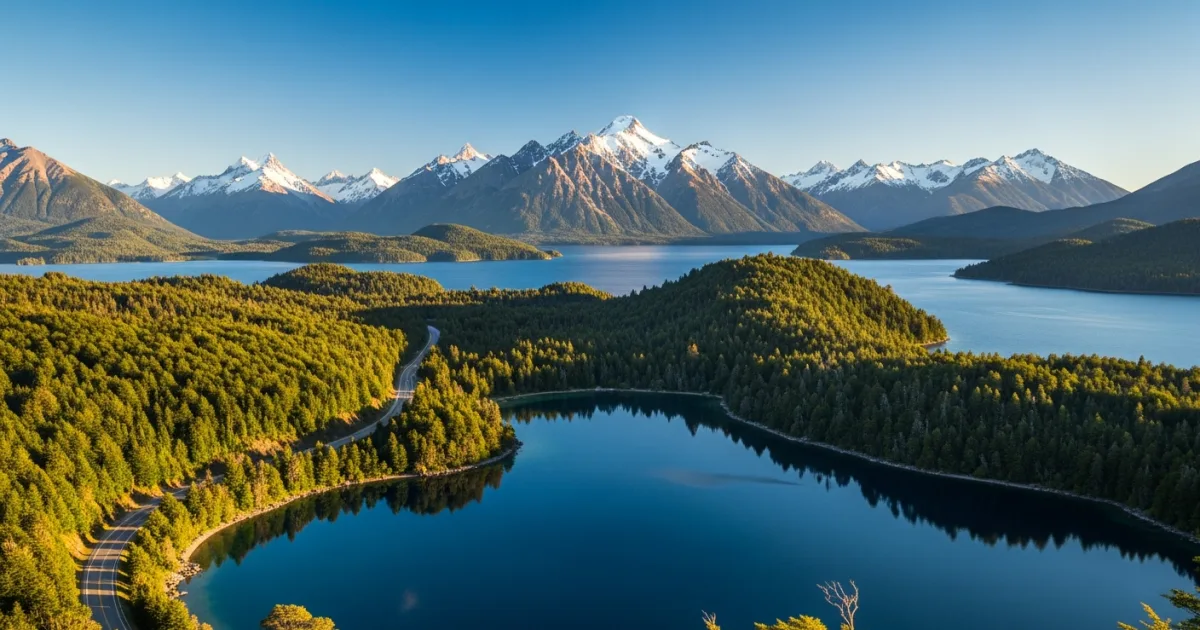
Scenic view of Lake Nahuel Huapi and the Andes mountains in Rio Negro Province, Argentina

Rio Negro Province Overview & Key Highlights

Rio Negro Province is a diverse region in northern Patagonia, Argentina, stretching from the Andes mountains to the Atlantic Ocean. The province is most famous for San Carlos de Bariloche, a premier destination for skiing, hiking, and chocolate tasting within the Nahuel Huapi National Park. Visitors can explore a dramatic transition of landscapes, moving from deep alpine lakes and ancient forests in the west to the arid Patagonian steppe and coastal beaches like Las Grutas in the east. Traveling through Rio Negro offers a blend of high-adrenaline outdoor activities and serene natural retreats. The region caters to all types of adventurers with its extensive network of trekking trails, scenic driving routes like the Route of the Seven Lakes, and world-class trout fishing rivers. Local culinary traditions heavily feature Patagonian lamb, smoked meats, and craft beer, providing a rich gastronomic experience after a day of exploring the rugged wilderness.

Rio Negro Province Travel Guide: Logistics & In-Depth Tips

Rio Negro Province is a vast and geographically diverse territory in Argentina's Patagonia region. It is bordered by the Colorado River to the north and the 42nd parallel south to the south. The province is uniquely positioned to offer a complete cross-section of Patagonian environments. In the west, the Andes mountains create a dramatic landscape of snow-capped peaks, deep glacial lakes, and dense temperate rainforests. This area is anchored by San Carlos de Bariloche, a city famous for its Swiss-alpine architecture, booming chocolate industry, and access to the Nahuel Huapi National Park. Moving eastward, the landscape flattens into the vast, windswept Patagonian steppe, characterized by scrubland and massive sheep estancias. Finally, the province meets the Atlantic Ocean, where coastal towns like Las Grutas boast some of the warmest waters in Argentina due to unique tidal patterns.

Reasons to Visit

  • World-Class Skiing: Cerro Catedral in Bariloche is one of the largest and most developed ski resorts in South America.
  • Stunning Landscapes: The Nahuel Huapi National Park offers breathtaking views of lakes, mountains, and forests.
  • Gastronomy: Renowned for its artisanal chocolate, craft breweries, and traditional Patagonian lamb.
  • Outdoor Adventures: Endless opportunities for trekking, kayaking, fly-fishing, and mountain biking.
  • Coastal Escapes: Las Grutas offers unique cliffside beaches and warm Atlantic waters.

Things to Avoid

  • Unregistered Trekking: Never hike in the national parks without registering online first; weather can change rapidly.
  • Exchanging Money on the Street: Avoid unauthorized street money changers ('arbolitos') to prevent receiving counterfeit bills; use official exchange houses or credit cards.
  • Underestimating Distances: Patagonia is massive. Do not plan to drive from the Andes to the coast in a single short day without preparing for a long, desolate journey.
  • Ignoring Wind Warnings: The Patagonian wind can be fierce and dangerous, especially when driving high-profile vehicles or kayaking.

Local Transportation Tips

Transportation within Rio Negro Province relies heavily on long-distance buses, which are comfortable, reliable, and offer 'cama' (sleeper) seats for overnight journeys. For exploring the Andean region, renting a car provides the most flexibility, though winter driving requires experience with snow and ice. Domestic flights connect Bariloche (BRC) and Viedma (VDM) to Buenos Aires and other major Argentine cities. In Bariloche, a local bus system (SUBE card required) connects the city center to major trailheads and attractions like Cerro Catedral and Llao Llao.

Travel Etiquette

  • Mate Culture: If offered mate (a traditional herbal tea), it is a sign of friendship. Drink it through the metal straw (bombilla) without stirring it, and say 'gracias' only when you don't want any more.
  • Greeting: Argentines typically greet each other with a single kiss on the right cheek, even among new acquaintances.
  • Tipping: A 10% tip is standard in restaurants and cafes. It is usually left in cash, even if paying the bill with a card.
  • Punctuality: Social events often start later than scheduled. Arriving 15-30 minutes late to a dinner party is considered normal.

Recommended Age Group

Rio Negro Province offers diverse attractions suitable for various age groups, though the rugged nature of Patagonia requires some consideration.

  • Babies (0-2 years): Neutral. While towns like Bariloche have good infrastructure, the long travel distances and high-altitude, cold-weather environments can be challenging for infants.
  • Kids (3-12 years): Recommended. Children will love the chocolate shops in Bariloche, easy nature walks, boat tours on the lakes, and beach days in Las Grutas.
  • Teens (13-19 years): Recommended. Ideal for adventurous teens interested in skiing, snowboarding, mountain biking, and whitewater rafting.
  • Adults (20-64 years): Recommended. Perfect for adults seeking outdoor adventures, scenic road trips, craft beer tasting, and challenging mountain treks.
  • Seniors (65+ years): Recommended. Seniors can enjoy scenic drives, comfortable boat cruises, accessible viewpoints, and high-end lodges, though steep streets in some towns require mobility.

Accessibility Level: Medium

  • Major tourist hubs like Bariloche are making strides in accessibility, with ramps and accessible restrooms in newer establishments.
  • Many boat tours on Lake Nahuel Huapi are wheelchair accessible.
  • The rugged terrain of the national parks means most hiking trails are not accessible for wheelchair users.
  • Public transportation buses often lack reliable wheelchair lifts; private accessible transfers should be booked in advance.

Did You Know?

Rio Negro is home to the Old Patagonian Express, famously known as 'La Trochita'. This narrow-gauge railway, which gained international fame through Paul Theroux's book, still operates tourist runs in the region, offering a nostalgic journey through the stark Patagonian steppe on original 1922 steam locomotives.

Cool Statistics

  • Highest Peak: Mount Tronador stands at 3,491 meters (11,453 feet) on the border with Chile.
  • Coastline: The province features over 400 kilometers of Atlantic coastline.
  • Chocolate Capital: Bariloche produces thousands of tons of artisanal chocolate annually, earning it the title of Argentina's Capital of Chocolate.
  • National Park: Nahuel Huapi, established in 1934, is the oldest national park in Argentina.

Address:

Rio Negro Province, Argentina

Find Nearby Accommodations

Basic Info

address icon

COUNTRY & Region

Argentina,
South/Latin America, South America

ACCESSIBILITY LEVEL​

Medium
Currency icon

LOCAL CURRENCY​

Argentine Peso (ARS)
Price level icon
Medium
Safety Level icon

SAFETY LEVEL

Duration icon

Recommended Duration

• 1-7 days
• More than a week

Electricity

electricity icon

Electricity

220-240V, 
50Hz
Plug Socket icon

Plug Type

• Type C (Round pin)
• Type I (Two flat pins in V-shape, grounding pin)
Plug types
Click To View Plug Types
Rio Negro Province is part of our
Off-Grid Glamping collection

Things To Do In Rio Negro Province

Total: 2

Activities To Do In Rio Negro Province

Best Time To Visit Rio Negro Province

The best time to visit depends entirely on your planned activities.

  • Summer (December to February): Ideal for hiking, lake activities, and visiting the coastal beaches of Las Grutas.
  • Autumn (March to May): Offers spectacular fall foliage in the Andean forests and fewer crowds.
  • Winter (June to August): Peak season for skiing and snowboarding in Bariloche (Cerro Catedral).
  • Spring (September to November): Great for fishing, whitewater rafting, and enjoying blooming wildflowers.

Average Temperatures Per Month

Remember to check the weather forecast a few days before the trip and before heading to the airport.

Safety Level icon

Safety Level

Rio Negro is generally very safe for tourists. In cities like Bariloche, watch out for pickpockets in crowded areas or bus stations. When hiking in Nahuel Huapi National Park, always register your trek online beforehand, check weather conditions, and never hike alone on remote trails. Driving in winter requires snow chains and caution due to black ice.

The rating is based on multi-year peace, crime, and security indices. Before you go, always verify current conditions through official government travel advisories.

Emergency Numbers

Police: 911
Ambulance: 107

No internet needed • Includes local translations • Free for TravelingWiz readers

Spoken Languages

Spanish is the official and primary language. English is commonly spoken in tourist hubs like Bariloche, hotels, and tour agencies, but less so in rural areas.

Learn The Language

  • Hola – Hello
  • Gracias – Thank you
  • Por favor – Please
  • ¿Cuánto cuesta? – How much does it cost?
  • La cuenta, por favor – The bill, please
  • ¿Dónde está el baño? – Where is the bathroom?
  • Una cerveza, por favor – A beer, please
  • Ayuda – Help
Travel Booking Partner - TravelingWiz

Trip Cost & Budgeting for Rio Negro Province, 2026

Everything you need to know about money while traveling
Is Rio Negro Province expensive for tourists in 2026? While Patagonian destinations like Bariloche are priced higher than northern Argentina, costs remain moderate for international visitors. With our Human Verified prices, expect to pay around 5,500 ARS for a cappuccino, 7,500 ARS for a domestic beer, and 30,000 ARS for a mid-range restaurant meal. Accommodation and transportation add to daily costs, making budgeting essential. Use the data table below to calculate your specific daily budget based on your travel style.
Currency icon

LOCAL CURRENCY​:

Argentine Peso (ARS)
Price level icon
Medium
Credit cards using foreign MEP exchange rates are widely accepted, but cash is needed for small vendors and transit.

Per person, per day – pocket cash for small purchases.

Local: 15000
Argentine Peso (ARS)
≈ 10 USD

Full daily spend estimation (accommodation, food, transportation, attractions).

Travel Style
Argentine Peso (ARS)
≈ USD ($)
Budget
82500
55
Mid-range
150000
101
Comfort
330000
222

The Prices, Daily costs, and calculator results are estimates for planning purposes only. Actual costs may vary based on season, booking timing, personal spending habits, and currency fluctuations. TravelingWiz cannot be held responsible for discrepancies between these estimates and your final trip expenses.

  • • Pay with foreign credit cards to automatically receive the favorable MEP exchange rate on transactions.
  • • Use a SUBE card for public buses connecting downtown Bariloche to scenic trailheads instead of expensive taxis.
  • • Buy picnic supplies at local supermarkets like La Anónima rather than dining at peak-price mountain refugios.
  • • Visit during shoulder seasons like April or October to secure discounted lodging rates before peak ski and summer rushes.

Pre-Order Tickets

Avoid disappointment when tickets sell out — and skip the long lines by booking online in advance. You’ll often save up to 20% too.
Save up to 20%

Travel Discounts & Coupons

Save on hotels, attractions, transport, and gear — find verified discounts for smarter travel spending.
Verified Coupons

What To Pack

  • Layered clothing for rapidly changing Patagonian weather.
  • Sturdy, waterproof hiking boots for mountain trails.
  • High-SPF sunscreen and sunglasses, as the sun is intense at high altitudes.
  • Windproof and waterproof jacket (Gore-Tex recommended).
  • Swimwear if visiting Las Grutas or hot springs.
  • Universal power adapter for Type C and Type I outlets.
We couldn't find tips for Rio Negro Province.
If you got any, please share

Recommended Itineraries for Traveling to Rio Negro Province

We couldn't find itineraries for Rio Negro Province.
you can contact us for custom trip plan

Food & Drink Highlights

Local Food Overview

The gastronomy of Rio Negro is a tale of two regions. In the Andean west, European alpine influences dominate with artisanal chocolates, craft beers, wild boar, trout, and fondue. In the steppe and eastern coast, traditional Argentine asado (barbecue), particularly Patagonian lamb, and fresh Atlantic seafood take center stage.
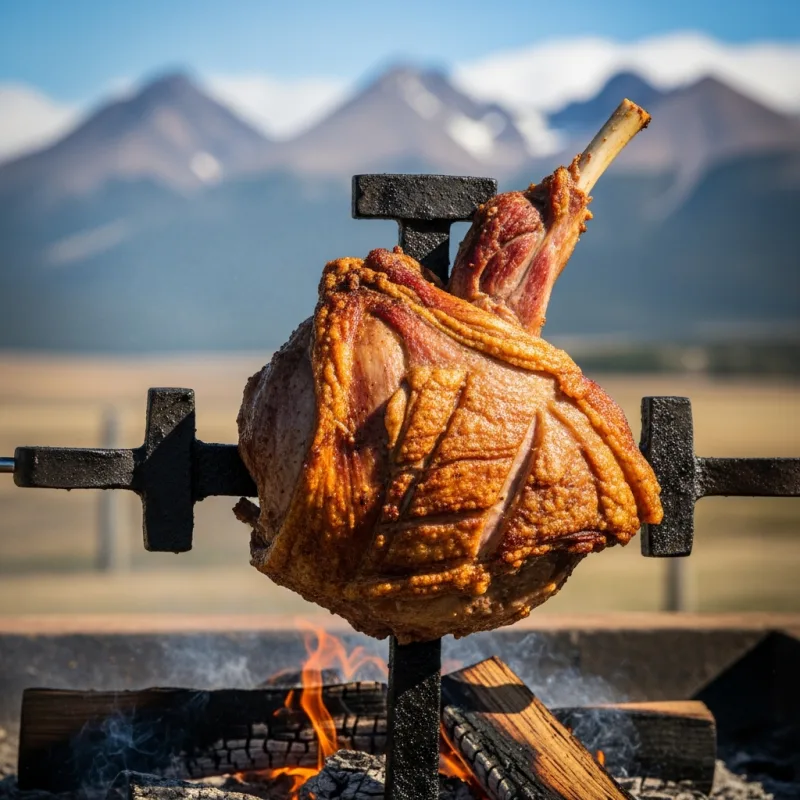
Cordero Patagónico roasting on an open fire in Argentina

Must Try Dish

Cordero Patagónico (Patagonian Lamb). Slow-roasted over an open fire on a traditional cross-shaped spit, this tender lamb features a crispy exterior and rich, smoky flavor. It is typically seasoned simply with garlic, salt, and local herbs to highlight the natural taste of the meat.
Food Experiences Title Icon

Food
Experiences

Discover cooking classes, tastings and local food tours

No food experience found
Maya, the human travel expert at TravelingWiz, offering curated, non-AI expertise

Maya’s Final Checklist for Rio Negro Province

Logistics shouldn’t be the focus of your trip—the experience should. I’ve hand-vetted these essential partners to ensure your arrival, stay, and exploration are as smooth as an Athenian breeze.

Where to Stay

From boutique hotels to local apartments—compare thousands of options and find the perfect stay in the best neighborhood.

Air Travel

Getting there should be seamless. Compare the best routes and prices across top airlines to start your journey on the right note.

Local Guides

Connect with experts who know the destination best. Get personalized advice and insider tips to help you plan your perfect trip.

Travel Protection

The “Engineer’s” rule: always have a backup. Secure your trip with a plan that covers every “what if” and unexpected change.

Car Rentals

Explore at your own pace with total freedom. Compare reliable rental options and find the right vehicle for your adventure.

Visa Services

Don’t let paperwork slow you down. Get expert assistance with your application to ensure all your entry documents are in order.

FAQs

While not strictly necessary due to good bus networks, renting a car is highly recommended for exploring the Route of the Seven Lakes and remote areas at your own pace.
Tap water is generally safe to drink in major cities like Bariloche and Viedma. However, in rural areas or if you have a sensitive stomach, bottled water is recommended.
The ‘blue dollar’ is the unofficial exchange rate in Argentina, which often offers significantly more pesos per USD than the official bank rate. Foreign credit cards currently use the MEP rate, which is close to the blue rate.

Your Insights Matter

TravelingWiz grows through the stories of our community. If you’ve recently explored ,Rio Negro Province share your tips and stories to help us perfect our guides for the next traveler.

Related Articles

Check out our related articles and blog posts to learn even more about the destination.

No related articles found

Don’t Travel Alone

Share with your friends and family

Where should we send your offline card?

We hate spam just as much as you do

newsletter_consent *