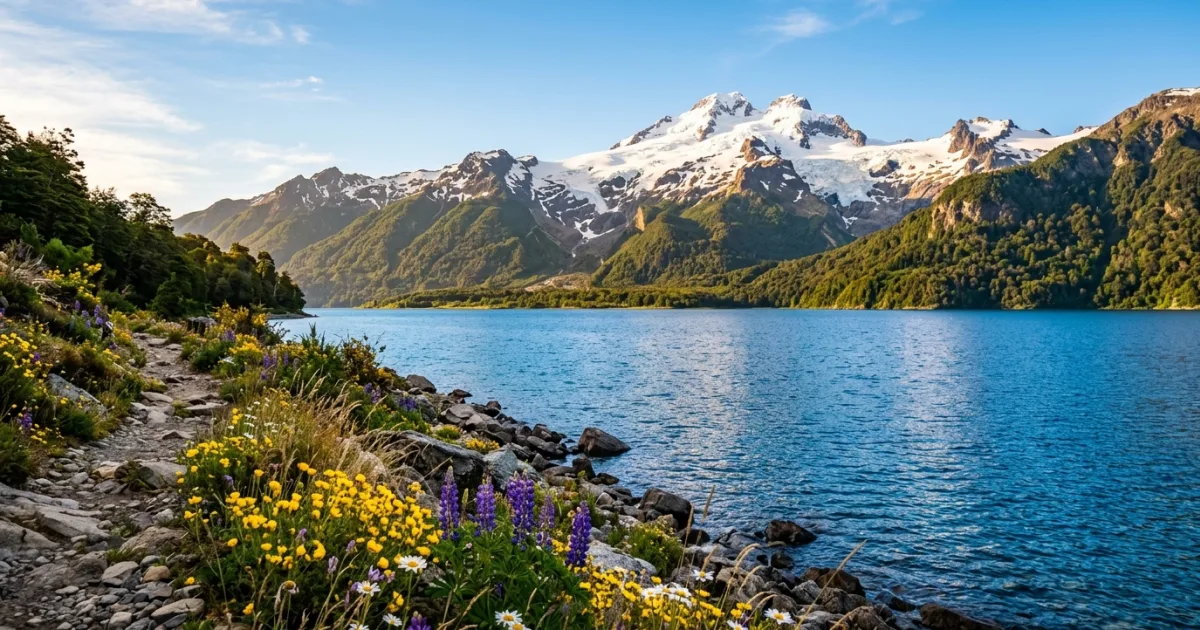
Nahuel Huapi National Park is a crown jewel of the Argentine Patagonia, covering an astounding 7,050 square kilometers. The park's geography is incredibly diverse, transitioning from the high Andean peaks in the west, through dense Valdivian temperate rainforests, to the arid Patagonian steppe in the east. This ecological variety supports a rich array of wildlife, including the elusive puma, the Andean condor, and the endangered huemul (South Andean deer).
The park's origins trace back to 1903 when prominent explorer and academic Francisco 'Perito' Moreno donated a large tract of land to the Argentine state, specifically to be preserved as a public park. Today, it remains a sanctuary of natural beauty, centered around the sprawling, fjord-like Lake Nahuel Huapi. Whether you are navigating the scenic Route of the Seven Lakes, marveling at the black glaciers of Mount Tronador, or simply enjoying artisanal chocolate in the gateway city of Bariloche, the park offers a profound connection to the wild.
Reasons to Visit
- Mount Tronador: The highest peak in the park, famous for its thundering glaciers and the unique Ventisquero Negro (Black Glacier).
- Route of the Seven Lakes: One of South America's most scenic drives, connecting Villa La Angostura to San Martín de los Andes.
- World-Class Trekking: An extensive network of trails connects various mountain huts (refugios), offering spectacular multi-day hiking opportunities like the Nahuel Huapi Traverse.
- Arrayanes Forest: A unique, protected forest of rare, cinnamon-colored arrayán trees located on the Quetrihué Peninsula.
- Water Sports: Kayaking, sailing, and world-renowned fly-fishing on the pristine waters of Lake Nahuel Huapi and surrounding rivers.
Things to Avoid
- Hiking Unregistered: Never start a trek without filling out the mandatory, free online trekking registry; it is crucial for search and rescue operations.
- Underestimating the Weather: Patagonian winds can be fierce, and temperatures can drop rapidly even in summer. Never hike without warm, waterproof layers.
- Lighting Campfires: Wildfires are a severe threat. Fires are strictly prohibited outside of explicitly designated and equipped camping areas.
- Drinking Untreated Water: While streams look pristine, always filter or purify water to avoid gastrointestinal issues.
- Feeding Wildlife: Keep a respectful distance from all animals and store food securely to prevent attracting rodents, which can carry hantavirus.
Local Transportation Tips
Getting around Nahuel Huapi National Park requires some planning. Renting a car is the most convenient option for exploring the Route of the Seven Lakes and accessing remote trailheads at your own pace. Be prepared for gravel roads (ripio) in many sectors. Alternatively, the local bus system (colectivos) operated by Mi Bus in Bariloche connects the city center to major trailheads like Llao Llao and Cerro Catedral. You will need a SUBE card to ride the buses. For lake exploration, numerous catamarans and private boat tours operate out of Puerto Pañuelo.
Travel Etiquette
- Leave No Trace: Pack out absolutely all trash, including biodegradable items like apple cores or toilet paper.
- Trail Right-of-Way: Hikers going uphill have the right of way. Step aside to let them pass.
- Refugio Rules: When staying in mountain huts, respect quiet hours, remove your boots at the entrance, and be mindful of limited resources like water and electricity.
- Respect the Silence: Avoid playing loud music on trails or at campsites to preserve the natural soundscape for wildlife and other visitors.
Recommended Age Group
Nahuel Huapi National Park offers diverse experiences that can be tailored to almost any age group, though the rugged terrain dictates the type of activities suitable for each.
- Babies (0-2 years): Neutral. While scenic drives and short, flat walks (like the Llao Llao municipal park area) are manageable, the unpredictable weather and lack of facilities on trails make deeper exploration difficult.
- Kids (3-12 years): Recommended. Children will love the boat rides, short nature trails, and the magical Arrayanes Forest. Many campsites are family-friendly.
- Teens (13-19 years): Recommended. Perfect for adventurous teens who can handle day hikes, kayaking, mountain biking, and winter skiing at Cerro Catedral.
- Adults (20-64 years): Recommended. The prime demographic for the park's challenging multi-day treks, mountaineering, and extensive outdoor sports.
- Seniors (65+ years): Recommended. Seniors can enjoy the breathtaking scenery via the Route of the Seven Lakes drive, accessible boat tours, and comfortable lodge stays, though strenuous hiking trails may be challenging.
Accessibility Level: Medium
- Viewpoints: Several major viewpoints (miradores) along the Route of the Seven Lakes and Circuito Chico are accessible by car and have flat, paved viewing areas.
- Boat Tours: Catamaran tours departing from Puerto Pañuelo to Victoria Island and the Arrayanes Forest generally offer ramp access and are suitable for visitors with limited mobility.
- Trails: The vast majority of hiking trails are rugged, steep, and not wheelchair accessible. However, there are a few short, boardwalk-style paths near visitor centers.
- Facilities: Accessible restrooms are available at the main park intendencia in Bariloche and at major tourist hubs, but are virtually non-existent in the backcountry.
Did You Know?
Local legend has it that Lake Nahuel Huapi is home to 'Nahuelito', a mythical aquatic creature similar to the Loch Ness Monster. Sightings have been reported since the early 20th century, describing a giant serpent-like animal breaking the surface of the deep, glacial waters. While no scientific evidence exists, the legend adds an air of mystery to boat tours across the lake.
Cool Statistics
- Size: The park covers 7,050 square kilometers (2,720 square miles), making it larger than the US state of Delaware.
- Establishment: Created in 1934, it is the oldest national park in Argentina.
- Lake Depth: Lake Nahuel Huapi reaches a staggering maximum depth of 464 meters (1,522 feet).
- Highest Peak: Mount Tronador stands at 3,491 meters (11,453 feet) above sea level.






Buy a compatible power adapter for your trip