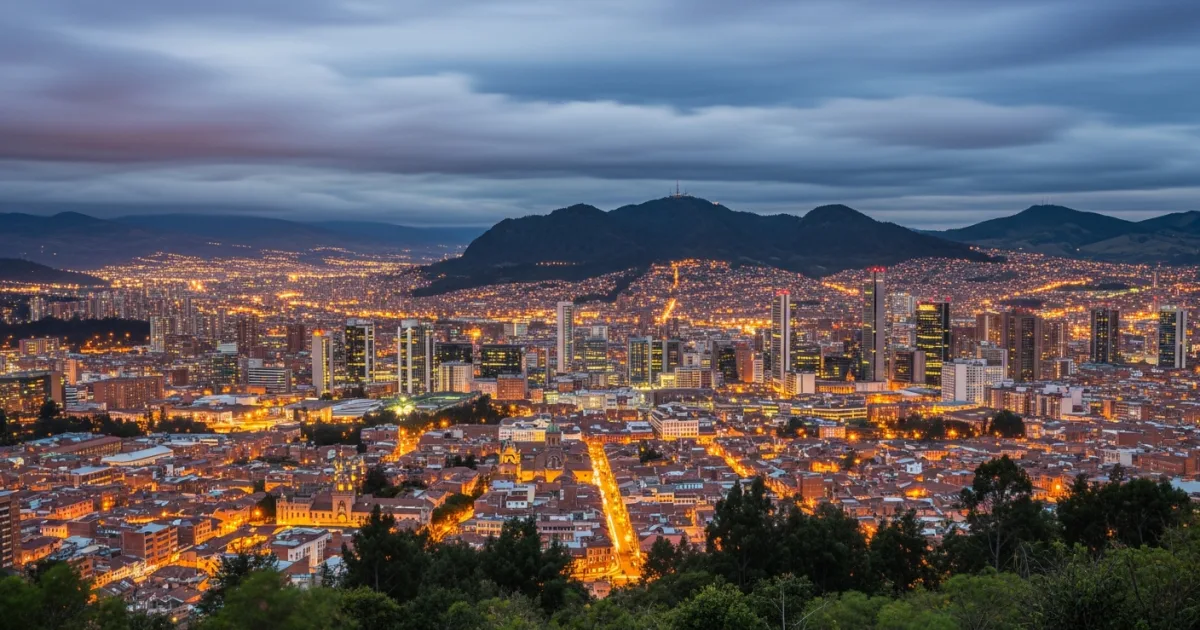
Bogota DC, the beating heart of Colombia, is a city of striking contrasts. Founded in 1538 by Spanish conquistador Gonzalo Jiménez de Quesada, the city has grown from a small colonial outpost into a sprawling metropolis of nearly 8 million people. Nestled on a high plateau in the Andes Mountains known as the Sabana de Bogotá, the city's geography heavily influences its culture, climate, and daily life. The historic center, La Candelaria, is a maze of narrow, steep streets lined with brightly painted colonial houses, historic churches, and government buildings surrounding the expansive Plaza de Bolívar.
Beyond its historical roots, modern Bogota is a dynamic hub of commerce, art, and gastronomy. Neighborhoods like Chapinero, Zona G, and Parque 93 showcase the city's cosmopolitan side, featuring world-class restaurants, chic boutiques, and a vibrant nightlife scene. The city is also renowned for its progressive urban policies, most notably the Ciclovía, a weekly event where over 120 kilometers of main roads are closed to motorized traffic, allowing cyclists, skaters, and pedestrians to reclaim the streets. Despite challenges with traffic and inequality, Bogota's resilient spirit, rich cultural institutions, and the warmth of its people make it a captivating destination for travelers.
Reasons to Visit
- Museo del Oro (Gold Museum): Home to an astonishing collection of over 55,000 pieces of pre-Hispanic gold and other materials, offering deep insights into indigenous cultures.
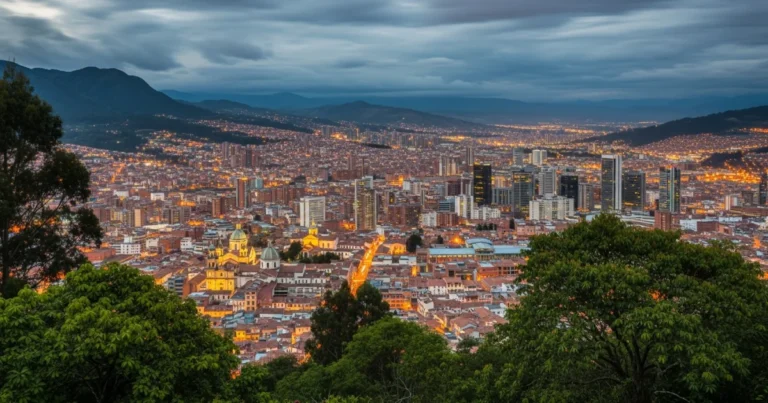
- Cerro de Monserrate: Take a cable car or funicular up this 3,152-meter mountain for breathtaking panoramic views of the sprawling city below.
- Vibrant Street Art: Bogota is globally recognized for its graffiti and street art; taking a guided tour reveals the political and social narratives behind the murals.
- Gastronomic Boom: From traditional markets like Paloquemao to high-end dining in Zona G, the city is a paradise for food lovers exploring Colombian flavors.
- La Candelaria: Wander through the historic heart of the city, filled with colonial architecture, museums, and bohemian cafes.
Things to Avoid
- Hailing Taxis on the Street: For safety reasons, always use a ride-hailing app or have your hotel/restaurant call a registered taxi for you.
- Walking Alone at Night: Especially in the historic center (La Candelaria) and downtown areas, which can empty out and become unsafe after dark.
- Flashing Valuables: Keep your smartphone, expensive cameras, and jewelry out of sight to avoid becoming a target for pickpockets or drive-by snatchers.
- Ignoring the Altitude: Don't overexert yourself on your first day; the 2,640-meter altitude can cause shortness of breath and fatigue.
- Assuming the Weather is Tropical: Bogota is cool and often rainy; do not pack only shorts and t-shirts expecting Caribbean weather.
Local Transportation Tips
Public transportation in Bogota is dominated by the TransMilenio, a massive Bus Rapid Transit (BRT) system that uses dedicated lanes to bypass the city's notorious traffic. While efficient and inexpensive, it can become extremely crowded during rush hours and requires vigilance against pickpockets. For more comfortable and secure point-to-point travel, ride-hailing apps like Uber, Cabify, and InDrive are widely used and highly recommended for tourists. Bogota is also incredibly bike-friendly, boasting an extensive network of dedicated bike lanes (ciclorrutas) that make cycling a viable option for exploring certain neighborhoods.
Travel Etiquette
- Greetings: Colombians are warm and polite. It is customary to greet friends and acquaintances with a single kiss on the right cheek (between women, and between men and women).
- Dress Code: Bogotanos tend to dress relatively formally and conservatively. Smart casual attire is the norm; wearing shorts or flip-flops in the city will immediately mark you as a tourist.
- Tipping: A 10% voluntary tip (propina voluntaria) is usually added to restaurant bills. It is polite to pay it unless the service was exceptionally poor.
- Punctuality: While business meetings generally start on time, social gatherings often operate on 'Colombian time,' meaning guests may arrive 30 minutes to an hour later than the stated time.
Recommended Age Group
Bogota offers a diverse range of activities, but its high altitude and urban intensity mean it caters differently to various age groups.
- Babies (0-2 years): Neutral. The high altitude can be difficult for infants to adjust to, and navigating crowded streets or public transport with a stroller can be challenging.
- Kids (3-12 years): Recommended. Children will enjoy interactive spaces like the Maloka Interactive Center, the expansive Simón Bolívar Park, and the engaging Gold Museum.
- Teens (13-19 years): Recommended. Teens will appreciate the vibrant street art tours, the active cycling culture, and the dynamic, youthful energy of the city's cultural scene.
- Adults (20-64 years): Recommended. Ideal for adults looking to explore deep history, world-class gastronomy, thriving nightlife, and the burgeoning digital nomad scene.
- Seniors (65+ years): Recommended. Seniors can enjoy the excellent museums, historical architecture, and culinary offerings, though they should be mindful of the high altitude and steep, uneven streets in older neighborhoods.
Accessibility Level: Medium
- Public Transport: The TransMilenio BRT system is generally wheelchair accessible, with ramps and elevated platforms at stations, though crowding can make boarding difficult.
- Historic Center: La Candelaria features narrow sidewalks, steep inclines, and uneven cobblestone streets, which can be challenging for wheelchair users or those with limited mobility.
- Museums: Major attractions like the Gold Museum and Botero Museum are well-equipped with ramps, elevators, and accessible restrooms.
- Monserrate: The funicular and cable car to Monserrate are accessible, allowing visitors with mobility issues to enjoy the panoramic views from the top.
Did You Know?
Did you know that Bogota's weekly 'Ciclovía' event, which started in 1974, was one of the first of its kind in the world? Every Sunday and public holiday, from 7:00 AM to 2:00 PM, the city closes over 120 kilometers of its main roads to cars, turning them over entirely to cyclists, runners, and pedestrians. This initiative has since inspired similar programs in cities across the globe.
Cool Statistics
- Altitude: 2,640 meters (8,660 feet) above sea level, making it the third-highest capital city in South America.
- Population: Approximately 8 million people in the metropolitan area.
- Gold Museum Artifacts: Houses over 55,000 pieces of gold and other materials from pre-Hispanic cultures.
- Ciclovía Length: Over 120 kilometers of roads closed to cars every Sunday.
- Parks: The city boasts over 5,000 public parks, including the massive Simón Bolívar Metropolitan Park, which is larger than New York's Central Park.








Buy a compatible power adapter for your trip