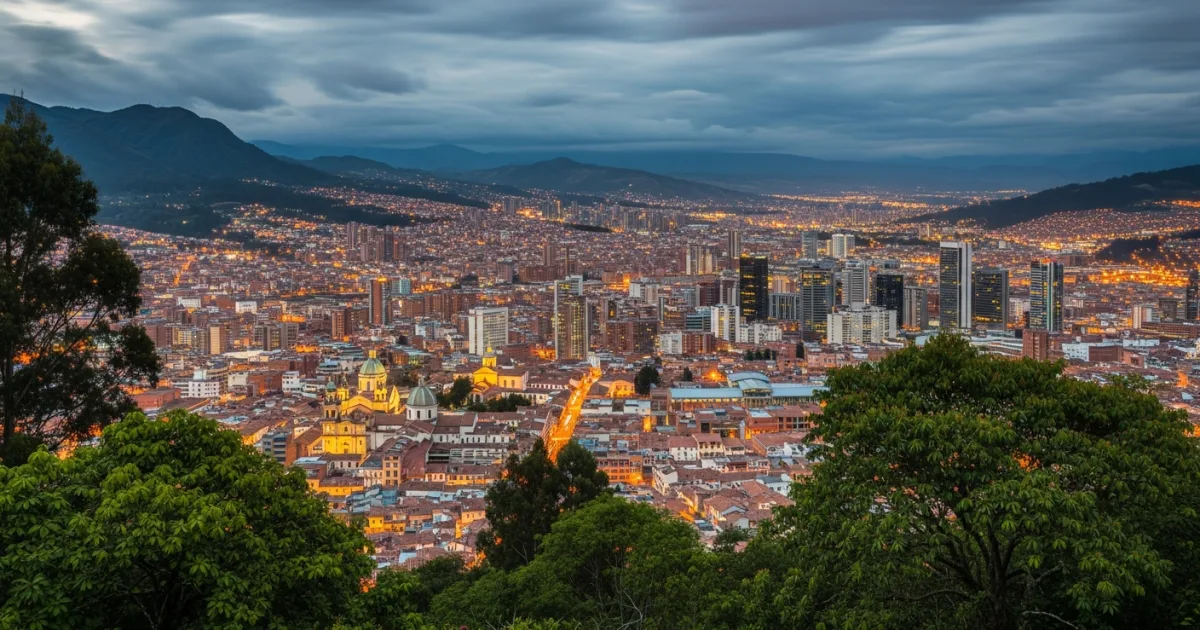
Bogota is a city of striking contrasts, where centuries-old history meets cutting-edge urban culture. The historic heart of the city, La Candelaria, is a maze of narrow, steep streets lined with brightly painted colonial houses, ornate churches, and significant cultural institutions like the Botero Museum. Just a few miles north, the neighborhoods of Chapinero, Zona G, and Zona T present a completely different face of the city, characterized by sleek high-rises, luxury boutiques, and some of the finest dining establishments in Latin America.
The city's geographical setting is equally dramatic, bordered to the east by the lush, green peaks of the Andes. The cerros orientales (eastern hills) not only provide a stunning backdrop but also serve as a natural compass for navigating the sprawling metropolis. Bogota's dynamic energy is palpable in its bustling markets, such as Paloquemao, where the incredible biodiversity of Colombia is on full display through an endless variety of exotic fruits and fresh flowers. Despite its traffic and gritty edges, Bogota rewards travelers who dive into its rich cultural tapestry, thriving nightlife, and welcoming local spirit.
Reasons to Visit
- Museo del Oro: Marvel at over 55,000 pieces of pre-Hispanic gold and other materials, offering profound insight into indigenous cultures.
- Monserrate: Take a cable car or funicular up to 3,152 meters for breathtaking, panoramic views of the entire city.
- Street Art: Explore one of the world's most prolific and legally supported graffiti scenes, particularly in La Candelaria and Teusaquillo.
- Gastronomy: Experience a culinary boom in Zona G, where traditional Colombian flavors meet modern, international culinary techniques.
- Ciclovía: Join locals every Sunday when over 100 kilometers of major roads are closed to cars and opened exclusively for cyclists, runners, and skaters.
Things to Avoid
- Avoid hailing yellow taxis directly from the street; always use a ride-hailing app or have a restaurant/hotel call one for you.
- Do not walk alone at night in the historic center (La Candelaria) or in poorly lit, unpopulated areas.
- Avoid flashing expensive jewelry, cameras, or smartphones in public spaces to minimize the risk of theft.
- Do not underestimate the altitude; avoid strenuous physical activity and heavy drinking on your first day.
- Avoid traveling during rush hour (7:00 AM - 9:00 AM and 5:00 PM - 7:00 PM) as traffic gridlock is severe.
Local Transportation Tips
Bogota's primary public transportation system is the TransMilenio, a vast network of articulated buses running in dedicated lanes. While efficient for bypassing traffic, it can be extremely crowded and confusing for first-time visitors, and pickpocketing is common. For a more comfortable and secure experience, ride-hailing applications such as Cabify, Uber, and Didi are widely used and relatively inexpensive. Traditional yellow taxis are abundant, but it is highly advised to order them through an app (like Taxis Libres) rather than hailing them on the street to ensure safety and fair pricing. Additionally, Bogota is incredibly bike-friendly, boasting over 500 kilometers of dedicated bike lanes (Ciclorrutas).
Travel Etiquette
- Always greet people with a polite 'Buenos días' (Good morning) or 'Buenas tardes' (Good afternoon) before asking a question or starting a transaction.
- When dining out, a 10% voluntary tip (propina voluntaria) is usually added to the bill; it is customary to accept it unless the service was exceptionally poor.
- Dress smartly but practically; Bogotanos tend to dress more formally than people in coastal Colombian cities, often wearing long pants and jackets.
- Avoid discussing the country's past conflicts or drug cartels, as locals are eager to move past these stereotypes and focus on Colombia's positive transformation.
Recommended Age Group
Bogota offers a diverse range of activities, but its high altitude and urban environment make it better suited for certain age groups.
- Babies (0-2 years): Neutral. The high altitude can be difficult for infants to adjust to, and the uneven sidewalks and lack of ramps in historic areas make navigating with a stroller challenging.
- Kids (3-12 years): Recommended. Children will enjoy interactive spaces like the Maloka Interactive Center, the expansive Simon Bolivar Park, and the engaging Gold Museum.
- Teens (13-19 years): Recommended. Teens will appreciate the vibrant street art, the bustling Sunday Ciclovía, and the dynamic, youthful energy of the city's cultural scene.
- Adults (20-64 years): Recommended. Perfect for adults looking to explore world-class gastronomy, rich history, thriving nightlife, and excellent coffee culture.
- Seniors (65+ years): Neutral. While the museums and culinary scenes are highly accessible and enjoyable, the high altitude and steep, cobblestone streets of La Candelaria may pose physical challenges for some seniors.
Accessibility Level: Medium
- The TransMilenio bus system is generally wheelchair accessible, with ramps and elevated platforms at most stations.
- Major museums, such as the Museo del Oro and the Botero Museum, offer elevators, ramps, and accessible restrooms.
- Sidewalks in modern neighborhoods like Chapinero and Chico are relatively flat and well-maintained, but historic areas like La Candelaria feature steep inclines, narrow paths, and uneven cobblestones that can be difficult to navigate.
- The cable car to Monserrate is accessible, allowing visitors with mobility challenges to enjoy the panoramic views of the city.
Did You Know?
Bogota is home to the largest network of bicycle paths in Latin America. The city pioneered the concept of 'Ciclovía' in 1974, a weekly event where major avenues are shut down to motorized traffic every Sunday and public holiday, allowing over a million residents to take to the streets on bicycles, rollerblades, and on foot.
Cool Statistics
- Altitude: 2,640 meters (8,660 feet) above sea level, making it the third-highest capital in South America.
- Population: Over 8 million residents in the metropolitan area.
- Bike Lanes: More than 500 kilometers (310 miles) of dedicated Ciclorrutas.
- Museums: Home to over 60 museums and art galleries.
- Parks: Contains over 5,000 public parks, including the massive Simon Bolivar Metropolitan Park, which is larger than New York's Central Park.






Buy a compatible power adapter for your trip