Disclosure: This site contains affiliate links. We may earn a commission if you make a purchase, at no extra cost to you.

>
>
>
>
Cotopaxi National Park

Cotopaxi National Park

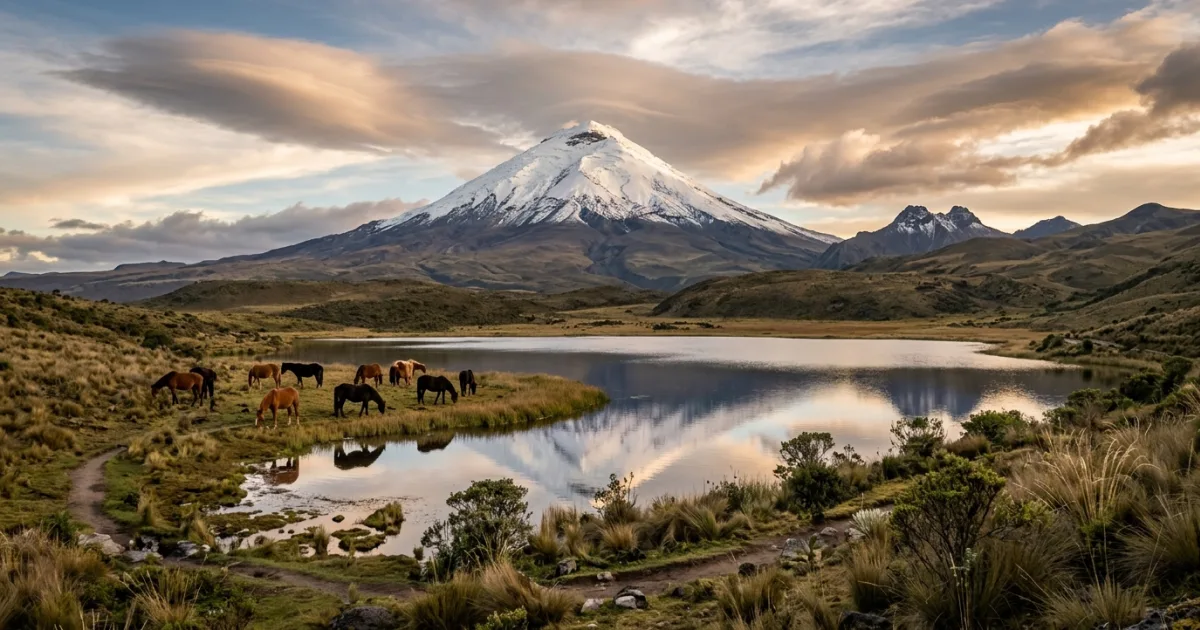
Snow-capped Cotopaxi volcano towering over the Andean paramo and Limpiopungo Lagoon

Cotopaxi National Park Overview & Key Highlights

Cotopaxi National Park is a stunning high-altitude ecological reserve located in the Andes Mountains of Ecuador, famous for its centerpiece, the snow-capped Cotopaxi stratovolcano. Covering over 33,000 hectares, the park offers visitors a dramatic landscape of paramo (Andean tundra), glacial lakes, and rugged volcanic terrain. It serves as a vital sanctuary for diverse wildlife, including Andean condors, wild horses, llamas, and the elusive Andean fox. Travelers flock to this majestic destination for world-class trekking, mountaineering, and mountain biking opportunities. The high altitude requires proper acclimatization, as the park's elevation ranges from 3,000 meters to the volcano's peak at 5,897 meters. Whether you are aiming to summit the active volcano, hike around the picturesque Limpiopungo Lagoon, or simply take in the breathtaking panoramic views, Cotopaxi National Park delivers an unforgettable Andean adventure.

Cotopaxi National Park Travel Guide: Logistics & In-Depth Tips

Cotopaxi National Park is one of Ecuador's most iconic natural reserves, drawing adventurers and nature enthusiasts from around the globe. The park's centerpiece is the Cotopaxi volcano, one of the highest active volcanoes in the world, renowned for its near-perfect conical shape and glistening glacial peak. The surrounding landscape is a vast expanse of paramo, a unique high-altitude ecosystem characterized by hardy grasses, low-lying shrubs, and a stark, windswept beauty.

Beyond the volcano itself, the park offers a wealth of ecological wonders. The Limpiopungo Lagoon, situated at the foot of the volcano, is a haven for birdwatchers, hosting species such as the Andean gull, hummingbirds, and occasionally the majestic Andean condor. Visitors can explore the park via a network of hiking trails, mountain biking routes, or even on horseback, guided by local 'chagras' (Andean cowboys). Whether you are seeking the physical challenge of a high-altitude ascent or the serene beauty of an untouched Andean landscape, Cotopaxi provides an awe-inspiring backdrop.

Reasons to Visit

  • Witness one of the world's highest and most perfectly shaped active volcanoes.
  • Experience the unique flora and fauna of the Andean paramo ecosystem.
  • Engage in world-class mountaineering, hiking, and mountain biking.
  • Photograph stunning landscapes, including the reflective Limpiopungo Lagoon.
  • Immerse yourself in the culture of the local chagras (Andean cowboys).

Things to Avoid

  • Do not underestimate the altitude; avoid strenuous activity on your first day if you haven't acclimatized.
  • Avoid hiking off designated trails to protect the fragile paramo ecosystem and avoid getting lost in sudden fog.
  • Do not attempt to climb past the Jose Ribas Refuge without proper ice gear and a certified guide.
  • Avoid relying solely on credit cards, as cash is necessary for many local transactions.

Local Transportation Tips

Getting to Cotopaxi National Park usually requires a private vehicle, a hired taxi, or joining an organized tour from Quito or Latacunga. Public buses traveling along the Pan-American Highway can drop you off at the park's turnoff, but from there, it is a long, uphill walk or a hitchhike to the actual entrance and interior attractions. Inside the park, roads are unpaved and can be rough; a 4x4 vehicle is highly recommended, especially during the wet season.

Travel Etiquette

  • Respect the fragile environment by staying on marked trails and packing out all trash.
  • Ask for permission before photographing local indigenous people or chagras.
  • Keep a respectful distance from wildlife, including the wild horses and foxes.
  • Follow all instructions from park rangers and certified mountain guides.

Recommended Age Group

Cotopaxi National Park offers incredible scenery, but its high altitude and rugged terrain require careful consideration for different age groups.

  • Babies (0-2 years): Not Recommended. The extreme altitude, harsh winds, and cold temperatures pose significant health risks for infants.
  • Kids (3-12 years): Neutral. Older children can enjoy the lower areas like Limpiopungo Lagoon, but the altitude can still cause discomfort. Strenuous hiking is not advised.
  • Teens (13-19 years): Recommended. Active teens will love the adventure, mountain biking, and hiking opportunities, provided they are properly acclimatized.
  • Adults (20-64 years): Recommended. Ideal for adults seeking outdoor adventure, trekking, and mountaineering challenges.
  • Seniors (65+ years): Neutral. Scenic drives and short, flat walks are possible, but the high altitude can exacerbate underlying health conditions. Consultation with a doctor prior to visiting is advised.

Accessibility Level: Medium

  • Accessibility in Cotopaxi National Park is limited due to its rugged, natural terrain.
  • The visitor center (Centro de Interpretación) has some flat areas, but trails are generally unpaved, rocky, and uneven.
  • Wheelchair users can enjoy the spectacular views from a vehicle, as the main dirt road passes through the park's most scenic areas.
  • Accessible restrooms are scarce; it is best to use facilities at the park entrance or major lodges.

Did You Know?

Cotopaxi is one of the few glaciers in the world located along the equator. Despite its equatorial location, the volcano's immense height allows it to maintain a permanent ice cap, which begins at an elevation of around 5,000 meters.

Cool Statistics

  • Elevation of Cotopaxi summit: 5,897 meters (19,347 feet).
  • Park area: 33,393 hectares (82,515 acres).
  • Year established: 1975.
  • Distance from Quito: Approximately 50 kilometers (31 miles) south.

Address:

Cotopaxi National Park, Ecuador

Find Nearby Accommodations

Basic Info

address icon

COUNTRY & Region

Ecuador,
South America

ACCESSIBILITY LEVEL​

Medium
Currency icon

LOCAL CURRENCY​

United States Dollar (USD)
Price level icon
Low
Safety Level icon

SAFETY LEVEL

Duration icon

Recommended Duration

• Full day
• 1-7 days

Electricity

electricity icon

Electricity

110-120V, 
60Hz
Plug Socket icon

Plug Type

• Type A (Flat blade)
• Type B (Flat blade with grounding pin)
Plug types
Click To View Plug Types
Cotopaxi National Park is part of our
Coolcation collection

Activities To Do In Cotopaxi National Park

Best Time To Visit Cotopaxi National Park

The best time to visit Cotopaxi National Park is during the dry season, which runs from June to September, and a shorter dry window in December and January.

  • June to September: Clearer skies and less precipitation, offering the best visibility of the volcano and optimal conditions for hiking and climbing.
  • December to January: Another relatively dry period, though temperatures can be quite cold, especially at night.
  • February to May: The wet season brings heavy cloud cover, rain, and snow at higher elevations, which can obscure views and make trails muddy and difficult.

Average Temperatures Per Month

Remember to check the weather forecast a few days before the trip and before heading to the airport.

Safety Level icon

Safety Level

Altitude sickness is the primary safety concern; spend a few days acclimatizing in Quito (2,850m) before visiting the park. Drink plenty of water and coca tea to help with the altitude. Weather can change rapidly, bringing freezing temperatures and dense fog, so never hike off-trail or without proper gear. If attempting to summit, it is legally required and practically essential to hire a certified mountain guide due to dangerous crevasses and glacial conditions.

The rating is based on multi-year peace, crime, and security indices. Before you go, always verify current conditions through official government travel advisories.

Emergency Numbers

Police: 911
Ambulance: 911

No internet needed • Includes local translations • Free for TravelingWiz readers

Spoken Languages

Spanish is the primary language. Indigenous communities in the surrounding areas may speak Kichwa. English is generally only spoken by professional tour guides and staff at higher-end lodges.

Learn The Language

  • Hola (Hello)
  • Gracias (Thank you)
  • ¿Cuánto cuesta? (How much does it cost?)
  • Agua (Water)
  • Por favor (Please)
  • Ayuda (Help)
  • Baño (Bathroom)
  • Montaña (Mountain)
Travel Booking Partner - TravelingWiz

Trip Cost & Budgeting for Cotopaxi National Park, 2026

Everything you need to know about money while traveling
Is Cotopaxi National Park expensive for tourists in 2026? No, Cotopaxi National Park is very affordable for travelers. Expect to pay around $2.00 for a cup of coffee, $2.50 for a local beer, and $10.00 for a meal at a mid-range restaurant near the park. Based on our Human Verified prices, visiting the volcano fits comfortably within most budgets. Use the data table below to calculate your specific daily budget based on your travel style.
Currency icon

LOCAL CURRENCY​:

United States Dollar (USD)
Price level icon
Low
Major lodges accept credit cards, but cash is essential for local buses, taxis, park guides, and small vendors.

Per person, per day – pocket cash for small purchases.

Local: 8
United States Dollar (USD)
≈ 8 USD

Full daily spend estimation (accommodation, food, transportation, attractions).

Travel Style
United States Dollar (USD)
≈ USD ($)
Budget
40
40
Mid-range
75
75
Comfort
165
165

The Prices, Daily costs, and calculator results are estimates for planning purposes only. Actual costs may vary based on season, booking timing, personal spending habits, and currency fluctuations. TravelingWiz cannot be held responsible for discrepancies between these estimates and your final trip expenses.

  • • Take a public bus from Quito to the park entrance or Latacunga for just $2 to $3 instead of paying for expensive private transfers.
  • • Eat a traditional set lunch (almuerzo) in nearby Machachi or Lasso for $3 to $5, which includes soup, main dish, and juice.
  • • Stay in eco-lodges or hostels near the park that offer group transport and bundled meals to split adventure costs.
  • • Cotopaxi National Park has free entry, so budget primarily for shared guide fees and internal transportation.

Pre-Order Tickets

Avoid disappointment when tickets sell out — and skip the long lines by booking online in advance. You’ll often save up to 20% too.
Save up to 20%

Travel Discounts & Coupons

Save on hotels, attractions, transport, and gear — find verified discounts for smarter travel spending.
Verified Coupons

What To Pack

  • Warm, moisture-wicking base layers and a heavy fleece or down jacket.
  • Windproof and waterproof outer shell jacket and pants.
  • Sturdy, broken-in waterproof hiking boots with good ankle support.
  • High-SPF sunscreen, sunglasses, and a wide-brimmed hat (UV rays are intense at high altitudes).
  • Altitude sickness medication, ibuprofen, and plenty of water for hydration.
We couldn't find tips for Cotopaxi National Park.
If you got any, please share

Recommended Itineraries for Traveling to Cotopaxi National Park

We couldn't find itineraries for Cotopaxi National Park.
you can contact us for custom trip plan

Food & Drink Highlights

Local Food Overview

The cuisine in the Andean region of Ecuador is hearty, warming, and designed to provide energy for high-altitude living. Potatoes, corn, quinoa, and pork are staples, often served in rich soups and stews.
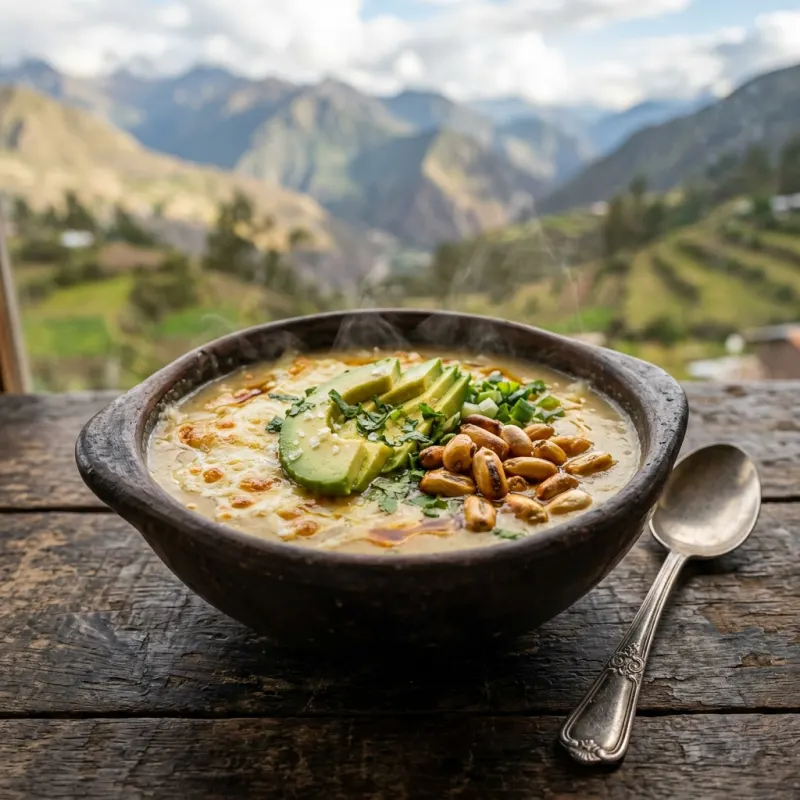
A bowl of traditional Ecuadorian Locro de Papa soup with avocado and cheese

Must Try Dish

Locro de Papa - A hearty, traditional Ecuadorian potato and cheese soup, often garnished with fresh avocado and toasted corn. This warming dish is the perfect comfort food to combat the chilly, high-altitude climate of the Andes.
Food Experiences Title Icon

Food
Experiences

Discover cooking classes, tastings and local food tours

No food experience found
Maya, the human travel expert at TravelingWiz, offering curated, non-AI expertise

Maya’s Final Checklist for Cotopaxi National Park

Logistics shouldn’t be the focus of your trip—the experience should. I’ve hand-vetted these essential partners to ensure your arrival, stay, and exploration are as smooth as an Athenian breeze.

Where to Stay

From boutique hotels to local apartments—compare thousands of options and find the perfect stay in the best neighborhood.

Air Travel

Getting there should be seamless. Compare the best routes and prices across top airlines to start your journey on the right note.

Local Guides

Connect with experts who know the destination best. Get personalized advice and insider tips to help you plan your perfect trip.

Travel Protection

The “Engineer’s” rule: always have a backup. Secure your trip with a plan that covers every “what if” and unexpected change.

Car Rentals

Explore at your own pace with total freedom. Compare reliable rental options and find the right vehicle for your adventure.

Visa Services

Don’t let paperwork slow you down. Get expert assistance with your application to ensure all your entry documents are in order.

FAQs

You do not need a guide to enter the park or visit lower areas like Limpiopungo Lagoon. However, a certified guide is mandatory if you plan to hike to the glaciers or attempt the summit.
The summit of Cotopaxi reaches an elevation of 5,897 meters (19,347 feet) above sea level.
No, entrance to Cotopaxi National Park is currently free for both locals and foreigners, though you must present a valid passport or ID to register at the entrance.
Yes, it is a very popular day trip from Quito, located about 1.5 to 2 hours away by car. Many tour operators offer full-day excursions.

Your Insights Matter

TravelingWiz grows through the stories of our community. If you’ve recently explored ,Cotopaxi National Park share your tips and stories to help us perfect our guides for the next traveler.

Related Articles

Check out our related articles and blog posts to learn even more about the destination.

No related articles found

Don’t Travel Alone

Share with your friends and family

Where should we send your offline card?

We hate spam just as much as you do

newsletter_consent *