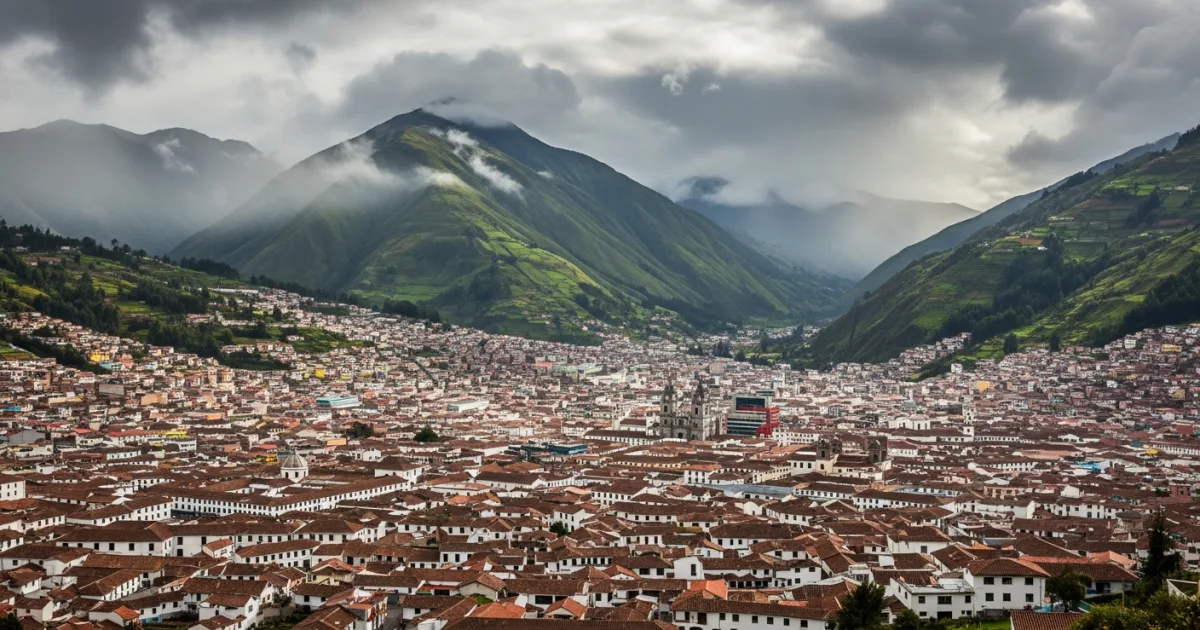
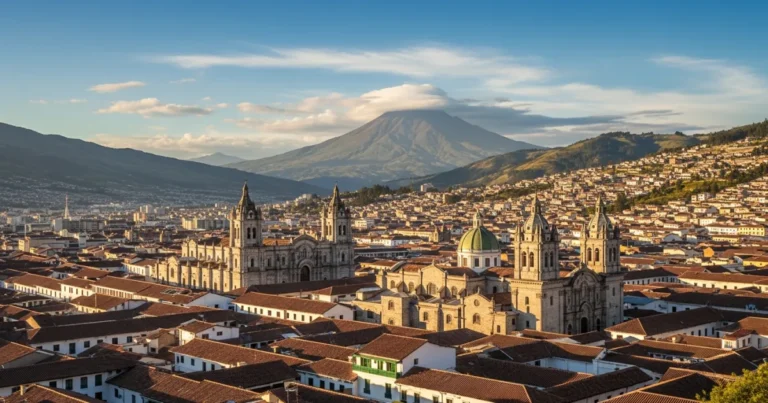
Pichincha Province is a land of dramatic geographical contrasts, split between the towering peaks of the Andes and the lush, subtropical cloud forests on the western slopes. At its heart lies Quito, the highest official capital city in the world, renowned for possessing one of the largest, least-altered, and best-preserved historic centers in the Americas. Beyond the city limits, the province transforms into a playground for nature lovers and adventurers.
To the north, the Mitad del Mundo monument allows visitors to straddle the equator, while the Pululahua Geobotanical Reserve offers the rare opportunity to hike inside an inhabited volcanic crater. Descending the western slopes brings you to Mindo, a globally recognized hotspot for birdwatching, boasting hundreds of species of hummingbirds, toucans, and orchids. This incredible diversity makes Pichincha a microcosm of Ecuador's natural and cultural wealth.
Reasons to Visit
- Quito's Historic Center: Wander through a UNESCO World Heritage site filled with ornate 16th-century churches, cobblestone streets, and vibrant plazas.
- Mitad del Mundo: Stand with one foot in the Northern Hemisphere and the other in the Southern Hemisphere at the equator line.
- Mindo Cloud Forest: Immerse yourself in one of the most biodiverse regions on the planet, perfect for birdwatching, zip-lining, and waterfall hikes.
- Pululahua Crater: Visit one of the only two inhabited volcanic craters in the world, offering stunning viewpoints and hiking trails.
- TelefériQo: Ride one of the highest aerial lifts in the world up the slopes of the Pichincha volcano for breathtaking panoramic views of the Andean avenue of volcanoes.
Things to Avoid
- Unregistered Taxis: Always use official yellow taxis with orange license plates and registration stickers, or rely on trusted ride-sharing apps.
- Underestimating the Sun: The sun at the equator and high altitude is incredibly strong; do not skip sunscreen, even on cloudy days.
- Drinking Tap Water: Stick to bottled or filtered water to avoid stomach issues.
- Rushing Your Itinerary: Give your body time to adjust to the high altitude before attempting strenuous hikes or activities.
Local Transportation Tips
Getting around Pichincha Province is relatively straightforward. In Quito, the public transportation system includes the Trolebús, Ecovía, and Metrobús lines, which run north to south and are very affordable. The newly inaugurated Quito Metro also provides rapid transit across the city. For traveling outside the capital to places like Mindo or the Mitad del Mundo, regional buses are frequent and budget-friendly. Renting a car is an option for exploring the countryside, but be prepared for winding mountain roads and aggressive local driving habits. Taxis and Uber are widely available and inexpensive for shorter trips.
Travel Etiquette
- Greetings: Always greet shopkeepers, taxi drivers, and locals with a polite 'Buenos días' (Good morning) or 'Buenas tardes' (Good afternoon) before asking a question.
- Photography: Always ask for permission before taking photos of indigenous people or local vendors; some may ask for a small tip in return.
- Tipping: A 10% service charge is often included in restaurant bills, but leaving an extra dollar or two for good service is appreciated.
- Patience: Embrace 'Ecuadorian time'; things may not always run exactly on schedule, so maintain a relaxed and flexible attitude.
Recommended Age Group
Pichincha Province offers diverse experiences, though the high altitude of the Andean region requires consideration for certain age groups.
- Babies (0-2 years): Neutral. The high altitude of Quito and surrounding mountains can be harsh on infants, though lower areas like Mindo are perfectly fine.
- Kids (3-12 years): Recommended. Children will love standing on the equator, exploring the interactive museums, and spotting hummingbirds in the cloud forest.
- Teens (13-19 years): Recommended. Thrill-seekers can enjoy zip-lining in Mindo, hiking volcanic craters, and exploring the vibrant culture of Quito.
- Adults (20-64 years): Recommended. Ideal for adults seeking a mix of culinary exploration, historical sightseeing, and active outdoor adventures.
- Seniors (65+ years): Recommended. With proper acclimatization to the altitude, seniors can deeply enjoy the accessible historic sites, scenic drives, and comfortable eco-lodges.
Accessibility Level: Medium
- Quito's historic center features many steep hills and uneven cobblestone streets, which can be challenging for wheelchair users.
- Newer parts of Quito, major shopping malls, and modern museums generally offer good wheelchair accessibility and ramps.
- The TelefériQo cable car is accessible, allowing everyone to enjoy the high-altitude views without the hike.
- Eco-lodges in Mindo vary greatly in accessibility; it is highly recommended to contact properties directly to ensure they can accommodate specific mobility needs.
Did You Know?
Did you know that the summit of Mount Chimborazo (located just south of Pichincha) is the furthest point on the Earth's surface from the Earth's center? Because the Earth bulges at the equator, Ecuador's highest peaks are technically closer to space than Mount Everest!
Cool Statistics
- Quito Elevation: 2,850 meters (9,350 feet) above sea level.
- Mindo Bird Species: Over 500 different species of birds have been recorded in the Mindo cloud forest.
- Equator Line: The official Mitad del Mundo monument is located exactly at 0 degrees latitude, 0 minutes, and 0 seconds.
- UNESCO Status: Quito was the first city in the world to be declared a UNESCO World Heritage site in 1978.







Buy a compatible power adapter for your trip