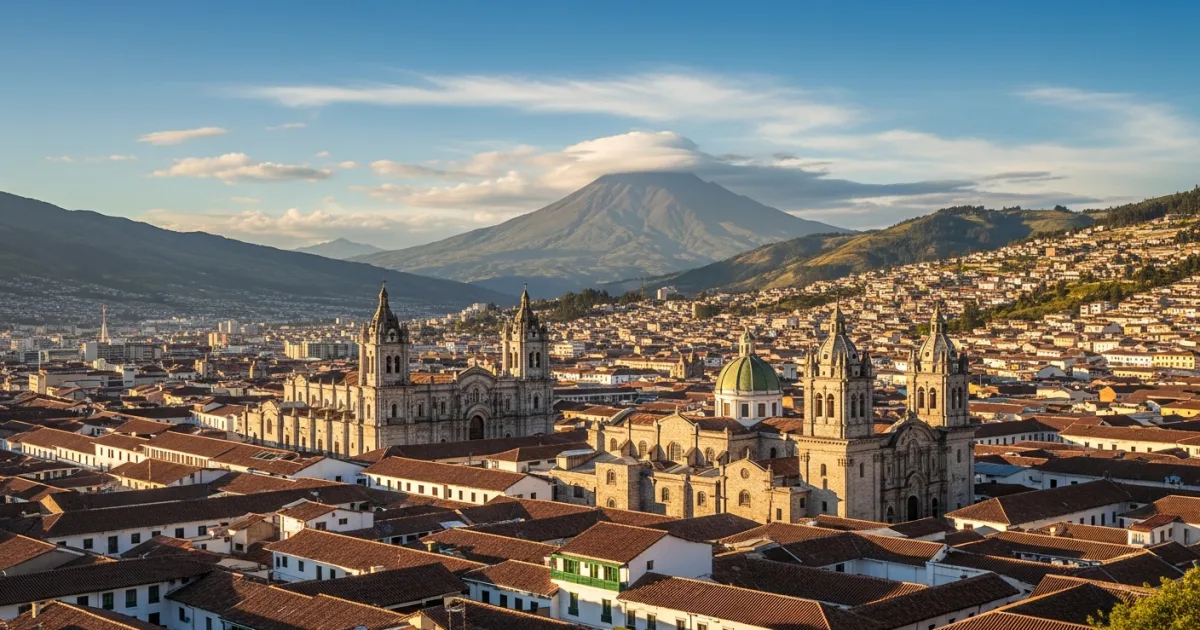
Quito's geography is as dramatic as its history. Nestled in a long, narrow valley on the eastern slopes of the Pichincha volcano, the city stretches over 40 kilometers from north to south but is only a few kilometers wide. This unique layout means that spectacular mountain views are visible from almost any street corner. The city is divided into three main areas: the historic center (Centro Histórico), the modern northern sector where most businesses and upscale hotels are located, and the southern sector, which is primarily residential.
The historic center is the crown jewel of Quito. Covering over 320 hectares, it is the largest and least-altered historic center in the Americas. Walking through its streets feels like stepping back in time, with magnificent structures like the Iglesia de la Compañía de Jesús, known for its dazzling gold-leaf interior, and the Basílica del Voto Nacional, a neo-Gothic masterpiece adorned with gargoyles of Ecuadorian wildlife. Beyond the architecture, Quito is a city of vibrant markets, indigenous culture, and a burgeoning contemporary art and food scene that makes it much more than just a stopover on the way to the Galapagos.
Reasons to Visit
- Unmatched Colonial Architecture: Explore the first-ever UNESCO World Heritage city center, packed with 16th-century churches, plazas, and monasteries.
- The Equator Experience: Visit Mitad del Mundo to stand with one foot in the Northern Hemisphere and the other in the Southern Hemisphere.
- Spectacular Views: Ride the TelefériQo up to 4,000 meters for breathtaking panoramas of the city and the surrounding Avenue of the Volcanoes.
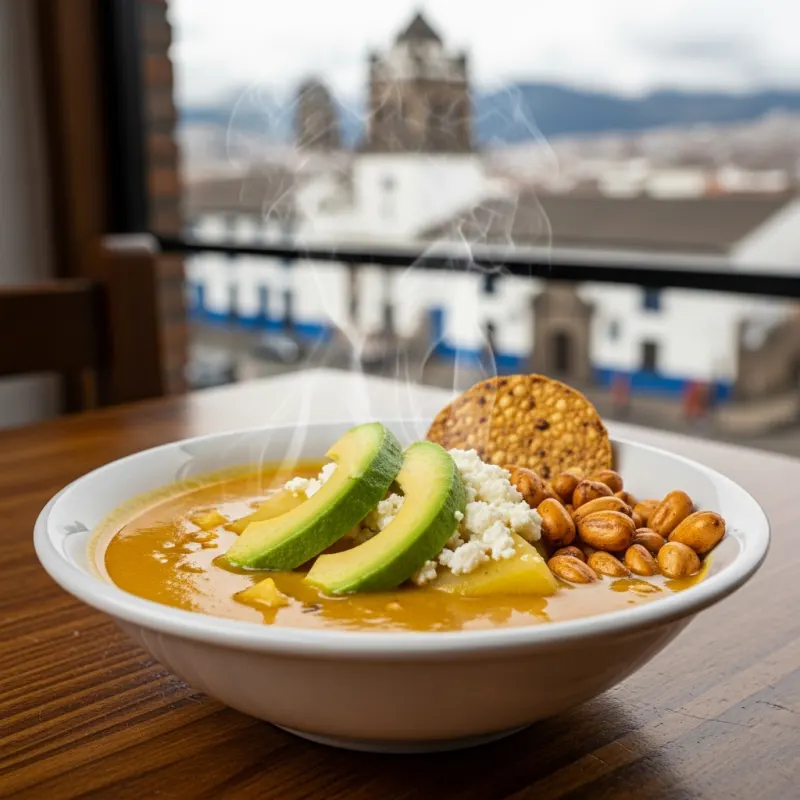
- Rich Culinary Heritage: Taste traditional Andean dishes like Locro de Papa, hornado, and world-class Ecuadorian chocolate.
- Gateway to Adventure: Use Quito as a base camp for excursions to the Galapagos Islands, the Amazon Basin, and the Cotopaxi volcano.
Things to Avoid
- Overexertion on Day One: The altitude is 2,850 meters; rushing around immediately can lead to severe altitude sickness.
- Walking Alone at Night: Stick to well-lit, busy areas or take a registered taxi/Uber after dark, especially in the historic center and parks.
- Flashing Valuables: Keep smartphones and expensive cameras secure to avoid opportunistic snatch-and-grab theft.
- Drinking Tap Water: Stick to bottled or purified water to prevent traveler's diarrhea.
- Hailing Unregistered Taxis: Always use ride-hailing apps or call a registered taxi from your hotel rather than hailing one off the street.
Local Transportation Tips
Quito's public transportation backbone consists of three main bus rapid transit (BRT) lines: the Trolebús, the Ecovía, and the Metrobus. These run north-to-south in dedicated lanes, making them fast and incredibly cheap (around $0.35), though they can get very crowded during rush hours. The newly inaugurated Quito Metro (subway) provides a modern, fast, and safe underground alternative connecting the north and south of the city. For point-to-point travel, ride-hailing apps like Uber and Cabify are widely used, inexpensive, and generally safer than hailing street taxis. If you do take a yellow street taxi, ensure it has orange license plates, a registration sticker on the windshield, and that the driver uses the meter.
Travel Etiquette
- Greetings: It is customary to greet people with a 'Buenos días' (Good morning) or 'Buenas tardes' (Good afternoon) when entering a shop or getting into a taxi.
- Punctuality: 'Ecuadorian time' is a real concept; social events often start 30 to 60 minutes later than the stated time, though tours and business meetings are usually punctual.
- Tipping: A 10% service charge is often included in restaurant bills. If not, leaving a 10% tip is appreciated. Tipping taxi drivers is not expected, but rounding up the fare is polite.
- Bargaining: Haggling is acceptable and expected in artisan markets like Mercado Artesanal La Mariscal, but not in standard retail stores or restaurants.
- Respecting Churches: When visiting the many historic churches, dress modestly (avoid shorts and tank tops) and remove hats.
Recommended Age Group
Quito offers a rich cultural experience, but its high altitude and steep terrain require consideration when planning a trip for different age groups.
- Babies (0-2 years): Not Recommended. The high altitude (2,850m) can cause severe discomfort and health risks for infants, and navigating the steep, cobblestone streets with a stroller is highly impractical.
- Kids (3-12 years): Neutral. While attractions like Mitad del Mundo are fun, the altitude and extensive walking required in the historic center can be exhausting for younger children.
- Teens (13-19 years): Recommended. Teenagers will appreciate the adventurous aspects of the city, including the TelefériQo cable car ride, exploring the equator line, and the vibrant street art in La Floresta.
- Adults (20-64 years): Recommended. Adults can fully engage with the rich architectural history, diverse culinary scene, and nearby hiking opportunities, provided they take time to acclimatize.
- Seniors (65+ years): Neutral. The well-preserved historic center offers immense cultural value, but the high altitude, steep inclines, and uneven cobblestones require caution and a slow pace.
Accessibility Level: Medium
- Terrain Challenges: The historic center features steep hills, narrow sidewalks, and uneven cobblestones, making wheelchair navigation very difficult.
- Modern Infrastructure: Newer areas in the north, such as La Carolina, have flatter terrain, wider sidewalks, and better curb cuts.
- Public Transit: The new Quito Metro is fully accessible with elevators at all stations, whereas the older BRT bus systems can be challenging to board.
- Attractions: Major museums and newer attractions often have ramps and elevators, but many historic colonial buildings and churches lack modern accessibility modifications.
Did You Know?
Quito is the closest capital city to the sun. Because the Earth bulges at the equator, the summit of the nearby Mount Chimborazo is actually the furthest point from the Earth's center, making the entire region geographically unique. Additionally, Quito's Basílica del Voto Nacional features gargoyles that represent native Ecuadorian animals, such as iguanas, tortoises, and armadillos, rather than traditional mythical creatures.
Cool Statistics
- Elevation: 2,850 meters (9,350 feet) above sea level.
- Founding Year: 1534 (by the Spanish, on Inca ruins).
- UNESCO Status: Declared a World Heritage Site in 1978 (one of the first two in the world, alongside Krakow).
- TelefériQo Height: Reaches an altitude of 3,945 meters (12,943 feet).
- Population: Approximately 2.8 million people in the metropolitan area.






Buy a compatible power adapter for your trip