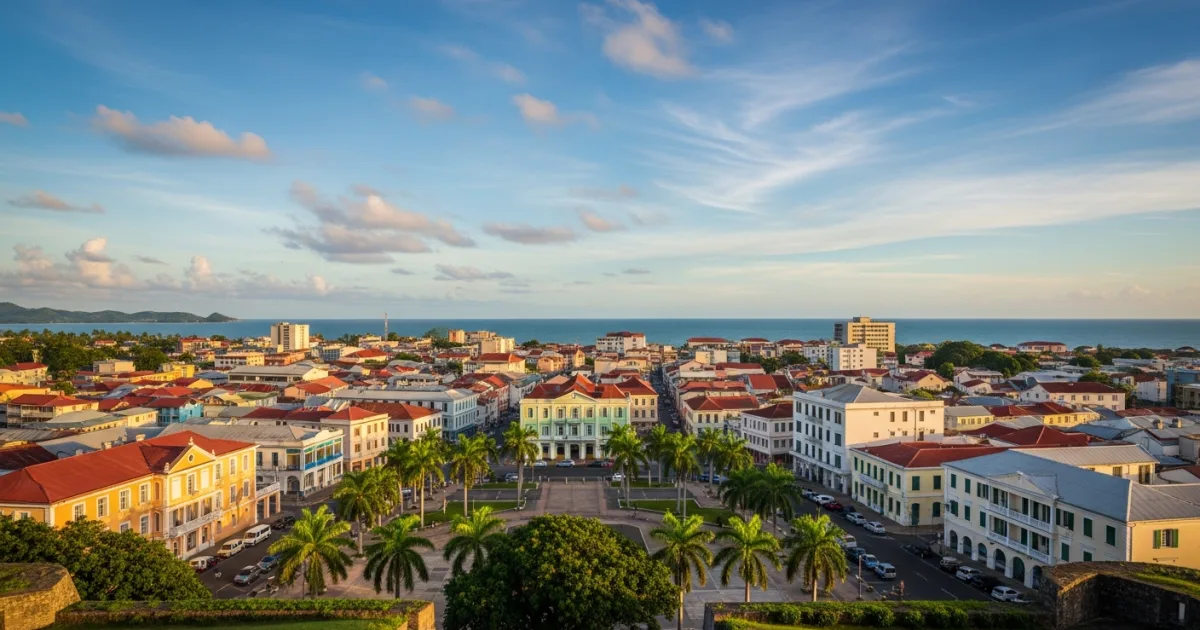
Cayenne Region functions as the primary administrative and economic hub of French Guiana, situated on the northeastern coast of South America. The region covers an area of approximately 23.6 square kilometers and features a diverse population of Creole, Amerindian, Maroon, and European descent. The local geography is characterized by coastal plains, mangrove swamps, and immediate proximity to the dense Amazon rainforest. Economic activities center around the service sector, public administration, and support for the Guiana Space Centre located 60 kilometers northwest in Kourou. Infrastructure includes the Cayenne – Félix Eboué Airport, which handles international flights primarily from Paris and neighboring Caribbean nations. The region's architecture reflects its colonial past, with traditional wooden Creole houses featuring intricate balconies and vibrant colors.
Reasons to Visit
- Amazonian Biodiversity: The region provides direct access to the Amazon rainforest, offering guided tours to observe sloths, toucans, and sea turtles.
- Historical Architecture: Cayenne features well-preserved 19th-century Creole houses and colonial structures, including the ruins of Fort Cépérou.
- Cultural Melting Pot: The area hosts a unique blend of French, Creole, Brazilian, and indigenous cultures, reflected in its annual Carnival celebrations.
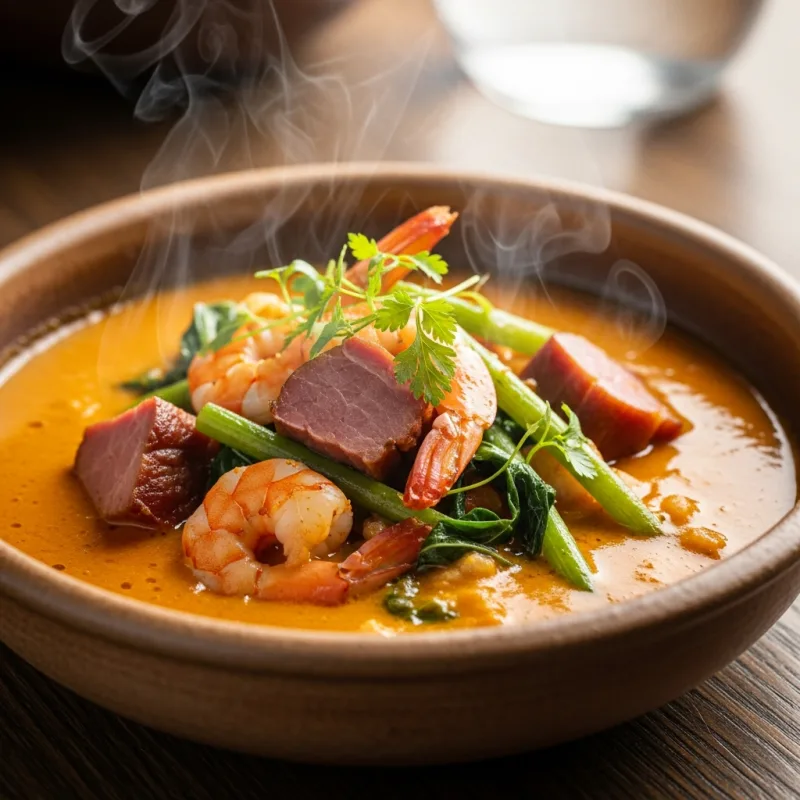
- Culinary Diversity: Local markets, such as the Marché de Cayenne, offer a wide array of exotic fruits, spices, and traditional Guianese dishes.
Things to Avoid
- Unlicensed Taxis: Visitors should avoid using unofficial transportation services due to safety and overcharging risks.
- Nighttime Walking: Walking alone after dark in certain urban neighborhoods increases the risk of encountering street crime.
- Untreated Tap Water: While tap water is generally safe in the city center, consuming bottled water prevents potential stomach issues in rural outskirts.
- Mosquito Exposure: Travelers must avoid unprotected exposure to mosquitoes, as the region carries risks for Dengue fever and Malaria.
Local Transportation Tips
Public transportation in the Cayenne Region relies primarily on the Agglo'Bus network, which operates several routes within the city and its immediate suburbs. Service frequency is generally low, with buses running approximately every 30 to 60 minutes depending on the route. Taxis are available at designated stands or via phone dispatch, but fares are relatively high compared to mainland South America. Car rentals remain the most practical option for visitors intending to explore areas outside the city center, such as the Kaw Nature Reserve or Kourou. Road conditions on the main coastal highway (RN1) are excellent, though secondary roads may require four-wheel-drive vehicles during the wet season.
Travel Etiquette
- Greetings: A polite 'Bonjour' (Good morning) or 'Bonsoir' (Good evening) is expected when entering shops or addressing locals.
- Dress Code: Lightweight, modest clothing is standard; beachwear should be strictly confined to coastal areas and swimming pools.
- Tipping: A 15% service charge is typically included in restaurant bills by French law, but leaving small change for exceptional service is appreciated.
- Photography: Always ask for permission before photographing local residents, particularly indigenous and Maroon community members.
Recommended Age Group
The Cayenne Region offers a unique blend of eco-tourism and history, though its tropical climate and infrastructure present specific challenges for certain age groups.
- Babies (0-2 years): Not Recommended. The intense heat, high humidity, risk of mosquito-borne diseases, and lack of stroller-friendly infrastructure make travel difficult for infants.
- Kids (3-12 years): Neutral. While wildlife spotting can be engaging, long travel times, intense heat, and limited dedicated children's attractions may cause fatigue.
- Teens (13-19 years): Recommended. Adventure activities, jungle hikes, and proximity to the Guiana Space Centre appeal strongly to older children and teenagers.
- Adults (20-64 years): Recommended. This demographic is best suited to navigate the physical demands of eco-tourism, historical exploration, and culinary tours.
- Seniors (65+ years): Neutral. High humidity and uneven terrain in historic areas may pose mobility challenges, though guided bus and boat tours remain accessible options.
Accessibility Level: Medium
- Urban Infrastructure: Wheelchair accessibility in Cayenne is limited, as many historic streets feature uneven pavements and lack curb ramps.
- Public Buildings: Modern administrative buildings and newer hotels comply with French accessibility standards, offering ramps and elevators.
- Transportation: The Agglo'Bus public transit system has a limited number of wheelchair-accessible vehicles; specialized transport must often be arranged in advance.
- Nature Reserves: Most eco-tourism sites and rainforest trails lack paved paths, making them largely inaccessible for travelers with severe mobility impairments.
Did You Know?
The Cayenne Region gave its name to the famous Cayenne pepper, although the region itself is not a major producer of the spice today. The city was originally founded by French colonists in 1643 and subsequently changed hands between the French, Dutch, and British before permanently returning to French control in 1814.
Cool Statistics
- Population: Approximately 140,000 residents live in the greater Cayenne metropolitan area.
- Average Temperature: The region maintains a consistent average annual temperature of 26°C (79°F).
- Rainfall: Cayenne receives an average of 3,000 millimeters (118 inches) of precipitation annually.
- Space Proximity: The region is located just 60 kilometers from the Guiana Space Centre, Europe's primary spaceport.






Buy a compatible power adapter for your trip