Disclosure: This site contains affiliate links. We may earn a commission if you make a purchase, at no extra cost to you.

>
>
>
Cusco Region

Cusco Region

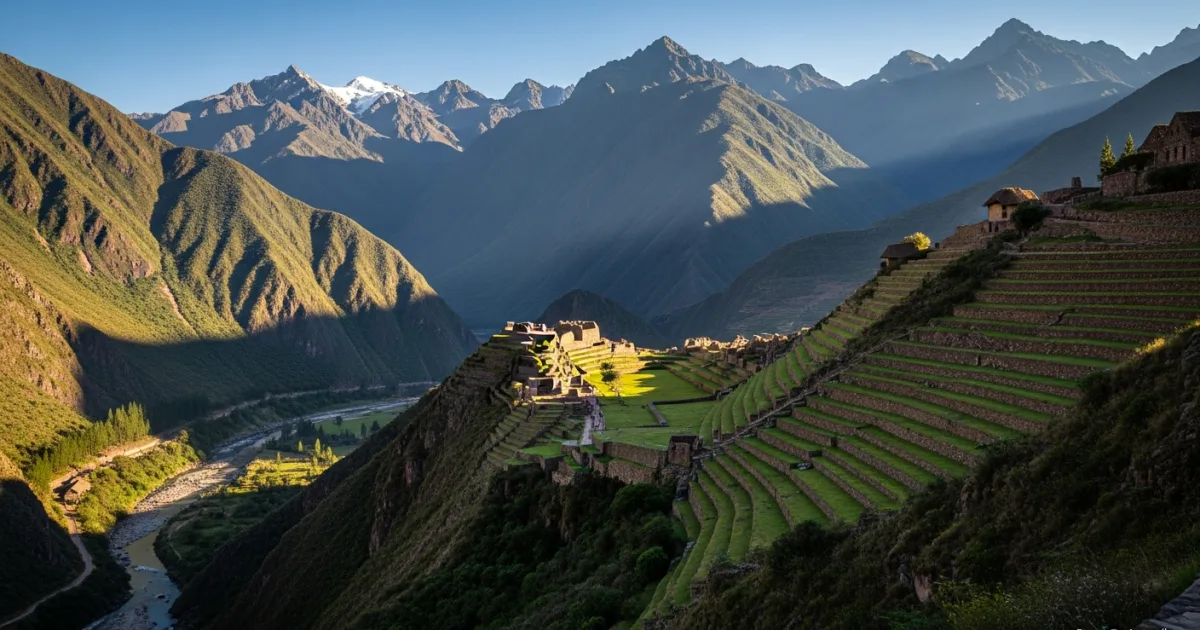
Panoramic view of the Sacred Valley and Inca terraces in the Cusco Region

Cusco Region Overview & Key Highlights

Cusco Region serves as the historical heartland of the Inca Empire and a premier destination for archaeological exploration in South America. Situated in the Peruvian Andes, this high-altitude region encompasses the Sacred Valley, the iconic Machu Picchu, and the vibrant city of Cusco itself. Travelers navigate a landscape defined by dramatic mountain peaks, terraced agricultural ruins, and traditional Quechua-speaking communities. The region's elevation, averaging around 3,400 meters (11,150 feet) in the capital, requires careful acclimatization but rewards visitors with unparalleled access to pre-Columbian history and Andean culture. Beyond the famous Inca Trail, the Cusco Region offers diverse experiences ranging from culinary tours featuring native potatoes and alpaca meat to high-altitude treks like the Ausangate circuit and Rainbow Mountain. Infrastructure caters heavily to tourism, providing options from budget hostels to luxury eco-lodges. The dry season from May to October presents the most reliable conditions for outdoor activities, though the lush, green landscapes of the wet season hold their own appeal for those willing to brave the rain. Navigating the region involves a mix of scenic train rides, winding bus routes, and extensive hiking, making it a dynamic environment for active travelers.

Cusco Region Travel Guide: Logistics & In-Depth Tips

The Cusco Region is a vast and geographically diverse area that transitions from the high Andean peaks down to the edge of the Amazon basin. Historically, it was the navel of the world for the Inca Empire, and today it remains the undisputed archaeological capital of the Americas. Visitors are drawn not only to the world wonder of Machu Picchu but also to the intricate stonework of Sacsayhuaman, the agricultural terraces of Moray, and the vibrant artisan markets of Pisac and Chinchero.

Beyond the ruins, the region is a hub for adventure and cultural immersion. Trekkers can challenge themselves on the Salkantay or Lares routes, while those seeking a slower pace can explore the colonial architecture built atop Inca foundations in Cusco's historic center. The local culture is deeply rooted in Andean traditions, visible in the colorful textiles, the ubiquitous presence of llamas and alpacas, and the enduring use of the Quechua language. Whether you are navigating the winding streets of San Blas or standing in awe of the Sacred Valley, the Cusco Region offers a profound journey into the past.

Reasons to Visit

  • Machu Picchu: Access one of the New Seven Wonders of the World and the most famous archaeological site in South America.
  • Inca History: Explore unparalleled ruins, including Ollantaytambo, Sacsayhuaman, and the agricultural laboratory of Moray.
  • World-Class Trekking: Hike the legendary Inca Trail, the scenic Salkantay Trek, or the colorful Rainbow Mountain.
  • Andean Culture: Experience living indigenous traditions, vibrant textile markets, and ancient Quechua customs.
  • Unique Gastronomy: Taste traditional Andean dishes like alpaca steak, quinoa soup, and cuy (guinea pig).

Things to Avoid

  • Rushing the Altitude: Do not plan strenuous activities on your first day; altitude sickness can be severe.
  • Drinking Tap Water: Avoid tap water and ice in drinks to prevent waterborne illnesses.
  • Unlicensed Taxis: Do not hail random cabs off the street at night; use official apps or have your hotel call a taxi.
  • Disrespecting Locals: Always ask for permission before taking photos of local people, especially those in traditional dress.
  • Ignoring Weather Warnings: Do not underestimate the Andean weather; always carry rain gear and warm layers.

Local Transportation Tips

Transportation in the Cusco Region is varied. Within Cusco city, walking is the best way to navigate the narrow, cobbled streets of the historic center, though taxis are cheap and plentiful for longer distances. To explore the Sacred Valley, 'collectivos' (shared minivans) are the most economical and authentic way to travel between towns like Pisac, Urubamba, and Ollantaytambo. For reaching Machu Picchu, travelers must take a train from Cusco or Ollantaytambo to Aguas Calientes, operated by PeruRail or Inca Rail, followed by a shuttle bus up to the ruins.

Travel Etiquette

  • Photography: Always ask permission before photographing locals, and be prepared to offer a small tip (propina) if they agree.
  • Bargaining: Haggling is acceptable in artisan markets, but do so respectfully and with a smile.
  • Dress Modestly: When visiting religious sites or rural communities, avoid overly revealing clothing.
  • Tipping: Tipping 10% in restaurants is customary. Tipping guides and porters on treks is highly expected and forms a significant part of their income.

Recommended Age Group

The Cusco Region offers incredible experiences, but its high altitude and rugged terrain require careful consideration for different age groups.

  • Babies (0-2 years): Not Recommended. The extreme altitude, lack of stroller-friendly infrastructure, and long transit times make it highly challenging for infants.
  • Kids (3-12 years): Neutral. While older kids may enjoy the train rides and exploring ruins, the altitude can be tough on young bodies, and long trekking days are usually unsuitable.
  • Teens (13-19 years): Recommended. An excellent destination for adventurous teens interested in history, hiking, and outdoor activities.
  • Adults (20-64 years): Recommended. The prime demographic for the region's mix of strenuous treks, cultural tours, and culinary experiences.
  • Seniors (65+ years): Neutral. Accessible tours and luxury trains make it possible, but the high altitude, steep stairs at ruins, and uneven cobblestones require good physical fitness and caution.

Accessibility Level: Low

  • Cobblestone Streets: Cusco's historic center features steep, uneven cobblestone streets that are very difficult for wheelchair users.
  • Ruins Accessibility: Most archaeological sites, including Machu Picchu, involve steep, uneven stone steps. However, Machu Picchu does offer a limited wheelchair-accessible circuit with prior arrangement and assistance.
  • Transport: Public transport is generally not accessible. Private tours with specialized operators are highly recommended for travelers with mobility issues.
  • Hotels: High-end hotels are more likely to have elevators and accessible rooms, whereas budget accommodations often lack these facilities.

Did You Know?

Did you know that the city of Cusco was originally designed by the Incas in the shape of a puma? The fortress of Sacsayhuaman represents the head, while the main plaza and surrounding streets form the body of the sacred animal.

Cool Statistics

  • Elevation: Cusco city sits at an elevation of 3,399 meters (11,152 feet) above sea level.
  • Machu Picchu Visitors: The famous citadel receives over 1.5 million visitors annually.
  • Potato Varieties: The Andean region is home to over 4,000 native varieties of potatoes.
  • Inca Trail Length: The classic Inca Trail covers approximately 43 kilometers (26 miles) over four days.


Address:

Cusco Region, Peru

Find Nearby Accommodations

Basic Info

address icon

COUNTRY & Region

Peru,
South America

ACCESSIBILITY LEVEL​

Low
Currency icon

LOCAL CURRENCY​

Peruvian Sol (PEN)
Price level icon
Medium
Safety Level icon

SAFETY LEVEL

Duration icon

Recommended Duration

• 1-7 days
• More than a week

Electricity

electricity icon

Electricity

220-240V, 
60Hz
Plug Socket icon

Plug Type

• Type A (Flat blade)
• Type B (Flat blade with grounding pin)
• Type C (Round pin)
Plug types
Click To View Plug Types
Cusco Region is part of our
Conscious Travel collection

Things To Do In Cusco Region

Total: 2

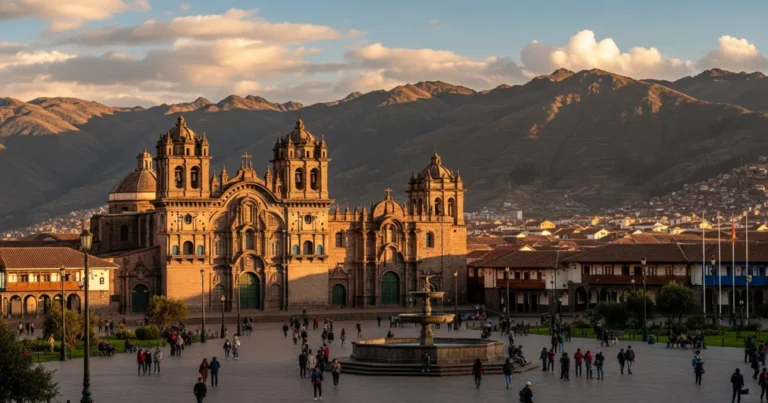
Plaza de Armas in Cusco with the Cathedral and Andes mountains
Explore Cusco, the ancient capital of the Inca Empire, known for its archaeological wonders, vibrant culture, and as a gateway to Machu Picchu.

Activities To Do In Cusco Region

Best Time To Visit Cusco Region

The optimal time to visit the Cusco Region is during the dry season, which runs from May to October. This period offers clear skies and sunny days, making it ideal for trekking and exploring ruins.

  • Peak Season (June to August): Expect the best weather but the highest crowds and prices. Book permits and trains well in advance.
  • Shoulder Season (April, May, September, October): Offers a great balance of manageable crowds, pleasant weather, and lush landscapes.
  • Wet Season (November to March): Heavy rains can cause landslides and trail closures (the Inca Trail closes in February), but the scenery is incredibly green and tourist numbers are low.

Average Temperatures Per Month

Remember to check the weather forecast a few days before the trip and before heading to the airport.

Safety Level icon

Safety Level

Petty theft, such as pickpocketing and bag snatching, is common in crowded tourist areas like markets and train stations. Keep valuables secure and avoid walking alone at night in poorly lit areas. The most significant risk to travelers is altitude sickness (soroche); take time to acclimatize, stay hydrated, and avoid heavy meals and alcohol upon arrival. Be cautious of unlicensed taxi drivers; always use registered cabs or ride-hailing apps.

The rating is based on multi-year peace, crime, and security indices. Before you go, always verify current conditions through official government travel advisories.

Emergency Numbers

Police: 105
Ambulance: 106

No internet needed • Includes local translations • Free for TravelingWiz readers

Spoken Languages

Spanish is the primary language used in tourism and commerce. Quechua is widely spoken by the indigenous population, especially in rural areas. English is commonly understood by tour guides and staff in major hotels.

Learn The Language

  • Hola (Hello)
  • Gracias (Thank you)
  • ¿Cuánto cuesta? (How much does it cost?)
  • ¿Dónde está el baño? (Where is the bathroom?)
  • La cuenta, por favor (The bill, please)
  • Allillanchu (Hello / How are you? in Quechua)
  • Sulpayki (Thank you in Quechua)
  • Ayúdeme, por favor (Help me, please)
Travel Booking Partner - TravelingWiz

Trip Cost & Budgeting for Cusco Region, 2026

Everything you need to know about money while traveling
Is Cusco Region expensive for tourists in 2026? Cusco remains a moderately priced destination offering solid value. Expect to pay around 8.50 PEN for a cappuccino, 10 PEN for a domestic beer, and 45 PEN for a standard main meal at a mid-range restaurant. Featuring Human Verified prices, local baseline costs are affordable, though major excursions like Machu Picchu add extra expenses. Use the data table below to calculate your specific daily budget based on your travel style.
Currency icon

LOCAL CURRENCY​:

Peruvian Sol (PEN)
Price level icon
Medium
Major hotels and restaurants accept cards, but cash is essential for markets, taxis, tips, and small vendors.

Per person, per day – pocket cash for small purchases.

Local: 30
Peruvian Sol (PEN)
≈ 9 USD

Full daily spend estimation (accommodation, food, transportation, attractions).

Travel Style
Peruvian Sol (PEN)
≈ USD ($)
Budget
165
49
Mid-range
300
89
Comfort
660
196

The Prices, Daily costs, and calculator results are estimates for planning purposes only. Actual costs may vary based on season, booking timing, personal spending habits, and currency fluctuations. TravelingWiz cannot be held responsible for discrepancies between these estimates and your final trip expenses.

  • • Eat lunch at local market stalls or order the set menu del dia for multi-course meals at a fraction of tourist restaurant prices.
  • • Purchase the Boleto Turistico del Cusco to combine entry fees for multiple ruins and museums into a single discounted ticket.
  • • Use local colectivo minivans instead of private taxis when traveling between Cusco, Pisac, and Ollantaytambo in the Sacred Valley.
  • • Withdraw Peruvian Soles directly from bank ATMs rather than using currency exchange booths at the airport or tourist plazas.

Pre-Order Tickets

Avoid disappointment when tickets sell out — and skip the long lines by booking online in advance. You’ll often save up to 20% too.
Save up to 20%

Travel Discounts & Coupons

Save on hotels, attractions, transport, and gear — find verified discounts for smarter travel spending.
Verified Coupons

What To Pack

  • Layered Clothing: Temperatures fluctuate drastically between sunny days and freezing nights.
  • Sturdy Hiking Boots: Essential for navigating cobblestone streets and rugged mountain trails.
  • Sun Protection: High altitude means stronger UV rays; pack sunscreen, sunglasses, and a wide-brimmed hat.
  • Altitude Sickness Medication: Consult a doctor for prescriptions like Acetazolamide before traveling.
  • Reusable Water Bottle: Staying hydrated is crucial for acclimatization.
  • Rain Jacket: Weather in the Andes can be unpredictable, even during the dry season.
We couldn't find tips for Cusco Region.
If you got any, please share

Recommended Itineraries for Traveling to Cusco Region

We couldn't find itineraries for Cusco Region.
you can contact us for custom trip plan

Food & Drink Highlights

Local Food Overview

Cusco's culinary scene is a fascinating blend of ancient Andean traditions and modern Peruvian gastronomy. The region relies heavily on native ingredients like thousands of varieties of potatoes, quinoa, corn, and alpaca meat, often prepared using traditional techniques like earth ovens (pachamanca).
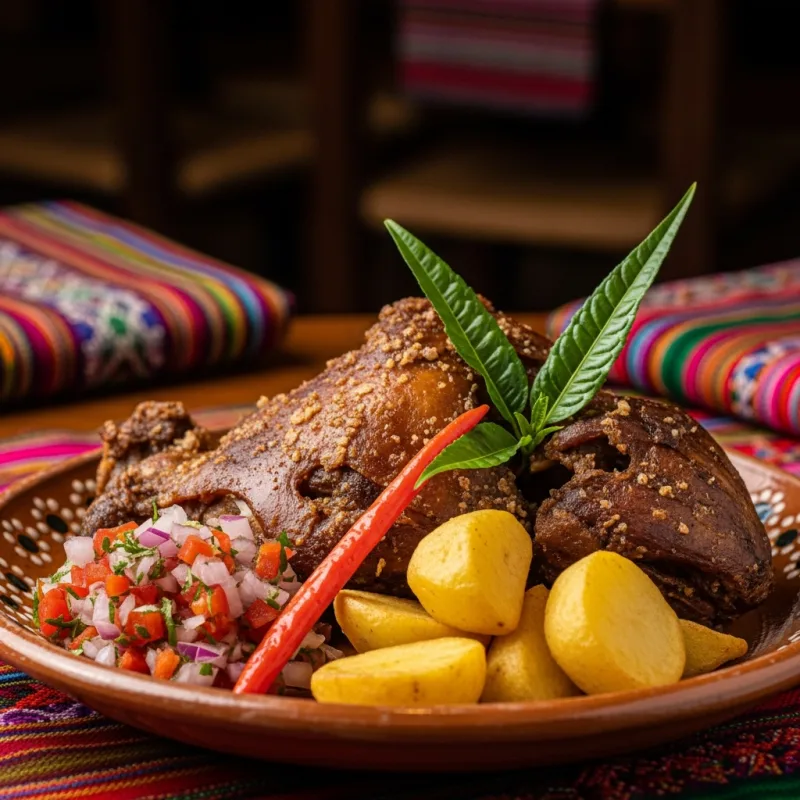
Traditional Peruvian Cuy al Horno served with potatoes and salsa

Must Try Dish

Cuy al Horno is a traditional Andean delicacy featuring a whole guinea pig marinated in local herbs like huacatay and baked until the skin is perfectly crispy. Often served with native potatoes and rocoto pepper sauce, this dish offers a deep connection to pre-Columbian culinary heritage.
Food Experiences Title Icon

Food
Experiences

Discover cooking classes, tastings and local food tours

No food experience found
Maya, the human travel expert at TravelingWiz, offering curated, non-AI expertise

Maya’s Final Checklist for Cusco Region

Logistics shouldn’t be the focus of your trip—the experience should. I’ve hand-vetted these essential partners to ensure your arrival, stay, and exploration are as smooth as an Athenian breeze.

Where to Stay

From boutique hotels to local apartments—compare thousands of options and find the perfect stay in the best neighborhood.

Air Travel

Getting there should be seamless. Compare the best routes and prices across top airlines to start your journey on the right note.

Local Guides

Connect with experts who know the destination best. Get personalized advice and insider tips to help you plan your perfect trip.

Travel Protection

The “Engineer’s” rule: always have a backup. Secure your trip with a plan that covers every “what if” and unexpected change.

Car Rentals

Explore at your own pace with total freedom. Compare reliable rental options and find the right vehicle for your adventure.

Visa Services

Don’t let paperwork slow you down. Get expert assistance with your application to ensure all your entry documents are in order.

FAQs

Rest on your first day, drink plenty of water and coca tea, avoid alcohol, and consider taking altitude medication prescribed by your doctor.
Yes, tickets to Machu Picchu and train rides sell out weeks or even months in advance, especially during the high season (May-August).
No, it is not safe to drink tap water in the Cusco Region. Always drink bottled or properly filtered/boiled water.
It is a tourist ticket required to enter many of the most important attractions in Cusco and the Sacred Valley, including Sacsayhuaman and Ollantaytambo.

Your Insights Matter

TravelingWiz grows through the stories of our community. If you’ve recently explored ,Cusco Region share your tips and stories to help us perfect our guides for the next traveler.

Related Articles

Check out our related articles and blog posts to learn even more about the destination.

No related articles found

Don’t Travel Alone

Share with your friends and family

Where should we send your offline card?

We hate spam just as much as you do

newsletter_consent *