Disclosure: This site contains affiliate links. We may earn a commission if you make a purchase, at no extra cost to you.

>
>
>
>
Sacred Valley

Sacred Valley

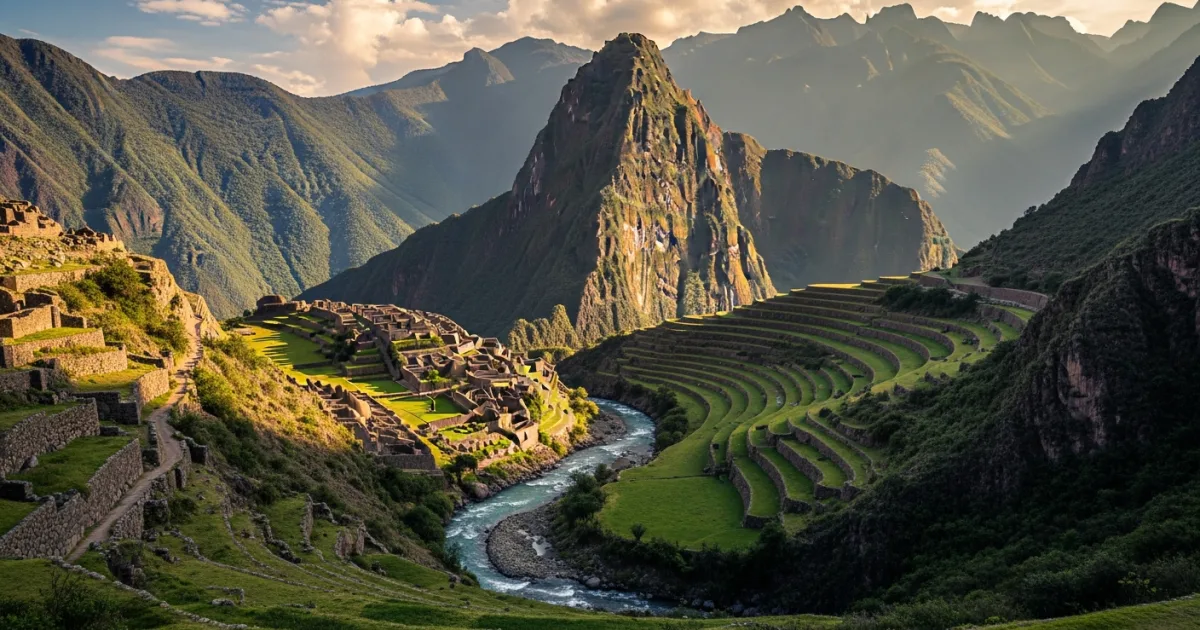
Panoramic view of the Sacred Valley with the Urubamba River and Andean mountains

Sacred Valley Overview & Key Highlights

The Sacred Valley, known locally as Valle Sagrado, is a breathtaking Andean region stretching along the Urubamba River in Peru. Historically the agricultural heartland of the Inca Empire, it is now celebrated for its dramatic mountain landscapes, terraced hillsides, and remarkably preserved archaeological sites like Pisac, Ollantaytambo, and Moray. Visitors are drawn to its vibrant indigenous culture, bustling artisan markets, and lower elevation compared to Cusco, making it an ideal starting point for acclimatization. Beyond its historical significance, the valley offers a wealth of outdoor adventures and cultural immersions. Travelers can hike ancient trails, raft down the Urubamba River, or explore the fascinating Maras salt mines that have been harvested since pre-Inca times. The region also boasts a burgeoning farm-to-table culinary scene and a range of accommodations from eco-lodges to luxury retreats, providing a perfect blend of exploration and relaxation before heading to Machu Picchu.

Sacred Valley Travel Guide: Logistics & In-Depth Tips

The Sacred Valley of the Incas is a region in Peru's Andean highlands that holds immense historical, cultural, and natural significance. Formed by the Urubamba River, this fertile valley was the breadbasket of the Inca Empire, producing maize and other crops on elaborate agricultural terraces that still cling to the steep mountainsides today. The valley's lower elevation and warmer climate compared to nearby Cusco made it a favored retreat for Inca royalty, and its legacy is preserved in the monumental stone fortresses and temples that dot the landscape.

Today, the Sacred Valley is much more than a transit corridor to Machu Picchu. It is a destination in its own right, offering travelers a chance to immerse themselves in living Andean culture. Villages like Chinchero are renowned for their traditional weaving cooperatives, while Pisac hosts one of the most famous artisan markets in South America. Adventure seekers can mountain bike through the Maras salt pans, hike to hidden waterfalls, or rock climb via ferrata routes. With a growing number of eco-lodges, wellness retreats, and high-end restaurants celebrating native ingredients, the Sacred Valley provides a deeply enriching and multi-faceted travel experience.

Reasons to Visit

  • Inca Archaeology: Explore world-class ruins like the fortress of Ollantaytambo, the agricultural terraces of Moray, and the hilltop citadel of Pisac.
  • Acclimatization: At a lower altitude than Cusco, it is the perfect place to adjust to the thin Andean air while still sightseeing.
  • Living Culture: Witness traditional weaving, vibrant local markets, and indigenous communities that maintain centuries-old customs.
  • Outdoor Adventure: Enjoy hiking, mountain biking, horseback riding, and white-water rafting against a backdrop of snow-capped peaks.
  • Culinary Heritage: Taste authentic Andean cuisine, from Pachamanca to farm-to-table dining experiences utilizing native superfoods.

Things to Avoid

  • Rushing the Altitude: Avoid strenuous activity and heavy meals on your first day to prevent altitude sickness.
  • Drinking Tap Water: Stick to bottled or filtered water to avoid waterborne illnesses.
  • Taking Photos Without Permission: Always ask before photographing local people, especially those in traditional dress, and be prepared to offer a small tip.
  • Skipping the Tourist Ticket: Don't arrive at major ruins without the Boleto Turistico, as individual entry tickets are not sold at the gates.
  • Disrespecting Sacred Sites: Do not climb on restricted Inca walls or leave trash at archaeological sites.

Local Transportation Tips

Navigating the Sacred Valley is relatively straightforward. The most budget-friendly and authentic way to travel between towns is by 'colectivo' (shared minivans). These depart frequently from designated stops in Cusco, Urubamba, Pisac, and Ollantaytambo once they are full. For more comfort and flexibility, you can hire a private taxi for a half or full day; negotiate the rate before departing. Guided bus tours are also popular for visiting multiple sites in one day. To reach Machu Picchu from the valley, you will need to take a train operated by PeruRail or IncaRail, typically departing from the Ollantaytambo station.

Travel Etiquette

  • Haggle Respectfully: Bargaining is expected in artisan markets, but do so politely and remember that a few soles mean more to the vendor than to you.
  • Dress Modestly: While the valley is accustomed to tourists, dressing modestly is appreciated, especially when visiting rural communities or religious sites.
  • Respect the Environment: Practice Leave No Trace principles, especially when hiking or visiting remote natural areas.
  • Punctuality: While 'Peruvian time' (running late) is common socially, official tours and trains depart strictly on time.

Recommended Age Group

The Sacred Valley offers diverse experiences suitable for various age groups, though the high altitude and rugged terrain require some consideration.

  • Babies (0-2 years): Not Recommended. The high altitude, intense sun, and lack of stroller-friendly infrastructure at archaeological sites make travel challenging for infants.
  • Kids (3-12 years): Recommended. Children will enjoy the open spaces, colorful markets, train rides, and interactive experiences like visiting the ChocoMuseo or petting alpacas.
  • Teens (13-19 years): Recommended. The valley is perfect for active teens, offering mountain biking, ATV tours, zip-lining, and engaging historical sites.
  • Adults (20-64 years): Recommended. Adults can fully appreciate the deep cultural history, challenging treks, culinary scene, and wellness retreats.
  • Seniors (65+ years): Recommended. The lower altitude compared to Cusco makes it a safer base. Many luxury lodges offer comfortable, accessible tours, though steep stairs at some ruins may be challenging.

Accessibility Level: Medium

  • Archaeological Sites: Most Inca ruins, such as Ollantaytambo and Pisac, involve steep, uneven stone steps and are generally not wheelchair accessible.
  • Accommodations: High-end hotels and luxury eco-lodges in towns like Urubamba often provide accessible rooms and flat grounds.
  • Transport: Public colectivos are not wheelchair friendly. Private transport must be arranged for travelers with mobility issues.
  • Attractions: Some sites, like the viewing platforms at the Maras salt mines or the flat market squares in Pisac, offer limited accessibility for visitors with mobility challenges.

Did You Know?

Did you know that the Maras salt mines (Salineras de Maras) consist of over 3,000 individual salt pools? These terraced pools have been harvested by local families since pre-Inca times. A subterranean hot spring feeds highly salty water into the pools, which then evaporates in the sun, leaving behind the famous pink Maras salt.

Cool Statistics

  • Elevation: Ranges from roughly 2,050 meters (6,730 ft) to 3,000 meters (9,800 ft).
  • River: The Urubamba River, known to the Incas as the Willkamayu (Sacred River).
  • Salt Pools: Over 3,000 active salt evaporation ponds in Maras.
  • Distance from Cusco: Approximately 15 kilometers (9 miles) north of Cusco at its closest point.

Address:

Sacred Valley, Peru

Find Nearby Accommodations

Basic Info

address icon

COUNTRY & Region

Peru,
South/Latin America, South America

ACCESSIBILITY LEVEL​

Medium
Currency icon

LOCAL CURRENCY​

Peruvian Sol (PEN)
Price level icon
Medium
Safety Level icon

SAFETY LEVEL

Duration icon

Recommended Duration

• Full day
• 1-7 days
• More than a week

Electricity

electricity icon

Electricity

220-240V, 
60Hz
Plug Socket icon

Plug Type

• Type A (Flat blade)
• Type B (Flat blade with grounding pin)
• Type C (Round pin)
Plug types
Click To View Plug Types
Sacred Valley is part of our
Exclusive Retreats collection

Things To Do In Sacred Valley

Total: 1

Activities To Do In Sacred Valley

Best Time To Visit Sacred Valley

The best time to visit the Sacred Valley is during the dry season, which runs from May to October. During these months, you can expect clear, sunny days and cold nights, making it ideal for hiking and exploring ruins.

  • Peak Season: June to August (busiest, driest, and coldest at night)
  • Shoulder Season: April, May, September, October (pleasant weather, fewer crowds)
  • Rainy Season: November to March (lush green landscapes, but higher chance of trail closures and heavy rain)

Average Temperatures Per Month

Remember to check the weather forecast a few days before the trip and before heading to the airport.

Safety Level icon

Safety Level

The Sacred Valley is generally very safe for tourists. The primary health concern is altitude sickness (soroche); acclimatize slowly, stay hydrated, and consider drinking traditional coca tea. Petty theft can occur in crowded markets like Pisac, so keep valuables secure and avoid flashing expensive gear. When hiking independently, stick to well-marked trails and inform your accommodation of your plans.

The rating is based on multi-year peace, crime, and security indices. Before you go, always verify current conditions through official government travel advisories.

Emergency Numbers

Police: 105
Ambulance: 106

No internet needed • Includes local translations • Free for TravelingWiz readers

Spoken Languages

Spanish is the primary language used in tourism and commerce. Quechua, the indigenous language of the Andes, is widely spoken by locals in the valley. English is commonly understood in hotels, major restaurants, and by tour guides.

Learn The Language

  • Hola (Hello)
  • Gracias (Thank you)
  • ¿Cuánto cuesta? (How much is it?)
  • Por favor (Please)
  • ¿Dónde está el baño? (Where is the bathroom?)
  • Agua sin gas (Water without gas/still water)
  • La cuenta, por favor (The bill, please)
  • Allillanchu (How are you? – Quechua)
Travel Booking Partner - TravelingWiz

Trip Cost & Budgeting for Sacred Valley, 2026

Everything you need to know about money while traveling
Is Sacred Valley expensive for tourists in 2026? No, the Sacred Valley remains an affordable destination for most travelers, offering excellent value in Andean towns like Pisac and Ollantaytambo. Based on Human Verified prices, expect to pay around 12 PEN for a local cappuccino, 12 PEN for a domestic beer, and roughly 45 PEN for a standard mid-range meal. Use the data table below to calculate your specific daily budget based on your travel style.
Currency icon

LOCAL CURRENCY​:

Peruvian Sol (PEN)
Price level icon
Medium
While hotels and upscale restaurants accept cards, cash in Soles is essential for market stalls, colectivos, and small towns.

Per person, per day – pocket cash for small purchases.

Local: 30
Peruvian Sol (PEN)
≈ 9 USD

Full daily spend estimation (accommodation, food, transportation, attractions).

Travel Style
Peruvian Sol (PEN)
≈ USD ($)
Budget
155
46
Mid-range
280
83
Comfort
620
184

The Prices, Daily costs, and calculator results are estimates for planning purposes only. Actual costs may vary based on season, booking timing, personal spending habits, and currency fluctuations. TravelingWiz cannot be held responsible for discrepancies between these estimates and your final trip expenses.

  • • Buy the Boleto Turístico (tourist ticket) in Cusco to bundle entry fees for major Sacred Valley ruins like Pisac, Ollantaytambo, and Moray.
  • • Ride shared minivans called colectivos between towns like Urubamba and Ollantaytambo for just 5 to 10 PEN per trip instead of costly private taxis.
  • • Eat your main lunch meal at traditional village markets or order a set menu (menú del día) for 12 to 20 PEN including soup, main, and drink.
  • • Carry small Soles notes and coins, as market vendors and local drivers rarely have change for 50 or 100 PEN banknotes.

Pre-Order Tickets

Avoid disappointment when tickets sell out — and skip the long lines by booking online in advance. You’ll often save up to 20% too.
Save up to 20%

Travel Discounts & Coupons

Save on hotels, attractions, transport, and gear — find verified discounts for smarter travel spending.
Verified Coupons

What To Pack

  • Layered clothing for fluctuating temperatures
  • Sturdy, broken-in hiking boots
  • High-SPF sunscreen and a wide-brimmed hat
  • Reusable water bottle with a built-in filter
  • Altitude sickness medication (consult your doctor)
  • Lightweight rain jacket or poncho
  • Daypack for excursions
We couldn't find tips for Sacred Valley.
If you got any, please share

Recommended Itineraries for Traveling to Sacred Valley

We couldn't find itineraries for Sacred Valley.
you can contact us for custom trip plan

Food & Drink Highlights

Local Food Overview

The culinary scene in the Sacred Valley is a vibrant mix of ancient Andean traditions and modern farm-to-table concepts. Staples include hundreds of varieties of potatoes, quinoa, corn (choclo), and alpaca meat. Traditional cooking methods, such as the earth oven (pachamanca), are still widely practiced.
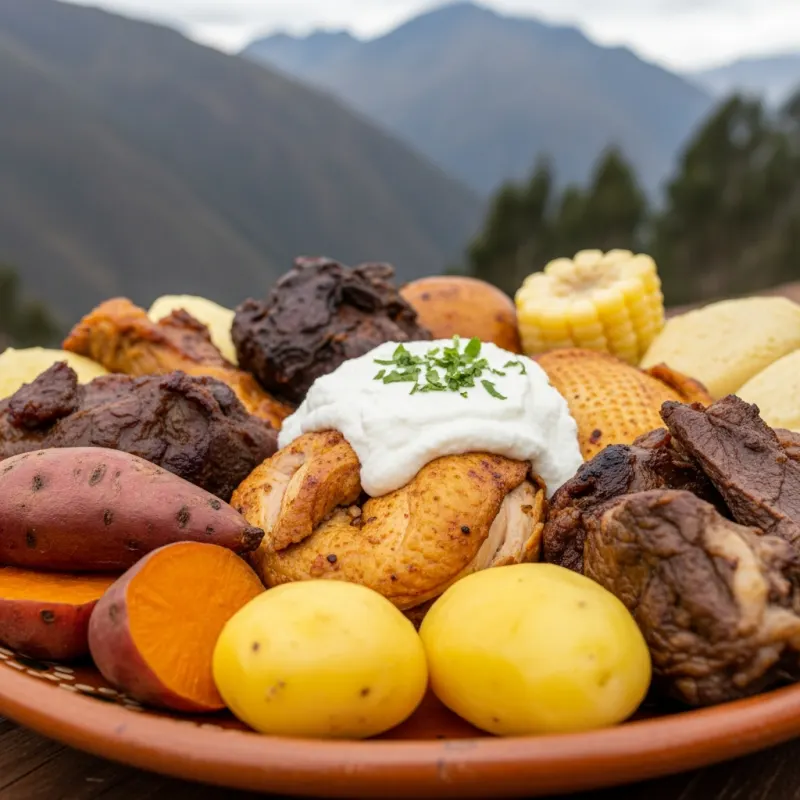
Traditional Peruvian Pachamanca dish with roasted meats and potatoes

Must Try Dish

Pachamanca - A traditional Peruvian dish baked using hot stones in an earthen oven, featuring marinated meats, potatoes, and Andean herbs. The slow-cooking process infuses the ingredients with a distinct, earthy smokiness that reflects centuries of Andean culinary heritage.
Food Experiences Title Icon

Food
Experiences

Discover cooking classes, tastings and local food tours

No food experience found
Maya, the human travel expert at TravelingWiz, offering curated, non-AI expertise

Maya’s Final Checklist for Sacred Valley

Logistics shouldn’t be the focus of your trip—the experience should. I’ve hand-vetted these essential partners to ensure your arrival, stay, and exploration are as smooth as an Athenian breeze.

Where to Stay

From boutique hotels to local apartments—compare thousands of options and find the perfect stay in the best neighborhood.

Air Travel

Getting there should be seamless. Compare the best routes and prices across top airlines to start your journey on the right note.

Local Guides

Connect with experts who know the destination best. Get personalized advice and insider tips to help you plan your perfect trip.

Travel Protection

The “Engineer’s” rule: always have a backup. Secure your trip with a plan that covers every “what if” and unexpected change.

Car Rentals

Explore at your own pace with total freedom. Compare reliable rental options and find the right vehicle for your adventure.

Visa Services

Don’t let paperwork slow you down. Get expert assistance with your application to ensure all your entry documents are in order.

FAQs

The Sacred Valley sits at an average elevation of about 2,800 meters (9,200 feet), which is significantly lower than Cusco (3,400 meters / 11,150 feet). This makes it an excellent place to acclimatize upon arrival.
Yes, most major archaeological sites in the Sacred Valley, including Pisac, Ollantaytambo, Chinchero, and Moray, require the Boleto Turistico (Tourist Ticket). You can buy a partial ticket for just the valley or a full ticket that includes Cusco sites.
You can travel between towns using ‘colectivos’ (shared vans), which are cheap and frequent. Alternatively, you can hire private taxis for the day, join guided bus tours, or rent a car.
No, it is not safe to drink tap water in the Sacred Valley. Always drink bottled or properly filtered/boiled water, and avoid ice in drinks unless you are sure it was made with purified water.

Your Insights Matter

TravelingWiz grows through the stories of our community. If you’ve recently explored ,Sacred Valley share your tips and stories to help us perfect our guides for the next traveler.

Related Articles

Check out our related articles and blog posts to learn even more about the destination.

No related articles found

Don’t Travel Alone

Share with your friends and family

Where should we send your offline card?

We hate spam just as much as you do

newsletter_consent *