

Low – budget‑friendly basics
Medium – moderate mid‑range costs
High – pricey lodging, dining & transport
Disclosure: This site contains affiliate links. We may earn a commission if you make a purchase, at no extra cost to you.
Low – budget‑friendly basics
Medium – moderate mid‑range costs
High – pricey lodging, dining & transport
5 shields = Excellent – very low crime or conflict.
4 shields = Safe – low risk, routine care.
3 shields = Relatively safe – use normal street smarts.
2 shields = Use caution – higher crime or periodic unrest.
1 shields = Avoid – active conflict or extreme danger.
Scores are derived from multi-year peace, homicide and security indices blended into a single 1-to-5 scale.
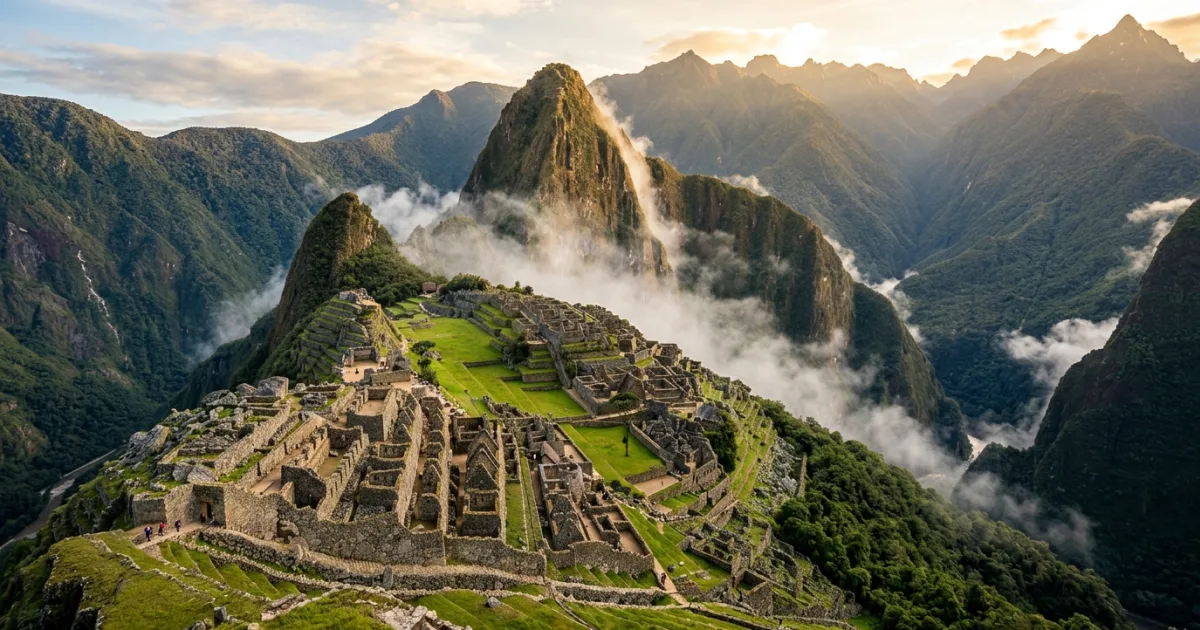
Machu Picchu Citadel stands as the most iconic archaeological site in South America, nestled high in the Andes Mountains at an elevation of 2,430 meters. Built in the 15th century by the Inca Emperor Pachacuti, this UNESCO World Heritage site features over 200 meticulously crafted stone structures, including temples, agricultural terraces, and residential areas. The site was abandoned during the Spanish Conquest and remained largely unknown to the outside world until its scientific rediscovery by Hiram Bingham in 1911. Today, it serves as a profound testament to Incan engineering, astronomical alignment, and agricultural innovation. Visitors typically access the citadel via a scenic train ride from Ollantaytambo to Aguas Calientes, followed by a winding bus journey up the mountain, or by trekking the legendary Inca Trail. Strict conservation measures now require travelers to book timed entry tickets well in advance and follow designated one-way circuits to protect the fragile ruins. Exploring the site offers breathtaking panoramic views of the surrounding Huayna Picchu and Machu Picchu mountains, enveloped in lush cloud forest vegetation. The experience provides an unparalleled connection to pre-Columbian history and the enduring legacy of the Andean people.
Machu Picchu is divided into two main sectors: the agricultural sector, characterized by its vast network of terracing, and the urban sector, which houses the main plazas, temples, and royal quarters. The precision of the stonework in structures like the Temple of the Sun and the Intihuatana stone highlights the Incas' deep understanding of astronomy and engineering. Because the site sits on a fault line, the mortar-free construction was intentionally designed to be earthquake-resistant, allowing the stones to dance and resettle during seismic activity.
Reaching Machu Picchu involves a multi-step journey. Most visitors take a train from Cusco (Poroy) or Ollantaytambo to Aguas Calientes (Machu Picchu Pueblo). From Aguas Calientes, a dedicated fleet of eco-buses shuttles visitors up the Hiram Bingham highway to the citadel entrance in about 30 minutes. Alternatively, adventurous travelers can hike up the steep mountain path from the town to the entrance, which takes about 1.5 to 2 hours.
Machu Picchu offers an unforgettable experience, but its high altitude and rugged terrain require careful consideration for different age groups.
Machu Picchu was never truly 'lost' to the locals living in the region. When Hiram Bingham arrived in 1911, he was guided to the site by an 11-year-old local boy named Pablito Alvarez, whose family was actively farming the ancient terraces.

The optimal time to visit Machu Picchu is during the dry season, which runs from May to October. During these months, you can expect clear skies and minimal rainfall, making it ideal for trekking and photography.
| Month | °C | °F |
|---|---|---|
| Jan | 25 | 77 |
| Feb | 25 | 77 |
| Mar | 25 | 77 |
| Apr | 25 | 77 |
| May | 25 | 77 |
| Jun | 25 | 77 |
| Jul | 25 | 77 |
| Aug | 26 | 79 |
| Sep | 27 | 81 |
| Oct | 27 | 81 |
| Nov | 26 | 79 |
| Dec | 26 | 79 |
Remember to check the weather forecast a few days before the trip and before heading to the airport.
5 shields = Excellent – very low crime or conflict.
4 shields = Safe – low risk, routine care.
3 shields = Relatively safe – use normal street smarts.
2 shields = Use caution – higher crime or periodic unrest.
1 shields = Avoid – active conflict or extreme danger.
Scores are derived from multi-year peace, homicide and security indices blended into a single 1-to-5 scale.
The rating is based on multi-year peace, crime, and security indices. Before you go, always verify current conditions through official government travel advisories.
No internet needed • Includes local translations • Free for TravelingWiz readers

Is Machu Picchu Citadel expensive for tourists in 2026? While costs are higher than elsewhere in Peru due to its remote location, it remains moderately priced by global standards. Based on Human Verified prices, expect to pay around 12 PEN for a coffee, 12 PEN for a domestic beer, and 45 PEN for a mid-range restaurant meal. Use the data table below to calculate your specific daily budget based on your travel style.
Low – budget‑friendly basics
Medium – moderate mid‑range costs
High – pricey lodging, dining & transport
Per person, per day – pocket cash for small purchases.
Full daily spend estimation (accommodation, food, transportation, attractions).
Travel Style | Peruvian Sol (PEN) | ≈ USD ($) |
|---|---|---|
Budget | 240 | 72 |
Mid-range | 430 | 129 |
Comfort | 950 | 285 |
The Prices, Daily costs, and calculator results are estimates for planning purposes only. Actual costs may vary based on season, booking timing, personal spending habits, and currency fluctuations. TravelingWiz cannot be held responsible for discrepancies between these estimates and your final trip expenses.
Choose a ready-made itinerary, plan your own trip, and keep TravelingWiz by your side while you travel.
Get the TravelingWiz app →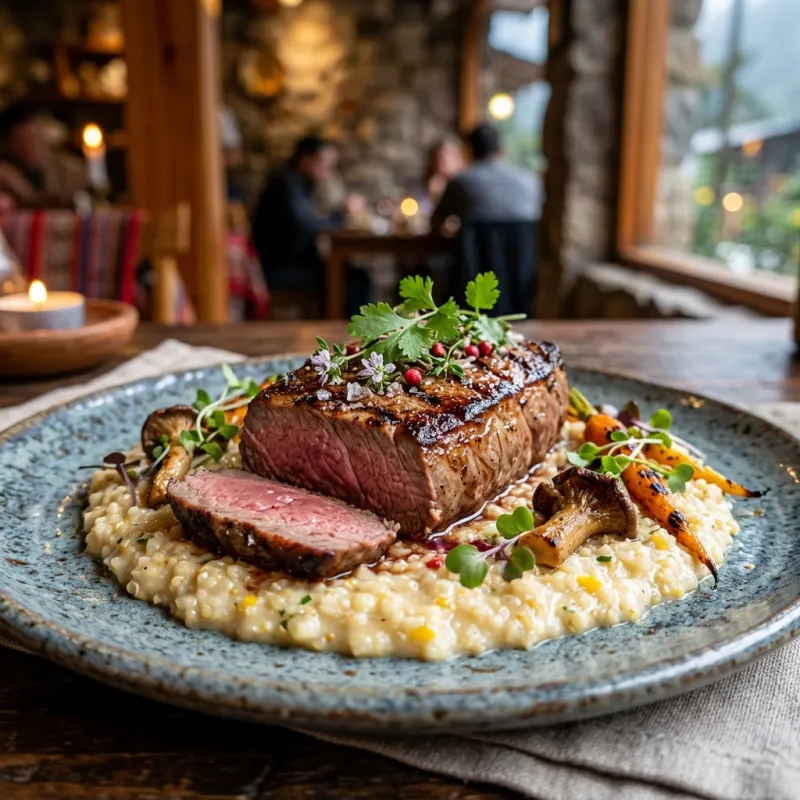
Discover cooking classes, tastings and local food tours
Logistics shouldn’t be the focus of your trip—the experience should. I’ve hand-vetted these essential partners to ensure your arrival, stay, and exploration are as smooth as an Athenian breeze.

Compare accommodation options and choose a stay that suits your plans and budget.
Connect with local guides for personalized help planning and exploring.
The “Engineer’s” rule: always have a backup. Secure your trip with a plan that covers every “what if” and unexpected change.
Don’t let paperwork slow you down. Get expert assistance with your application to ensure all your entry documents are in order.
Check out our related articles and blog posts to learn even more about the destination.
Share with your friends and family
